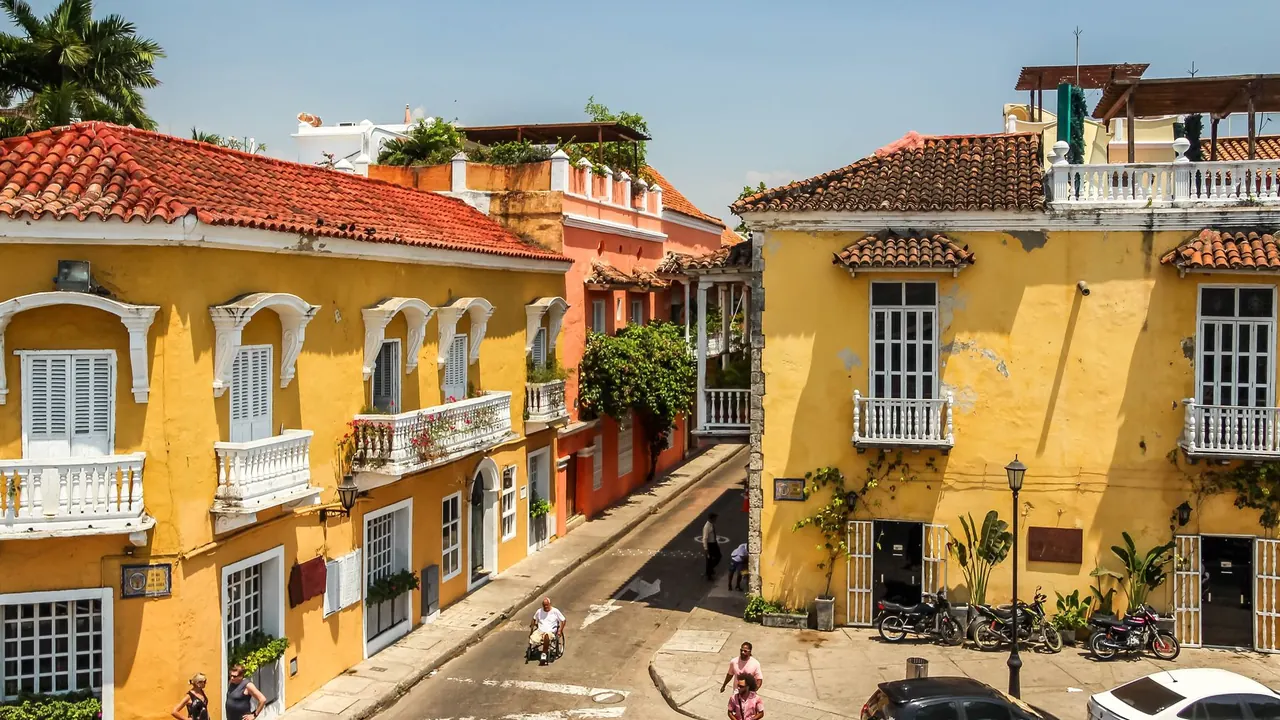
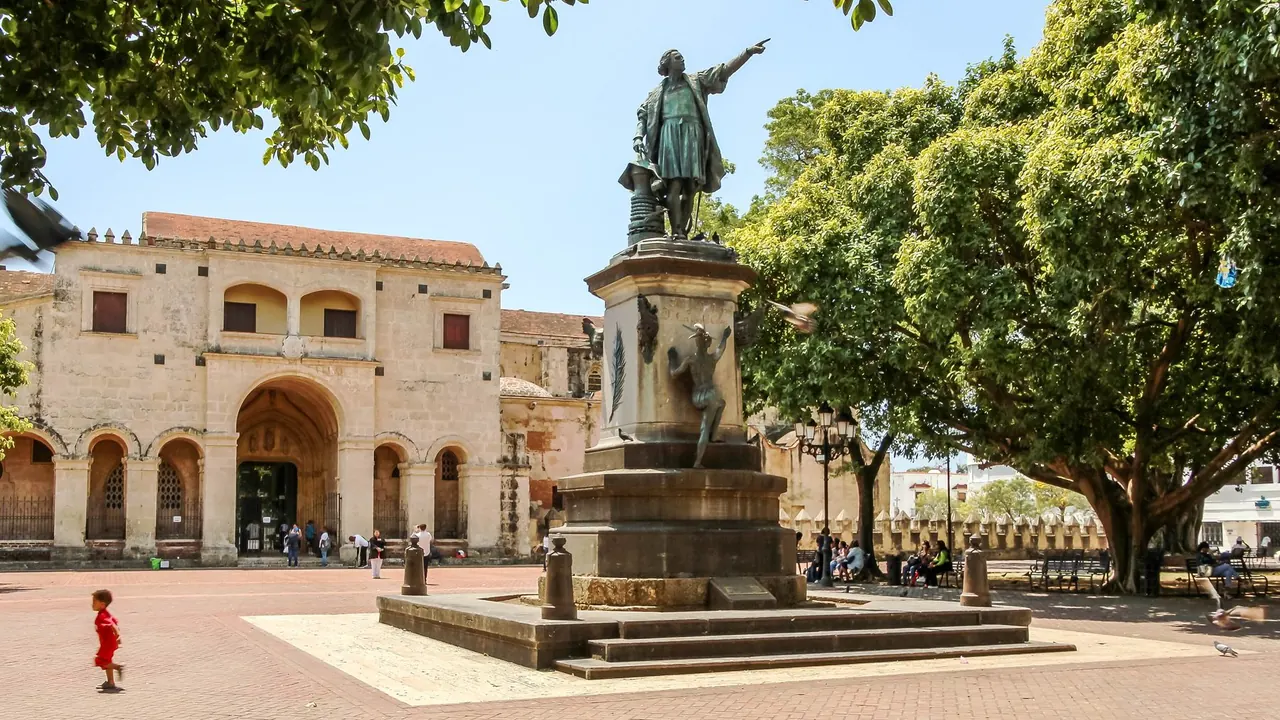
Photos: Cartagena by Dr. Thomas Liptak, CC BY-SA 4.0, cropped; Santo Domingo by Dr. Thomas Liptak, CC BY-SA 4.0, cropped.
Cartagena or Santo Domingo?
Our verdict in twelve categories, each scored against the same fixed benchmark cities, and the climate month by month, so you can choose for your trip.
Choose Cartagena for
- wellness
- getting around
- beaches
Cartagena suits travellers who want the Caribbean and a colonial town in the same trip. The walled city, San Diego and Getsemaní sit together and are easy to walk, and boats reach the turquoise water of the Rosario Islands and Baru in about an hour. A night or two in an island hammock also makes it the easier place to slow down. Expect to pay more for the boutique end, and to share the old town with many other visitors.
Choose Santo Domingo for
- day trips
- prices
- live music and the arts
Santo Domingo is the better pick for a cheaper trip with more dancing and more places to drive out to. The first permanent European city in the Americas has its colonial firsts and better museums, merengue and bachata wherever people go out, and a proper concert hall. The coast to the east gives you a run of road trips, to Altos de Chavón, to Bayahibe and on to Saona. It is a louder, more spread-out city, and you will spend more time in taxis.
Scoreboard
Twelve categories on one fixed scale from 0 to 100. The shaded stretch is the gap between the two.
Your match
Pick a travel style or drag the sliders, and both match scores follow your weighting.
Wins on wellness and getting around with your weighting.
Wins on day trips and prices with your weighting.
What matters to you?
Category by category
What the scores mean for a trip.
Beaches & swimming
Neither city is good for swimming on its own shore, but Cartagena gets you to a fine beach more easily. Its city strands at Bocagrande are murky and crowded with vendors. The reward is the boat ride out to the Rosario Islands and Baru, where the water turns clear turquoise within the hour, and you can stay the night.
Santo Domingo's seafront is coral rock and surf, so a beach day means driving east. Boca Chica's reef-sheltered lagoon is calm and shallow but packed at weekends, and Juan Dolio is quieter with more open sea. Both are pleasant, but nothing as close as Cartagena's islands.
Food & drink
You eat about as well in either city, but the food is different. Cartagena cooks like a Caribbean port: fried whole fish with coconut rice, ceviche from street carts, arepas de huevo, and fruit and coconut sweets from the palenqueras. Its best tables are in restored houses inside the walls, but many old-town menus are aimed at tourists.
Santo Domingo's food is heartier and built on meat: la bandera at lunch, mangú for breakfast, mofongo and chicharrón at night, all cheap in the comedores. The more ambitious kitchens are out in Piantini and Naco rather than the old town, and the drinks are rum and cold beer from the colmado.
Culture & sights
Both have a UNESCO colonial core you can see in two or three days, but the pleasures differ. Cartagena's is the more complete townscape to walk through, with painted balconied streets, ramparts you can walk along and the huge Castillo San Felipe. Its museums are modest, though.
Santo Domingo draws you with history rather than the look of its streets. Here are the first cathedral, the first paved street and the Alcázar de Colón. It also has more to see indoors, with the Museo de las Casas Reales and the Museo del Hombre Dominicano at the Plaza de la Cultura.
Nightlife
Nights out are about as good in both cities, and in both they mean dancing late. Cartagena's is compact: the plaza in Getsemaní, salsa bars, rooftop cocktails inside the walls, champeta, and the chivas and party boats that are its own speciality. The price is crowds of tourists and pushy touts.
Santo Domingo dances to merengue and bachata and feels more local. Its classic night out is the colmadón, a corner shop turned open-air bar with plastic chairs. The scene is split between the Colonial Zone and the clubs of Piantini, so you need taxis, and you should not walk far late at night.
Nature & outdoors
Cartagena has more outdoors close at hand, and most of it is on or under the water. You can snorkel and dive on the Corales del Rosario reefs, paddle a canoe through the La Boquilla mangroves, or kitesurf in the dry-season winds, though the land around the city is flat farmland.
Santo Domingo has city green spaces rather than wild country. There are the cave lagoons of Los Tres Ojos, the Botanical Garden and Parque Mirador Sur. Los Haitises, the mountains around Jarabacoa and the whale waters of Samaná all need a long day or a night away.
Day trips
Santo Domingo is the better base for day trips. The road east takes you to the hilltop village of Altos de Chavón, through the old sugar town of San Pedro de Macorís, and to Bayahibe for boats to Saona and Catalina. Santiago is just about possible for a long day.
Cartagena has less within a day. San Basilio de Palenque, with its own language and music, makes a rewarding half day. Mompox and Santa Marta both need an overnight stay, so outings here mostly mean boat days to the islands.
Good for families
Cartagena's best family days are spent on the water, while Santo Domingo keeps more for children inside the city. In Cartagena that means calm, warm swimming off the islands, with a stop at the National Aviary on Baru, plus carriage rides and the ramparts in town. Long boat rides and the humid heat tire small children, so a hotel pool is worth having.
Santo Domingo has the National Aquarium, the zoo, the caves at Los Tres Ojos and forts with cannons, and Boca Chica's shallow lagoon suits small swimmers well. Against that, heavy traffic, broken pavements and constant taxi rides wear families down.
Getting around
Cartagena is much easier to get around. The walled city, San Diego and Getsemaní are a few minutes' walk apart, you can walk across to the Castillo San Felipe, and cheap taxis cover the rest. The midday heat is the only real obstacle.
In Santo Domingo only the Colonial Zone is easy on foot. The rest of the city is spread out and choked with traffic, the metro serves commuters rather than sights, and the guaguas confuse newcomers. Most visitors end up using app taxis for every trip across town.
Shopping & style
Cartagena is the place for Colombian design and woven craft, Santo Domingo for stones and goods found only on its island. In Cartagena the vaulted shops of Las Bóvedas sell Wayuu mochilas, sombreros vueltiaos and hammocks, jewellers near the Plaza de Bolívar deal in emeralds, and a handful of boutiques of Colombian designers sell linen resortwear.
Santo Domingo's buys are amber, blue larimar, hand-rolled cigars and aged rum, found along Calle El Conde and at the Mercado Modelo, where you have to bargain hard. Beyond those, residents head to the malls of Piantini and Naco, and there is little independent design to match Cartagena's boutiques.
Affordability
Santo Domingo is a little kinder to the budget. Comedor lunches, colmado beer, street food and app taxis are cheap all over the city, and the museums and forts charge little to get in.
Cartagena can be good value too, with Getsemaní hostels, set lunches and cheap taxis. But it is Colombia's most expensive city, its restored-mansion hotels approach European prices, and costs peak when Colombians arrive at Christmas and Easter. Agree prices with hawkers and boatmen before you set off.
Live music & performing arts
Santo Domingo offers more to hear and watch. The Teatro Nacional Eduardo Brito is home to the National Symphony Orchestra and also stages ballet and opera. The Sunday concert in the ruins of the San Francisco monastery, with couples of every age dancing to son and merengue, is a ritual worth planning a weekend around.
Cartagena has the ornate Teatro Adolfo Mejía and a classical festival in January, but little regular programme. The rest of the year its music is on the street: cumbia dancers and drummers in the plazas, and salsa and champeta in Getsemaní.
Wellness & relaxation
Cartagena is the easier place to unwind. Its colonial-house hotels have plunge pools and shaded courtyards in the middle of town, massages are cheap, and a few nights on the islands bring life down to hammocks and the tide. The Totumo mud bath is good fun but hardly a cure.
Santo Domingo offers little rest. Horns and music fill the streets, so relaxing means a spa in one of the big Malecón hotels, a guesthouse courtyard or the botanical garden. People who want real rest usually leave for a resort further along the coast.
When should you go?
Pick your month. The climate figures are measured averages, not a forecast.
Cartagena in July
Santo Domingo in July
Daytime high, °C
Rainfall in the month, mm
Where the figures come from
Santo Domingo has no rain gauge within 25 km of the centre, so its rainfall comes from a gridded climate dataset read at the city rather than from a gauge further away.
Temperature and rainfall are climate normals, averaged over the years shown. Cartagena: 1991-2020 normals, Cartagena / Rafael Nunez (3.1 km from centre). Santo Domingo: 1991-2020 normals, Santo Domingo (6.4 km from centre).
Both cities are hot all year, with daytime highs that hardly move, and the sea is always warm enough for swimming, about 27°C to 30°C. The real difference is the rain. Cartagena has a sharp dry season from December to April, when January and February are almost rainless and the days are at their sunniest. That is the easiest time for walking the ramparts and taking boats to the islands. The rains come in May and build to a wet peak in October, with about 241mm, and the sky turns cloudier.
Santo Domingo never has a truly dry season. February and March are the least wet months, but even then a shower is possible. From May to October the rain is heavy, peaking at about 235mm in August, and the afternoons climb to 33°C, which makes long walks round the Colonial Zone tiring. Its best months are January to April, much the same window as Cartagena's, only less reliably dry.
Which traveller are you?
On a beach and sun trip, Cartagena is the stronger choice. Boats from the city reach the clear water and pale sand of the Rosario Islands and Playa Blanca in under an hour, and the dry months bring long sunny days. Santo Domingo's beaches all mean a drive out of town.
For a relaxing and wellness trip, choose Cartagena. The courtyard hotels with plunge pools give you quiet in the old town, and a few nights on the islands slow everything down. Santo Domingo is loud almost everywhere, and people who want rest usually leave it for a resort.
On a trip on a tight budget, Santo Domingo makes the money last longer. Comedor lunches, colmado beer and app taxis cost little across the city. Cartagena is cheap in Getsemaní, but it is Colombia's priciest city and costs climb in the high seasons.
Before you go
| Measure | Cartagena | Santo Domingo |
|---|---|---|
| Official language | Spanish | Spanish |
| Currency | Colombian Peso (COP) | Dominican Peso (DOP) |
| Sockets | AB110 V, 60 Hz | AB110 V, 60 Hz |
| Driving side | Right | Right |
| Time zone | UTC-5 | UTC-4 |
| Emergency number | 123 | 911 |
| Elevation | 2 m | 14 m |
| Main airport | Rafael Nuñez International Airport (CTG)2 km from centre26 non-stop destinations | Las Américas International Airport (SDQ)28 km from centre40 non-stop destinations |
| Public holidays this year | 19 days | 13 days |
By the numbers
| Measure | Cartagena | Santo Domingo |
|---|---|---|
| City population | 914,552 | 2,201,941 |
| People per km² | 1,599 | 1,691 |
| Museums within 10 km | 2 | 10 |
| UNESCO World Heritage sites within 50 km | 1 | 1 |
| Swim season, months above 21 °C | 12 months | 12 months |
Where else could you go?
Every comparison below shares a destination with this one, so you can follow Cartagena or Santo Domingo somewhere new.