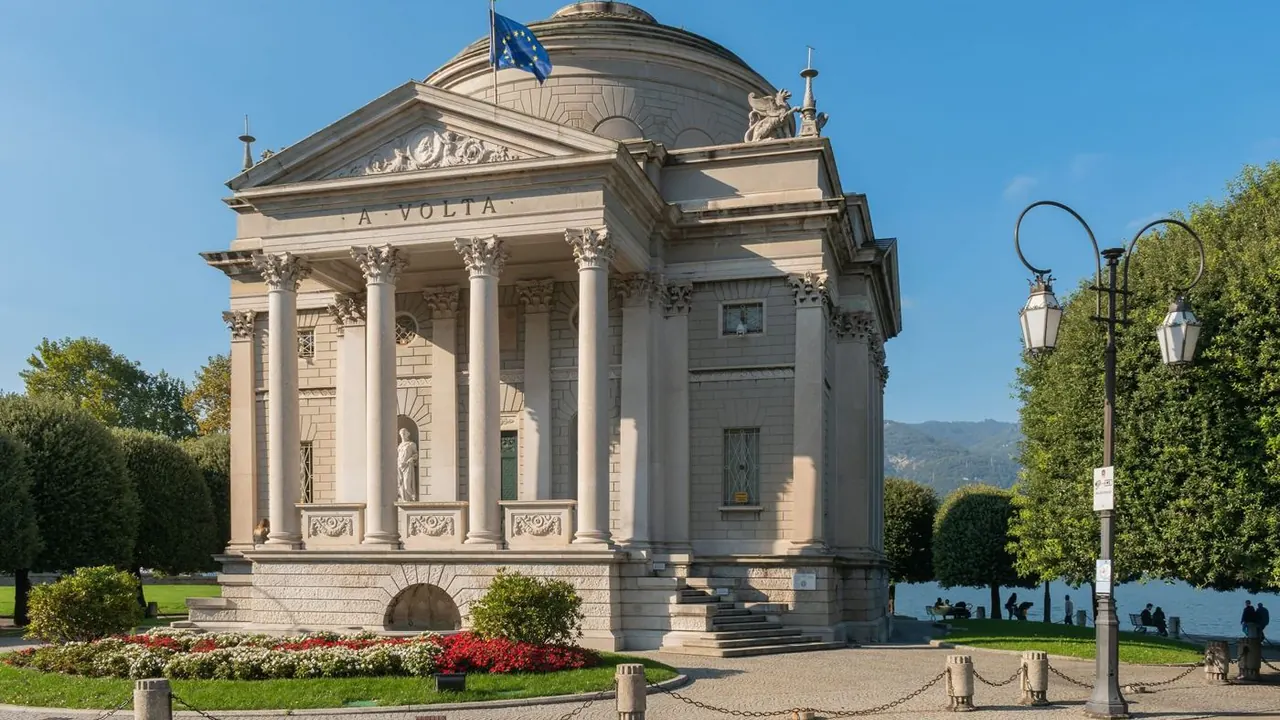
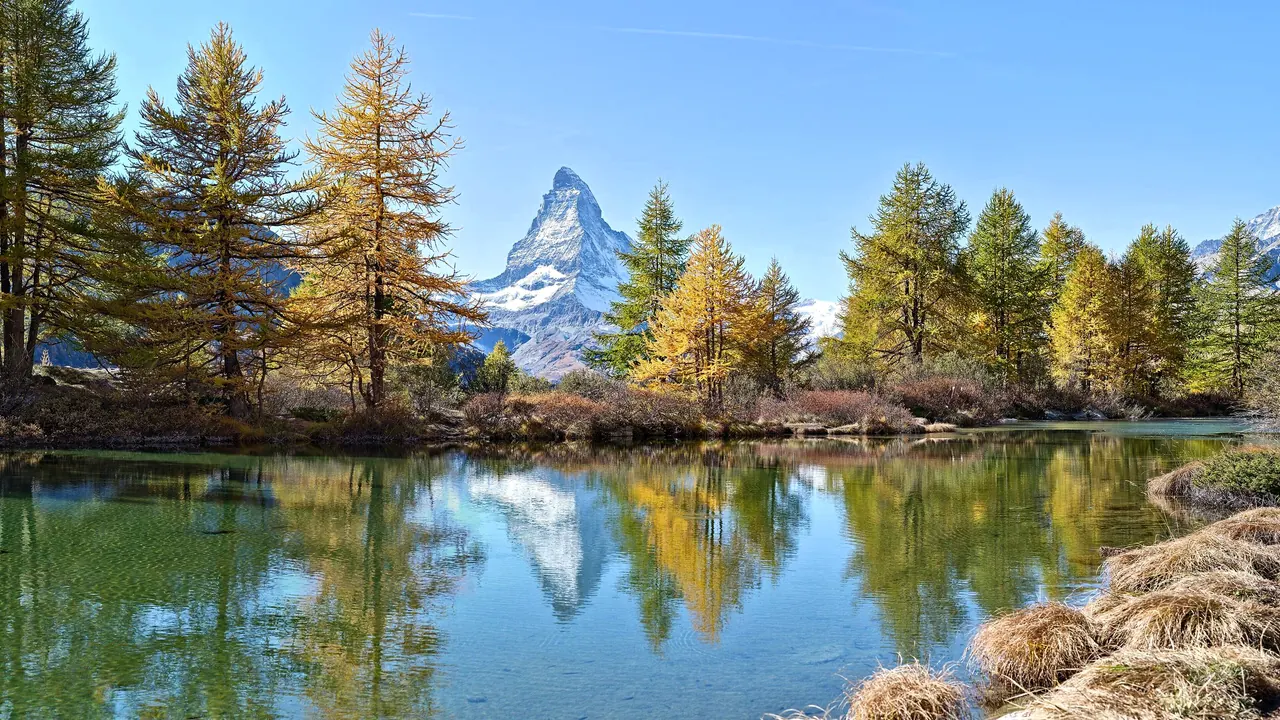
Photos: Como by Krzysztof Golik, CC BY-SA 4.0, cropped; Zermatt by Roy Egloff, CC BY-SA 4.0, cropped.
Como or Zermatt?
Our verdict in twelve categories, each scored against the same fixed benchmark cities, and the climate month by month, so you can choose for your trip.
Choose Como for
- day trips
- culture and sights
- beaches
Como suits a traveller who wants a lake, a town and a region all at once. The walled old town has a Gothic-Renaissance cathedral and Romanesque churches. Ferries go to Bellagio and the villa gardens of Tremezzo, and Milan is close enough for an afternoon at the Last Supper. It is the better base for a varied, unhurried trip with good meals and gentle swims, and although it is not cheap, it costs far less than the high Alps.
Choose Zermatt for
- nature and the outdoors
- getting around
- nightlife
Zermatt is for people who came for the mountains and want little else. The Matterhorn stands over a car-free village, and lifts climb to glaciers and trails that Como's wooded hills can't match. Skiers, hikers and climbers will find it hard to beat. Anyone hoping for sightseeing, varied excursions or a sensible budget will soon feel how narrow and expensive the valley is.
Scoreboard
Twelve categories on one fixed scale from 0 to 100. The shaded stretch is the gap between the two.
Your match
Pick a travel style or drag the sliders, and both match scores follow your weighting.
Wins on day trips and culture and sights with your weighting.
Wins on nature and the outdoors and getting around with your weighting.
What matters to you?
Category by category
What the scores mean for a trip.
Beaches & swimming
Como at least gives you a summer swim. From June to early September there are lidos with lawns and pontoons, the best known beside Villa Olmo, and pebble jetties in Moltrasio and Cernobbio. The lake water warms to about 23°C. It is a pleasant extra on a hot day, but not a beach vacation.
Zermatt has nothing of the kind. Its mountain tarns are glacier-cold even in August, so swimming means a hotel pool.
Food & drink
Neither place is a major food destination, and both have a narrow range, but the kitchens are very different. Como cooks lake and Lombard dishes such as perch risotto, missoltini and polenta, and the aperitivo on the squares around the cathedral is a daily ritual. The best meals tend to be in family-run trattorias in the hills.
In Zermatt the best eating is up the mountain. Long lunches in wooden chalets around Findeln and Furi mean raclette, air-dried beef and a glass of Petite Arvine, with the Matterhorn in view. Meals cost more, though, and many kitchens close between seasons.
Culture & sights
Como has far more to see. Within its walls are a marble cathedral, the Romanesque churches of San Fedele and Sant'Abbondio, and Terragni's Rationalist Casa del Fascio. Along the shore are Villa Olmo, the Tempio Voltiano and a silk museum that tells the story of the city's wealth.
Zermatt's sights all tell the story of mountaineering. There is the underground Matterhorn Museum on the 1865 first ascent, the climbers' cemetery, and the larch barns of the Hinterdorf. It fills a morning, and the Gornergrat railway is the most memorable piece of history.
Nightlife
Zermatt has more going on after dark, but mainly in winter. From late afternoon, ski boots fill the slope-side bars, and a few clubs on the main street stay open past midnight at weekends. In summer the hikers go to bed early, and between seasons the village is shut.
Como's evenings are quieter all year round. They begin with an aperitivo on Piazza Duomo, continue with a long dinner and a lakefront stroll, and end without clubs. Locals who want a late night take the train to Milan.
Nature & outdoors
Como's setting is lovely: wooded mountains above a glacial lake. The funicular climbs to Brunate, there are ridge walks to the Volta lighthouse, and cyclists ride up to the Madonna del Ghisallo. Kayaking and sailing are easy to arrange from the city shore.
Zermatt is in another league. It is real high-Alpine country, with the Matterhorn right above the village, dozens of four-thousand-metre peaks and the Gorner Glacier. Lifts serve hundreds of kilometres of trails, there are ibex and marmots in the larch woods, and guides lead ascents. It is also the end of the Haute Route.
Day trips
This is where the two places differ most. From Como, boats go to Bellagio, Varenna and Villa del Balbianello. Milan is about forty minutes by train and Lugano about half an hour, and Bergamo's upper town or the Borromean Islands each make an easy day.
From Zermatt, every outing starts with a long train ride down the valley. Sion's castle hills and Valère basilica are the best reward, and Brig and Saas-Fee are also within reach. Most visitors sensibly spend their free days back in the mountains.
Good for families
Both are calm, safe places where children soon run out of things made for them. Neither has a zoo or a theme park, so the difference is in the kind of days you spend. Como gives you boat rides, the funicular, Villa Olmo's gardens and a paddle at a summer lido.
Zermatt's car-free streets let children walk freely, and there are ski schools and nursery slopes at Sunnegga, marmots to spot and cog railways to ride. The thin air at the highest viewpoints can be hard on small children, though, and wet days are long.
Getting around
Zermatt is easier once you arrive. You leave the car at Täsch, and after that the village, the cog railway, the Sunnegga funicular and the gondolas are all a walk from the centre, with electric taxis for the outlying stations. The only real effort is hauling luggage up to the slope-side hotels.
Como's old town and lakefront are flat and compact, but the lake itself is slow going. Ferries take their time to reach the upper villages, and in summer the shore roads clog and parking is a struggle.
Shopping & style
Como has something real to buy: silk. Scarves, ties and fabric come from old-town specialists and the mill outlets that supply the fashion houses. There is also a short run of Italian boutiques on Via Vittorio Emanuele II and a weekend antiques market near the walls.
Zermatt's single main street sells luxury watches, good ski and climbing gear, and Matterhorn souvenirs. Beyond the outdoor equipment there is little to browse.
Affordability
Neither is a bargain, but Como is far gentler on the wallet. Lakefront hotels and villa rentals are expensive in summer. Rooms back from the water, hill trattorias, trains and ferries are all reasonable, and spring and autumn are cheaper still.
Zermatt is expensive at almost every turn. Plain hotels, mountain lunches and the lift tickets you can hardly avoid all cost well above European norms. Self-catering and a bed in Täsch help, but only so much.
Live music & performing arts
Como has a proper stage of its own. The neoclassical Teatro Sociale near the cathedral runs a season of opera, ballet, orchestral concerts and spoken theatre, and moves outdoors to its Arena on summer evenings. Summer also brings chamber concerts in Romanesque churches and lakeside villas, so there is usually something to book, even if many nights stay quiet. For bigger occasions, La Scala is a short train ride away.
Zermatt has no theatre or concert hall, so its music depends on your dates. Zermatt Unplugged brings acoustic sets to tents and mountain stages in spring, and a late-summer chamber festival fills the village church. In other weeks, live music means a band in an après-ski bar.
Wellness & relaxation
Zermatt has the edge for a proper spa day, while Como offers a slower, different kind of rest. Como has no thermal springs and few day spas beyond the grand villa hotels, so it relaxes you through its pace instead: slow ferries, gardens running down to the water and villages that go quiet early, at their best in spring and autumn.
Zermatt's hotels have an unusually large number of excellent spas, with pools, saunas and steam rooms looking onto the peaks, and some sell day access to non-residents. Car-free streets and clear air add to the calm, though in peak weeks the mood is more active than slow.
When should you go?
Pick your month. The climate figures are measured averages, not a forecast.
Como in July
Zermatt in July
Daytime high, °C
Rainfall in the month, mm
Where the figures come from
Zermatt has no weather station within reach, so its figures come from a gridded climate model rather than a measured record, and read a broad area rather than the city itself.
Temperature and rainfall are climate normals, averaged over the years shown. Como: 1991-2020 normals, Lugano (23 km from centre). Zermatt: 1991-2020 normals, TerraClimate 4 km grid at the town, no weather station within 90 km.
Como has a warm southern-lake summer. July and August reach about 27°C with the most sunshine, and June to early September is the season for swimming at the lidos. Spring and autumn are milder and better for walking the ridges and old town, but rain is heavy from April to November, with May the wettest at about 178mm. Winters are cool and grey but rarely harsh, with fairly dry months either side of the new year.
Zermatt runs on a different calendar. From December to February daytime highs stay below freezing, which suits a ski trip. Even in July and August highs only reach about 14°C, which is ideal for hiking but never warm enough for a swim. Rain and snow are more even across the year than in Como, and November is the wettest month. For a mix of weather, Como is best in late spring or early autumn, and Zermatt in deep winter or high summer.
Which traveller are you?
For a culture and arts trip, Como is the clear choice. It has the cathedral, Sant'Abbondio, Terragni's Casa del Fascio, the Volta museum and the Teatro Sociale's opera season. Milan's La Scala and the Last Supper are also within easy reach, while Zermatt's heritage fills a single morning.
On a trip on a tight budget, Como is still the better bet, though it is not cheap. Old-town rooms, hill trattorias, cheap trains and ferries all keep costs manageable. In Zermatt, beds, meals and lift tickets are steep almost everywhere.
For skiers, Zermatt has no rival here. Its slopes reach above 3,800m, with pistes linking into Italy and glacier runs open even in summer, and the après-ski bars give the evenings some life. Como has no skiing at all.
Before you go
| Measure | Como | Zermatt |
|---|---|---|
| Official language | Italian | French, German, Italian, Romansh |
| Currency | Euro (EUR) | Swiss Franc (CHF) |
| Sockets | CFL230 V, 50 Hz | CJ230 V, 50 Hz |
| Driving side | Right | Right |
| Time zone | UTC+1, UTC+2 in summer | UTC+1, UTC+2 in summer |
| Emergency number | 112 | 112 |
| Elevation | 201 m | 1,624 m |
| Main airport | Milan Malpensa International Airport (MXP)34 km from centre208 non-stop destinations | Geneva International Airport (GVA)128 km from centre150 non-stop destinations |
| Public holidays this year | 13 days | 9 days |
By the numbers
| Measure | Como | Zermatt |
|---|---|---|
| City population | 83,184 | 6,023 |
| People per km² | 2,242 | 25 |
| Museums within 10 km | 11 | 2 |
| UNESCO World Heritage sites within 50 km | 8 | 2 |
Where else could you go?
Every comparison below shares a destination with this one, so you can follow Como or Zermatt somewhere new.