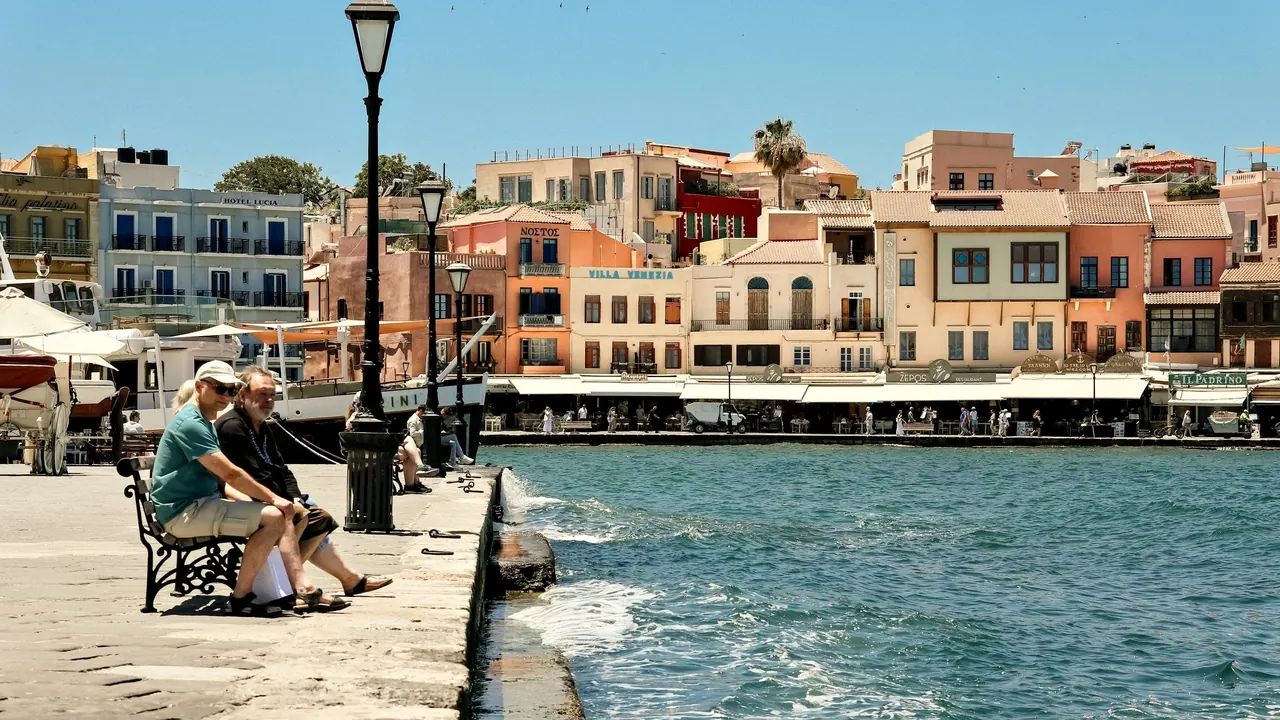
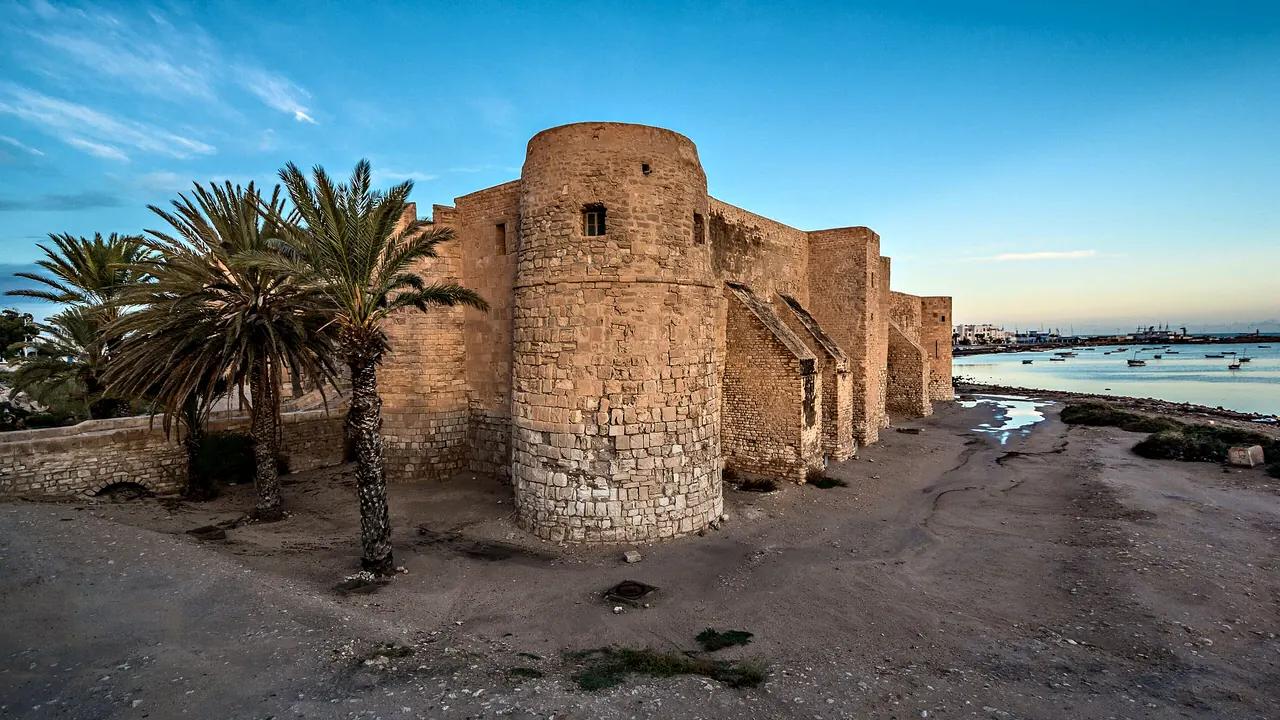
Photos: Crete by Piotr Baranowski, Pexels License; Djerba by IssamBarhoumi, CC BY-SA 4.0, cropped.
Crete or Djerba?
Our verdict in twelve categories, each scored against the same fixed benchmark cities, and the climate month by month, so you can choose for your trip.
Choose Crete for
- nature and the outdoors
- nightlife
- food and drink
Crete suits a trip with variety in it. You get Minoan palaces and the Heraklion museum, the Venetian harbour towns of Chania and Rethymno, gorge walks through the White Mountains and a regional cuisine worth travelling for. It rewards travellers who will hire a car and move around, and who want evenings in old-town tavernas and bars as much as days on the sand.
Choose Djerba for
- prices
- wellness
- getting around
For a simpler and cheaper stay built around one stretch of beach, Djerba is the better pick. The northeast coast has fine, shallow sand, hotels with thalassotherapy centres and a slow daily rhythm, and it costs noticeably less than Crete. Go there to rest, swim and be looked after, not to explore, eat out widely or go out at night.
Scoreboard
Twelve categories on one fixed scale from 0 to 100. The shaded stretch is the gap between the two.
Your match
Pick a travel style or drag the sliders, and both match scores follow your weighting.
Wins on nature and the outdoors and nightlife with your weighting.
Wins on prices and wellness with your weighting.
What matters to you?
Category by category
What the scores mean for a trip.
Beaches & swimming
Crete has more beaches and far more kinds of them. In the west there are the pink sand and lagoons of Elafonissi, Balos under the Gramvousa peninsula and the long open strand at Falassarna. In the east is palm-backed Vai, and on the south coast there are pebble coves reached by boat or path, Preveli among them. The trade-off is midday crowds at the famous western beaches and the meltemi wind on the north coast.
Djerba has one kind of beach and does it well. Pale, fine sand runs along the northeast coast from Sidi Mahrez to Aghir, and the water is shallow enough to wade a long way out. Its sea is a little warmer in late summer, but the coast is flat, with no coves or cliffs, and wind can cloud the water and wash up seaweed.
Food & drink
Crete's cooking is a reason to visit in its own right. It is built on the island's olive oil, wild greens, graviera and mizithra cheeses, slow-cooked lamb and dakos, and it is at its best in village tavernas and the old-town backstreets of Chania and Rethymno. Wine comes from the vineyards south of Heraklion, and only the north-coast resort strips let the island down.
On Djerba most visitors eat at the hotel buffet, and local cooking is found mainly in Houmt Souk: fish grilled from the morning auction, riz djerbien and fish couscous. It is good but narrow, and alcohol is mostly limited to hotels and licensed places, so food rarely shapes a Djerba trip the way it shapes one on Crete.
Culture & sights
Crete was the heart of Minoan civilisation. There are the palaces of Knossos, Phaistos and Malia, and the Heraklion Archaeological Museum holds the frescoes and the Phaistos Disc. On top of that come Venetian, Ottoman and Byzantine layers, from Chania's harbour to Spinalonga and the monastery of Arkadi. A visitor interested in history can fill a week here and still have more to drive to.
Djerba's heritage is thinner but unusual. Its sights include the Ghriba synagogue at Erriadh, the old funduqs and the Borj el Kebir fort in Houmt Souk, and fortified Ibadite mosques and domed menzels among the olive groves. Together they make a couple of interesting days around a beach stay rather than a reason to come.
Nightlife
Crete gives you two choices. Malia and Hersonissos are loud, late party strips aimed at young groups. In the towns, the cocktail bars and late terraces of Chania's harbour, Rethymno's waterfront and Heraklion's old centre offer a more grown-up night out, where Greek students and locals mix with visitors.
Djerba has neither. Evenings happen inside the resort, with an entertainment programme and a pool bar, and a few coastal clubs open late in high summer. Houmt Souk settles into tea on a café terrace after dinner.
Nature & outdoors
This is where the two islands differ most. Crete is mountainous: the White Mountains and Psiloritis rise above 2,400m, and gorges such as Samaria, Imbros and Aradena cut down to the Libyan Sea. Add the E4 path, the coast walk between Loutro, Sfakia and Agia Roumeli, climbing at Agiofarago and griffon vultures over the cliffs.
Djerba is flat country of palm groves, olive trees and salt flats, and its outdoor appeal is gentler. Flamingos feed at the Ras Rmel lagoon in winter and spring, the steady wind suits kitesurfing, and the interior is easy to cross by bicycle, on horseback or by camel. There is no real hiking.
Day trips
From any base on Crete there are varied days out. You can visit the other old towns, the wine villages around Peza and Archanes, Anogia and the Amari valley, or take a boat to Chrissi or Gramvousa. The fast ferry from Heraklion even makes Santorini possible in a day.
Djerba's outings mean crossing the Roman causeway or taking the Ajim ferry, then driving across dry country. Gightis is close by, but the ksour and Chenini near Tataouine and the cave houses of Matmata are long, hot days, and the Sahara at Douz needs an overnight stay.
Good for families
Both islands work for a beach-based family vacation, with Crete a little ahead because there is more to do. It has waterparks along the north coast, the aquarium at Gournes and Elafonissi's warm lagoon, and its tavernas treat children at a late dinner as normal. Its drawbacks are the long, winding drives and the midsummer heat.
Djerba's strength is the sea itself, shallow and calm along the northeast coast. It also has resorts built for families, the crocodile farm near Midoun and camel rides on the beach. Beyond that there is less to fill the days, and the trips south are hard on young children.
Getting around
On Crete a hire car is close to essential. The beaches, gorges and mountain villages are spread across a large island, the roads to the south coast are steep and winding, and journeys take longer than the map suggests. Buses run reliably between Chania, Rethymno, Heraklion and Agios Nikolaos, and the old towns are best seen on foot. Some south-coast villages can only be reached by summer boats.
Djerba is the easier island to get around. It is small and flat, so the yellow taxis take you from the northeast hotel zone to Houmt Souk or Midoun in a few minutes, and a hired bike or quad works well along the coast road. It only gets harder when you leave the island by the causeway or the Ajim ferry for long mainland drives, which most visitors make with a tour or a hired driver.
Shopping & style
Neither island is a place for fashion, and both reward a search for crafts. On Crete the best is in Chania's leather-makers' lane, its knife-makers and its covered market, along with olive oil, thyme honey and pottery from Margarites.
Djerba's shopping happens mostly in the covered souks of Houmt Souk, with rugs, leather, spices and jewellery and the haggling that comes with them, plus pottery bought straight from the workshops at Guellala.
Affordability
Crete is mid-priced and gentler on the wallet than the Cyclades. Village tavernas and family-run rooms are good value, but the hire car you can hardly do without, Chania's old town and the luxury resorts around Elounda push costs up, especially in July and August.
Djerba is clearly cheaper. All-inclusive hotels on the northeast coast cost less than similar Mediterranean resorts even in summer, and taxis, fish lunches in Houmt Souk and entry to the sights cost little. Only imported drinks and trips to the south add much to the bill.
Live music & performing arts
Crete has a living music tradition of its own: the lyra and lute, improvised mantinades verses and fast circle dances. You hear it in the music tavernas of Rethymno and Chania, at village festivals on saints' days and in Anogia, and there are summer festivals in fortresses and open-air theatres.
Djerba has little to match it. There are folk shows in the hotels and traditional music at summer weddings and village festivals, but no theatre or venue to plan an evening around.
Wellness & relaxation
On Crete, the way to unwind is the pace of the place. You can stay in Loutro, which you reach only by boat or on foot, or in a hill village among olive groves, and spend long evenings over food. Resort spas cluster around Elounda and the Gulf of Mirabello, but the island has no bathing tradition of its own.
Djerba makes wellness a reason to come. The large thalassotherapy centres in its northeast-coast hotels offer seawater pools, hydrotherapy and massage, and some visitors plan a whole stay around treatments in the mild months. The hammams of Houmt Souk and the villages offer the simpler local version.
When should you go?
Pick your month. The climate figures are measured averages, not a forecast.
Crete in July
Djerba in July
Daytime high, °C
Rainfall in the month, mm
Where the figures come from
Djerba has no rain gauge within 25 km of the centre, so its rainfall comes from a gridded climate dataset read at the destination rather than from a gauge further away.
Djerba's sunshine is measured 73 km from the centre, at Gabes.
Temperature and rainfall are climate normals, averaged over the years shown. Crete: 1991-2020 normals, Heraklion Airport (3.6 km from centre). Djerba: 1991-2020 normals, Djerba Mellita (14.2 km from centre).
Crete's weather changes more through the year. Winter is wet, with around 95mm of rain in both December and January, and spring and autumn are the best seasons for walking gorges and old towns in comfort. From June to September it hardly rains, and the sea is warm enough to swim from June to October, peaking at about 25°C.
Djerba is drier and sunnier in winter. It is mild enough then for a quiet stay or a course of treatments, though the sea is too cool for most swimmers. Its summer is hotter, with highs of about 34°C in August that make midday outings hard work, but the sea warms to about 28°C by late summer and stays warm into October. May, June and the stretch from late September into October are its most comfortable months.
Which traveller are you?
On an outdoors trip, Crete is far ahead. The White Mountains and Psiloritis, the Samaria and Imbros gorges, the E4 path and the south-coast walk from Loutro give real hiking and climbing. Flat Djerba offers little beyond kitesurfing and the flamingos at Ras Rmel.
For a relaxing and wellness trip, Djerba is the better choice. Its northeast-coast hotels have large thalassotherapy centres, days run on long lunches and siestas, and the mild winter suits a stay built around treatments. Crete has resort spas but no bathing culture of its own.
On a tight budget, Djerba makes your money go much further. All-inclusive hotels cost well below their Mediterranean equivalents, and taxis and fish lunches in Houmt Souk are cheap. You also need no hire car, which on Crete is close to essential and costs more in summer.
Before you go
| Measure | Crete | Djerba |
|---|---|---|
| Official language | Greek | Arabic |
| Currency | Euro (EUR) | Tunisian Dinar (TND) |
| Sockets | CF230 V, 50 Hz | CE230 V, 50 Hz |
| Driving side | Right | Right |
| Time zone | UTC+2, UTC+3 in summer | UTC+1 |
| Emergency number | 112 | Police 197, ambulance 190, fire 198 |
| Main airport | Heraklion International Nikos Kazantzakis Airport (HER)129 non-stop destinations | Djerba Zarzis International Airport (DJE)34 non-stop destinations |
| Public holidays this year | 15 days | 8 days |
By the numbers
| Measure | Crete | Djerba |
|---|---|---|
| Population | 623,065 | 175,820 |
| People per km² | 75 | 342 |
| Swim season, months above 21 °C | 5 months | 6 months |
Where else could you go?
Every comparison below shares a destination with this one, so you can follow Crete or Djerba somewhere new.