Photos: Cusco by Pedro Szekely, CC BY-SA 2.0, cropped; Puerto Iguazu by Muhammed Ballan, Pexels License.
Cusco or Puerto Iguazu?
Our verdict in twelve categories, each scored against the same fixed benchmark cities, and the climate month by month, so you can choose for your trip.
Choose Cusco for
- culture and sights
- day trips
- shopping
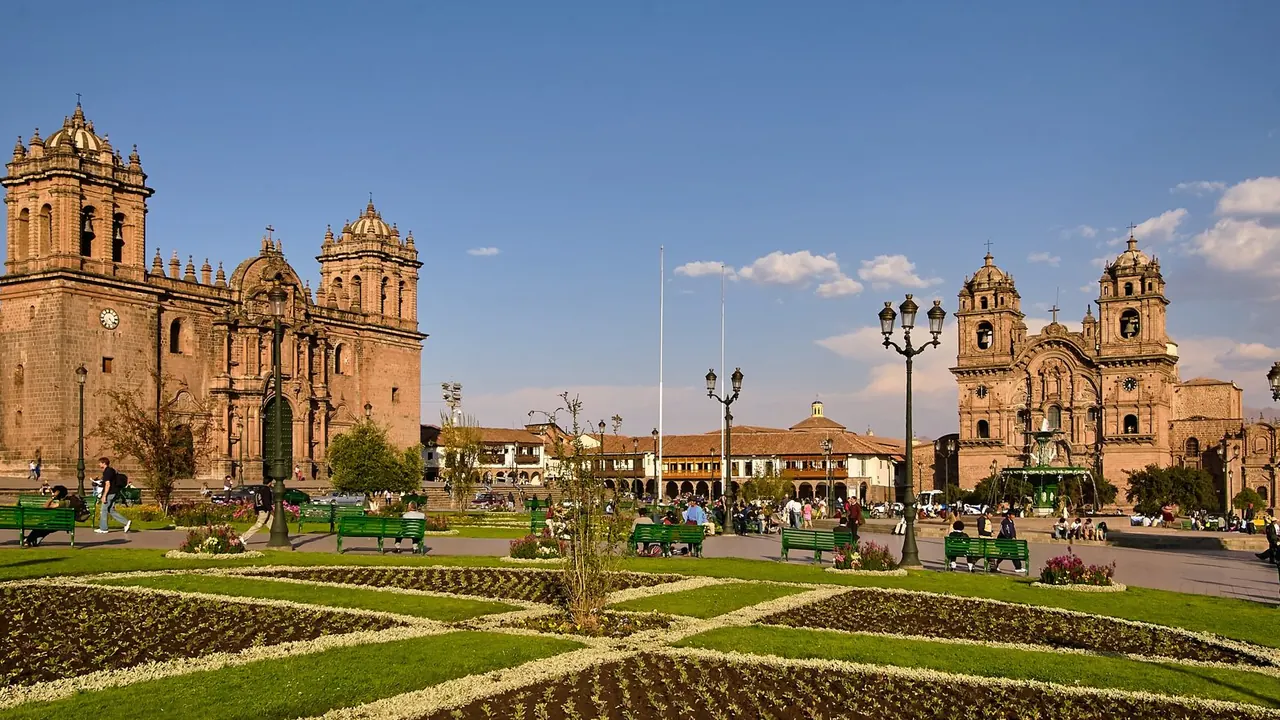
Cusco is the choice for a traveller who wants history they can touch and a landscape to walk through. Inca walls run under colonial churches in the centre, the Sacred Valley gives a week of ruins and market towns, and the mountains around it offer some of the best trekking on the continent. It is also cheaper day to day and has better food and evenings out. The cost is altitude, which makes the first days tiring and the city a poor fit for small children.
Choose Puerto Iguazu for
- families
- nature and the outdoors
- getting around
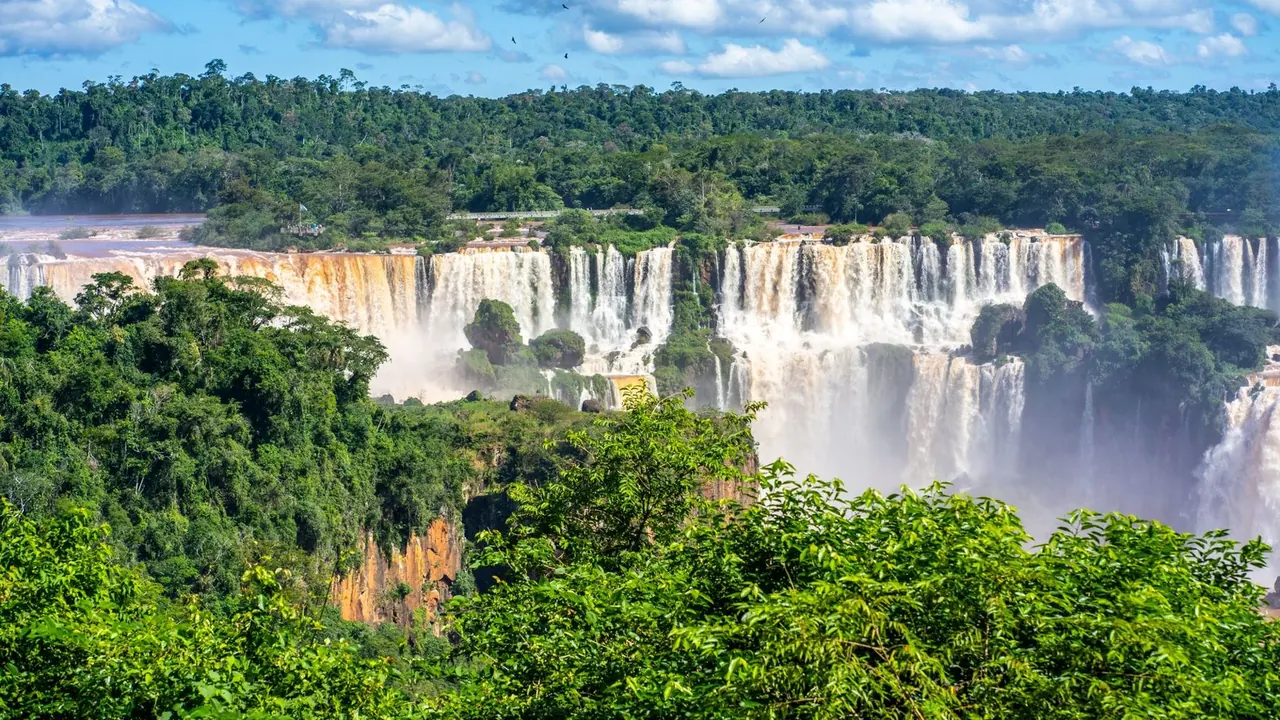
Puerto Iguazu does one thing, and it does it better than almost anywhere: the falls, set in rainforest full of coatis, toucans and butterflies. It suits families, travellers who want a spectacular natural sight without hard walking in thin air, and anyone adding a few days to a longer trip through Argentina or Brazil. The town itself has little culture, food or nightlife, so two or three days is usually enough.
Scoreboard
Twelve categories on one fixed scale from 0 to 100. The shaded stretch is the gap between the two.
Your match
Pick a travel style or drag the sliders, and both match scores follow your weighting.
Wins on culture and sights and day trips with your weighting.
Wins on families and nature and the outdoors with your weighting.
What matters to you?
Category by category
What the scores mean for a trip.
Beaches & swimming
Neither city has a beach, and the reasons differ. Cusco is high in the Andes, where the lagoons are glacial and the nights cold, so swimming is simply not part of the trip. Puerto Iguazu is hot enough that you will want to cool off, but the rivers are fast and muddy, so the hotel pool is where you swim.
Food & drink
Cusco gives you much more to explore at the table. Highland cooking runs from many kinds of potato and maize to trout, alpaca and cuy, the San Pedro market is good for lunch, and Novoandino tasting menus in San Blas show what chefs do with native ingredients.
Puerto Iguazu eats simply: parrilla beef, empanadas and river fish such as surubí. The evening picada at the Feirinha market is its pleasantest meal, but the food is something to refuel on after the falls, not a reason to visit.
Culture & sights
The gap here is wide. Cusco was the Inca capital, and its streets still run between mortarless stone walls, with Qorikancha under a Dominican monastery, two great churches facing each other across the Plaza de Armas, and the zigzag ramparts of Sacsayhuamán on the hill above.
Puerto Iguazu is a modern gateway town with almost no history to see. The Three Frontiers obelisk and an arranged visit to a Mbyá Guaraní community are about all there is, so a culture lover will find little to do here.
Nightlife
Cusco has the livelier evenings, with a cluster of bars and clubs near the Plaza de Armas full of backpackers and trekkers, some open late at weekends, and quieter cocktail bars in San Blas. Altitude and pre-dawn tour departures still keep many visitors' nights short.
Puerto Iguazu offers a few beer gardens, a casino and late Argentine dinners, and most people are asleep early to reach the park when it opens.
Nature & outdoors
Both are outstanding, but Puerto Iguazu has the stronger single attraction. Some 275 cascades fall through subtropical rainforest, and you can reach them easily on catwalks, the forest train and boats that run into the spray. Coatis, monkeys, toucans and clouds of butterflies come with it, and you need no special fitness.
Cusco's nature is a mountain landscape you have to work for: Humantay lake, Rainbow Mountain, the Salkantay and Ausangate treks and the Inca Trail, with rafting and condors on the side. It is grander country but harder going, with early starts and thin air.
Day trips
Cusco has far more to fill extra days. The Sacred Valley is about an hour away, with Pisac, Ollantaytambo, Chinchero, Moray and the Maras salt pans, while Tipón and the painted church at Andahuaylillas make a quieter outing. Machu Picchu is the big one, though it needs a long day or an overnight stay.
From Puerto Iguazu the choices are short and mixed: the Itaipu Dam and Foz do Iguaçu in Brazil, the duty-free sprawl of Ciudad del Este, and the gem mines at Wanda, with a border crossing adding time to most of them.
Good for families
Puerto Iguazu is far easier with children. The little train, the walkways over roaring water, soaking boat rides and animals on every path make the falls a natural family day out, and pool hotels fill the hot afternoons. Bold coatis and long humid days on foot are the main things to watch.
Cusco is hard on young children. Altitude sickness is a real risk, the pavements are steep and narrow, and the sights are ruins and churches. Older children who like history do better, and families often base themselves lower down in the Sacred Valley.
Getting around
Both centres are small enough to walk, but Puerto Iguazu's flat grid is the easier of the two, and regular buses take you to the park entrance in about half an hour. Cusco's walks are short but steep, and the thin air makes the climb to San Blas tiring at first, so cheap taxis are useful. Its longer journeys are also more complicated, with minibuses or tours to the valley and a train to Machu Picchu.
Shopping & style
Cusco is the better place to shop if you want something worth bringing home. Alpaca knitwear, ponchos and naturally dyed weaving from cooperatives such as Chinchero's are the highlights, and San Blas workshops sell ceramics and silverwork. Check the labels, as much of the stock near the square is factory made.
Puerto Iguazu offers cheese, salami and yerba mate from the Feirinha, Guaraní carvings and local amethyst, and bargain hunters cross into Paraguay for electronics.
Affordability
Cusco is clearly the cheaper stay. Meals, taxis and guesthouses cost little, and a combined ticket covers many sites, although the Machu Picchu train and guided treks take a large share of any budget.
In Puerto Iguazu, everyday costs are moderate, but the falls add up: a higher park fee for foreigners, boat trips and a second fee for the Brazilian side. Argentina's shifting exchange rate also makes costs there harder to predict.
Live music & performing arts
Cusco has more to watch, almost all of it Andean. There are folkloric dance shows most evenings and panpipe bands over dinner, and the big festivals stand out: Inti Raymi at Sacsayhuamán and the masked dancers of Corpus Christi and Qoyllur Rit'i.
Puerto Iguazu has little beyond an occasional dinner show or some chamamé accordion music, with no theatre or regular live venue.
Wellness & relaxation
Neither is a place to come for rest in its own right, but they offer different kinds of quiet. In Cusco it is cheap massage, hotel spas with oxygen-enriched rooms and riverside yoga lodges down in the Sacred Valley, set against tiring altitude and cold nights. Puerto Iguazu's version is a forest lodge with a pool, a massage room and birdsong, with a warm, slow pace once the day at the falls is over.
When should you go?
Pick your month. The climate figures are measured averages, not a forecast.
Cusco in July
Puerto Iguazu in July
Daytime high, °C
Rainfall in the month, mm
Where the figures come from
Cusco's station stands 151 m below the city centre, so the centre is likely a little cooler than the figures say.
Temperature and rainfall are climate normals, averaged over the years shown. Cusco: 1991-2020 normals, Cuzco (3.7 km from centre). Puerto Iguazu: 1991-2020 normals, Iguazu Aerodrome (17.8 km from centre).
Cusco's daytime temperatures barely change through the year, staying around 20°C, so what matters is rain. May to September is almost completely dry and the best time to trek and visit the ruins. From October the rain builds, peaking in January at 159mm, when trails get muddy and mountain views cloud over, though the valley is at its greenest.
Puerto Iguazu is hot and wet for most of the year. December to February reaches 31°C with heavy humidity, which makes long days on the catwalks hard work. June to August is milder, with highs around 22°C, and August is the driest month. October is the wettest, but the rain also feeds the fullest flow over the falls, so a wet month here is not a wasted one. Sunshine is lowest in June. The two fit together best in the southern winter, when Cusco is dry and Iguazu is at its most comfortable.
Which traveller are you?
On a culture and arts trip, Cusco wins easily. Qorikancha, the cathedral full of Cusco School paintings, Sacsayhuamán and the Sacred Valley ruins give days of history, while Puerto Iguazu has little to see beyond a border obelisk.
On a family trip with children, Puerto Iguazu is the safer and happier choice. The forest train, boat rides, animals and pool hotels keep children busy at a comfortable altitude. Cusco's thin air, steep cobbles and long days on the road are hard on small children.
For a trip on a tight budget, Cusco goes further. Market lunches, set menus, taxis and guesthouses cost little, and many sites share one combined ticket. In Puerto Iguazu, park fees, boat trips and a second entry on the Brazilian side add up quickly.
Before you go
| Measure | Cusco | Puerto Iguazu |
|---|---|---|
| Official language | Spanish, Aymara, Quechua | Spanish |
| Currency | Sol (PEN) | Argentine Peso (ARS) |
| Sockets | ABC220 V, 60 Hz | CI220 V, 50 Hz |
| Driving side | Right | Left |
| Time zone | UTC-5 | UTC-3 |
| Emergency number | 111 or 911 | 117 or 911 |
| Elevation | 3,399 m | 162 m |
| Main airport | Alejandro Velasco Astete International Airport (CUZ)5 km from centre6 non-stop destinations | Cataratas Del Iguazú International Airport (IGR)18 km from centre8 non-stop destinations |
| Public holidays this year | 16 days | 16 days |
By the numbers
| Measure | Cusco | Puerto Iguazu |
|---|---|---|
| City population | 428,450 | 54,903 |
| Museums within 10 km | 11 | 0 |
| UNESCO World Heritage sites within 50 km | 2 | 1 |
Where else could you go?
Every comparison below shares a destination with this one, so you can follow Cusco or Puerto Iguazu somewhere new.