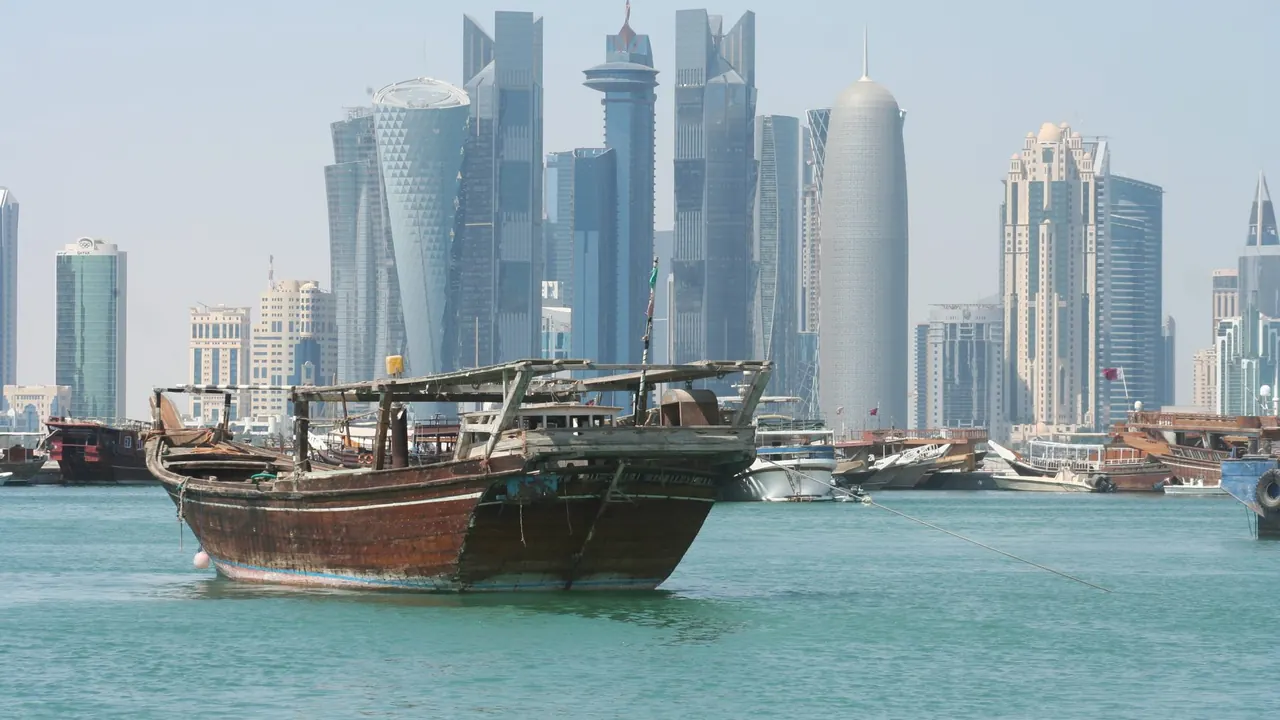
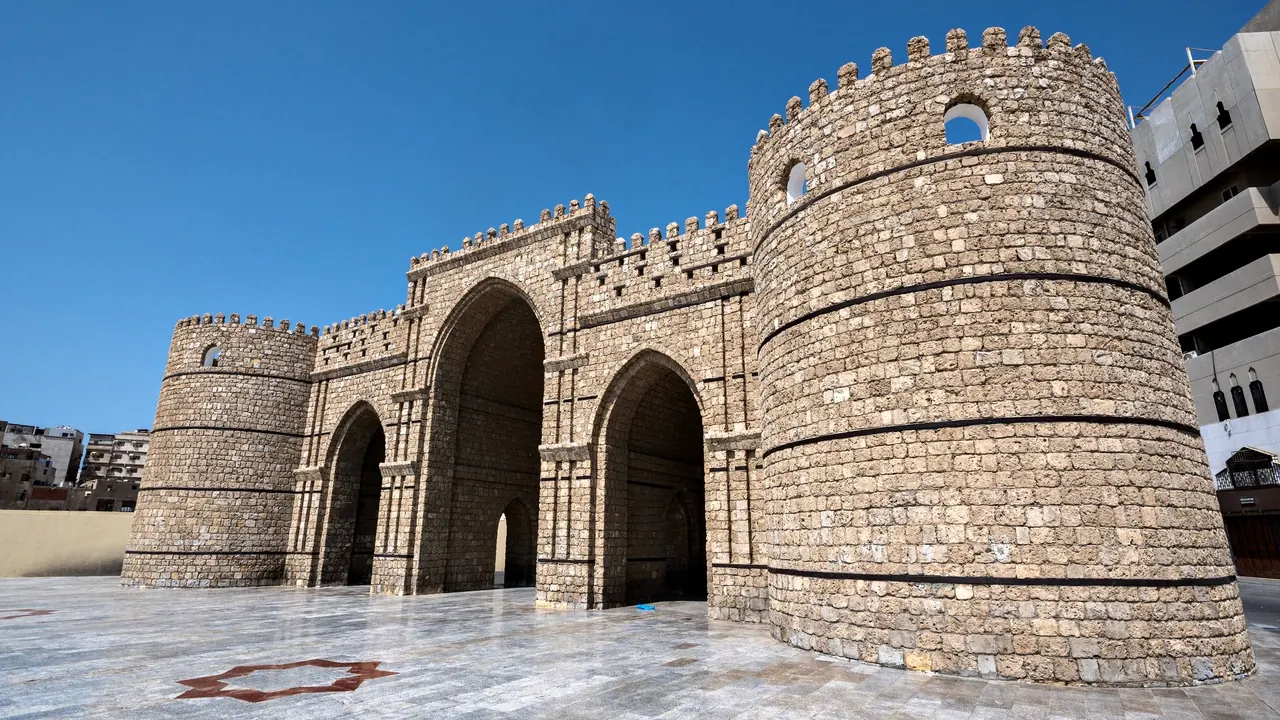
Photos: Doha by Gregory Hawken Kramer, CC BY-SA 4.0, cropped; Jeddah by xiquinhosilva, CC BY 4.0, cropped.
Doha or Jeddah?
Our verdict in twelve categories, each scored against the same fixed benchmark cities, and the climate month by month, so you can choose for your trip.
Choose Doha for
- getting around
- families
- culture and sights
Doha suits a first trip to the Gulf built around museums, comfort and ease. The Museum of Islamic Art and the National Museum give it a cultural core that Jeddah cannot match, the metro links most of the sights, and families get indoor theme parks, safe parks and calm hotel beaches. If you want a glass of wine with dinner, the hotels here serve one.
Choose Jeddah for
- nature and the outdoors
- day trips
- prices
Travellers drawn by the sea and a lived-in old town should look to Jeddah. Reefs start a few metres off the shore at Obhur, the water stays warm right through winter, and the coral-stone houses of Al-Balad are genuinely old, where Doha's souq is a careful rebuild. Day to day it also costs less, though you will spend a lot of time in taxis, and the city is entirely dry.
Scoreboard
Twelve categories on one fixed scale from 0 to 100. The shaded stretch is the gap between the two.
Your match
Pick a travel style or drag the sliders, and both match scores follow your weighting.
Too close to call, 1 point apart
Wins on getting around and families with your weighting.
Wins on nature and the outdoors and day trips with your weighting.
What matters to you?
Category by category
What the scores mean for a trip.
Beaches & swimming
Both cities swim in warm, calm water, but Jeddah has the better sea. The Red Sea is clear, reefs begin a few metres out, and the beach clubs at Obhur have jetties straight over the coral, so a swim easily turns into snorkelling. You pay to get in, and the public corniche is for strolling rather than swimming.
Doha's Gulf is shallow and placid, with no reef to explore. It is best for a lazy dip at the groomed hotel beaches of West Bay and The Pearl or on the quiet shore at Al Wakrah. A beach day there is a break between other plans, though the drive to Sealine, where dunes run into the sea, has no equivalent in Jeddah.
Food & drink
The two cities eat equally well, but differently. Jeddah has a cuisine of its own, Hejazi cooking shaped by centuries of pilgrims, with mandi, mutabbaq and saleeg, and a fish market where the morning catch is grilled for you. Most of Doha's food comes from the people who have settled there: South Asian grills, Levantine and Iranian kitchens and karak tea, with Qatari machboos around Souq Waqif.
The other difference is drink. Doha's luxury hotels serve wine and beer with their international menus. Jeddah has no alcohol anywhere, and its evenings run on cardamom coffee and speciality cafés instead.
Culture & sights
Doha comes out ahead on its museums. The Museum of Islamic Art holds one of the world's great collections, Jean Nouvel's National Museum is a sight in itself, and Mathaf adds modern Arab art. Its old quarter, though, is largely reconstruction.
In Jeddah the balance is reversed. Al-Balad is the real thing, a UNESCO-listed quarter of coral-stone houses with carved rawasheen balconies. Beyond it and the floating mosque on the corniche, though, the museums are few and small. Either city takes two or three days to see.
Nightlife
Neither city suits a big night out, but in Doha you can at least get a drink. Licensed hotel bars, rooftop lounges over West Bay and a few hotel clubs with visiting DJs make a small, polished scene. Jeddah has nothing like it, because alcohol is not sold there at all.
Beyond that, evenings in the two cities look much alike: families and friends out past midnight with shisha and tea. In Doha they gather at Souq Waqif and Katara, and in Jeddah along the corniche and in the cafés and dessert shops of the northern districts.
Nature & outdoors
Jeddah has far more to offer outdoors, and most of it is underwater. Reefs with walls, wrecks and plenty of fish run along the coast, dive boats leave from Obhur, and the northern creek is the place for kitesurfing and sailing. Inland, the escarpment roads up to Taif lead to terraced slopes, baboons and cooler air.
Doha's flat gravel peninsula has almost none of this. The real outings are the dune drive to Khor Al Adaid and a kayak among the Al Thakira mangroves. Otherwise you are left with early-morning walks on the Corniche and in Aspire Park.
Day trips
Jeddah gives you more reasons to leave the city. Taif, about two hours up in the mountains, has rose farms, old palaces and cooler air. Muslim visitors can reach Mecca in about an hour by high-speed train, and Medina makes a longer day by train. Non-Muslims may not enter Mecca.
Qatar is too small for much of this. The ruined pearling town of Al Zubarah and its fort are worth the drive. Beyond that, most visitors see the rest of the country on a single desert tour.
Good for families
Both cities welcome children late into the evening, but Doha is easier with them. Indoor theme parks in the malls and at Doha Oasis, large water parks and the hands-on sports museum fill the hot hours. The metro cuts down on car journeys, and the shallow hotel beaches suit the smallest swimmers.
In Jeddah, family life centres on the corniche, with playgrounds, lawns, an aquarium and a seafront amusement park. You will need a car with child seats, pavements are patchy, and the reef-edged beach clubs suit confident swimmers more than toddlers.
Getting around
Doha has a driverless metro whose three lines reach Souq Waqif, Msheireb, the National Museum, West Bay, Katara and Lusail, so you need far fewer taxis. Walking still works only in a few districts, and only in the cooler months.
Jeddah has no metro and no buses a visitor can really use. Every journey beyond Al-Balad or a stretch of the corniche means a ride-hailing car, a taxi or a hire car, through heavy traffic at rush hour. Its high-speed trains serve Mecca and Medina, not journeys within the city.
Shopping & style
The two shop in much the same way, with giant air-conditioned malls full of international and luxury brands, and an old souq for gold sold by weight, oud and perfume. The difference is between polish and authenticity.
Doha's malls are the more theatrical, with Venetian-style canals and rows of designer flagships at Lusail and The Pearl. Souq Waqif is a careful rebuild, but it keeps a falconry trade, with lanes selling hoods, perches and other gear for the birds. Al-Balad's souks, by contrast, stand in a genuinely historic quarter, where perfumes are blended to order and bargaining is expected.
Affordability
Jeddah is easier on the wallet. Hotels are mid-range, cheap fuel keeps the taxis you depend on inexpensive, and grilled fish and ful at simple restaurants cost little. The costs that add up are entry to the Obhur beach clubs and dinners in the fashionable northern districts.
In Doha the big expense is the room, since most visitors stay in West Bay or Lusail hotels priced like other wealthy Gulf cities. Hotel drinks and dinners come on top. If you eat in the souq canteens and ride the metro, the gap narrows.
Live music & performing arts
Doha has the edge, mainly because it has a resident orchestra and the venues to match. The Qatar Philharmonic plays in the opera house at Katara, the amphitheatre there hosts concerts in the cooler months, and the National Convention Centre takes touring musicals.
Jeddah has no opera or concert season. Live performance comes as cool-season events, such as arena shows by Arab pop stars and comedy, along with Hejazi oud music and mizmar stick dancing at heritage events in Al-Balad. In both cities, check what is on before you go.
Wellness & relaxation
Neither city has a bathing tradition of its own, so in both it comes down to hotel spas, and Doha's are better. Its luxury hotels in West Bay, Lusail and The Pearl run high-standard spas with Arabic-style hammam rooms, the city is calm and orderly by day, and a resort on the north coast offers retreats built on Arabic and Islamic healing.
Jeddah's spas offer similar treatments, often separated by gender, and the city's traffic and heat are far from restful. For a quiet few days, stay at a seafront resort in Obhur.
When should you go?
Pick your month. The climate figures are measured averages, not a forecast.
Doha in July
Jeddah in July
Daytime high, °C
Rainfall in the month, mm
Temperature and rainfall are climate normals, averaged over the years shown. Doha: 1991-2020 (sunshine 1981-2010) normals, Doha International Airport (5.5 km from centre). Jeddah: 1991-2020 normals, Jeddah King Abdul Aziz International Airport (19.1 km from centre).
Both cities are best visited in winter, but their winters feel different. Doha has a real cool season. January highs around 23°C make December to March ideal for walking the souq and the Corniche, but the Gulf drops to about 20°C, which is fresh rather than warm for a swim. March, April and November are the better beach months there. Jeddah stays noticeably warmer through the same months, and the Red Sea holds near 26°C, so winter is its best time for snorkelling and the beach clubs. Al-Balad is still most comfortable in the late afternoon. November brings Jeddah's only real rain, around 30mm.
From May to September both are too hot for comfort. Doha is the harsher of the two, with highs above 40°C and a sea too warm to cool you. Jeddah's summer is slightly less fierce by the thermometer but humid. Both get strong sunshine all year, and Doha is the sunnier of the two in summer.
Which traveller are you?
For a culture and arts trip, Doha is the clear choice. I. M. Pei's Museum of Islamic Art, the National Museum and Mathaf make a far stronger museum circuit than anything in Jeddah, and the Qatar Philharmonic at Katara adds the occasional evening concert.
On an outdoors trip, Jeddah wins easily, as long as you are happy in the water. Snorkellers and divers reach coral without a long boat ride, sailors and kitesurfers have the sea on their doorstep, and the mountains offer a cooler day inland. Doha has little beyond a dune drive.
On a trip on a tight budget, Jeddah makes the money last longer. Shawarma and Al-Balad's street snacks cost little, and with no alcohol there is no bar bill. Avoid Ramadan and the pilgrimage peaks, when rooms climb. In Doha, the hotel alone swallows much of the budget.
Before you go
| Measure | Doha | Jeddah |
|---|---|---|
| Official language | Arabic | Arabic |
| Currency | Qatari Rial (QAR) | Saudi Riyal (SAR) |
| Sockets | G240 V, 50 Hz | G60 Hz |
| Driving side | Right | Right |
| Time zone | UTC+3 | UTC+3 |
| Emergency number | 999 | 112 or 911 |
| Elevation | 0 m | 7 m |
| Main airport | Hamad International Airport (DOH)8 km from centre196 non-stop destinations | King Abdulaziz International Airport (JED)17 km from centre147 non-stop destinations |
By the numbers
| Measure | Doha | Jeddah |
|---|---|---|
| City population | 1,186,023 | 4,697,000 |
| People per km² | 8,985 | 860 |
| Museums within 10 km | 6 | 2 |
| UNESCO World Heritage sites within 50 km | 0 | 1 |
| Swim season, months above 21 °C | 9 months | 12 months |
Where else could you go?
Every comparison below shares a destination with this one, so you can follow Doha or Jeddah somewhere new.