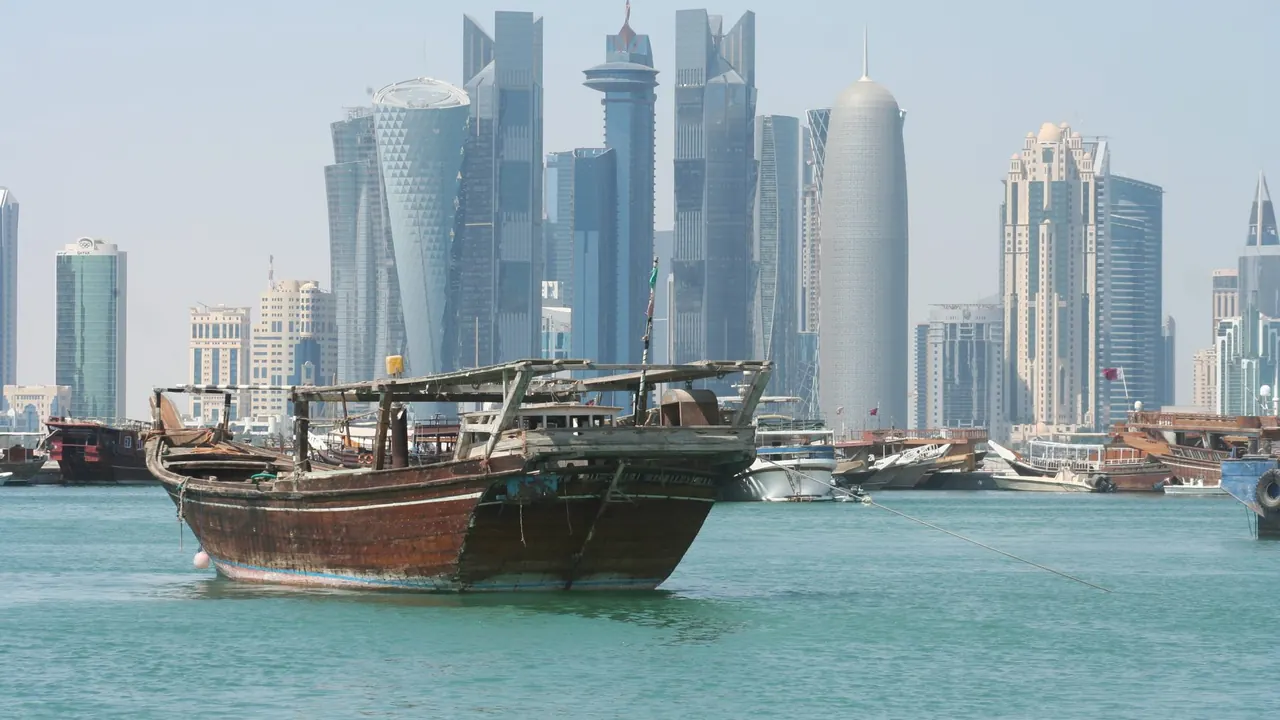
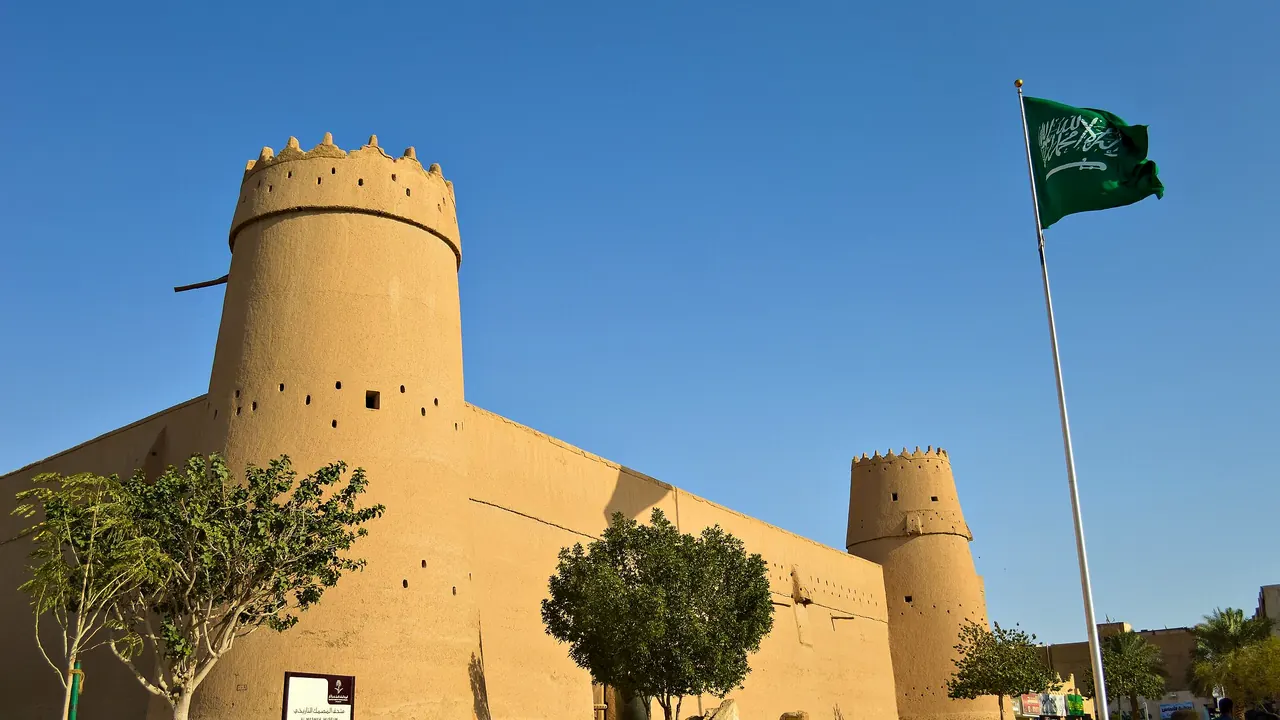
Photos: Doha by Gregory Hawken Kramer, CC BY-SA 4.0, cropped; Riyadh by Francisco Anzola, CC BY 2.0, cropped.
Doha or Riyadh?
Our verdict in twelve categories, each scored against the same fixed benchmark cities, and the climate month by month, so you can choose for your trip.
Choose Doha for
- beaches
- families
- wellness
Doha suits a winter trip that mixes a few days of serious museums with time on the sand and calm evenings. The Museum of Islamic Art and the National Museum are the two strongest single sights on this page, the hotel beaches of West Bay and The Pearl give you a warm, sheltered sea, and the metro, the family attractions and the resort spas make it easy going. It is also the only one of the two where you can order a drink with dinner, though only in a hotel.
Choose Riyadh for
- nature and the outdoors
- day trips
- prices
Riyadh is the better pick if you're curious about the Arabian heartland itself and happy to spend your days in the desert rather than by the water. The mud-brick citadel of At-Turaif in Diriyah, the escarpment at the Edge of the World, red dunes for an overnight camp and the old village of Ushaiger give it far more to do beyond the city limits. There is no sea and no alcohol, and you will be in a car or taxi most of the time.
Scoreboard
Twelve categories on one fixed scale from 0 to 100. The shaded stretch is the gap between the two.
Your match
Pick a travel style or drag the sliders, and both match scores follow your weighting.
Wins on beaches and families with your weighting.
Wins on nature and the outdoors and day trips with your weighting.
What matters to you?
Category by category
What the scores mean for a trip.
Beaches & swimming
Doha has a real sea. The Gulf here is warm, shallow and calm, and the hotel and resort beaches in West Bay and on The Pearl have groomed sand and shade. There are also public stretches at Katara and further south at Al Wakrah and Simaisma. It works well for an afternoon between museums rather than a whole beach vacation, and the dunes running into the water at Sealine are an hour's drive away.
Riyadh is on the central plateau, some 400km from the coast, so there is no sea or lake to swim in. A hotel pool, a resort day pass or a water park is the limit, and anyone who wants salt water has to plan a separate stay on the coast.
Food & drink
The two are close for food, but what you eat is different. In Doha you mostly eat the cooking of the people who live there: South Indian and Pakistani grills, biryani and parotta, karak tea, Levantine and Iranian kitchens, and fresh Gulf seafood. Qatari machboos is easiest to find around Souq Waqif. The hotel restaurants of West Bay and Lusail add big international names and the city's only wine.
Riyadh's food is more rooted in the region. Najdi kabsa, mandi and jareesh come on shared platters, often with floor seating, and Arabic coffee with dates is offered almost everywhere. There are specialty coffee shops along Olaya and date markets worth a wander. There is no alcohol anywhere, and street food is limited.
Culture & sights
Doha has the stronger museums. I. M. Pei's Museum of Islamic Art holds a world-class collection, and Jean Nouvel's National Museum, shaped like a desert rose, is a sight in itself. Mathaf adds modern Arab art. Very little of the old town survives, though, and Souq Waqif is a reconstruction.
Riyadh has less to show in its galleries but more genuine old building. At-Turaif in Diriyah, the UNESCO-listed mud-brick citadel above Wadi Hanifah, plus Masmak Fort and the Murabba Palace, show real Najdi architecture. The National Museum next door covers Arabian history clearly. Either city takes two or three days to see.
Nightlife
If you want a drink, Doha has more on offer, though it is a small, smart scene. Licensed hotel bars, rooftop lounges looking over West Bay and a few hotel clubs with visiting DJs are all there is, and there is no bar street to wander.
In Riyadh there is no alcohol at all, so going out means coffee shops, dessert cafés and open-air entertainment zones, plus the odd big festival or alcohol-free club night. In both cities the real evening life is sober and runs past midnight in winter: shisha and dinner around Souq Waqif and the Corniche in Doha, and cafés and malls in Riyadh.
Nature & outdoors
Riyadh has much more landscape to explore. The Edge of the World, a sheer limestone escarpment on the Tuwaiq range, is about two hours away by four-wheel drive and looks out over an ancient seabed. Closer in, the red dunes east of the city are used for quad biking and overnight camps, and Wadi Hanifah gives you a long green corridor for walking and cycling.
Doha sits on a flat gravel peninsula with a built-up shore. Its best outings are the dune drive to Khor Al Adaid, the Inland Sea on the Saudi border, and kayaking among the mangroves at Al Thakira. Otherwise you are limited to the Corniche and Aspire Park.
Day trips
From Riyadh you can reach real old settlements. Ushaiger, a restored mud-brick village with palm gardens about two hours north-west, pairs well with the traditional Najdi houses in Shaqra's old quarter. Most other excursions head into the desert.
Qatar is so small that Doha has little to visit beyond it. The ruined pearling town of Al Zubarah and its fort, about an hour and a half away, is the one heritage site. Al Wakrah's rebuilt souq and the empty fishing village of Al Jumail don't fill a day, and most visitors cover the rest of the country in a single desert tour.
Good for families
Doha is the easier city with children. The big malls and Doha Oasis have indoor rides and roller coasters, there are large water parks and hands-on galleries at the sports museum, and the hotel beaches are calm and shallow enough for toddlers. It is very safe, and the metro takes some of the strain off getting around.
Riyadh welcomes children just as warmly, with mall amusement parks, ice rinks, a zoo and the parks along Wadi Hanifah. However, the few pavements and long car journeys wear on small children, and the desert camps with camel rides suit older ones best. In both cities summer keeps everyone indoors, so come in winter.
Getting around
Doha's three driverless metro lines reach most of what a visitor wants, including Souq Waqif, Msheireb, the National Museum, West Bay, Katara and Lusail. You can see a fair amount without a car, though the Museum of Islamic Art is a short walk from the nearest station.
Riyadh also has a metro, along Olaya, King Abdullah Road and out to the airport, but the sights are spread so far apart that the last stretch usually means a taxi or a ride-hailing car. In both cities walking is limited to a few compact areas in the cooler months: the souq and Corniche in Doha, and the area around Masmak Fort and Diriyah in Riyadh.
Shopping & style
Shopping is much alike, with a souq for tradition and giant malls for brands, but the specialities differ. Doha's Souq Waqif is a maze of spices, frankincense, oud and falconry gear beside a Gold Souq where jewellery is sold by weight. Its themed malls and designer flagships cluster in Lusail and on The Pearl.
Riyadh's luxury floors are in the Kingdom Centre and Al Faisaliah, and its local specialities are abayas and perfume from dedicated perfume houses. Souq Al Zal is the place for carpets, antiques and daggers, and it is busiest in the evening. In both cities independent boutiques are scarce.
Affordability
Overall costs are much the same, with hotel rooms making up most of the bill in both. Doha's international hotels in West Bay and The Pearl are priced like the wealthy Gulf, and alcohol in hotel bars costs far more than in Europe. The souq canteens, karak tea and the metro are very cheap, though.
Riyadh's hotels are priced for business travel, especially around Olaya, and its mid-range restaurants and entertainment zones aren't cheap either. What helps is that the main museums and heritage sites are free or modest, and there is no bar bill to run up. The South Asian eateries are as cheap as Doha's.
Live music & performing arts
Neither city has a steady stage scene, but Doha has a resident orchestra. The Qatar Philharmonic plays in the opera house at Katara, whose amphitheatre also hosts winter concerts, and the convention centre brings in touring musicals and comedy.
Riyadh has no orchestra or opera of its own. Its live performance comes in winter bursts, with big Arab and international concerts and outdoor festivals in arenas and temporary venues. In both cities the ardah sword dance belongs to national celebrations rather than a nightly programme.
Wellness & relaxation
Doha is the more restful place. The daytime pace is calm, and in winter it is easy to combine a beach, a pool and a hotel spa with hammam rooms and scrubs. A wellness resort based on Arabic and Islamic healing practices on the north coast offers a longer retreat.
Riyadh's hotel spas offer massages and Moroccan-style hammam treatments, usually with separate facilities for men and women. The city around them is hot, sprawling and heavy with traffic, so the best chances to unwind are a night at a desert camp or a winter evening in the palm groves around Diriyah.
When should you go?
Pick your month. The climate figures are measured averages, not a forecast.
Doha in July
Riyadh in July
Daytime high, °C
Rainfall in the month, mm
Temperature and rainfall are climate normals, averaged over the years shown. Doha: 1991-2020 (sunshine 1981-2010) normals, Doha International Airport (5.5 km from centre). Riyadh: 1991-2020 normals, Riyadh (8.9 km from centre).
The two cities share a desert calendar. Roughly November to March is the season for both, and from June to September daytime highs of 43°C make walking the streets hard going in either city. Doha is the slightly milder and sunnier of the two in winter, with January highs around 23°C and only light showers between December and March. For the beach, April and November are the best months, when the air is warm without being punishing and the Gulf is comfortable to swim in. In midwinter the sea drops to about 20°C, and by August it reaches 34°C and no longer cools you.
Riyadh is a degree or two cooler in December and January, with highs near 21°C, and its desert nights turn cold, so winter is the time for camping and stargazing. Its rain is still slight, but it is spread over a longer stretch. Showers are possible in any month from November to April, with March and April a little wetter than the rest, so winter and spring are less reliably dry than in Doha. From May onwards the heat closes in on both cities at much the same pace.
Which traveller are you?
For a beach and sun trip, Doha is the only real choice. It has a calm, shallow sea, groomed hotel beaches in West Bay and on The Pearl, and quiet shores at Al Wakrah. Riyadh lies 400km inland, so swimming there means a pool or a water park.
On an outdoors trip, Riyadh gives you much more to do. You can drive to the cliffs at the Edge of the World, camp among red dunes, and walk or cycle the palm-lined Wadi Hanifah. Around Doha the land is flat and built over, and the Inland Sea is the one big outing.
On a family trip with children, Doha is easier. Its malls hold indoor theme parks, it has large water parks and shallow beaches for small children, and the metro cuts down on taxis. In Riyadh, everything is spread out and needs a car, and the desert camps suit older children best.
Before you go
| Measure | Doha | Riyadh |
|---|---|---|
| Official language | Arabic | Arabic |
| Currency | Qatari Rial (QAR) | Saudi Riyal (SAR) |
| Sockets | G240 V, 50 Hz | G60 Hz |
| Driving side | Right | Right |
| Time zone | UTC+3 | UTC+3 |
| Emergency number | 999 | 112 or 911 |
| Elevation | 0 m | 612 m |
| Main airport | Hamad International Airport (DOH)8 km from centre196 non-stop destinations | King Khalid International Airport (RUH)36 km from centre117 non-stop destinations |
By the numbers
| Measure | Doha | Riyadh |
|---|---|---|
| City population | 1,186,023 | 7,009,100 |
| People per km² | 8,985 | 3,898 |
| Museums within 10 km | 6 | 5 |
| UNESCO World Heritage sites within 50 km | 0 | 1 |
| Swim season, months above 21 °C | 9 months | - |
Where else could you go?
Every comparison below shares a destination with this one, so you can follow Doha or Riyadh somewhere new.