Doha or Dubai?
Two destinations compared in twelve categories, each scored against the same fixed benchmark cities. Weight what matters to you and the verdict follows.
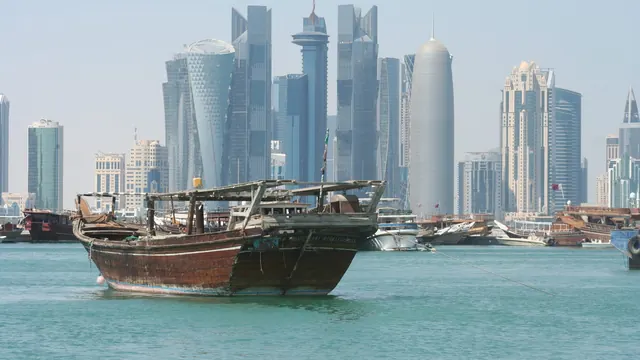
Photo: Gregory Hawken Kramer, CC BY-SA 4.0, cropped
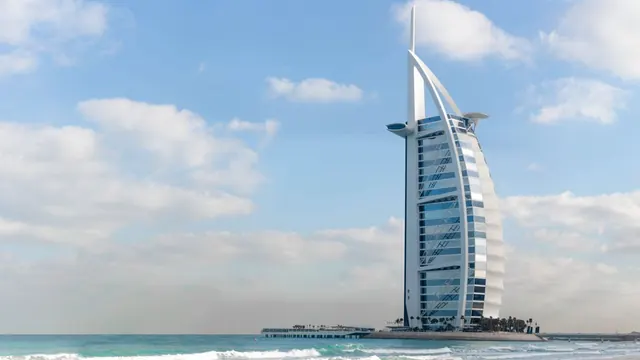
Photo: Aleksandar Pasaric, Pexels License
Your match
Wins on culture and sights and prices with your weighting.
Wins on nightlife and day trips with your weighting.
What matters to you?
Pick a travel style or drag the sliders. The match scores above update as you do.
The verdict
Doha suits the traveller who wants a calmer, more contained Gulf stay built around a few outstanding museums. The Museum of Islamic Art and the National Museum of Qatar give it a cultural weight Dubai lacks, and its evenings are long, sober and sociable, spent over tea and dinner in Souq Waqif or along the Corniche. It is a good choice for a short, unhurried visit, and if you stay out of the hotel restaurants it is a little easier on the budget.
If you want more of everything, choose Dubai: better beaches, a much larger dining and nightlife scene, malls that people fly in for, and attractions that keep children busy for a week. It also has places to go beyond the city, with Abu Dhabi, Sharjah and the oases of Al Ain all within reach. Families, shoppers, beach-resort guests and anyone who wants a proper night out will get more from it.
Scoreboard
Our verdict on each category, scored 0 to 100 against fixed benchmark cities.
Category by category
What the scores mean for a trip to Doha or Dubai.
Beaches & swimming4580
Dubai is the real beach destination of the two. It has a long continuous strip of pale sand at Jumeirah, Kite Beach and JBR, and resort beaches on Palm Jumeirah that are often the whole point of the stay. The swimming is easy, and night swimming areas on some public beaches stretch the season into summer.
In Doha the beach is more of a pleasant break between other plans. The best sand is at hotels in West Bay and on The Pearl, with quieter public shores at Al Wakrah and Simaisma. Its one wilder option is Sealine, about an hour south, where the dunes meet the water.
Food & drink5576
Both cities eat mainly the food of their South Asian and Arab residents, and in both cities wine and beer are poured only in hotels. The difference is depth. Dubai has whole neighbourhoods of cheap canteens in Deira, Karama and Al Satwa, from Keralan fish curry to Afghan bread and Filipino breakfasts. At the top end it has celebrity-chef rooms and the long Friday brunch.
Doha's range is narrower but still good, with Kerala grills, Lebanese and Iranian kitchens and Gulf seafood. Qatari machboos and harees are easier to find there than Emirati food is in Dubai, served late on the terraces around Souq Waqif.
Culture & sights5540
Doha comes out ahead on museums. I. M. Pei's Museum of Islamic Art holds one of the world's great collections, and Jean Nouvel's National Museum of Qatar tells the peninsula's story with real ambition. Mathaf adds modern Arab art.
Dubai's sights are mostly spectacle: the Burj Khalifa, the Museum of the Future and the towers at dusk. Its old Creek quarter of Al Fahidi and Al Shindagha, with abras crossing to the Deira souks, does feel more lived-in than Doha's reconstructed Souq Waqif. Both reward two or three days, but Doha's days have more substance.
Nightlife2062
Dubai has a real night out, and Doha largely does not. In Dubai the licensed venues add up to a large scene: DJ clubs, rooftop bars above Sheikh Zayed Road, Palm beach clubs and the boozy weekend brunch, all glossy and expensive but plentiful.
Doha's drinking is confined to a handful of hotel bars and lounges in West Bay. Its evenings belong instead to families and friends lingering over shisha and tea in Souq Waqif, along the Corniche and at Katara until well after midnight.
Nature & outdoors725
Neither city is a place for the outdoors, but Dubai gives you more to do. The Hajar mountains around Hatta, about ninety minutes away, offer kayaking, bike trails and short hikes, and the red dunes inland are good for sandboarding and nights under the stars. Kitesurfing and paddleboarding fill the coast.
Doha sits on flat gravel desert, and its one memorable outing is the drive through the dunes to Khor Al Adaid, the Inland Sea. Mangrove kayaking at Al Thakira is the quieter alternative.
Day trips545
Dubai is the far better base for getting out of town. Abu Dhabi, with the Sheikh Zayed Grand Mosque and the Louvre on Saadiyat Island, makes a full day. Sharjah's heritage quarter and Museum of Islamic Civilization are right next door, and Al Ain's UNESCO-listed oases and mud-brick forts make a third strong outing.
Qatar is small, and Doha has little to send you to. The ruined pearling town of Al Zubarah and its fort are the one heritage site of note, and the waterfront souq at Al Wakrah and the abandoned village of Al Jumail don't fill a day.
Good for families6082
Dubai is the stronger family destination, with far more built for children, but Doha has a quieter case of its own. Its attractions are smaller and closer together: indoor rides at Doha Oasis and in the malls, the hands-on galleries of the Olympic and sports museum, and play areas in Aspire Park and MIA Park. Children stay part of the evening crowd at Souq Waqif and along the Corniche long after dark, which suits families who like to eat and stroll late.
Dubai can fill a week without repeating itself. The theme-park cluster near Jebel Ali with Legoland, the water parks on Palm Jumeirah, the aquarium in the Dubai Mall and the indoor skiing and snow play at the Mall of the Emirates cover every age from toddlers to teenagers. Its beaches are just as calm and shallow as Doha's, and resort kids' clubs give parents time to themselves. The catch is the spread, because each of these outings usually means a separate taxi ride along the coast.
Getting around4542
Getting around is much the same in both: a clean, cooled, driverless metro laid over a city built for cars, with taxis filling the gaps. Doha is more compact, and its three lines reach Souq Waqif, Msheireb, the National Museum, West Bay and Katara without long rides.
Dubai stretches some 50km along the coast, so journeys are longer. In return it has more variety, with the Marina tram and the wooden abras across the Creek, which are a pleasure in themselves.
Shopping & style6082
Dubai is where shoppers should go. The Dubai Mall and the Mall of the Emirates are destinations in their own right, the watch and jewellery trade is especially deep, and the winter Shopping Festival adds sales. In Deira the old Gold, spice and perfume souks are still working markets.
Doha offers the same two forms on a smaller scale: big branded malls and the rebuilt lanes of Souq Waqif. The souq is a good place for oud, frankincense, Arabic coffee pots and falconry gear. Independent shopping is scarce in both, though Dubai at least has Alserkal Avenue.
Affordability3832
Both are expensive Gulf cities, with costly hotels and some of the dearest drinks anywhere. Doha comes out slightly gentler overall, especially if you eat in the souq and the backstreets.
Dubai adds costs Doha lacks, since its observation decks and theme parks are a large part of a visit. It does have one real saving: hotel rates fall sharply in the hot summer months. In both cities the South Asian canteens and the metro keep daily spending low for anyone who avoids hotel dining.
Live music & performing arts3040
Doha has the resident orchestra. The Qatar Philharmonic plays in the opera house at Katara Cultural Village, and the amphitheatre there adds concerts and festivals in the cooler months. Apart from that, Doha depends on visiting productions at the convention centre, and in summer there is little on, so a short stay can easily pass without a show.
Dubai has no company of its own, but its touring calendar is fuller and more reliable. Dubai Opera brings in ballet, opera and musicals, the arena and outdoor venues host international pop and rock tours, and hotel lounges have resident jazz and cover bands. You can plan a trip around a particular show here in a way that is harder to do in Doha.
Wellness & relaxation3846
Neither city has a bathing tradition of its own, so in both, wellness means a luxury hotel spa with hammam rooms and scrubs. Dubai has the wider choice, with whole spa floors in the Palm and Jumeirah resorts and desert retreats an hour inland for silence and starry nights.
Doha's spas in West Bay, Lusail and The Pearl are of a similar standard. Its advantage is the city itself, which is quieter and calmer by day than traffic-heavy Dubai. It also has a retreat on the north coast built around Arabic and Islamic healing practices.
Which traveller are you?
On a culture and arts trip, Doha is the better pick. The Museum of Islamic Art, the National Museum of Qatar and Mathaf are more serious collections than anything in Dubai, and the city is easy to cover in two or three focused days.
For a food and nightlife trip, Dubai wins easily. The canteens of Deira and Karama, the Friday brunch, the rooftop bars and the DJ clubs add up to a far bigger evening than Doha's hotel bars and quiet late dinners in Souq Waqif.
On a family trip with children, Dubai has more to fill the days: Legoland, the aquarium in the Dubai Mall, indoor snow and resort kids' clubs on calm beaches. Doha welcomes children just as warmly but has fewer big attractions.
When should you go?
Pick the month you can travel and see both cities side by side. The climate figures are measured averages, not a forecast.
| July | Doha | Dubai |
|---|---|---|
| Daytime high | 43 °C | 42 °C |
| Night-time low | 33 °C | 33 °C |
| Rainfall in the month | 0 mm | 0 mm |
| Sea temperature | 33 °C | 33 °C |
| Daylight | 14 hours a day | 14 hours a day |
The two cities share a climate, and both are at their best from November to March. Doha is slightly cooler in the depths of winter, around 23°C by day in January, while Dubai runs a couple of degrees warmer, so in January and February Dubai is the more reliable choice for lying on the beach. The sea follows the same pattern. Doha's water drops to about 19°C in February, which is fresh for a long swim, while Dubai's stays nearer 23°C. Rain is rare in both cities and falls on only a few winter days.
From May the heat builds quickly in both, and from June to September Doha is a little hotter, reaching about 43°C. That is far too hot for walking the streets or spending the day on the sand. In those months the Gulf is as warm as a bath, and life moves into malls, hotels and the hours after dark. April and October are shoulder months, warm but still bearable early and late in the day.
The whole year
Each row is shaded against that destination’s own year, so the deepest cell is its best month for that figure and the palest its weakest. Shades are not comparable between the two rows.
Temperature and rainfall are climate normals, averaged over the years shown. Doha: 1991-2020 normals, Doha International Airport (5.5 km from centre). Dubai: 1991-2020 normals, Dubai International Airport (3.3 km from centre).
Getting there
| Flying from | Doha | Dubai |
|---|---|---|
| IstanbulIST, SAW | 3 h 55 m €321-368 DOH · 8 km | 4 h 15 m €175-294 DXB · 7 km |
| RiyadhRUH | 1 h 15 m no fares DOH · 8 km | 1 h 40 m €106-123 1 stop DXB · 7 km |
| MumbaiBOM, NMI | 3 h 20 m no fares DOH · 8 km | 2 h 55 m €201-238 1 stop DXB · 7 km |
| LondonLHR, LGW, STN, LTN +2 | 6 h 50 m no fares DOH · 8 km | 7 h 10 m €226-241 DXB · 7 km |
| New DelhiDEL | 3 h 40 m no fares DOH · 8 km | 3 h 15 m €247-331 DXB · 7 km |
| KochiCOK | 4 h 20 m no fares DOH · 8 km | 3 h 55 m no fares DXB · 7 km |
| IslamabadISB | 3 h 20 m no fares DOH · 8 km | 2 h 55 m €342-404 1 stop DXB · 7 km |
| JeddahJED | 2 h 15 m €239-317 1 stop DOH · 8 km | 2 h 40 m €154-180 1 stop DXB · 7 km |
| New YorkJFK, EWR, LGA | 13 h 20 m no fares DOH · 8 km | 13 h 35 m €476-487 DXB · 7 km |
| Sao PauloGRU, VCP, CGH, RTE | 14 h 35 m €1,281-1482 1 stop DOH · 8 km | 15 h 0 m no fares DXB · 7 km |
The busiest departure cities for these two, with a place kept for each other part of the world. Busiest means arriving passengers where an official count exists, and where none does, the number of non-stop services flown: official route statistics are published by the European reporting countries and by nobody else, so a table ranked on them alone would offer a reader in New York or Tokyo ten European cities. Flying times are estimated from the distance between airports, and every row is a city flown non-stop to both. Where the typical offer connects anyway, the stops are shown. Under each figure is the airport the flight lands at and how far that is from the centre, because the nearest airport is not always the one a route is flown to. Where both columns name the same airport it is one flight, and the difference between the two is the distance printed beside it. Typical return fares for 2026-10 to 2026-12, cached market data up to 7 days old. The figure is the middle half of the offers found, so a single price means they agreed and a range means they did not; for a typical route that middle half spans about a quarter of the median, and for the least settled routes rather more than the median itself.
Before you go
| Measure | Doha | Dubai |
|---|---|---|
| Official language | Arabic | Arabic |
| Currency | Qatari Rial (QAR) | UAE Dirham (AED) |
| Sockets | G240 V, 50 Hz | CG220 V, 50 Hz |
| Driving side | Right | Right |
| Time zone | UTC+3 | UTC+4 |
| Emergency number | 999 | 112 |
| Elevation | 0 m | 0 m |
| Main airport | Hamad International Airport (DOH)8 km from centre195 non-stop destinations | Dubai International Airport (DXB)7 km from centre294 non-stop destinations |
By the numbers
| Measure | Doha | Dubai |
|---|---|---|
| City population | 1,186,023 | 3,944,751 |
| People per km² | 8,985 | - |
| Museums within 10 km | 6 | 14 |
| UNESCO World Heritage sites within 50 km | 0 | 0 |
| Swim season, months above 21 °C | 9 months | 12 months |
Where else could you go?
Every comparison below shares a destination with this one, so you can follow Doha or Dubai somewhere new.