Photos: Abu Dhabi by Jeffry Surianto, Pexels License; Dubai by Aleksandar Pasaric, Pexels License.
Abu Dhabi or Dubai?
Our verdict in twelve categories, each scored against the same fixed benchmark cities, and the climate month by month, so you can choose for your trip.
Choose Abu Dhabi for
- culture and sights
- prices
- nature and the outdoors
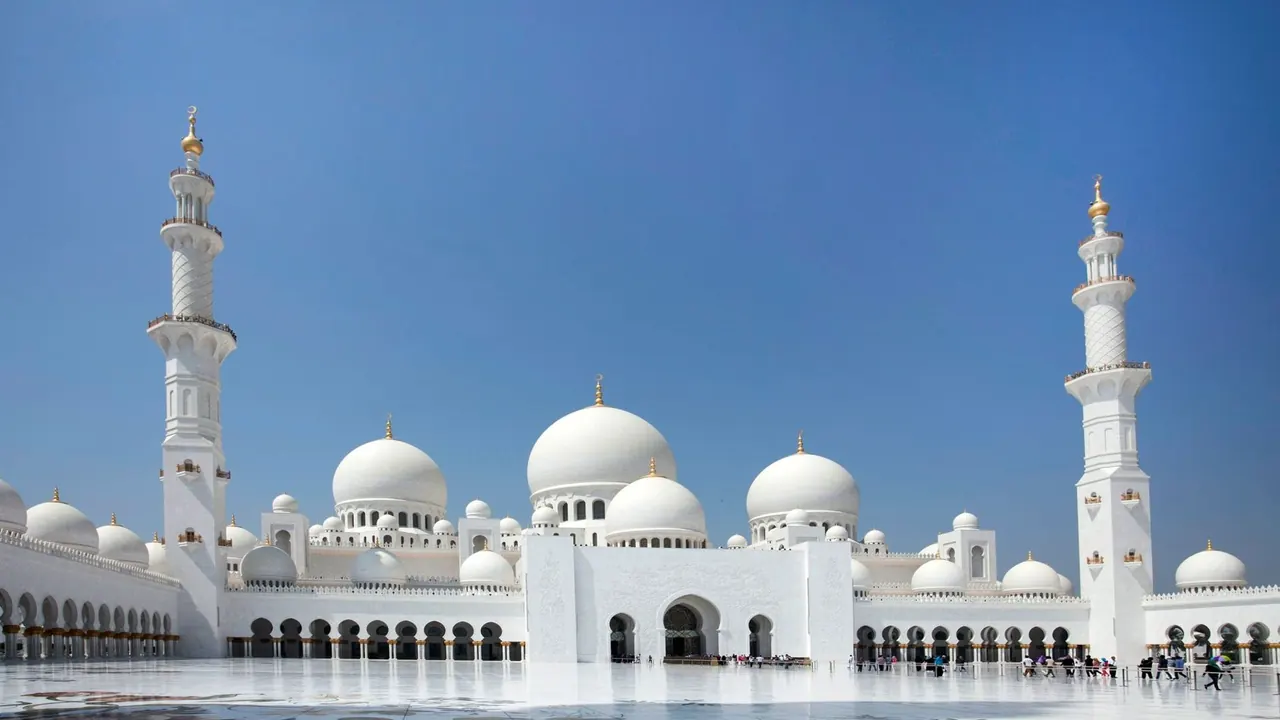
Abu Dhabi suits the traveller who wants a calmer, slower Gulf stay built around a few great visits. The Grand Mosque, the Louvre on Saadiyat and the halls of Qasr Al Watan fill the days, and a natural beach backed by dunes fills the rest. Evenings are quiet, the food scene is smaller and every trip means a taxi, but it rewards people who come for sights and rest rather than a night out.
Choose Dubai for
- shopping
- nightlife
- food and drink
Choose Dubai if the trip is about appetite and energy. You can eat your way through the canteens of Deira and Karama, go out to big clubs and rooftop bars, and shop in malls and gold souks that are a reason to travel in themselves. The metro also makes a short stay easier to manage. What it lacks is depth of sights, since most of them are modern spectacle and the old Creek takes only a day or two.
Scoreboard
Twelve categories on one fixed scale from 0 to 100. The shaded stretch is the gap between the two.
Your match
Pick a travel style or drag the sliders, and both match scores follow your weighting.
Wins on culture and sights and prices with your weighting.
Wins on shopping and nightlife with your weighting.
What matters to you?
Category by category
What the scores mean for a trip.
Beaches & swimming
The two coasts are closely matched. Both have pale sand and calm, shallow Gulf water that you can swim in all year but that is too warm by midsummer. The difference is in character. Abu Dhabi's finest beach, on Saadiyat, is wide and natural, backed by dunes where hawksbill turtles nest, and it also has a lifeguarded strip along the downtown Corniche.
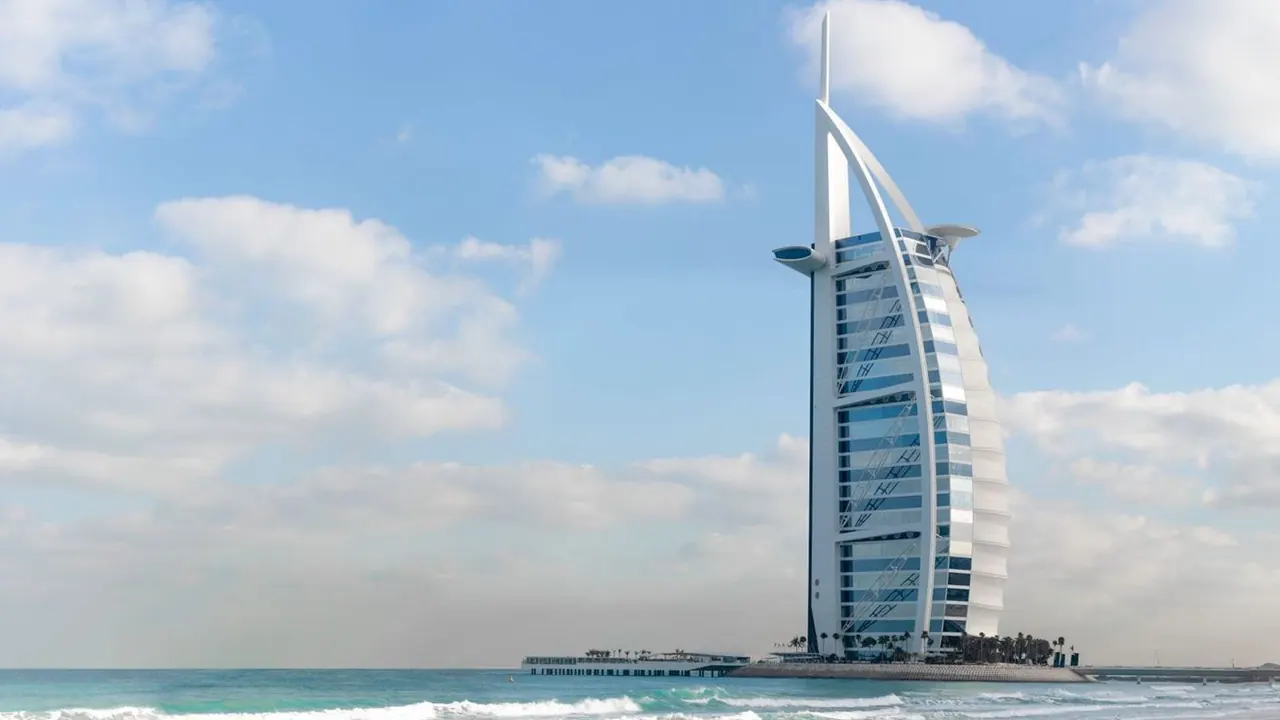
Dubai's shore is engineered. Its public beaches at Jumeirah, Umm Suqeim and JBR look out on the Burj Al Arab and the Marina towers, and some have night swimming areas for the summer. Kite Beach also makes wind sports part of a beach day, which Abu Dhabi does not offer.
Food & drink
Both cities have the same two layers: hotel dining rooms and Friday brunch at the top, cheap Keralan, Pakistani and Arab kitchens below. Dubai has much more of both. Its canteens in Deira, Karama and Al Satwa add Afghan bread, Iranian kebabs and Filipino breakfasts, its shawarma counters run late, and the celebrity-chef rooms of DIFC and Downtown widen the top end.
In Abu Dhabi, cheap eating is concentrated in the older downtown blocks, and the best food morning is the fish and date markets at Mina Zayed. In both cities Emirati machboos and luqaimat take some seeking out, and alcohol stays inside licensed venues.
Culture & sights
Abu Dhabi has the more important visits. The Sheikh Zayed Grand Mosque is one of the great buildings of the Gulf, and the Louvre Abu Dhabi tells the story of world art under its perforated dome. Qasr Al Watan and the old Qasr Al Hosn fort round out a short but serious list.
Dubai's sights lean towards spectacle: the Burj Khalifa decks, the Museum of the Future and the skyline at dusk. Its strength is the old Creek, where the wind-tower houses of Al Fahidi and the abra ride to the Deira souks give a street-level feel that Abu Dhabi's thin old town lacks. Even so, two or three days covers it.
Nightlife
Both cities keep drinking inside licensed hotels and venues, with no bar street and strict rules on public drunkenness. Within those limits Dubai offers a real night out. It has big-name DJ clubs, rooftop bars above Sheikh Zayed Road and the Marina, beach clubs on Palm Jumeirah and a boozy weekend brunch that runs into the evening.
Abu Dhabi's version is much smaller: hotel lounges, pubs and a few clubs clustered on Yas and Al Maryah Island, which liven up on race and concert weekends. For most visitors there, an evening means a long dinner, shisha or a walk on the Corniche once the heat lifts.
Nature & outdoors
Neither city is a nature destination, and in both the heat rules out most outdoor activity from May to September. Abu Dhabi's draw is quiet water, with kayak routes and boardwalks through the mangroves at Jubail and on the east of the main island. Its only real hill is Jebel Hafeet near Al Ain.
Dubai leans towards desert and sport. The red dunes of Al Marmoom and Lahbab are good for sandboarding and a night under the stars, Kite Beach has kitesurfing, and the Hajar mountains around Hatta offer kayaking on the dam and bike trails.
Day trips
The two share a short list, and each is the other's best outing. From Abu Dhabi, Dubai's skyline and Deira souks are about an hour and a half up the coast, and Dubai's top day out is the same drive in reverse, for the mosque and the Louvre.
Location decides the rest. Sharjah's museums and heritage quarter sit right next to Dubai but make a long day from Abu Dhabi. The oasis palm groves and mud-brick forts of Al Ain are a day out from either city.
Good for families
Both are easy places to bring children. They are very safe and warm towards children, and full of resorts with kids' clubs and calm sea in front. Abu Dhabi gathers its big parks together on Yas Island: the Ferrari park, the Warner Bros world, a water park and a marine park. That means several days of rides from one base.
Dubai spreads its attractions across the city, with Legoland near Jebel Ali, water parks on the Palm and in Jumeirah, the aquarium in the Dubai Mall and indoor snow at the Mall of the Emirates. In both cities, summer moves family life indoors and most outings need a taxi.
Getting around
In Abu Dhabi, almost every visit means a taxi. Its major sights are spread over separate islands, so a day at the mosque and the Louvre, or a run of days at the Yas parks, is a series of rides. Buses are no real option for a visitor. Taxis and ride-hailing are easy and reliable, and some people hire a car. Walking is mostly limited to the Corniche on a cool winter evening.
Dubai is just as spread out, but its metro covers the main things a short stay needs: the airport, Downtown, the Marina and the old quarters on either side of the Creek. The abra crossing is a sight in its own right. The beaches, the Palm and the theme parks are still taxi trips. Summer heat cuts walking short in both cities, and Dubai's few pleasant areas to walk are the Marina, Al Fahidi and Downtown.
Shopping & style
Shopping is a reason to go to Dubai, but only a sideline in Abu Dhabi. The Dubai Mall and the Mall of the Emirates hold almost every brand, and the jewellery and watch trade is especially deep. Deira's gold, spice and perfume souks and the textile souk in Bur Dubai add the older trade that visitors tend to remember.
Abu Dhabi has big malls on Yas and by the Corniche, with luxury houses on Al Maryah Island. For dates, oud and carpets there is Qaryat al Beri, the Central Market and the Iranian souk by the port. Neither city has much independent shopping at street level, though Alserkal Avenue gives Dubai a few design studios.
Affordability
Neither city is cheap, but Abu Dhabi asks a little less. The gap shows mostly in hotels: Abu Dhabi's chain hotels are often good value for their standard outside the winter peak, while Dubai's beach resorts and Downtown rooms cost a lot in winter.
Otherwise the pattern is shared. Both have very cheap South Asian and Arab eateries and moderate taxis, and both charge heavily for drinks, hotel dining and theme parks. Dubai claws some of it back with a cheap metro and abras, and with hotel rates that fall sharply in summer.
Live music & performing arts
Dubai has the fuller stage, mainly because of the dhow-shaped Dubai Opera. Through the cooler months it hosts touring ballet, opera, musicals and orchestras, and the city adds arena tours and resident jazz in hotel lounges.
Abu Dhabi has no opera house. It relies on the Yas Island arenas for pop and comedy, the long-running Abu Dhabi Festival each spring, and concerts at the Cultural Foundation and on Saadiyat. Neither city has a resident orchestra, and in both the programme is concentrated in the cooler months.
Wellness & relaxation
Rest in both cities means a resort spa with hammam rooms and long treatment menus. Neither has public baths or springs of its own. What differs is the setting. Abu Dhabi's spas on Saadiyat sit on a slow, quiet island where a few lazy days come naturally.
Dubai's spas on the Palm and along Jumeirah are larger, with hydrotherapy pools and wider choice, but the city outside is fast and full of traffic. For real quiet, it has desert retreats an hour inland with silence and starry nights.
When should you go?
Pick your month. The climate figures are measured averages, not a forecast.
Abu Dhabi in July
Dubai in July
Daytime high, °C
Rainfall in the month, mm
Where the figures come from
Abu Dhabi's temperatures are measured 26 km from the centre, at Abu Dhabi International Airport.
Abu Dhabi has no rain gauge within 25 km of the centre, so its rainfall comes from a gridded climate dataset read at the city rather than from a gauge further away.
Temperature and rainfall are climate normals, averaged over the years shown. Abu Dhabi: 1991-2020 normals, Abu Dhabi International Airport (25.7 km from centre). Dubai: 1991-2020 normals, Dubai International Airport (3.3 km from centre).
Both cities have the same good season, from November to March. Daytime highs run from the mid twenties in midwinter to the low thirties at either end, so the coolest weeks, December to February, are the best for walking the streets. The Gulf stays pleasant for swimming through all of these months, a touch cooler in February. April is already hot, and from June to September both cities pass 40°C. Then the middle of the day is punishing, and with the sea above 30°C the water no longer cools you. Abu Dhabi runs slightly hotter at the peak, reaching 44°C in August against Dubai's 42°C.
Rain hardly matters in either city. Abu Dhabi's few showers come mostly in February and March, while Dubai gets its little rain in December and January. Abu Dhabi has strong sunshine in every month, so in both cities the choice of dates comes down to heat rather than weather.
Which traveller are you?
On a culture and arts trip, Abu Dhabi is the better base. The Sheikh Zayed Grand Mosque, the Louvre Abu Dhabi and Qasr Al Watan are the strongest visits in either city, while most of Dubai's sights are skyline and modern spectacle.
For a food and nightlife trip, Dubai wins clearly. Late-night canteens in Deira and Karama, ambitious hotel dining rooms and a polished scene of clubs and rooftop bars give its evenings far more range than Abu Dhabi's hotel lounges and shisha cafés.
On a shopping trip, choose Dubai. Its two giant malls, a deep jewellery and watch trade and the gold, spice and perfume souks of Deira make shopping a main event there. Abu Dhabi has big malls and a handful of markets.
Before you go
| Measure | Abu Dhabi | Dubai |
|---|---|---|
| Official language | Arabic | Arabic |
| Currency | UAE Dirham (AED) | UAE Dirham (AED) |
| Sockets | CG220 V, 50 Hz | CG220 V, 50 Hz |
| Driving side | Right | Right |
| Time zone | UTC+4 | UTC+4 |
| Emergency number | 112 | 112 |
| Elevation | 14 m | 0 m |
| Main airport | Zayed International Airport (AUH)26 km from centre147 non-stop destinations | Dubai International Airport (DXB)7 km from centre294 non-stop destinations |
By the numbers
| Measure | Abu Dhabi | Dubai |
|---|---|---|
| City population | 1,570,000 | 3,944,751 |
| People per km² | 1,615 | - |
| Museums within 10 km | 3 | 14 |
| UNESCO World Heritage sites within 50 km | 0 | 0 |
| Swim season, months above 21 °C | 11 months | 12 months |
Where else could you go?
Every comparison below shares a destination with this one, so you can follow Abu Dhabi or Dubai somewhere new.