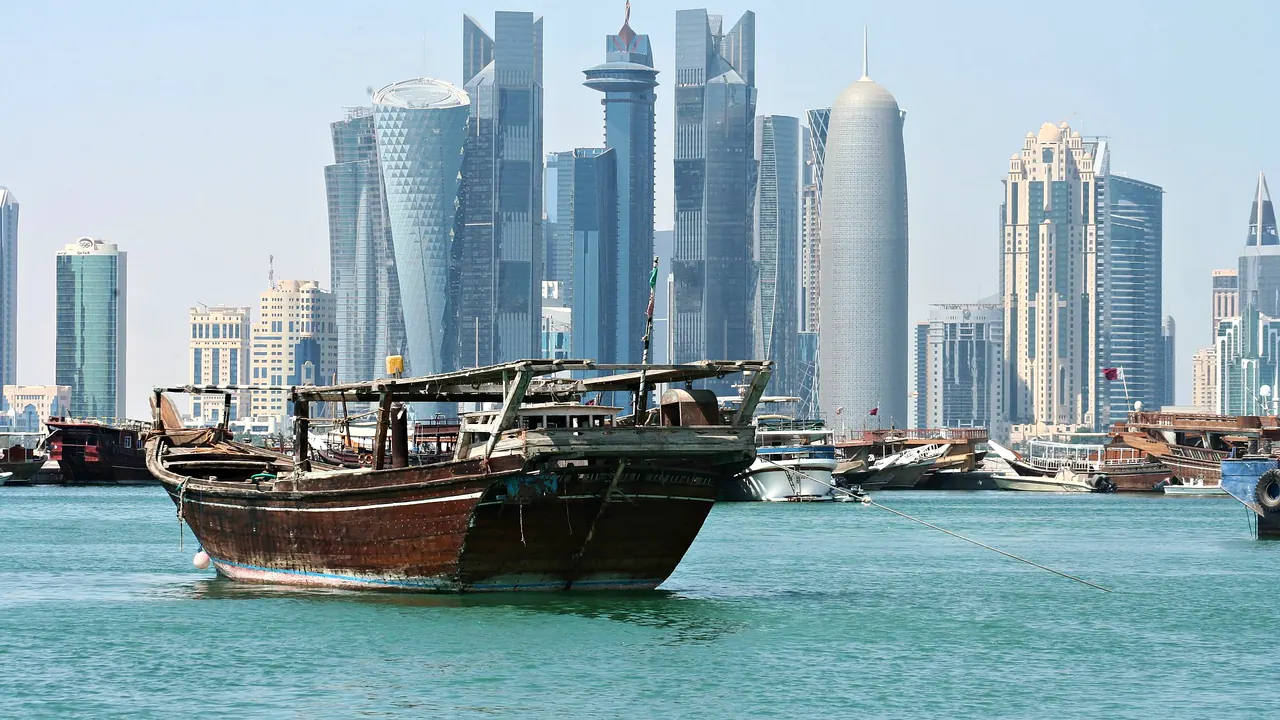
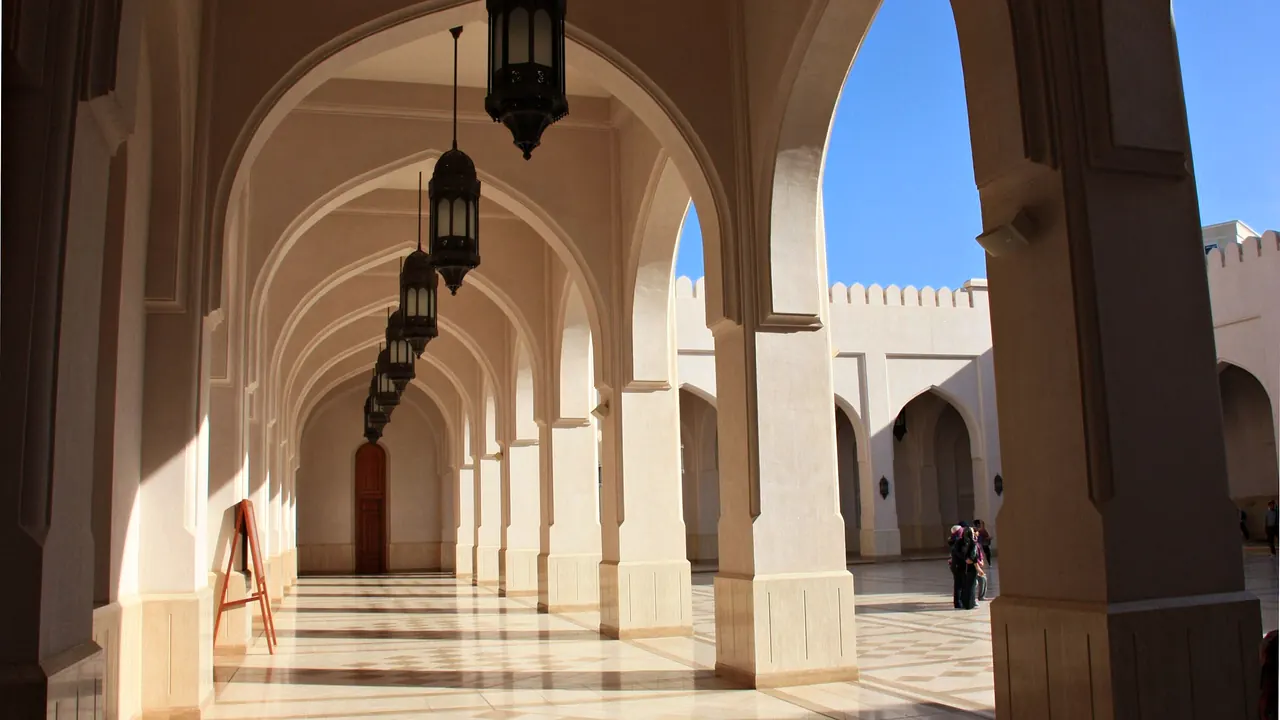
Photos: Doha by Gregory Hawken Kramer, CC BY-SA 4.0, cropped; Salalah by Rrburke, CC BY 4.0, cropped.
Doha or Salalah?
Our verdict in twelve categories, each scored against the same fixed benchmark cities, and the climate month by month, so you can choose for your trip.
Choose Doha for
- shopping
- getting around
- food and drink
Doha suits a short, comfortable winter stay built around a few landmark museums, the souq and the malls. It has a metro, a far wider range of food, hotel bars and the odd concert, and enough air-conditioned attractions to keep children busy. It's the better choice when you want a city with a lot to do close together and don't mind that the history is mostly reconstructed.
Choose Salalah for
- nature and the outdoors
- day trips
- beaches
Salalah is for travellers who want landscape and coast. The Dhofar mountains, the blowholes at Mughsail, Wadi Darbat and the frankincense ruins along the shore offer drives and outings that Doha can't match, and its long, pale beaches are emptier and more open. You'll need a hire car, evenings are quiet, and outside the resorts there is little city life.
Scoreboard
Twelve categories on one fixed scale from 0 to 100. The shaded stretch is the gap between the two.
Your match
Pick a travel style or drag the sliders, and both match scores follow your weighting.
Too close to call, 1 point apart
Wins on shopping and getting around with your weighting.
Wins on nature and the outdoors and day trips with your weighting.
What matters to you?
Category by category
What the scores mean for a trip.
Beaches & swimming
Doha's beach time happens mostly at groomed hotel and resort sand in West Bay and on The Pearl, beside a shallow, very calm Gulf. It's easy and shaded, but it's a pause between other plans rather than a reason to come.
Salalah has the real coastline: pale sand running under the coconut palms at Haffa, wide bays at Taqah and Mirbat, and cliff-backed coves at Al Fazayah, rarely crowded. The trade-off is the open Arabian Sea. Currents call for care even in the dry months, and the monsoon swell shuts many beaches in summer, when Doha's calm water is simply too warm.
Food & drink
Doha eats far more widely, thanks to the people who live there. Kerala and Pakistani grills, Lebanese, Syrian and Iranian kitchens, karak tea on every corner and Qatari machboos on the terraces around Souq Waqif give a visitor real choice. Hotel restaurants add international fine dining and the city's wine lists.
Salalah's food is simpler and more local in character. There is mandi and madhbi cooked in pits or on hot stones, grilled fish and Yemeni and South Indian cooking, plus fresh coconuts and papayas from the roadside plantation stalls. It's good, but a week exhausts the range.
Culture & sights
Doha's draw is two or three museums of international weight. The Museum of Islamic Art in I. M. Pei's block off the Corniche, Jean Nouvel's desert-rose National Museum and Mathaf give a culture lover several full days. Around them, though, the old city is mostly a careful rebuild.
Salalah's culture is smaller but authentically old. The excavated medieval port of Al Baleed, part of the UNESCO-listed Land of Frankincense, sits beside a museum explaining the incense trade, and the Haffa quarter keeps a few merchant houses. One day covers the town itself.
Nightlife
Neither city is for a night out in the usual sense, but Doha at least has one. Its licensed hotels run bars, rooftop lounges over the West Bay towers and a few clubs with visiting DJs, all polished and controlled.
In Salalah, a drink means a handful of resort bars. Both cities really come alive after dark without alcohol: in Doha with families in Souq Waqif and Katara past midnight, and in Salalah with strolls on the corniche and, in the monsoon season, festival food stalls.
Nature & outdoors
This is where the two cities are furthest apart. Doha sits on flat gravel desert with a built-up shore, and its outdoors amounts to the Corniche, Aspire Park, mangrove kayaking at Al Thakira and a four-wheel-drive run to Khor Al Adaid.
Salalah lies under the Dhofar mountains, a landscape unique in Arabia. The hills turn green and the waterfalls run at Wadi Darbat in the khareef, then turn golden in the clear winter months. Add the sea cliffs and blowholes towards Mughsail, flamingo lagoons, frankincense trees in Wadi Dawkah and the edge of the Empty Quarter two hours north, and there's a week of driving and walking here.
Day trips
From Doha there's really one outing with history: the ruined pearling town of Al Zubarah and its fort, an hour and a half north-west. Most visitors see the rest of Qatar on a single desert tour.
Salalah's surroundings follow the old frankincense route. Sumhuram above the Khor Rori lagoon, the fort at Taqah and the castle at Mirbat combine into one easy coastal drive, and the tomb of Job and the Ubar ruins at Shisr lie in the hills and desert to the north. None are big towns, but together they fill several good days.
Good for families
Doha is built with children in mind. Indoor theme parks with roller coasters, large water parks, the hands-on sports museum and play areas at Aspire Park and MIA Park all fill time, and the calm, shallow hotel beaches suit toddlers. Summer heat is the only real limit.
Salalah is just as safe and welcoming to children, but nothing there is made for them. Children's highlights are the camels on the road, the blowholes and paddling at Wadi Darbat, each needing a drive. Parents also have to watch the currents on open beaches.
Getting around
Doha has three cool, driverless metro lines reaching the souq, the National Museum, West Bay, Katara and Lusail, with cheap taxis and ride-hailing for the gaps. Walking is pleasant only in a few districts, and only in winter or after dark.
Salalah has no useful public transport for a visitor, so a hire car is all but essential. Light traffic and good roads make that easy along the coast, though mist and wandering camels slow the hill roads in the monsoon.
Shopping & style
Doha offers both a market and a mall city. Souq Waqif sells spices, oud, dates, falconry gear and Arabic coffee pots, with the Gold Souq next door, while giant air-conditioned malls hold luxury flagships and high-street chains.
Salalah has one good place to shop, the Haffa souq. It is the source of Dhofari frankincense, and buying graded resin from sellers who explain the difference beats any incense stall in Doha. Fashion and design shopping are absent.
Affordability
Salalah is the lighter on the wallet. Local Omani, Yemeni and Indian meals are cheap, fuel costs little and the sights are mostly free. A hire car and beach-resort rooms take the main share, and rooms cost noticeably more in the khareef season.
Doha's international hotels in West Bay and Lusail are priced like those of other rich Gulf cities, and hotel drinks and dinners run high. Canteens, karak and the metro cost very little, so eating in the souq brings the bill down, but the room still dominates.
Live music & performing arts
Doha has the venues if not a nightly scene. The Qatar Philharmonic plays at the Katara opera house, the amphitheatre there holds winter concerts, and the convention centre brings touring musicals and big names. Check what's on before you go.
Salalah has no concert hall or theatre at all. Dhofari music and dance appear at weddings, national days and the summer khareef festival, so a performance there is a matter of timing rather than a ticket.
Wellness & relaxation
The two are broadly level, and neither has a bathing culture of its own. In both, wellness means resort and hotel spas. The difference is in setting and pace.
Doha's are polished urban spas with hammam rooms and scrubs in the West Bay and Pearl hotels, plus a traditional healing retreat up the north coast. Salalah offers frankincense-oil and Ayurvedic massage at beach resorts, set in a slower place of empty corniches and quiet roads, which suits a week of doing very little.
When should you go?
Pick your month. The climate figures are measured averages, not a forecast.
Doha in July
Salalah in July
Daytime high, °C
Rainfall in the month, mm
Temperature and rainfall are climate normals, averaged over the years shown. Doha: 1991-2020 (sunshine 1981-2010) normals, Doha International Airport (5.5 km from centre). Salalah: 1991-2020 normals, Salalah (1.7 km from centre).
Doha's good season runs from November to April. Days are mild, around 23°C in January, the sky is nearly always clear and what little rain falls comes in winter. The Gulf is a little cool in midwinter but pleasant again by spring. By May the heat is fierce. From June to September highs reach 43°C and the sea is too warm to cool you, so walking outdoors in the daytime is out of the question.
Salalah never gets that hot. Highs stay at or below 33°C all year, and the sea is warm enough for long swims through the dry months. October to April is the clear, sunny stretch. May is still bright but brings the first showers of the approaching monsoon, about 14mm over the month. The khareef from June to September changes everything. Cloud and drizzle cut the sunshine to a fraction, the swell closes many beaches and the hills turn green, so this is the time for the mountains and waterfalls, not the beach. In midwinter, when Doha is at its best for walking the streets, Salalah is the warmer place to swim.
Which traveller are you?
On a beach and sun trip, Salalah is the stronger pick from October to May. Its long, uncrowded bays at Haffa, Taqah and Mirbat, with warm open water, beat Doha's shallow hotel beaches, which are pleasant but best as a break from sightseeing.
For an outdoors trip, Salalah has no rival here. It has misty green hills in the monsoon, the blowholes and sea cliffs west of town, snorkelling coves, springs and baobab groves. Doha offers little more than one dune drive to the Inland Sea.
For a short city break, Doha works far better. The metro links Souq Waqif, the National Museum and West Bay, the Museum of Islamic Art fills a morning, and evenings bring dinner in the souq or a hotel rooftop. Salalah needs a car and time.
Before you go
| Measure | Doha | Salalah |
|---|---|---|
| Official language | Arabic | Arabic |
| Currency | Qatari Rial (QAR) | Rial Omani (OMR) |
| Sockets | G240 V, 50 Hz | CG240 V, 50 Hz |
| Driving side | Right | Right |
| Time zone | UTC+3 | UTC+4 |
| Emergency number | 999 | 968 |
| Elevation | 0 m | 18 m |
| Main airport | Hamad International Airport (DOH)8 km from centre197 non-stop destinations | Salalah International Airport (SLL)2 km from centre18 non-stop destinations |
By the numbers
| Measure | Doha | Salalah |
|---|---|---|
| Population | 1,186,023 | 331,949 |
| People per km² | 8,985 | - |
| Museums within 10 km | 6 | 1 |
| UNESCO World Heritage sites within 50 km | 0 | 1 |
| Swim season, months above 21 °C | 9 months | 12 months |
Where else could you go?
Every comparison below shares a destination with this one, so you can follow Doha or Salalah somewhere new.