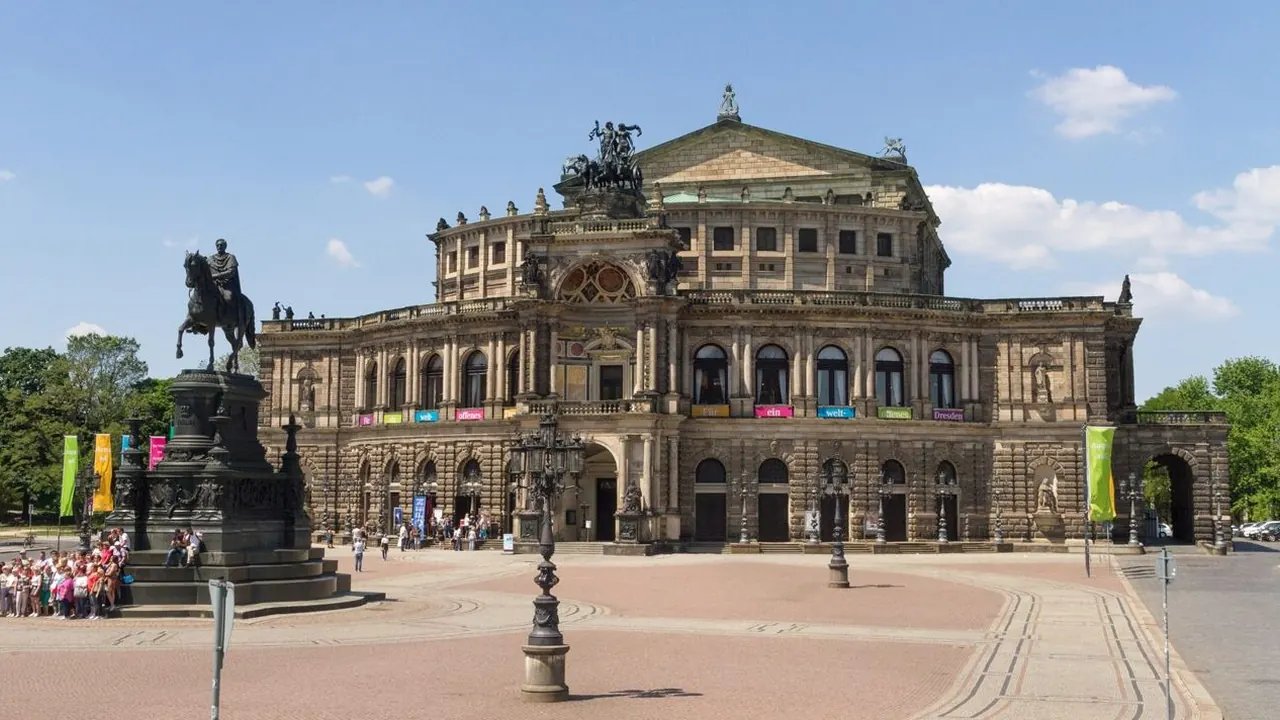
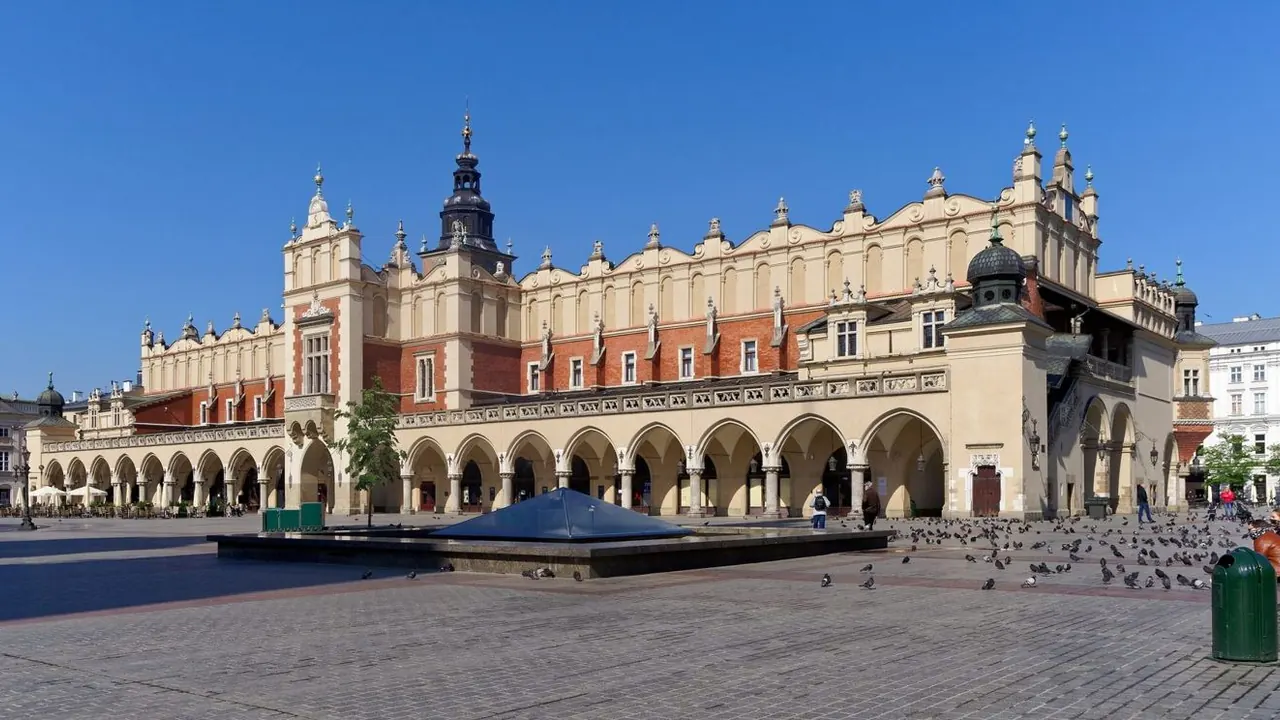
Photos: Dresden by Maksym Kozlenko, CC BY-SA 4.0, cropped; Krakow by Jakub Hałun, CC BY-SA 4.0, cropped.
Dresden or Krakow?
Our verdict in twelve categories, each scored against the same fixed benchmark cities, and the climate month by month, so you can choose for your trip.
Choose Dresden for
- live music and the arts
- nature and the outdoors
- wellness
Dresden suits the traveller who plans evenings around an opera house or a concert hall and days around great paintings and treasure rooms. The Semperoper and the Staatskapelle give it a musical tradition Krakow can't match. Saxon Switzerland's sandstone gorges are close enough for a morning train, so a culture trip can easily include a day of proper walking. Expect quiet evenings in the old town and a higher bill overall.
Choose Krakow for
- nightlife
- prices
- food and drink
Krakow is the better pick for a lively, sociable trip that goes further on the same money. Its medieval centre survived the war intact, its cellar bars and Kazimierz courtyards stay busy late, and Polish home cooking is cheap and filling. It also gives access to Wieliczka and Auschwitz, two visits that stay with people long after the trip.
Scoreboard
Twelve categories on one fixed scale from 0 to 100. The shaded stretch is the gap between the two.
Your match
Pick a travel style or drag the sliders, and both match scores follow your weighting.
Too close to call, 1 point apart
Wins on live music and the arts and nature and the outdoors with your weighting.
Wins on nightlife and prices with your weighting.
What matters to you?
Category by category
What the scores mean for a trip.
Beaches & swimming
Neither city is a beach destination, and both send swimmers to old quarries rather than the river. Dresden spreads its cool-offs across outdoor pools, flooded gravel pits on the city edge and the ponds around Moritzburg.
Krakow has one striking spot, the turquoise Zakrzowek quarry under its cliffs, though swimming there is limited to fenced areas in summer. Its large indoor water park is what keeps swimming possible all year.
Food & drink
Krakow is the more rewarding city to eat in. It has more street food, cheap milk-bar lunches, pierogi in endless fillings, and a drinking culture of flavoured vodkas and craft beer that suits grazing through the day and night.
Dresden's strengths are narrower and more about afternoons: coffee with Eierschecke or Stollen, and dry whites and sparkling wine from the Elbe vineyards around Radebeul and Meissen. The Neustadt has the most varied plates. Neither city has much fine dining, and both have tourist menus on their main squares.
Culture & sights
The two are evenly matched, but in different ways. Dresden's riches are mostly indoors: Raphael's Sistine Madonna in the Zwinger, the jewelled Green Vault, and Caspar David Friedrich at the Albertinum. They sit within a baroque skyline that is largely rebuilt and has post-war blocks close by.
In Krakow the city itself is the main sight. Its medieval square, Cloth Hall and Wawel Hill are original, Kazimierz keeps its synagogues, and the Schindler Factory tells the story of the occupation. Krakow takes a day less to see, while Dresden's galleries reward a slower pace.
Nightlife
Krakow has much more going on after dark. Brick-vaulted cellar bars under the Old Town run well past midnight, Kazimierz adds vodka bars and crowded courtyards, and cheap drinks make bar-hopping the normal way to spend an evening. On weekends the Old Town fills with stag groups, so Kazimierz and Podgorze are calmer bets.
Dresden's nights are concentrated in the Äußere Neustadt, where students drink at beer kiosks and on the pavements, and a few clubs occupy old industrial buildings. It is pleasant for a couple of evenings, while the old town is quiet after dinner.
Nature & outdoors
Dresden has the better outdoors right on its doorstep. Saxon Switzerland's sandstone towers and gorges are well under an hour away by suburban train, with the Bastei view, several days of trail on the Malerweg and traditional free climbing. The Elbe cycle route and the Dresden Heath add easy days closer in.
Krakow's surroundings are gentler near the city: the Planty, the Blonia meadow, the Wolski Forest and the small limestone valley of Ojcow. Its big landscapes, the Tatras and the Dunajec gorge in the Pieniny, are about two hours away and take a long day each.
Day trips
Both cities are excellent bases for day trips, but the trips feel very different. From Dresden they are mostly elegant and easy-going: porcelain at Meissen, Moritzburg's lakeside lodge, the Königstein fortress, the intact old towns of Görlitz and Bautzen, Leipzig in an hour, and Prague at the edge of a day.
From Krakow the main trips carry more weight. You can go underground in the Wieliczka salt mine, and most visitors give a whole sombre day to Auschwitz-Birkenau. Zakopane and the pilgrimage sites of Kalwaria and Czestochowa round things out.
Good for families
Both cities are relaxed with children and hard on pushchairs. Dresden's draws are hands-on: the Transport Museum, the children's miniature railway in the Großer Garten, and paddle steamers up the Elbe.
Krakow has a fire-breathing dragon by the river, an indoor water park for any weather, and Energylandia within an hour's drive. Some of its major sights deal with subjects too heavy for younger children, so plan around them.
Getting around
Getting around is equally easy in both, with walkable centres, dense tram networks and no need for a car. Dresden adds the river to the mix: suburban trains run along the Elbe to Meissen and Saxon Switzerland, and paddle steamers make the trip to Pillnitz part of the outing. Krakow's centre is largely car-free, and a train runs from the airport to the main station. Wheeled luggage is slow on the cobbles in both.
Shopping & style
Krakow is slightly more fun for souvenirs. The medieval Cloth Hall sells amber, lace, embroidered linen and carved boxes, there is blue-patterned Boleslawiec pottery to take home, and a weekend flea market runs on Plac Nowy.
Dresden's best buys are Meissen porcelain and wooden Ore Mountain toys. Its quirkiest browsing is in the Neustadt's Kunsthofpassage, and in Advent the Striezelmarkt is the main reason to shop. Neither city is a place for luxury or serious fashion.
Affordability
Krakow is clearly the cheaper stay. Milk bars, pierogi places, beer, trams and city museums all cost little, and moving away from the Main Square into Kazimierz or Podgorze lowers costs further.
Dresden is moderate for Western Europe and cheaper than Germany's big western cities. The Neustadt is good value for eating out. However, each major museum charges its own entry, and rooms in the old town get more expensive in the Christmas market season.
Live music & performing arts
For music lovers, Dresden is the clear choice. The Semperoper, where Wagner and Strauss premiered works, is home to the centuries-old Staatskapelle, the Kreuzchor sings in the Kreuzkirche, and the Philharmonic plays at the Kulturpalast.
Krakow's offer is more informal: Chopin recitals in Old Town churches and palaces most evenings, jazz in brick cellar clubs, and klezmer in Kazimierz, with the Jewish Culture Festival closing on Szeroka Street. Its strong theatre tradition is mostly in Polish, so it is out of reach for most visitors.
Wellness & relaxation
Dresden has a little more to offer. Saunas and cold plunges at the municipal baths are ordinary local practice, and Bad Schandau's thermal pool is under an hour away.
Krakow relies on hotel spas and the water park's saunas, plus the unusual option of salt-air therapy deep in Wieliczka. Its naturally hot pools in Podhale are two hours south. In both cities, the most restful hours are spent beside the river or over cake in a café.
When should you go?
Pick your month. The climate figures are measured averages, not a forecast.
Dresden in July
Krakow in July
Daytime high, °C
Rainfall in the month, mm
Temperature and rainfall are climate normals, averaged over the years shown. Dresden: 1991-2020 normals, Dresden-Strehlen (3.8 km from centre). Krakow: 1991-2020 normals, Krakow (10.1 km from centre).
The two cities follow much the same calendar, and Dresden is a degree or two warmer for most of the year. June to August is the warm stretch in both. July and August reach about 26°C in Dresden and a little less in Krakow. That is warm enough for long days on foot and a swim in a lake or quarry. Summer is also the wettest season in both cities. Dresden's showers come with long, bright days, with about 225 hours of sunshine in June. Krakow gets heavier downpours, with July close to 100mm, so keep a few indoor plans in reserve there.
April is the drier choice for sightseeing and walking in the hills. It is mild and fairly dry, especially in Dresden at about 36mm. May and September are also pleasant for walking, but both are wetter. September stays mild but fairly wet, especially in Krakow, so pack for showers. From November to March both cities turn cold and grey. Krakow is the colder of the two, with January highs of about 2°C, so a winter trip there means museums and cafés rather than long hours outdoors.
Which traveller are you?
On a culture and arts trip, Dresden is the stronger choice. The Old Masters and the Green Vault fill the days, and the Semperoper, the Staatskapelle and the Kreuzchor fill the evenings with music of the very highest standard. Krakow's theatre is mostly in Polish.
For a food and nightlife trip, Krakow wins clearly. You can eat pierogi and zurek at milk bars, finish late with zapiekanki on Plac Nowy, and hop between vaulted cellar bars until well past midnight. Dresden's Neustadt is friendly but quieter.
On a trip on a tight budget, Krakow lets you do more. Meals, beer, trams and city museums all cost little, and staying in Kazimierz or Podgorze keeps rooms cheap. Dresden is fair for Western Europe, but separate museum entries soon add up.
Before you go
| Measure | Dresden | Krakow |
|---|---|---|
| Official language | German | Polish |
| Currency | Euro (EUR) | Zloty (PLN) |
| Sockets | CF230 V, 50 Hz | CE50 Hz |
| Driving side | Right | Right |
| Time zone | UTC+1, UTC+2 in summer | UTC+1, UTC+2 in summer |
| Emergency number | 112 | 112 |
| Elevation | 126 m | 219 m |
| Main airport | Dresden Airport (DRS)10 km from centre13 non-stop destinations | Kraków John Paul II International Airport (KRK)11 km from centre132 non-stop destinations |
| Public holidays this year | 11 days | 14 days |
By the numbers
| Measure | Dresden | Krakow |
|---|---|---|
| City population | 562,764 | 804,237 |
| People per km² | 1,713 | 2,459 |
| Museums within 10 km | 70 | 113 |
| UNESCO World Heritage sites within 50 km | 1 | 4 |
Where else could you go?
Every comparison below shares a destination with this one, so you can follow Dresden or Krakow somewhere new.