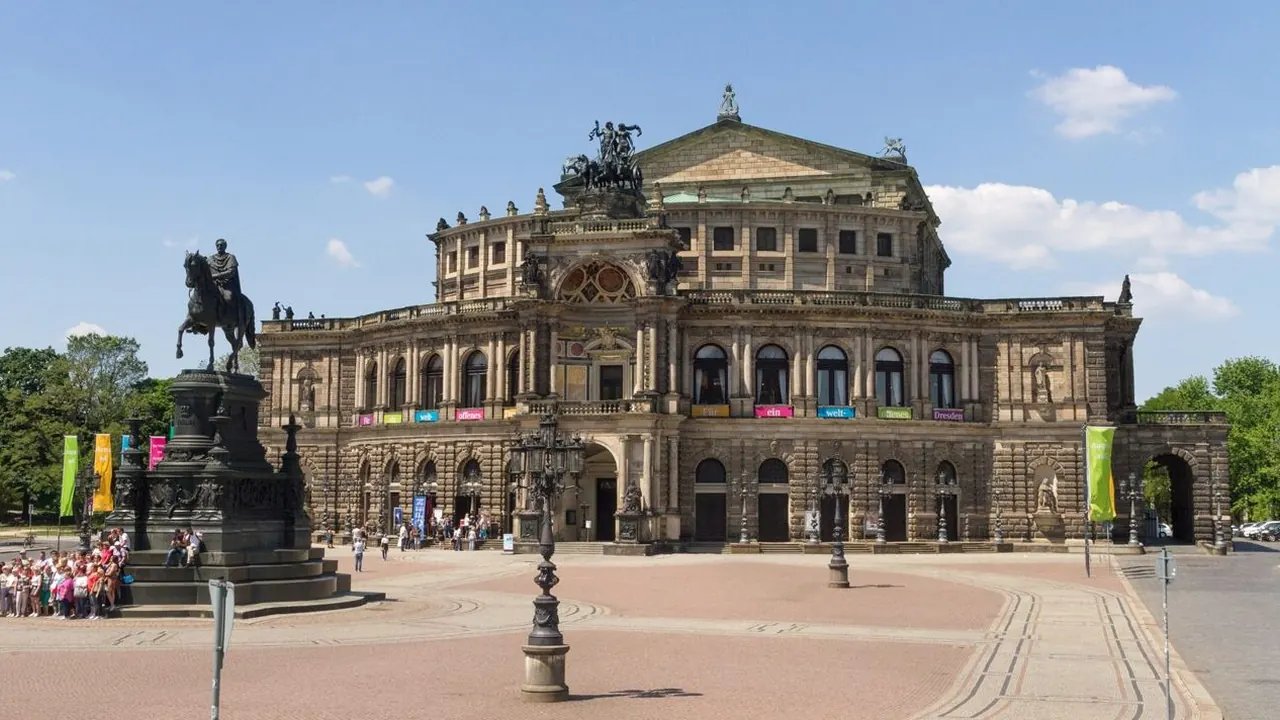
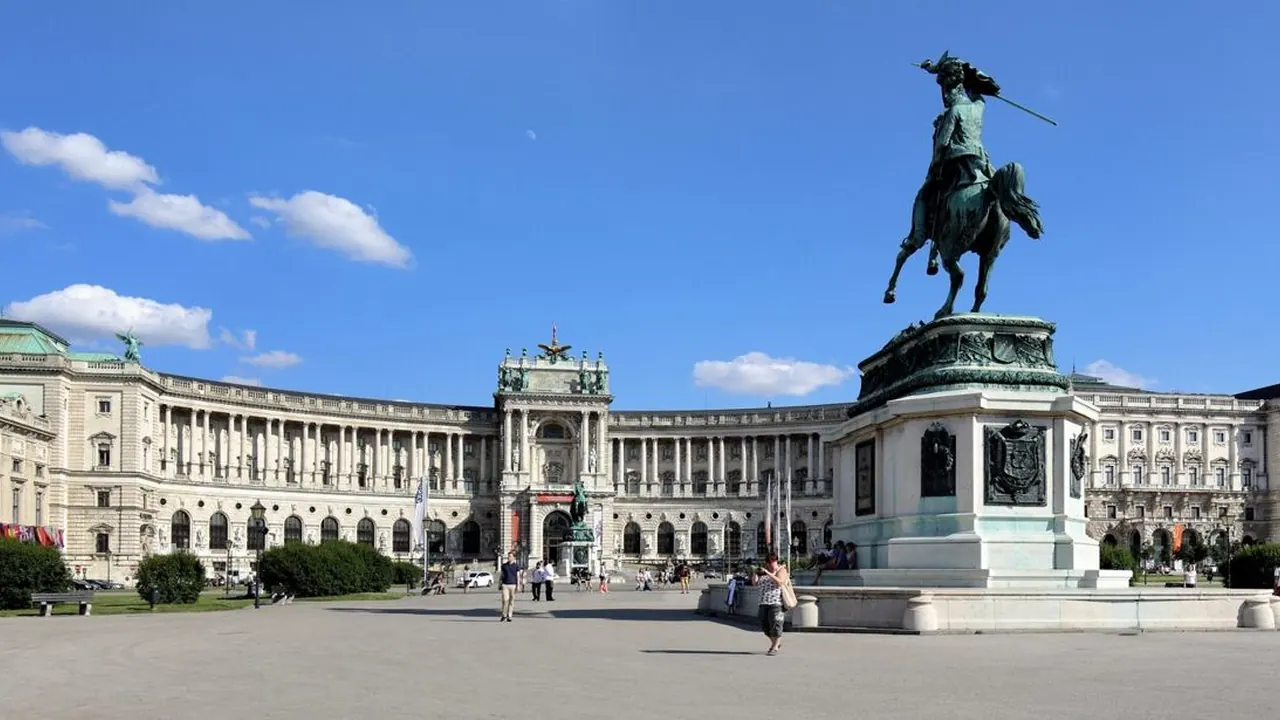
Photos: Dresden by Maksym Kozlenko, CC BY-SA 4.0, cropped; Vienna by C.Stadler/Bwag, CC BY-SA 3.0 AT, cropped.
Dresden or Vienna?
Our verdict in twelve categories, each scored against the same fixed benchmark cities, and the climate month by month, so you can choose for your trip.
Choose Dresden for
- nature and the outdoors
- prices
- day trips
Dresden suits travellers who want a compact baroque city and real landscape in the same trip. The Zwinger, the Green Vault and the Frauenkirche fill a few days, and then the sandstone towers of Saxon Switzerland are a short train ride upriver for walking or climbing. It also costs less day to day, which makes it the better choice for a longer, slower stay.
Choose Vienna for
- food and drink
- shopping
- live music and the arts
Vienna is the stronger pick if music, museums or children are at the centre of the trip. Opera and concerts are on almost every night, the imperial palaces and galleries easily fill a week, and the zoo, the Prater and the U-Bahn make it an easy city for families. The food, the coffee houses and the shopping also go further than anything Dresden has.
Scoreboard
Twelve categories on one fixed scale from 0 to 100. The shaded stretch is the gap between the two.
Your match
Pick a travel style or drag the sliders, and both match scores follow your weighting.
Wins on nature and the outdoors and prices with your weighting.
Wins on food and drink and shopping with your weighting.
What matters to you?
Category by category
What the scores mean for a trip.
Beaches & swimming
Neither city is a beach destination, but Vienna offers proper summer swimming. The Danube Island has about 20km of grassy and gravel banks, and the calmer Alte Donau is lined with old lidos you can reach by U-Bahn after a day of sightseeing.
In Dresden the Elbe has sandy banks but is not safe to swim, so a cool-off means an outdoor pool, a flooded gravel pit or one of the ponds around Moritzburg.
Food & drink
Both cities take coffee and cake seriously and grow wine nearby, but Vienna has a full cuisine of its own. There is schnitzel and Tafelspitz in wood-panelled Beisl taverns, Sachertorte in grand coffee houses, and Heuriger taverns pouring Grüner Veltliner inside the city limits.
Dresden's cooking is plainer Saxon fare: sauerbraten, dumplings, game and the layered Eierschecke at the afternoon coffee table, with dry Elbe valley wines from Radebeul and Meissen. Its most varied eating is in the Neustadt, while the streets around the Frauenkirche lean towards tourist menus.
Culture & sights
Both are former royal seats with world-class collections, but Vienna has more of them and on a larger scale. The Hofburg and Schönbrunn, the Bruegel rooms of the Kunsthistorisches Museum, Klimt at the Belvedere and the Jugendstil of Otto Wagner and the Secession add up to a week of looking.
Dresden packs its treasures into a tighter riverside core: Raphael's Sistine Madonna in the Zwinger, the Green Vault in the Residenzschloss and the rebuilt Frauenkirche. Three or four days cover it, and the mix of careful reconstruction and post-war blocks gives the old town a more uneven, layered character.
Nightlife
Neither city is a reason to travel for nightlife, and the two are about level. The difference is in shape. Dresden's going out is concentrated in one district, the Äußere Neustadt, where students crowd small bars and courtyard pubs and drink on the pavements on summer nights, while the old town goes quiet after dinner.
Vienna's evenings are more spread out and often slower: late bars under the Gürtel railway arches, deckchair bars on the Danube Canal and wine at a Heuriger on the city's edge. In winter it has the ball season, when visitors can buy tickets to formal balls in palaces and halls.
Nature & outdoors
Dresden has the more dramatic scenery. Saxon Switzerland's sandstone towers, gorges and table mountains begin under an hour upriver by train, with the Bastei view, several days of walking on the Malerweg and a long tradition of free climbing. The Elbe cycle route and the Dresden Heath cover gentler days.
Vienna's green land is softer and starts at the tram stop: beech woods and vineyards climbing to the Kahlenberg, the Prater meadows and the floodplain forest of the Donau-Auen. For high ground you need to travel about 90 minutes to the Rax and Schneeberg.
Day trips
Both have an excellent choice of trips by river and rail. From Dresden they lead into Saxon history: porcelain and the cathedral at Meissen, the Königstein fortress, Leipzig and the intact old towns of Bautzen and Görlitz, with Prague just possible in a long day.
From Vienna you can cross borders easily, with Bratislava about an hour away by train or Danube boat and Brno not much further. Closer to home there are the orchards and abbeys of the Wachau, Haydn's Eisenstadt and the spa town of Baden.
Good for families
Vienna is the easier city with children. It has the world's oldest working zoo at Schönbrunn, the Prater's rides and Ferris wheel, sharks at the Haus des Meeres aquarium and the ZOOM children's museum for rainy days.
Dresden is pleasant and relaxed with children but has less of this. Highlights are the miniature railway in the Großer Garten, the Transport Museum and paddle steamer trips. There is no aquarium or theme park, and the art museums will not hold young children for long.
Getting around
In neither city do you need a car, but Vienna's system is in another league. Five U-Bahn lines, trams and buses run on one ticket, the U-Bahn runs all night at weekends, and the pedestrian old town inside the Ring links most sights.
Dresden works on a smaller scale. The old town and the Neustadt are a walk apart across the Augustus Bridge, and trams fill in the rest. Suburban trains and paddle steamers take you along the Elbe to Meissen, Pillnitz and Saxon Switzerland.
Shopping & style
Vienna has much more to shop for. The Kohlmarkt and Graben carry luxury houses, Mariahilfer Strasse handles everyday fashion, and the side streets of Neubau hold independent designers. Augarten porcelain, crystal and Loden coats make for good gifts.
Dresden's high street on Prager Straße is mostly chains. The more interesting shopping is in the Neustadt's second-hand and design shops around the Kunsthofpassage, alongside Meissen porcelain and wooden Ore Mountain toys. Both cities have well-loved Christmas markets, and the Striezelmarkt is one of Germany's oldest.
Affordability
Dresden is the cheaper trip. Its hotels and casual Neustadt meals cost less than in Vienna, and a single day ticket covers trams and suburban trains. Its museums do charge separately, though, and old-town rooms get dearer in the Christmas season.
Vienna costs more, mainly for its palaces, museums and opera seats, but standing places at the State Opera, free palace gardens and Heuriger buffets help keep a stay under control.
Live music & performing arts
Both are serious music cities, and Dresden's Semperoper and Staatskapelle, the Kreuzchor and Bach at the Frauenkirche would be the highlight of most cities. Vienna simply has more and plays it more often. The State Opera stages a different work on most nights, the Vienna Philharmonic plays in the Golden Hall of the Musikverein, and the Konzerthaus, Volksoper and Burgtheater fill out the week.
In practice, a visitor to Vienna can expect to find something first-rate on any evening, often within reach through standing places. In Dresden it pays to plan around the Semperoper programme and the festival calendar.
Wellness & relaxation
Vienna has easier access to warm water. Therme Wien's spring-fed pools are inside the city, the Art Deco Amalienbad has a tiled sauna hall, and Baden's sulphur springs are about half an hour away. Add long coffee-house afternoons, and resting comes easily.
Dresden offers German municipal saunas and a thermal pool at Bad Schandau, under an hour upriver. Its calm comes more from the wide Elbe meadows and an old town that empties in the evening.
When should you go?
Pick your month. The climate figures are measured averages, not a forecast.
Dresden in July
Vienna in July
Daytime high, °C
Rainfall in the month, mm
Temperature and rainfall are climate normals, averaged over the years shown. Dresden: 1991-2020 normals, Dresden-Strehlen (3.8 km from centre). Vienna: 1991-2020 normals, Wien / Hohe Warte (4.7 km from centre).
The two cities share almost the same year. Winters are cold and grey in both, with daytime highs around 3°C to 4°C in January, which suits museums, concerts and the Christmas markets better than long walks. Spring warms quickly in April. May to September is the season for river meadows, outdoor bars and hiking, and July and August reach about 26°C to 27°C, warm enough for a swim but rarely too hot for sightseeing.
The difference is in the light and the timing of the rain. Vienna gets clearly more sunshine through the summer, and its wettest spell comes in May. Dresden's rain peaks in high summer, at about 83mm in August, so its showery weeks fall in the hiking season. For either city, late May to June and September are the most comfortable months for walking the streets.
Which traveller are you?
On a culture and arts trip, Vienna deserves the longer stay. Dresden's Old Masters and Semperoper fill three or four rewarding days, but in Vienna you can visit a different great gallery each morning for a week and still have a first-rate performance to choose from every evening.
For an outdoors trip, base yourself in Dresden and treat the city as your rest day. You can be among sandstone towers or on a climbing route by mid-morning and back by the Elbe for dinner. From Vienna, gentle woodland walks are easy, but high ground takes most of a day.
On a trip on a tight budget, Dresden stretches a fixed sum further, so a longer stay is realistic if you choose two or three of its museums rather than trying them all. Vienna takes more careful planning: build your days around its free sights and cheaper ways into its music, because every paid palace and gallery costs more.
Before you go
| Measure | Dresden | Vienna |
|---|---|---|
| Official language | German | German, Austrian Sign Language |
| Currency | Euro (EUR) | Euro (EUR) |
| Sockets | CF230 V, 50 Hz | CF230 V, 50 Hz |
| Driving side | Right | Right |
| Time zone | UTC+1, UTC+2 in summer | UTC+1, UTC+2 in summer |
| Emergency number | 112 | 112 |
| Elevation | 126 m | 151 m |
| Main airport | Dresden Airport (DRS)10 km from centre13 non-stop destinations | Vienna International Airport (VIE)18 km from centre202 non-stop destinations |
| Public holidays this year | 11 days | 16 days |
By the numbers
| Measure | Dresden | Vienna |
|---|---|---|
| City population | 562,764 | 2,028,289 |
| People per km² | 1,713 | 4,890 |
| Museums within 10 km | 70 | 152 |
| UNESCO World Heritage sites within 50 km | 1 | 3 |
Where else could you go?
Every comparison below shares a destination with this one, so you can follow Dresden or Vienna somewhere new.