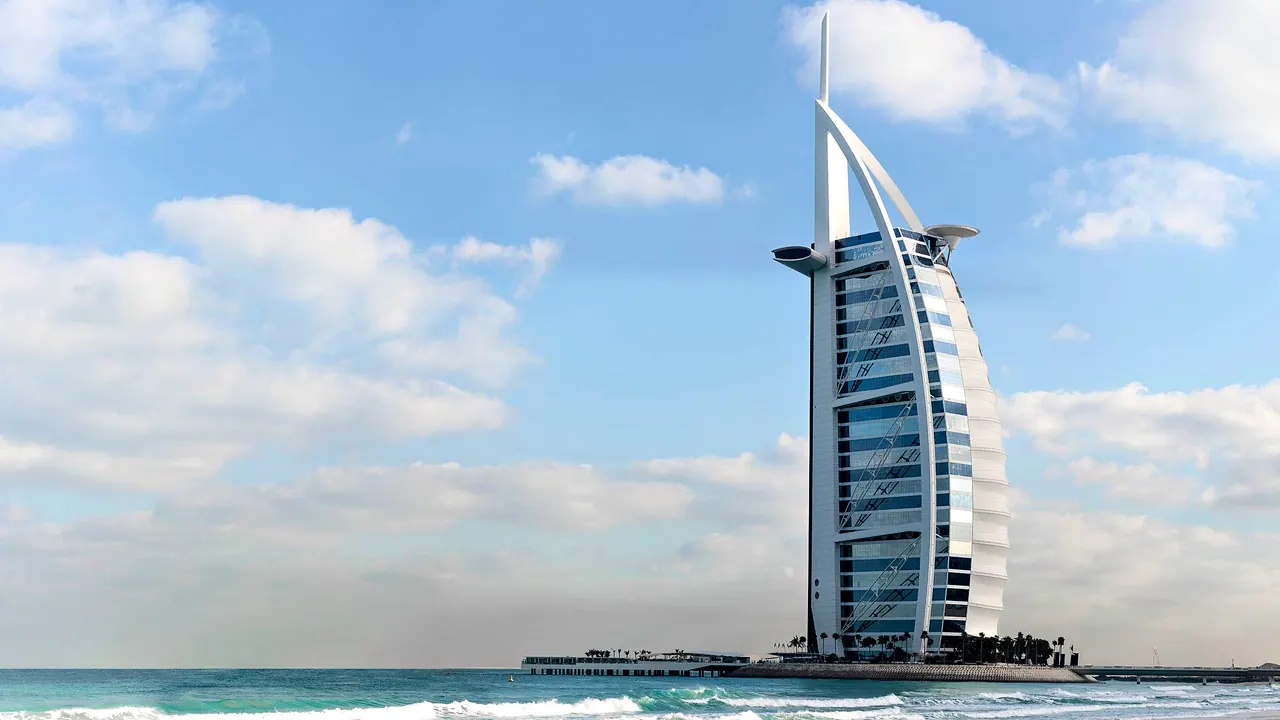
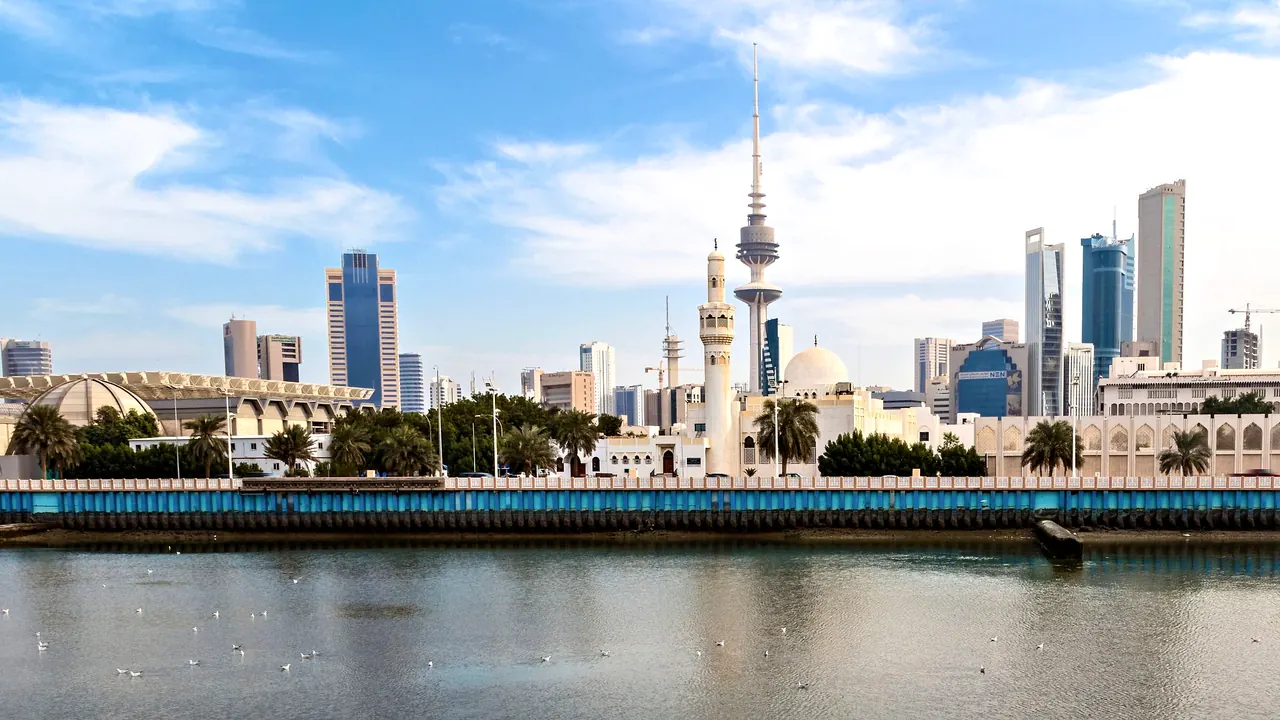
Photos: Dubai by Aleksandar Pasaric, Pexels License; Kuwait City by Tayssir Kadamany, Pexels License.
Dubai or Kuwait City?
Our verdict in twelve categories, each scored against the same fixed benchmark cities, and the climate month by month, so you can choose for your trip.
Choose Dubai for
- nightlife
- beaches
- families
Dubai suits the traveller who wants a resort vacation with plenty laid on: sand beaches on calm, clear water, giant malls, theme parks for the children and a polished night out in hotel bars and clubs. Its food ranges from Keralan canteens in Karama to chef-led dining rooms in DIFC, and Abu Dhabi, Sharjah and Al Ain are all within an easy day. It costs more, but the metro and the sheer volume of attractions make a first Gulf trip simple.
Choose Kuwait City for
- prices
Kuwait City is for someone who prefers a quieter, more local Gulf city and does not mind that there is no alcohol and little to do after dark except coffee and conversation. It is better for seeing museums than for a beach stay, with an outstanding collection of Islamic art, the Grand Mosque and Souq Al-Mubarakiya at its heart. Everyday costs are somewhat lower, though without public transport you will need a car or taxis for everything.
Scoreboard
Twelve categories on one fixed scale from 0 to 100. The shaded stretch is the gap between the two.
Your match
Pick a travel style or drag the sliders, and both match scores follow your weighting.
Wins on nightlife and beaches with your weighting.
Wins on prices with your weighting.
What matters to you?
Category by category
What the scores mean for a trip.
Beaches & swimming
Dubai's beaches are a main reason to go: a long engineered shoreline of pale sand on clear, calm water, with public stretches at Jumeirah, Kite Beach, JBR and Umm Suqeim, and resort beaches on Palm Jumeirah that make up much of a stay. Shallow, gentle water suits swimmers of every age, and some public beaches have areas lit for swimming at night.
Kuwait City has sea along its whole length, but the small corniche beaches from Shuwaikh to Salmiya are narrow and coarse, and the water is often hazy. Much local beach life goes on in private chalets and hotel clubs, and dress on public sand is conservative. It is somewhere you might take a swim, not somewhere you would come for the beach.
Food & drink
Dubai offers far more choice. The canteens of Deira, Karama and Al Satwa serve Keralan, Pakistani, Afghan, Iranian and Filipino food cheaply and late, while Downtown, DIFC and the Marina have chef-led restaurants and the long Friday brunch, with wine and beer available in licensed hotels.
Kuwait City has a narrower scene, but its own cooking is easier to find. Machboos, zubaidi fish and saffron balaleet are served in the grill houses of Souq Al-Mubarakiya, whereas Emirati food in Dubai is mostly limited to heritage restaurants and iftar tents. With alcohol banned, Kuwaiti evenings centre on specialty coffee and cardamom gahwa instead.
Culture & sights
Both take two or three days to see, but in different ways. Dubai is about modern spectacle, with the Burj Khalifa and the Museum of the Future, plus a real sense of the old trading port along the Creek, where the wind-tower houses of Al Fahidi and Al Shindagha stand and abras cross to the Deira souks.
Kuwait City has almost no old townscape, but its museums run deeper. Dar al-Athar al-Islamiyyah and the Tareq Rajab Museum hold fine Islamic art, calligraphy and jewellery, and there is also Bedouin weaving at Sadu House, the Grand Mosque and Utzon's National Assembly building. Go to Dubai for skylines and the Creek, and to Kuwait for the collections.
Nightlife
Dubai has a large, expensive night scene, though all of it is indoors in hotels and licensed venues. There are DJ clubs, rooftop bars above Sheikh Zayed Road, beach clubs on the Palm that carry on into the evening, and dress-code lounges in DIFC, all busiest in the cooler months.
Kuwait City has none of this. Alcohol is illegal even in hotels, so there are no bars and no dance floors. Evenings still run late, though, in shisha cafés, coffee shops, malls and along the waterfront, especially on summer and Ramadan nights.
Nature & outdoors
Neither city is an outdoors destination, but Dubai has more to work with. The red dunes of Al Marmoom and Lahbab are an hour away for sandboarding and desert nights, the Hajar mountains around Hatta offer kayaking and bike trails, and Kite Beach is good for kitesurfing.
Around Kuwait City the land is flat gravel desert with no hills. Its outdoor appeal is winter camping, a much-loved local custom, and birdwatching at the Jahra Pools and Sabah Al-Ahmad reserve during the migrations.
Day trips
Dubai has three strong outings within reach. Abu Dhabi, about ninety minutes away, has the Sheikh Zayed Grand Mosque and the Louvre Abu Dhabi, Sharjah's heritage quarter and Islamic museum are next door, and Al Ain has UNESCO-listed oases and mud-brick forts.
From Kuwait City there is really only Failaka Island, a ferry ride of about an hour and a half, with its Bronze Age and Hellenistic remains and a village scarred by the 1990 invasion. The Red Fort in Al Jahra and the resort town of Al Khiran are minor additions.
Good for families
Dubai is the bigger family playground. There is Legoland near Jebel Ali, water parks on the Palm, the aquarium in the Dubai Mall and indoor snow at the Mall of the Emirates, and the shallow sea and resort kids' clubs make beach days easy with small children.
Kuwait City welcomes children just as warmly, keeping them in restaurants and malls late into the evening, but it offers learning more than thrills. The Scientific Center's aquarium, the dinosaur and science galleries of the Al-Salem Cultural Centre and the playgrounds of Al Shaheed Park are the highlights. Both cities need a car and are hard work with children in summer.
Getting around
Dubai is spread out and built around the car, but its driverless metro runs from the airport through Downtown to the Marina and the Creek, a tram serves the Marina, and abras cross the Creek. You will still use taxis for the Palm, the beaches and the theme parks.
Kuwait City has no metro or tram, and its buses are for commuters, so every trip from the old centre to Sharq or Salmiya means a taxi, ride-hail or hire car on fast, aggressive motorways. The corniche is the one place to walk, and only in the cooler months.
Shopping & style
Dubai is a place people travel to just to shop. The Dubai Mall and the Mall of the Emirates have wings of designer flagships and a deep range of watches and jewellery, and Deira's Gold, spice and perfume souks plus the Bur Dubai textile souk add old-style trading.
Kuwait City has large luxury malls too, on a smaller scale, and Souq Al-Mubarakiya for dates, oud, gold and bisht cloaks. Its most distinctive buy is woven Bedouin textiles from Sadu House. Neither city has much independent shopping at street level.
Affordability
Kuwait City is the cheaper stay. Hotels are priced like any international business city, market grills and South Asian eateries are cheap, and most museums cost almost nothing, although relying on taxis or a hire car adds a cost every day.
Dubai is expensive in its winter high season, with costly beach resorts, observation decks and theme parks, and drinks among the dearest anywhere. Eating in Deira and Karama and riding the metro help keep costs down, and hotel rates fall sharply in the summer heat.
Live music & performing arts
Dubai has the more reliable programme, almost all of it imported. The Dubai Opera hosts touring ballet, musicals and orchestras in the cooler months, the arena draws international pop tours, and hotel lounges have resident jazz bands.
In Kuwait City, the Sheikh Jaber Al-Ahmad Cultural Centre is an impressive venue for Arab music stars and orchestral concerts, and the country has an older theatre tradition than most of the Gulf. Local plays, however, are in Arabic dialect for a home audience, and outside formal concerts there is little live music.
Wellness & relaxation
Dubai is better for doing nothing. The resorts on the Palm and the Jumeirah coast have whole floors of spa, with hammams, hydrotherapy and long treatment menus, and the desert retreats an hour inland offer real silence under the stars.
Kuwait City's hotel spas and massage centres are adequate but not a reason to come, and the traffic, the heat and a city built for the car make it hard to unwind. Neither has a bathing tradition of its own, so in both, rest means staying in a hotel.
When should you go?
Pick your month. The climate figures are measured averages, not a forecast.
Dubai in July
Kuwait City in July
Daytime high, °C
Rainfall in the month, mm
Temperature and rainfall are climate normals, averaged over the years shown. Dubai: 1991-2020 normals, Dubai International Airport (3.3 km from centre). Kuwait City: 1991-2020 normals, Kuwait International Airport (17.6 km from centre).
Both cities are at their best from November to March, and both are too hot to walk around in daylight from May to September. The difference is in degree. Dubai's winter is warmer, with afternoons in the mid-twenties and a sea still warm enough to swim in at about 23°C, so a January beach stay works. Kuwait City is cooler in midwinter, around 19°C in January, which is pleasant for walking the corniche and for desert camping, but the sea is too cold for most swimmers until spring.
For a swim in Kuwait, April and late October to November are the months to aim for, when the water is warm and the air has not yet reached its peak. Its summer is the more extreme of the two, regularly reaching 47°C in July against Dubai's 42°C. What little rain either city gets falls in winter, a few showers between November and March, and Kuwait's summer is almost cloudless from one day to the next.
Which traveller are you?
On a beach and sun trip, choose Dubai. Its long pale-sand shore at Jumeirah, Kite Beach and the Marina, plus private resort beaches on Palm Jumeirah, beat Kuwait's narrow, coarse sand and hazy water, and its sea stays swimmable through the winter.
For a food and nightlife trip, Dubai wins easily. Deira and Karama offer a huge range of cheap cuisines, the hotels bring fine dining and Friday brunch, and licensed rooftop bars and clubs keep going late. Kuwait bans alcohol entirely and has no bars at all.
On a trip on a tight budget, Kuwait City is the more forgiving choice. Hotels and restaurants cost less overall, most museums are free or nearly so, and market grills are cheap. Taxis add a daily cost, but Dubai's resorts, attractions and drinks cost more still.
Before you go
| Measure | Dubai | Kuwait City |
|---|---|---|
| Official language | Arabic | Arabic |
| Currency | UAE Dirham (AED) | Kuwaiti Dinar (KWD) |
| Sockets | CG220 V, 50 Hz | CG240 V, 50 Hz |
| Driving side | Right | Right |
| Time zone | UTC+4 | UTC+3 |
| Emergency number | 112 | 112 |
| Elevation | 0 m | 16 m |
| Main airport | Dubai International Airport (DXB)7 km from centre295 non-stop destinations | Kuwait International Airport (KWI)17 km from centre106 non-stop destinations |
By the numbers
| Measure | Dubai | Kuwait City |
|---|---|---|
| Population | 3,944,751 | 2,989,000 |
| Museums within 10 km | 14 | 6 |
| UNESCO World Heritage sites within 50 km | 0 | 0 |
| Swim season, months above 21 °C | 12 months | 8 months |
Where else could you go?
Every comparison below shares a destination with this one, so you can follow Dubai or Kuwait City somewhere new.