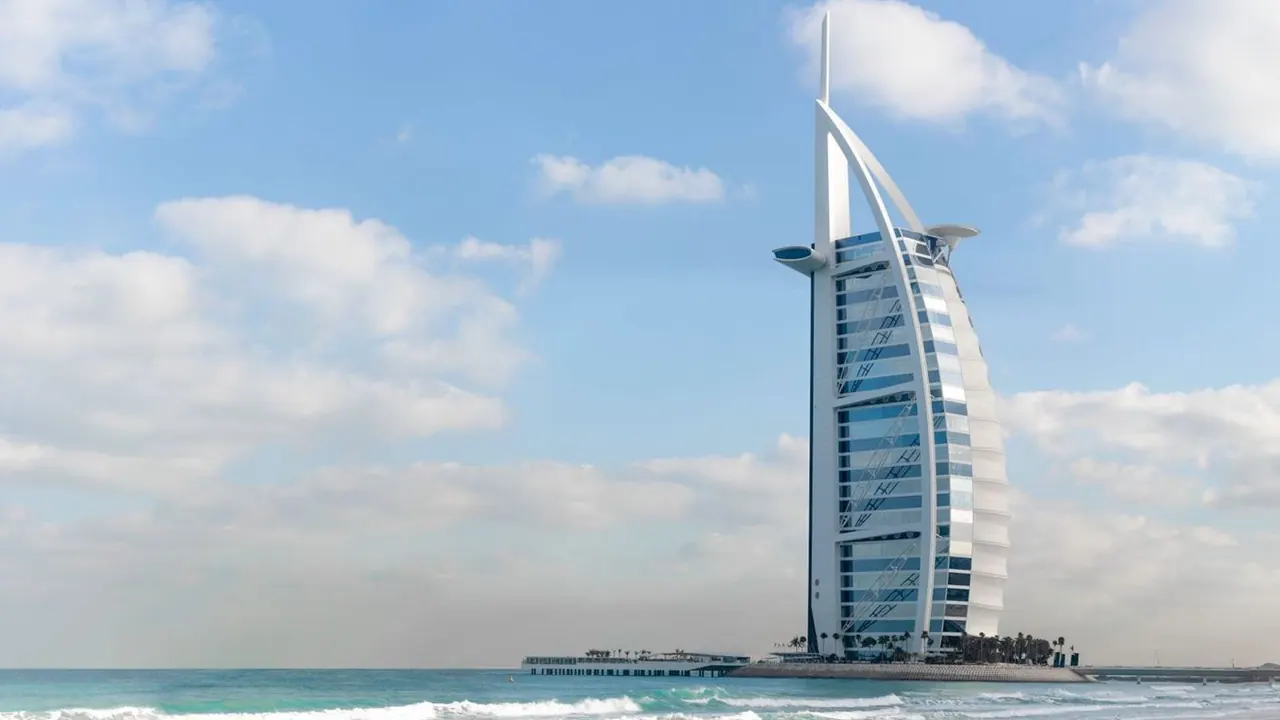
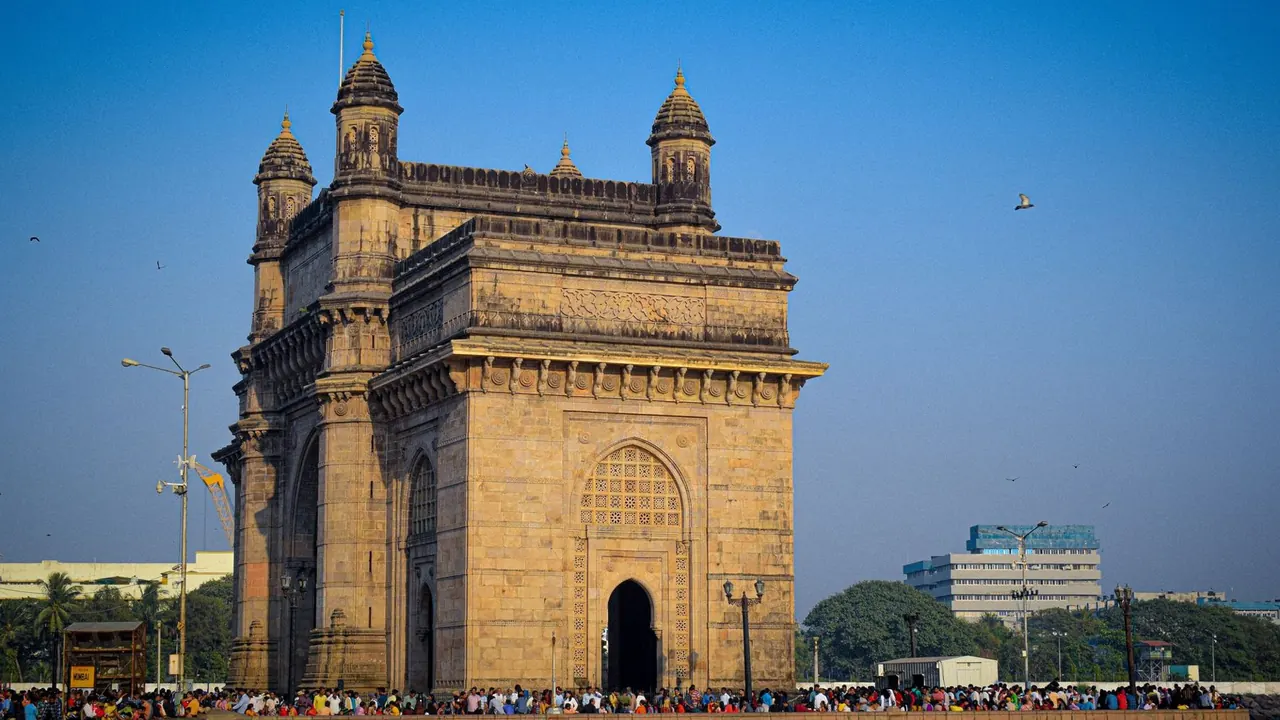
Photos: Dubai by Aleksandar Pasaric, Pexels License; Mumbai by Shubam Bhasin, Pexels License.
Dubai or Mumbai?
Our verdict in twelve categories, each scored against the same fixed benchmark cities, and the climate month by month, so you can choose for your trip.
Choose Dubai for
- beaches
- families
- wellness
Dubai suits a winter sun trip built around a resort: calm, clear sea on the doorstep, theme parks and water parks for the children, vast malls, and a polished night out inside the hotels. It is the easier and more predictable place to bring a family or to switch off for a week, as long as you accept high prices and a city where most things happen indoors and by taxi.
Choose Mumbai for
- prices
- culture and sights
- nature and the outdoors
Mumbai rewards travellers who want a working city rather than a resort stay, and who will put up with crowds, traffic and humidity for it. The colonial architecture, the museums, the street food and the local theatre and music give it far more depth, and day to day it costs much less. Just don't come for the beaches.
Scoreboard
Twelve categories on one fixed scale from 0 to 100. The shaded stretch is the gap between the two.
Your match
Pick a travel style or drag the sliders, and both match scores follow your weighting.
Wins on beaches and families with your weighting.
Wins on prices and culture and sights with your weighting.
What matters to you?
Category by category
What the scores mean for a trip.
Beaches & swimming
This is Dubai's strongest advantage over Mumbai. It has kilometres of pale sand on clear, calm water, public stretches at Jumeirah, Kite Beach and JBR, and resorts on Palm Jumeirah where the private beach is the whole point of the stay. The swimming is easiest in winter, while summer pushes it to early mornings and evenings.
Mumbai's Juhu and Girgaum Chowpatty are wide sands for kites, snacks and sunset walks, not for swimming, because the water is murky and it is off limits in the monsoon. For a swim you need the ferry to Alibaug or a hotel pool.
Food & drink
Both cities eat superbly, but Mumbai's food is its own. Vada pav from station carts, bhel puri on Chowpatty, bun maska in the old Irani cafés of Fort and Colaba, and Malvani crab and pomfret curries give it a cooking tradition you can't find elsewhere, alongside dishes from all over India.
Dubai's strength lies in the cuisines of its residents, with Keralan, Pakistani, Afghan and Iranian canteens in Deira and Karama, and in the expensive chef-led dining rooms and Friday brunches of the hotels. Emirati dishes take some finding, and drinking is limited to licensed venues.
Culture & sights
Mumbai has much more to see. The Gothic Revival extravagance of Chhatrapati Shivaji Maharaj Terminus, the Victorian buildings facing Marine Drive's Art Deco across the Oval Maidan, and the sculpture and miniature collections of the former Prince of Wales Museum fill several days, although the sights are slow to reach.
Dubai's sightseeing is mostly modern spectacle, with the Burj Khalifa, the Museum of the Future and the skyline at dusk. Al Fahidi's wind-tower houses and the abra crossing to the Deira souks hint at the old trading port, but two or three days cover it.
Nightlife
Dubai offers the bigger, later and glossier night out. It has big-name DJ clubs, rooftop bars above Sheikh Zayed Road, Palm Jumeirah beach clubs that run into the evening, and a weekend brunch that turns into a party. All of it happens inside hotels and licensed venues, with strict dress codes and expensive drinks.
Mumbai's scene is a smaller circuit of cocktail bars and gastropubs in Bandra, Khar and the Lower Parel mill compounds, plus the older Colaba strip. Bars close soon after midnight, so evenings tend to centre on late dinners and the seafront.
Nature & outdoors
Mumbai has far more green within reach. Sanjay Gandhi National Park, with its leopards, forest trails and the Kanheri caves, lies inside the city limits. The Western Ghats around Lonavala and Matheran turn green and full of waterfalls in the monsoon, which is the best hiking season.
Dubai's outdoors is desert: dune drives and camping at Al Marmoom and Lahbab, kitesurfing and paddleboarding on the coast, and the Hajar hills at Hatta for a change of scene. Both cities have flamingos in winter, at Ras Al Khor in Dubai and on the Sewri mudflats in Mumbai.
Day trips
Both cities have about three good outings, then little else, but the outings are very different. From Dubai they are road trips to other cities: the Grand Mosque and the Louvre in Abu Dhabi, Sharjah's heritage quarter and Islamic museum, and the oasis forts of Al Ain.
From Mumbai the highlight starts with a boat. The ferry from the Gateway of India takes you to the Elephanta cave carvings, and the even older Buddhist halls at Karla and Bhaja lie inland. Traffic leaving the city makes every road trip slower than the map suggests.
Good for families
Dubai is much easier with children. The Jebel Ali theme parks, the Palm and Jumeirah water parks, the Dubai Mall aquarium and the indoor snow give plenty to do, kids' clubs and a calm sea add to it, and the city is very safe. The summer heat is the main problem.
Mumbai's warmth towards children is real, but the outings are few: the Nehru Science Centre, the Byculla zoo and a ferry ride. Getting anywhere means crowds, traffic and broken pavements, so a car and driver are close to essential.
Getting around
Neither city is easy to get around, for different reasons. Dubai's driverless metro is clean and cool, and the abras still cross the Creek, but the city is built for cars. The walk from a station is long and hot, and the Palm, the beaches and the theme parks mean a taxi.
Mumbai's suburban trains are fast but crushingly full at rush hour, and road traffic can turn a short trip into an hour. On the other hand, Fort, Kala Ghoda and Colaba make a compact old quarter that is pleasant to explore on foot, which Dubai lacks.
Shopping & style
Dubai is the bigger shopping destination. The Dubai Mall and the Mall of the Emirates hold almost every luxury brand under one roof, with a particularly deep choice of watches and jewellery, while Deira's gold, spice and perfume souks keep the old trade alive. Almost all of it happens indoors.
Mumbai offers more at street level and more that is made in India. You can browse antiques in Chor Bazaar, gold in Zaveri Bazaar, stalls along Colaba Causeway and Linking Road, and handloom and block-print boutiques in Kala Ghoda and Bandra. Expect to haggle.
Affordability
Mumbai is much cheaper on the ground. Street food, café meals, trains, taxis and rickshaws cost little, though a comfortable hotel room is expensive by Indian standards and cocktails are heavily taxed.
In Dubai, resorts, observation decks, theme parks and drinks are all expensive in the winter season. The savings come from eating in Deira and Karama, using the metro, and travelling in summer when hotel rates fall.
Live music & performing arts
Mumbai has a resident arts scene that Dubai lacks. The National Centre for the Performing Arts at Nariman Point is home to the Symphony Orchestra of India and stages Hindustani classical music, dance and jazz. Prithvi Theatre in Juhu and the Marathi stages of Dadar keep local drama going.
Dubai Opera and the big arenas bring reliable touring productions and pop tours, but there is no resident company. Shows here are something you book in advance, not something you stumble on.
Wellness & relaxation
Dubai is the easier place to rest. The resorts on Palm Jumeirah and the Jumeirah coast devote whole floors to hammams, hydrotherapy and massage, they work in any season, and the desert retreats inland add real silence.
Mumbai is loud and humid from dawn. Relaxing there means a hotel spa, an Ayurvedic massage or a Bandra yoga class, along with an early walk on Marine Drive or a quiet hour at the Banganga Tank. A proper retreat means leaving for Lonavala or the Konkan coast.
When should you go?
Pick your month. The climate figures are measured averages, not a forecast.
Dubai in July
Mumbai in July
Daytime high, °C
Rainfall in the month, mm
Temperature and rainfall are climate normals, averaged over the years shown. Dubai: 1991-2020 normals, Dubai International Airport (3.3 km from centre). Mumbai: 1991-2020 normals, Bombay / Santacruz (5.4 km from centre).
Dubai is at its best from November to March, when days run around 25°C in January, rain is rare and the sea, at about 23°C, is ideal for swimming. From May to September highs reach 42°C, the water is as warm as a bath and walking outdoors is only realistic at dawn or after dark, so a summer stay means pools, malls and air conditioning.
Mumbai stays hot all year, with highs around 31°C even in January, but the real divide is the monsoon. From June to September the rain is torrential, peaking at about 860mm in July, sunshine all but disappears and the sea is too rough to swim. November to February is the time to go, dry and sunny with slightly less sticky air, while March to May bring building heat before the rains.
Which traveller are you?
On a beach and sun trip, Dubai is the clear choice. Its long sandy shore and calm, shallow Gulf water are swimmable for much of the year, while Mumbai's city beaches are for sunset strolls and the nearest clean water is a ferry ride away.
On a family trip with young children, Dubai makes life easier. Legoland, the water parks, the mall aquarium and indoor snow keep children busy, and the gentle sea is safe for small swimmers. Mumbai welcomes children warmly, but its traffic, heat and broken pavements wear families out.
On a tight budget, Mumbai goes much further. Street food, Irani café meals, suburban trains and rickshaws all cost very little, and museum entry is modest. In Dubai only the Deira canteens and the metro are cheap, and hotels and attractions are expensive.
Before you go
| Measure | Dubai | Mumbai |
|---|---|---|
| Official language | Arabic | Hindi, English |
| Currency | UAE Dirham (AED) | Indian Rupee (INR) |
| Sockets | CG220 V, 50 Hz | CM230 V, 50 Hz |
| Driving side | Right | Left |
| Time zone | UTC+4 | UTC+5:30 |
| Emergency number | 112 | 108 or 112 |
| Elevation | 0 m | 14 m |
| Main airport | Dubai International Airport (DXB)7 km from centre294 non-stop destinations | Chhatrapati Shivaji Maharaj International Airport (BOM)2 km from centre122 non-stop destinations |
By the numbers
| Measure | Dubai | Mumbai |
|---|---|---|
| City population | 3,944,751 | 15,414,288 |
| People per km² | - | 25,563 |
| Museums within 10 km | 14 | 1 |
| UNESCO World Heritage sites within 50 km | 0 | 3 |
| Swim season, months above 21 °C | 12 months | 12 months |
Where else could you go?
Every comparison below shares a destination with this one, so you can follow Dubai or Mumbai somewhere new.