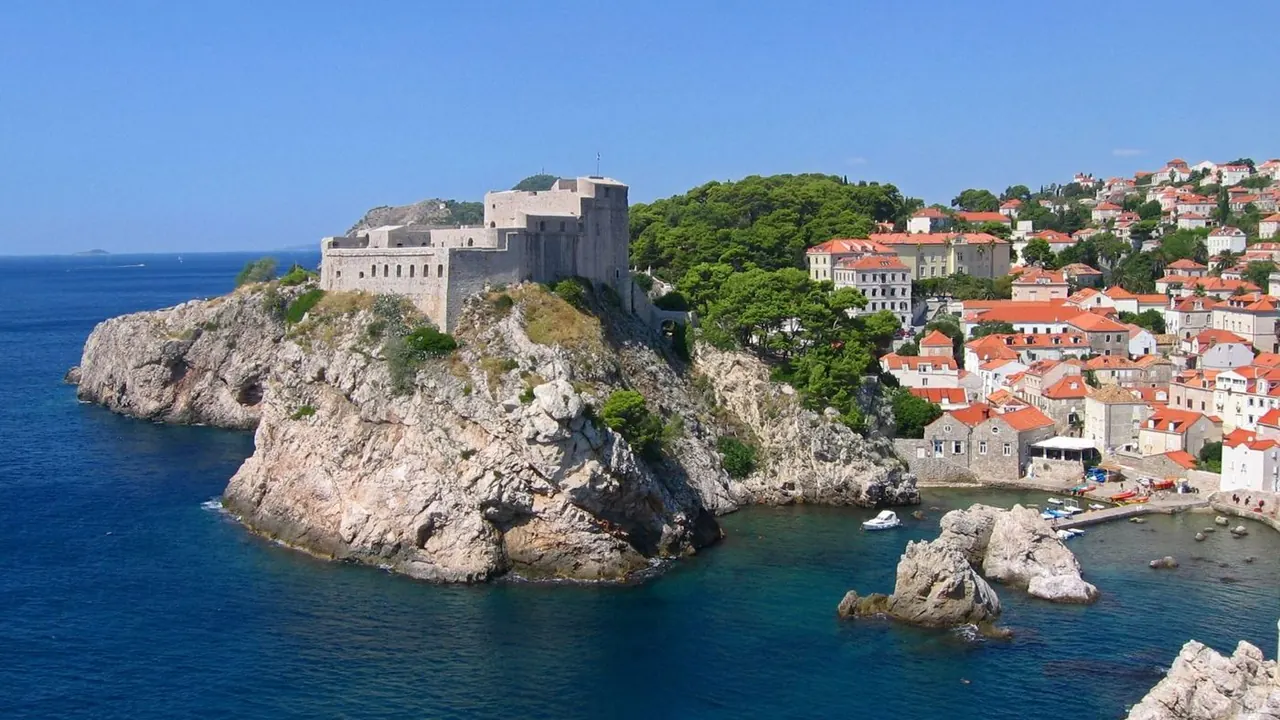
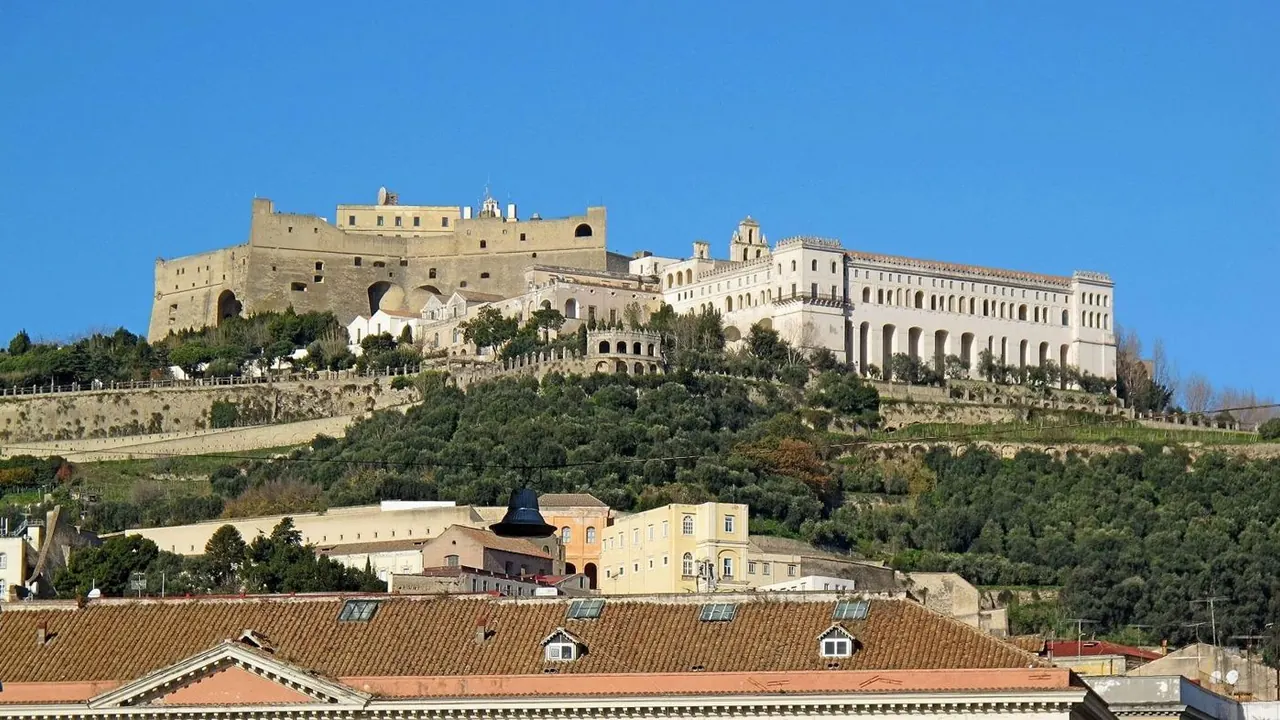
Photos: Dubrovnik by Natalia Semenova, CC BY 3.0, cropped; Naples by pietro scerrato, CC BY 3.0, cropped.
Dubrovnik or Naples?
Our verdict in twelve categories, each scored against the same fixed benchmark cities, and the climate month by month, so you can choose for your trip.
Choose Dubrovnik for
- beaches
- getting around
- families
Dubrovnik suits a summer trip built around the sea: swimming off the rocks below the walls, boat hops to Lokrum and the Elafiti islands, and a drink as the sun goes down. Its walled Old Town is compact and complete, and two or three days are enough to see it properly. It is best for travellers who care more about a beautiful setting than a long list of things to do, and who can accept the cost.
Choose Naples for
- live music and the arts
- food and drink
- shopping
Naples is richer, rougher and cheaper. It is ahead on food, on the depth of its sights and on what lies around it, with Pompeii, Herculaneum, Capri and the Amalfi Coast all within a day. Choose it for a trip of eating, museums and excursions, as long as you can cope with traffic, noise and a city that never really slows down.
Scoreboard
Twelve categories on one fixed scale from 0 to 100. The shaded stretch is the gap between the two.
Your match
Pick a travel style or drag the sliders, and both match scores follow your weighting.
Wins on beaches and getting around with your weighting.
Wins on live music and the arts and food and drink with your weighting.
What matters to you?
Category by category
What the scores mean for a trip.
Beaches & swimming
Dubrovnik is the better city of the two for swimming. Clear water lies right below the walls, at Banje beach and around the coves of Lapad and Babin Kuk. The beaches are pebbles and concrete platforms rather than sand, and they fill early in summer.
In Naples the sea is more something to look at than to spend the day in. You can swim off the rocks below the Lungomare or at the small Posillipo lidos, but the water near the port is not always clean. For proper swimming you need a ferry to Procida, Ischia or Capri.
Food & drink
The difference is wide here, and Naples is well ahead. Neapolitan pizza was born in its historic centre, and with fried pizza, cones of fried seafood, sfogliatelle and espresso drunk standing at the bar, eating in the street is a reason to come in itself. The Pignasecca and Porta Nolana markets show what the city cooks with.
Dubrovnik's Dalmatian cooking is good but limited: grilled fish, black risotto, Ston oysters and Peljesac reds. To eat well you need to leave the Stradun for konobas in Lapad, Gruz or Konavle, and there is little street food.
Culture & sights
Dubrovnik's culture is one exceptional thing, kept almost complete: the 2km circuit of walls, the marble Stradun, the Rector's Palace and the monasteries, all close together and seen in two or three days.
Naples has far more to see. Its centre still follows the street grid the Greeks laid out, with churches packed along Spaccanapoli. The Archaeological Museum holds the treasures of Pompeii and Herculaneum, and with the Veiled Christ, the catacombs and the Capodimonte gallery, the city could fill a week.
Nightlife
Neither city suits serious clubbing, but Naples has much more going on. Its nights are street gatherings that run late all year, with students on the steps of Piazza Bellini and a better-dressed crowd in the bars behind Piazza dei Martiri.
Dubrovnik's evenings are quieter and depend on the season: a sunset drink at the rock bars outside the seaward walls, small wine bars off the Stradun and a club inside the Revelin fortress. Out of season much of it closes, and the Old Town is quiet by midnight.
Nature & outdoors
Both cities sit where mountains meet the sea, but the landscape around Naples is more dramatic. It is volcanic country, with the crater rim of Vesuvius, the oak-filled crater of Astroni, Lake Avernus and the Gaiola underwater park for snorkelling. On a longer day you can walk the Path of the Gods above the Amalfi Coast.
Dubrovnik's outdoors is gentler and centred on the islands: sea kayaking around the walls, the climb up Mount Srd, Lokrum's botanical garden, and walking on the Elafiti islands or in the Mljet national park. In both cities, summer heat makes walking in the middle of the day hard work.
Day trips
Naples is surrounded by places almost everyone has heard of. Pompeii and Herculaneum are under an hour away by train and the Bourbon palace at Caserta is close. Ferries reach Capri, Ischia and Procida, with Sorrento, the Amalfi Coast and the temples of Paestum further on.
Dubrovnik has fewer trips, but several cross a border: the Bay of Kotor in Montenegro, and Trebinje or Mostar in Bosnia and Herzegovina. Ston and Cavtat are closer to home. Summer queues at the border can add hours to those days.
Good for families
Neither city is built around children, and both are hard work with a pushchair: Dubrovnik because of its stairs, Naples because of its scooters, cobbles and broken pavements. The practical answer is the same in both, which is to stay somewhere calmer: Lapad or Babin Kuk in Dubrovnik, and Sorrento or one of the islands near Naples.
What differs is the day out. Dubrovnik has calm coves, the walls, the cable car and a small aquarium. Naples has the zoo, Edenlandia and the science museum, and older children enjoy Pompeii and the underground tunnels.
Getting around
Dubrovnik is the simpler city to get around. The car-free Old Town takes ten minutes to cross, buses run from the hotel districts to the Pile gate, and taxi boats go to the islands. Steep stairways and summer traffic at the gate slow things down.
Naples has more transport, but it works less well. Metro Line 1, with its art-gallery stations, and the four funiculars up to Vomero and Posillipo are useful. The buses crawl in traffic, though, and the Circumvesuviana train is crowded and often late. You do not need a car in either city.
Shopping & style
Shopping is a real part of a visit to Naples and hardly one in Dubrovnik. Naples has the tailors and tie makers of Chiaia, the main street of Via Toledo, the Galleria Umberto I arcade and the nativity-figure workshops of Via San Gregorio Armeno.
Dubrovnik's Old Town is mostly souvenir shops, and the worthwhile buys are small: Konavle embroidery, filigree jewellery, lavender, and candied orange peel from the Gunduliceva Poljana market. Both cities sell coral, but only Naples has streets of fashion shops.
Affordability
Naples is much the cheaper city. Pizza, street food, coffee and public transport cost little, and modest B&Bs are easy to find in the historic centre. Costs only rise when you head out to Capri or the Amalfi Coast.
Dubrovnik is expensive across the board in summer, from rooms near the Old Town to the walls, the cable car and boat trips. Staying in Lapad or Cavtat and coming in spring or autumn helps, but not enough to make it a budget choice.
Live music & performing arts
Naples has a serious musical life. It centres on the Teatro di San Carlo, the oldest opera house in Europe still in use, which stages opera, ballet and concerts through its season. There are also concerts at the San Pietro a Majella conservatory and Neapolitan song in small theatres and trattorias.
Dubrovnik comes alive for its Summer Festival in July and August, when theatre and concerts are staged at Fort Lovrijenac and in the Rector's Palace atrium. For the rest of the year there is little beyond occasional symphony and church concerts.
Wellness & relaxation
Thermal water is what sets the two apart. Dubrovnik has no bathing tradition and only the spas of its larger hotels, so rest there depends on timing and place: spring or autumn, or a stay on the Elafiti islands or in Cavtat, away from the Old Town crowds.
Naples sits on volcanic ground that feeds the spa at Agnano on the city's edge, used since Roman times, and Ischia, about an hour away by hydrofoil, is a spa island with thermal pools terraced through gardens above the sea. The city itself is loud, so visitors who mainly want rest stay on Ischia and come in for the day.
When should you go?
Pick your month. The climate figures are measured averages, not a forecast.
Dubrovnik in July
Naples in July
Daytime high, °C
Rainfall in the month, mm
Where the figures come from
Dubrovnik has no rain gauge within 25 km of the centre, so its rainfall comes from a gridded climate dataset read at the city rather than from a gauge further away.
Dubrovnik's sunshine is measured 83 km from the centre, at Mostar.
Naples has no rain gauge within 25 km of the centre, so its rainfall comes from a gridded climate dataset read at the city rather than from a gauge further away.
Naples's sunshine is measured 28 km from the centre, at Grazzanise.
Temperature and rainfall are climate normals, averaged over the years shown. Dubrovnik: 1999-2020 (sunshine 1991-2020, rainfall 1991-2020) normals, Dubrovnik / Cilipi (15.3 km from centre). Naples: 2005-2020 (sunshine 1991-2020, rainfall 1991-2020) normals, Napoli / Capodichino (4.6 km from centre).
The two cities follow the same Mediterranean pattern, and the sea warms almost identically in both. It is comfortable for swimming from June to September and reaches about 26°C in August. On land, Dubrovnik is the gentler of the two in high summer, a couple of degrees cooler at its peak and with a few more summer showers. Naples climbs to around 30°C in July and August, which makes walking its streets at midday heavy going, and it is very dry then, with July rainfall down to about 23mm.
May suits sightseeing on foot in both cities, with warm days and little rain. Autumn is where they part. Dubrovnik turns wet from September, so an October visit there means mild days broken by heavy downpours, while Naples stays drier into October and is the safer bet for walking the streets. Winter widens the gap: Dubrovnik gets close to 160mm in December, and Naples is slightly milder and noticeably less rainy through the cold months.
Which traveller are you?
For a beach and sun trip, Dubrovnik is the better base. You can swim off the rocks below the walls or in the Lapad coves without leaving town, and Lokrum is a short boat ride away. In Naples, good water usually means a ferry to Ischia or Procida.
On a food and nightlife trip, Naples is the clear choice. Pizza, fried street food and pastries are part of everyday life in its streets, and evenings fill Piazza Bellini and the Chiaia lanes until late. Dubrovnik offers seafood, sunset bars and a far smaller scene.
On a tight budget, Naples is the easier city to make work. Its best food is also its cheapest, often eaten standing up, and local trains reach Pompeii for little. In Dubrovnik, even careful travellers who stay out of the centre and avoid summer find it adds up.
Before you go
| Measure | Dubrovnik | Naples |
|---|---|---|
| Official language | Croatian | Italian |
| Currency | Euro (EUR) | Euro (EUR) |
| Sockets | CF230 V, 50 Hz | CFL230 V, 50 Hz |
| Driving side | Right | Right |
| Time zone | UTC+1, UTC+2 in summer | UTC+1, UTC+2 in summer |
| Emergency number | 112 | 112 |
| Elevation | 10 m | 17 m |
| Main airport | Dubrovnik Ruđer Bošković Airport (DBV)16 km from centre76 non-stop destinations | Naples International Airport (NAP)7 km from centre131 non-stop destinations |
| Public holidays this year | 14 days | 13 days |
By the numbers
| Measure | Dubrovnik | Naples |
|---|---|---|
| City population | 41,562 | 913,462 |
| People per km² | - | 7,676 |
| Museums within 10 km | 7 | 65 |
| UNESCO World Heritage sites within 50 km | 3 | 5 |
| Swim season, months above 21 °C | 5 months | 5 months |
Where else could you go?
Every comparison below shares a destination with this one, so you can follow Dubrovnik or Naples somewhere new.