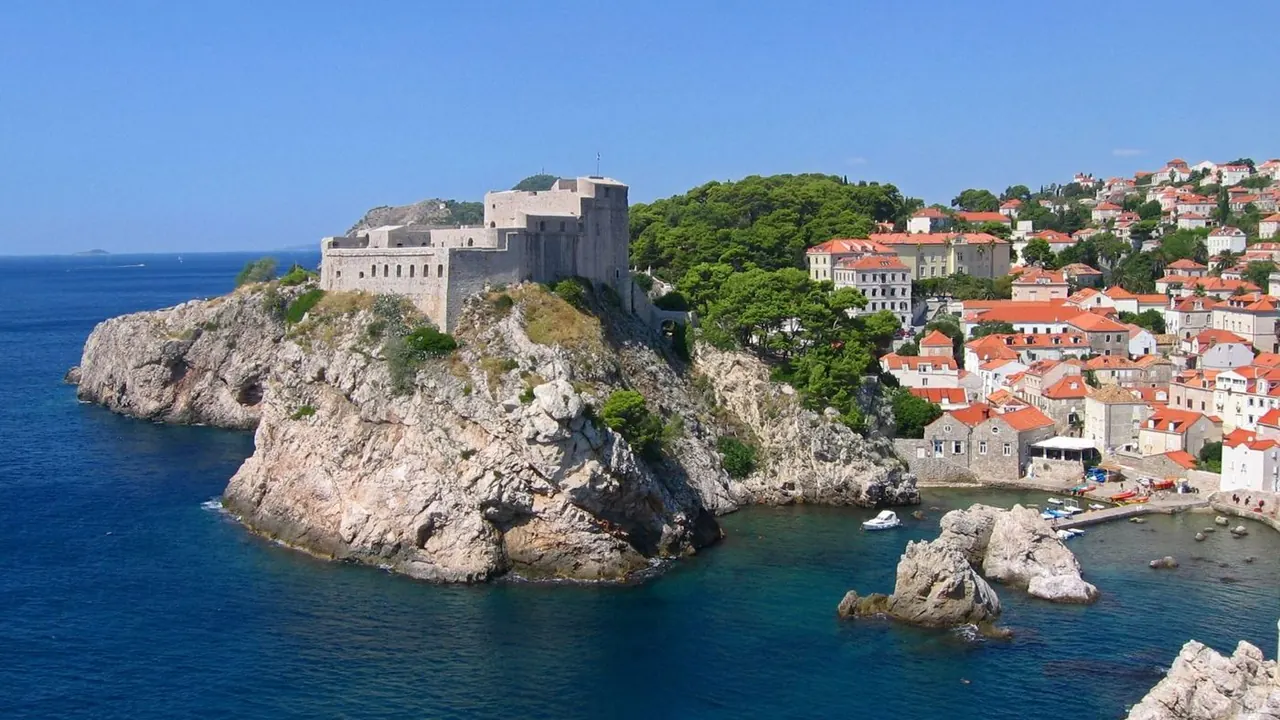
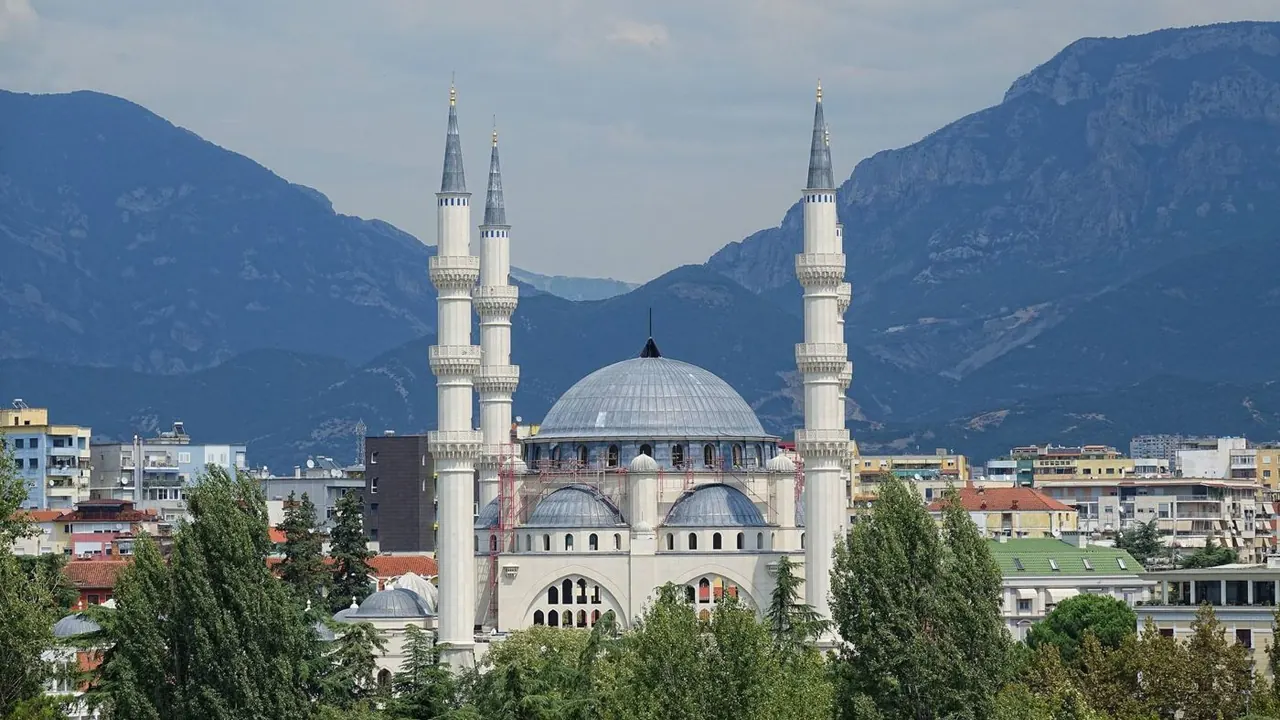
Photos: Dubrovnik by Natalia Semenova, CC BY 3.0, cropped; Tirana by Bjørn Christian Tørrissen, CC BY-SA 4.0, cropped.
Dubrovnik or Tirana?
Our verdict in twelve categories, each scored against the same fixed benchmark cities, and the climate month by month, so you can choose for your trip.
Choose Dubrovnik for
- culture and sights
- beaches
- families
Dubrovnik suits the traveller who wants the sea and the stone together. The walled Old Town is one of the great sights of the Adriatic, you can swim off the rocks and in island coves, and boats run out to Lokrum and the Elafiti islands. It is the better choice for a summer or shoulder-season stay where the setting matters more than the bill, and where an evening means a quiet drink with a view rather than a long night out.
Choose Tirana for
- prices
- nightlife
- food and drink
Choose Tirana if you want your money to go further and your evenings to run later. It is far cheaper, the cooking is heartier and more varied than Dubrovnik's seafood menus, and Blloku makes for a proper night out. The sights are mostly from the twentieth century and the sea is an excursion, so the city works best as a base for Kruja, Berat and Mount Dajti, for travellers curious about Albania rather than looking for a beach vacation.
Scoreboard
Twelve categories on one fixed scale from 0 to 100. The shaded stretch is the gap between the two.
Your match
Pick a travel style or drag the sliders, and both match scores follow your weighting.
Too close to call, level with your weighting
Wins on culture and sights and beaches with your weighting.
Wins on prices and nightlife with your weighting.
What matters to you?
Category by category
What the scores mean for a trip.
Beaches & swimming
Dubrovnik has the sea right on its doorstep. You swim in clear water from the rocks below the walls, at Banje or in the Lapad coves, and Lokrum and the Elafiti islands are a short boat ride away. The catch is that the beaches are pebble and concrete platforms rather than sand.
Tirana has no sea of its own. Durrës, under an hour away, has what Dubrovnik lacks, a long sandy beach with shallow water for children. But it is lined with hotels, packed on summer weekends and not always clear near the port. Albania's finest coves around Ksamil call for a separate trip.
Food & drink
Dubrovnik's cooking is good but narrow: Ston oysters, black risotto, grilled fish and Peljesac reds. These are best found in the konobas of Lapad, Gruz or Konavle, because the Old Town's menus are aimed at the day crowds, and there is little beyond seafood.
Tirana feeds a visitor better and more easily. Its farm-based cooking runs from tavë kosi and fërgesë to morning byrek from corner bakeries, and the farm restaurants on the hills around the city are worth the trip in themselves. Slow coffee and a closing raki shape the day, though high-end and international dining are limited.
Culture & sights
Dubrovnik's Old Town is a complete walled city. A walk round almost 2km of ramparts, then down the Stradun past the Rector's Palace and the Franciscan and Dominican monasteries, is one of the finest sightseeing walks in the Mediterranean. The price is the summer crowds in the narrow lanes.
Tirana's interest is more recent and more specific. The communist era is told through Bunk'Art and the House of Leaves, with the Et'hem Bey Mosque and Skanderbeg Square at the centre. These visits stay with you, but there is little older heritage in the city itself.
Nightlife
Dubrovnik's evenings are short and scenic: a sunset drink at the bars on the rocks outside the walls, wine in the lanes off the Stradun, and perhaps the club inside the Revelin fortress. It is a summer scene in a handful of streets, and in winter the Old Town is quiet by midnight.
Tirana gives you the better night out. Blloku, once the closed quarter of the communist leadership, is a whole grid of cocktail bars, terraces and small clubs, full of a young local crowd past midnight on summer weekends. Larger clubs near the Grand Park lake run into the early hours, and people dress up to be seen.
Nature & outdoors
Both cities have a mountain with a cable car right above town, but Dubrovnik adds the sea. From Mount Srd you look out over islands, and the best outdoor days are spent on the water: kayaking round the walls to Lokrum, walking between villages on the car-free Elafiti islands, or visiting the saltwater lakes of Mljet national park.
Tirana's outdoors is green and inland. There is beech and pine forest on Mount Dajti at about 1,000m, the turquoise Bovilla reservoir in its gorge, and rivers for rafting further out. In both cities, spring and autumn are the seasons for walking.
Day trips
Both make good bases, in different ways. From Dubrovnik the best days cross borders: the Bay of Kotor with Kotor and Perast, Trebinje under an hour away and Mostar on a long day. There are also easy boat trips to Cavtat and the Elafiti islands, though summer border queues can cost hours.
Tirana's trips lead into the history the capital itself lacks: Skanderbeg's castle at Kruja, Roman Durrës, and Berat, Shkodra and Apollonia about two hours out. Roads are slow and most trips go by car, minibus or tour, so plan on full days.
Good for families
Dubrovnik gives children more to do: walking the walls, the boat to Lokrum with its peacocks, the cable car and the calm Lapad coves for swimming, all in a city that feels safe. Stairs and summer crowds are the problem, so families usually stay in Lapad or Babin Kuk.
Tirana is warmly welcoming, with children up late in cafés and out on the evening stroll, and the Grand Park and the Dajti cable car make good outings. Beyond those there is little, and heavy traffic and broken pavements make a buggy hard work.
Getting around
Dubrovnik is a little easier for a visitor. The Old Town is car-free, simple city buses link the hotel districts to the Pile gate, and taxi boats and ferries reach Lokrum, Cavtat and the islands. The effort lies in the steep stairs and hills between districts.
Tirana's centre is flat, and Skanderbeg Square to Blloku is under twenty minutes' walk. Beyond that, bus routes are confusing and the wide roads need care to cross, so cheap taxis do most of the work.
Shopping & style
Neither is worth a trip for shopping. Dubrovnik's lanes are mostly souvenir shops, with a few genuine crafts such as Konavle embroidery and coral and filigree jewellery, and a morning market selling figs and candied orange peel.
Tirana has a little more range. The Pazari i Ri market sells cheese, honey and raki alongside carpets and copperware, Kruja's bazaar has felt hats and textiles, and for clothes there are boutiques in Blloku and chain stores in the malls.
Affordability
Dubrovnik is the most expensive city in Croatia. In summer, rooms near the Old Town cost as much as in a major Western European capital, and the walls, the cable car and boat trips soon add up. Staying in Lapad or Gruz and coming in spring or autumn softens the cost, but Dubrovnik is never cheap.
Tirana costs a fraction as much. Coffee, byrek, grilled-meat dinners, taxis and museum entry are all cheap, and central mid-range hotels are good value. Even Blloku's smarter cocktail bars charge well below what most European capitals ask.
Live music & performing arts
Dubrovnik's stage is mostly seasonal. In July and August the Summer Festival puts on theatre, concerts and dance at Fort Lovrijenac and in the Rector's Palace atrium, a fine setting. The rest of the year offers little beyond the symphony orchestra and the occasional concert in a church.
Tirana has the steadier programme. The National Theatre of Opera and Ballet on Skanderbeg Square stages opera, ballet and concerts through the season, tickets are easy to get, and a few bars host jazz and live bands. Neither scene runs deep.
Wellness & relaxation
Neither city has a bathing tradition, so spas in both mean hotel facilities. In Dubrovnik, rest depends on when and where you stay: a spring or autumn visit, or a few days on the Elafiti islands or in Cavtat, will do far more for you than a summer week in the crowded Old Town.
Tirana's nearest thermal water is at Llixha, about an hour away, with simple, old-fashioned spa hotels. In town, calm means long coffees on shaded terraces, the evening xhiro and walks in the Grand Park, away from the traffic noise that fills the centre.
When should you go?
Pick your month. The climate figures are measured averages, not a forecast.
Dubrovnik in July
Tirana in July
Daytime high, °C
Rainfall in the month, mm
Where the figures come from
Dubrovnik has no rain gauge within 25 km of the centre, so its rainfall comes from a gridded climate dataset read at the city rather than from a gauge further away.
Dubrovnik's sunshine is measured 83 km from the centre, at Mostar.
Temperature and rainfall are climate normals, averaged over the years shown. Dubrovnik: 1999-2020 (sunshine 1991-2020, rainfall 1991-2020) normals, Dubrovnik / Cilipi (15.3 km from centre). Tirana: 1961-1990 normals, Tirana (3 km from centre).
Dubrovnik is a beach destination from June to September, with long sunny days and a sea that reaches 26°C by August. May and early October are the gentler months for walking the walls and the hillsides, warm but not tiring. The rain sets in hard from September, which brings 103mm, and from November to February the city is cool, wet and often grey.
Tirana lies inland and runs hotter in high summer, around 31°C in July and August, which makes midday walking heavy going. The water at Durrës is about as warm as Dubrovnik's sea. Its autumn is somewhat drier, with 78mm in September and more sunshine in October, so April, May, September and October are its best months. Both cities are mild and wet from November to March, and Tirana is the duller of the two in December.
Which traveller are you?
For a beach and sun trip, Dubrovnik is the clear choice. You can swim off the rocks beneath the walls or at Banje, then take a boat to Lokrum or the Elafiti coves. From Tirana the sea means an hour's journey to crowded Durrës.
On a tight budget, Tirana is the easy choice. Saving money in Dubrovnik means a room out in Gruz, buses into town and deciding which paid sights to skip. In Tirana a central room, morning byrek, grilled-meat dinners and taxis to Bunk'Art barely need counting.
For a food and nightlife trip, Tirana gives more. Dubrovnik's eating centres on seafood, and its evenings stay within a few lanes and the rock bars. Tirana adds slow-baked lamb, fërgesë and farm restaurants in the hills, then late nights across Blloku's grid of bars.
Before you go
| Measure | Dubrovnik | Tirana |
|---|---|---|
| Official language | Croatian | Albanian |
| Currency | Euro (EUR) | Lek (ALL) |
| Sockets | CF230 V, 50 Hz | CF220 V, 50 Hz |
| Driving side | Right | Right |
| Time zone | UTC+1, UTC+2 in summer | UTC+1, UTC+2 in summer |
| Emergency number | 112 | 112 |
| Elevation | 10 m | 110 m |
| Main airport | Dubrovnik Ruđer Bošković Airport (DBV)16 km from centre76 non-stop destinations | Tirana International Airport Mother Teresa (TIA)13 km from centre121 non-stop destinations |
| Public holidays this year | 14 days | 14 days |
By the numbers
| Measure | Dubrovnik | Tirana |
|---|---|---|
| City population | 41,562 | 389,323 |
| People per km² | - | 9,314 |
| Museums within 10 km | 7 | 11 |
| UNESCO World Heritage sites within 50 km | 3 | 0 |
| Swim season, months above 21 °C | 5 months | 5 months |
Where else could you go?
Every comparison below shares a destination with this one, so you can follow Dubrovnik or Tirana somewhere new.