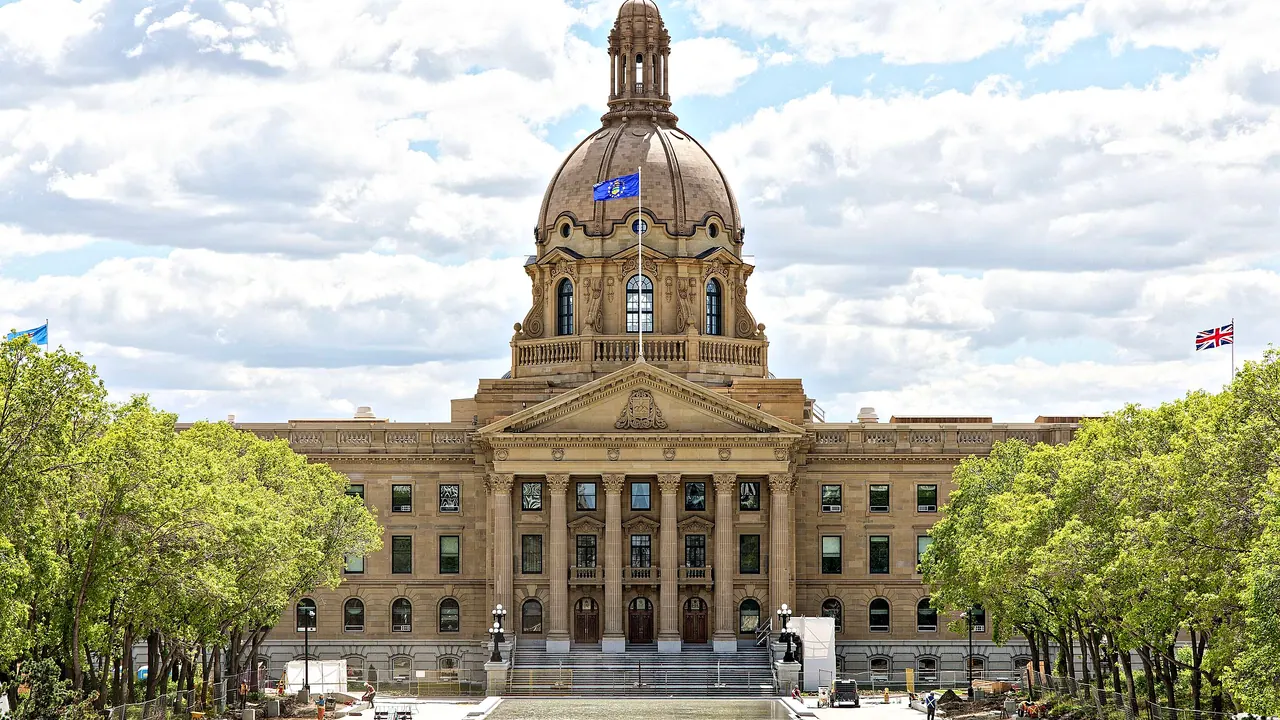
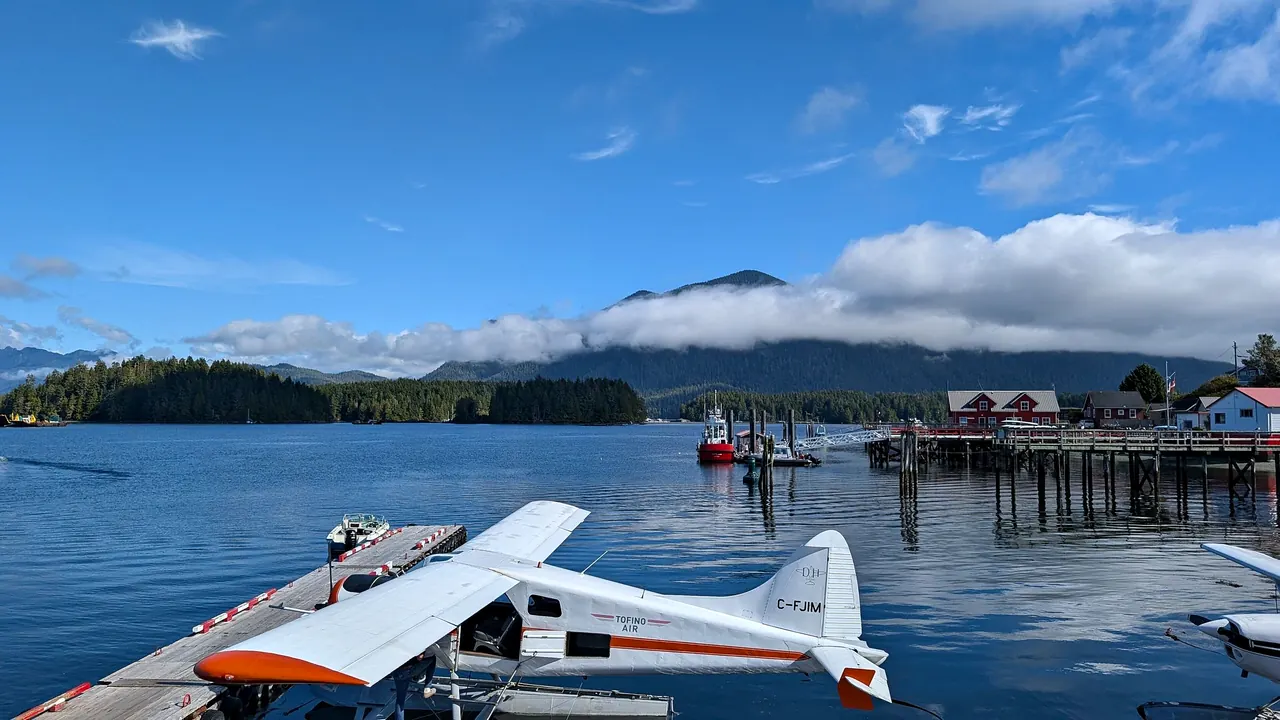
Photos: Edmonton by D. Benjamin Miller, CC0; Tofino by গীতাশ্ৰী গগৈ আপ্তে, CC0.
Edmonton or Tofino?
Our verdict in twelve categories, each scored against the same fixed benchmark cities, and the climate month by month, so you can choose for your trip.
Choose Edmonton for
- live music and the arts
- prices
- nightlife
Edmonton suits a traveller who wants a proper city with things to do from morning to late evening. It has museums, a summer of theatre and folk festivals, Whyte Avenue's bars and a giant indoor mall that keeps children busy whatever the weather. A stay costs far less than on the coast, and the river valley gives you a long green escape without leaving town. Expect a car-based prairie city with modest sights and a hard winter.
Choose Tofino for
- nature and the outdoors
- beaches
- wellness
Choose Tofino if the landscape is the whole point. It sits between old-growth rainforest and open Pacific surf, with whales, bears and sea otters close by and nothing to do in the evening but eat seafood and sit by a fire. It is quiet, expensive and wet, and it rewards people who want to slow down outdoors rather than see sights or go out at night.
Scoreboard
Twelve categories on one fixed scale from 0 to 100. The shaded stretch is the gap between the two.
Your match
Pick a travel style or drag the sliders, and both match scores follow your weighting.
Wins on live music and the arts and prices with your weighting.
Wins on nature and the outdoors and beaches with your weighting.
What matters to you?
Category by category
What the scores mean for a trip.
Beaches & swimming
Neither place is for a warm swim, but only Tofino has a coastline worth travelling for. Edmonton is a prairie city, and its nearest beaches are small lakes such as Pigeon Lake and Sylvan Lake, a drive away, which algae can close in late summer. Most visitors who want to swim end up in the mall's indoor wave pool.
Tofino's beaches are wide and dramatic. You can walk the long sweep of Long Beach, cross the sandbar at Chesterman at low tide or take a surf lesson at Cox Bay. The cold Pacific means you go in wearing a wetsuit to surf, and the shore is mainly for walking and beach fires.
Food & drink
The two are about equal, but the food could hardly be more different. Edmonton is a city of Alberta beef steakhouses, Ukrainian perogies and cabbage rolls, and good Vietnamese, Ethiopian or Lebanese cooking tucked into strip malls. Whyte Avenue and 124 Street add craft breweries and a few ambitious prairie kitchens.
Tofino's food is about the sea. It serves spot prawns, Dungeness crab and Clayoquot oysters, with fish tacos from food trucks at one end and West Coast tasting menus at the other. The choice runs to a few dozen places that keep short hours in winter, so Edmonton gives you more variety while Tofino gives you a stronger sense of place.
Culture & sights
Edmonton has the sights, modest as they are. The Royal Alberta Museum's First Nations galleries, the domed Legislature above the river, the Art Gallery of Alberta and the living-history streets of Fort Edmonton Park fill two good days.
In Tofino, culture means the Nuu-chah-nulth. You can visit galleries of carving and prints, perhaps watch a canoe being carved, and learn the story of the coast at the Kwisitis Visitor Centre. It fills an afternoon, and it is the setting rather than the sights that brings people here.
Nightlife
Edmonton is the only one of the two with a night out. Whyte Avenue's pubs, dive bars and small clubs fill with students at weekends, and the bars around the downtown arena come alive on hockey and concert nights. 124 Street suits a quieter glass of wine.
In Tofino the evening ends with dinner, a pint at the brewery taproom or a fire on the beach. Nothing stays open late, and most people are in bed early to catch the morning tide.
Nature & outdoors
This is where Tofino leaves Edmonton far behind. It has ancient cedars on the boardwalk trails of Pacific Rim National Park Reserve, the islands and inlets of Clayoquot Sound to explore by kayak, grey whales and sea otters from the boat and bears foraging along the shore at low tide. Winter storms crash onto the headlands, so even the wettest months have something to watch.
Edmonton's outdoors is gentler, and it starts right in town. More than 150km of trails run through the forested river valley, with skiing and skating in winter. Elk Island's bison herds and dark skies for the northern lights are under an hour away, but the mountains are a separate trip.
Day trips
Neither is a good base for excursions, but Edmonton has a few more within reach by car. The onion-domed churches of the Ukrainian Cultural Heritage Village and the vintage machines of the Reynolds-Alberta Museum each make a solid day out. The badlands at Drumheller and the mountains at Jasper or Banff need an overnight stay.
Tofino's only real outing by road is Ucluelet's lighthouse loop and its small aquarium, a half day down the peninsula. Boat trips into Clayoquot Sound are trips into the wilderness rather than visits to other towns, so most days stay on the local coast.
Good for families
Edmonton has far more built for children. West Edmonton Mall puts a waterpark, roller coasters and an ice rink under one roof, and the steam train at Fort Edmonton Park, the planetarium at the TELUS World of Science and the small Valley Zoo give a family a week of options in any weather.
Tofino gives children a different kind of freedom, with tide pools, driftwood forts, beginner surf lessons and whale-spotting from a boat. But it has nothing to fall back on when it rains, the water is too cold for long splashing, and the winding road in can be hard on young passengers.
Getting around
In both places a car makes life much easier, for different reasons. Edmonton is a big, spread-out city. The LRT, the High Level Bridge and winter pedways help in the centre, but the mall and Fort Edmonton Park are slow to reach by bus.
Tofino is tiny but long and thin. The village itself is a few walkable blocks, a paved path for bikes runs towards the national park, and the best outings, to Meares Island or Hot Springs Cove, go by water taxi or floatplane rather than by road.
Shopping & style
Edmonton offers far more shopping. West Edmonton Mall alone holds hundreds of chain stores. Whyte Avenue's record shops and vintage clothing and the boutiques and galleries on 124 Street add more individual shopping.
Tofino's best buys are in its galleries: Nuu-chah-nulth carving, silver jewellery and West Coast prints worth taking home. Beyond those you will find surf shops and souvenirs, and anything else means driving back across the island.
Affordability
Edmonton is much easier on the budget. Hotel rooms are moderately priced except during festival weeks and big hockey games, car hire is reasonable, and free festivals and river valley trails make a summer stay affordable.
Tofino carries a remote-resort premium on almost everything: scarce rooms, groceries brought over the mountains, restaurant meals and boat tours. Campgrounds and the stormy months from November to March are the main ways to cut costs.
Live music & performing arts
Edmonton has a real stage life, and Tofino has almost none. In August the Fringe fills Old Strathcona with hundreds of shows, and the Folk Music Festival takes over a hillside above the river. Through the rest of the year there are the Citadel Theatre, the symphony at the Winspear Centre, and opera and ballet at the Jubilee Auditorium.
In Tofino, live music means a local band at a pub now and then, plus a few community festivals in summer. Don't plan any evenings around performances.
Wellness & relaxation
Tofino is the better place to unwind, mainly because of its pace. Days follow the tides, and resort spas use seaweed and cedar in their treatments. A boat or floatplane takes you to Hot Springs Cove, where you can soak in natural hot pools that spill into the sea.
Edmonton's version is more deliberate. You can do the hot-cold circuit at a Nordic-style spa, at its best with snow on the ground, or spend a quiet afternoon among the plants in the Muttart Conservatory's pyramids. Most of the spas need a car.
When should you go?
Pick your month. The climate figures are measured averages, not a forecast.
Edmonton in July
Tofino in July
Daytime high, °C
Rainfall in the month, mm
Temperature and rainfall are climate normals, averaged over the years shown. Edmonton: 1991-2020 (sunshine 1981-2010) normals, University Of Alberta Metabolic Centre (2.5 km from centre). Tofino: 2011-2024 (rainfall 1991-2020) normals, Lennard Island (4.9 km from centre).
Edmonton swings between extremes. Midwinter highs sit around -5°C, so from November to March the streets are for brisk dashes between heated buildings, and the outdoor season really runs from May to September. July is the warmest and sunniest month at about 25°C, and the best time for the nearby lakes. It is also the wettest, with about 104mm, mostly in summer showers. June and August are slightly cooler and drier, and they are the most comfortable months for walking the river valley.
Tofino barely changes temperature through the year. It is mild in winter and cool in summer, so it is never too hot or too cold to be outside, but the rain varies enormously. January brings about 506mm, and November to March is storm-watching season rather than beach weather. From May to August the rain eases right off. July and August are the driest and mildest months, but the sea only reaches about 14°C even then, so you need a wetsuit all year. Summer suits both places. In winter Edmonton is frozen and dry, while Tofino is mild and soaked.
Which traveller are you?
For an outdoors trip, pick Tofino. In Edmonton, nature is something you fit around a city stay, such as a morning run or a canoe on the river. In Tofino it shapes the whole day: you plan around the tide, pack waterproofs and book boats ahead.
On a culture and arts trip, Edmonton is the obvious base. You can spend mornings in its galleries and museums and evenings at a play or concert, and if theatre matters most, come in August. In Tofino, an afternoon with the carvers is the whole programme.
On a tight budget, Edmonton is the safer bet, since a modest hotel, strip-mall dinners and free summer festivals cost little. Tofino is cheap only if you camp or come in the stormy winter, and its boat trips are where the money goes.
Before you go
| Measure | Edmonton | Tofino |
|---|---|---|
| Official language | French, English | French, English |
| Currency | Canadian Dollar (CAD) | Canadian Dollar (CAD) |
| Sockets | AB120 V, 60 Hz | AB120 V, 60 Hz |
| Driving side | Right | Right |
| Time zone | UTC-7, UTC-6 in summer | UTC-8, UTC-7 in summer |
| Emergency number | 911 | 911 |
| Elevation | 645 m | 10 m |
| Main airport | Edmonton International Airport (YEG)25 km from centre52 non-stop destinations | Tofino / Long Beach Airport (YAZ)12 km from centre1 non-stop destination |
| Public holidays this year | 13 days | 11 days |
By the numbers
| Measure | Edmonton | Tofino |
|---|---|---|
| City population | 1,010,899 | - |
| People per km² | 1,316 | - |
| Museums within 10 km | 13 | 0 |
| UNESCO World Heritage sites within 50 km | 0 | 0 |
| Swim season, months above 21 °C | - | None |
Where else could you go?
Every comparison below shares a destination with this one, so you can follow Edmonton or Tofino somewhere new.
- Victoriavs Tofino
- Vancouvervs Tofino
- Whistlervs Tofino
- Calgaryvs Edmonton
- Lake Louisevs Edmonton
- Banffvs Edmonton