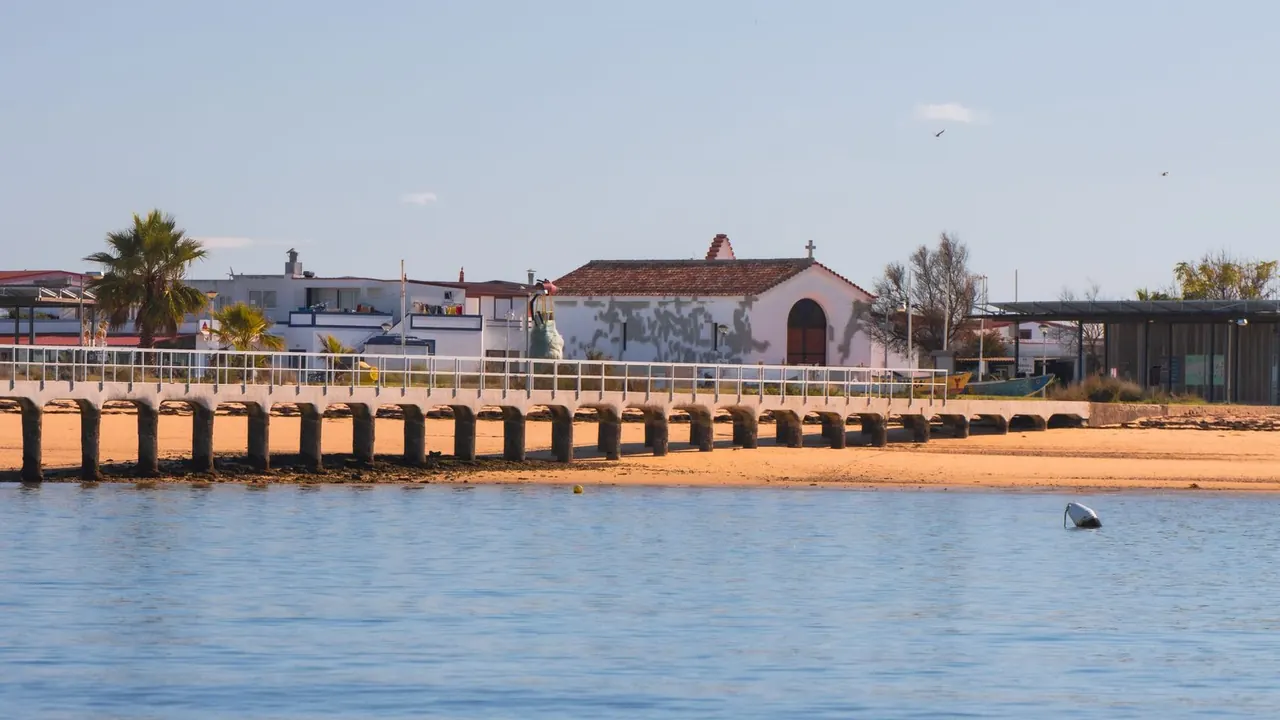
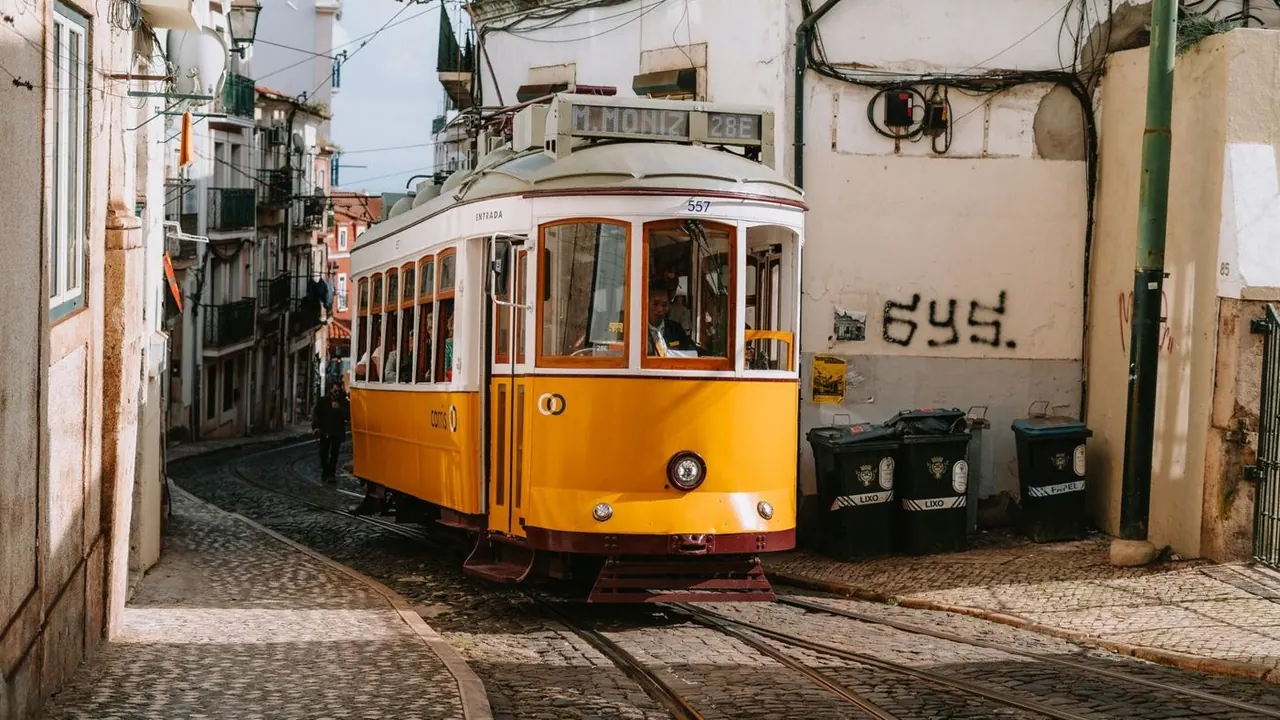
Photos: Faro by Efrem Efre, Pexels License; Lisbon by Riccardo Toso, Pexels License.
Faro or Lisbon?
Our verdict in twelve categories, each scored against the same fixed benchmark cities, and the climate month by month, so you can choose for your trip.
Choose Faro for
- beaches
- prices
Faro suits a slow, sunny trip built around sand and water. The barrier islands of the Ria Formosa give it long, quiet beaches with a warmer and calmer sea than anything near Lisbon, and the lagoon itself makes for birdwatching, kayaking and boat days. The town is small and easy to manage, and it makes a sensible base for touring the Algarve. Choose it if the evenings matter less than the days on the sand.
Choose Lisbon for
- culture and sights
- nightlife
- live music and the arts
Lisbon is the better pick for anyone who wants a city in the full sense. It has the monuments of Belem, the medieval lanes of Alfama, fado every night, late street drinking in Bairro Alto and a food and wine culture far deeper than Faro's. Sintra and a long list of heritage towns are within reach by train. The beaches are a pleasant extra rather than the point, and the hills ask more of your legs.
Scoreboard
Twelve categories on one fixed scale from 0 to 100. The shaded stretch is the gap between the two.
Your match
Pick a travel style or drag the sliders, and both match scores follow your weighting.
Wins on beaches and prices with your weighting.
Wins on culture and sights and nightlife with your weighting.
What matters to you?
Category by category
What the scores mean for a trip.
Beaches & swimming
Faro has the better beaches, though neither city has sand on its doorstep. From Faro a bus or summer ferry takes you to the barrier islands of the Ria Formosa, where kilometres of dune-backed sand meet a calm sea that warms up properly by late summer. Tavira's island beach and the golden coves around Albufeira add variety within an hour.
Lisbon's beaches are a train ride along the Cascais line or a trip across the river to Costa da Caparica. They are fine for an afternoon, and Carcavelos suits surfers, but the Atlantic stays cool and the swell can make swimming tricky. Only the Arrabida coves match Faro's sheltered water, and they need a car.
Food & drink
The two share the same base of grilled fish, clams and seafood stews, but Lisbon turns it into a much richer eating city. Family tascas, seafood beer halls, a pastelaria on every corner, ginjinha counters around Rossio and good wine from across Portugal poured cheaply give a food trip real depth. The best meals are in residential quarters such as Campo de Ourique rather than in Baixa.
Faro's cooking is honest and lagoon-focused: Ria Formosa oysters and cockles, cataplana, and almond and fig sweets. The range stops there, with little fine dining or international food, and the better seafood is a short train ride away in Olhão.
Culture & sights
This is where the gap is widest. Lisbon has the Manueline monuments of Belem, the rebuilt grid of the Baixa, the castle above Alfama, and museums such as the Gulbenkian and the National Tile Museum. That fills three or four days of serious sightseeing.
Faro offers a pleasant few hours rather than a programme. There are the walled Cidade Velha with its storks and cathedral tower, a Roman mosaic in the convent museum, and the bone chapel at the Igreja do Carmo. The Algarve's more memorable heritage lies in nearby towns.
Nightlife
Lisbon has a real night out and Faro mostly does not. In Lisbon the evening moves from sunset drinks at a miradouro to the street crowds of Bairro Alto and the later bars of Cais do Sodre, then on to warehouse clubs by the river that run until morning.
Faro's evenings centre on terraces along Rua do Prior and near the marina, livelier in university term and on summer weekends. For anything louder you have to drive to Albufeira.
Nature & outdoors
Lisbon has the wider and wilder range of landscapes: the misty Sintra hills, the cliffs at Cabo da Roca, kitesurfing at Guincho, surf at Ericeira, and Arrabida's limestone ridges with dolphin trips from Setubal. It suits active travellers who want variety.
Faro's strength is one superb wetland. The Ria Formosa begins at the edge of town, with flamingos and spoonbills in the salt pans, paddling through the channels and flat cycling lanes, while the cork-oak hills inland are gentle rather than dramatic. It is better for birdwatchers and easy paddling than for hiking or surfing.
Day trips
Faro's outings are on a small-town scale. Tavira, with its Roman bridge and riverfront, is half an hour east by train, Olhão has its fishing lanes and market halls, and inland there are Loulé's castle, the Roman villa at Milreu and the red sandstone castle at Silves. These are pleasant, easy days, though the inland places are simpler by car. Seville makes a long day across the border.
From Lisbon the excursions are bigger and more varied. Sintra's Pena Palace, Moorish Castle and Quinta da Regaleira fill a whole day only forty minutes away by train. Further out are Roman Evora among its wine estates, walled Obidos and three UNESCO monasteries at Alcobaca, Batalha and Tomar. If you want to spend several days on excursions, Lisbon gives you far more to choose from.
Good for families
Both cities work about equally well for children, but in different ways. Lisbon has the bigger single attractions, with the Oceanario, the science centre and the cable car together at Parque das Nacoes, plus trams and funiculars to ride. Its steep, slippery streets are hard going with a pushchair.
Faro is flat, quiet and easy, with gentle lagoon beaches and boat trips that children enjoy. Its water parks and marine park are a drive away, though, which is awkward without a car.
Getting around
Walking is easier in Faro. In its small, flat centre the old town, the marina and the station are a few minutes apart, buses run to the airport and Praia de Faro, and ferries go out to the islands. Once you leave town, the slow coastal railway and patchy regional buses leave gaps, and most visitors end up hiring a car.
In Lisbon it is the other way round. Seven hills and long stairways make even short walks tiring, but the metro, trams, funiculars, suburban trains and river ferries all run on one rechargeable card and reach Sintra and Cascais without a car. That network makes Lisbon the easier of the two to explore without driving.
Shopping & style
Lisbon offers far more to browse. Avenida da Liberdade has the luxury houses, Chiado has the old bookshops and glove makers, Principe Real has independent designers, and there are the Feira da Ladra flea market and LX Factory, with azulejos, Burel wool and linens worth carrying home.
Faro covers the basics on Rua de Santo António and at an out-of-town mall. Its best buys are edible: lagoon salt flower, almonds and fig sweets, with Loulé's market nearby for more choice.
Affordability
Day to day, the two cost about the same, with cheap coffee, wine and fish lunches in both. Faro is slightly easier on the wallet overall, and its rooms come down a long way outside July and August, though a hire car can cancel out the saving. In Lisbon the expense is central accommodation and the visitor-facing restaurants in Baixa and Chiado, so staying just outside the centre helps.
Live music & performing arts
Lisbon wins on fado alone, which you can hear every night in the casas of Alfama, Mouraria and Bairro Alto, and it adds the São Carlos opera house and the Gulbenkian's concert season.
Faro has the ornate Teatro Lethes and the Teatro das Figuras with its regional orchestra, but fado is only an occasional restaurant evening, and on many nights nothing is on.
Wellness & relaxation
Neither city has a bathing tradition, and in both, spas mean hotel facilities, along the golf coast near Faro or the Estoril coast near Lisbon. The difference is in the pace. Faro's quiet lagoon evenings and calm winters make rest easy in town, while in Lisbon resting usually means the Gulbenkian or Estrela gardens, or sleeping out in Cascais or Sintra away from the noisy, hilly old quarters.
When should you go?
Pick your month. The climate figures are measured averages, not a forecast.
Faro in July
Lisbon in July
Daytime high, °C
Rainfall in the month, mm
Temperature and rainfall are climate normals, averaged over the years shown. Faro: 1991-2020 normals, Faro / Aeroporto (2.8 km from centre). Lisbon: 1991-2020 normals, Lisboa / Geof (1.1 km from centre).
Both cities have the same basic rhythm: dry, hot summers and rain that sets in from October. Faro is the warmer, drier and sunnier of the two all year. Its sea reaches about 22°C in August, against roughly 19°C off Lisbon's Atlantic beaches, so Faro's swimming season feels longer and gentler, and warm days carry well into October. In midsummer both reach the high twenties, which is fine for the beach. In Faro's flat streets it can feel heavy at midday, and Lisbon's climbs make the heat harder work.
Winter is where they differ most. Lisbon gets far more rain, with November the wettest month at around 121mm, and its slippery stone pavements make wet days awkward. Faro stays milder and brighter, so it is the better choice for a winter escape. For city walking, spring and autumn suit Lisbon best, especially May and late September, when it is warm, mostly dry and not yet tiring on the hills.
Which traveller are you?
On a beach and sun trip, Faro is the clear choice. Its sandy island beaches on Culatra and Ilha Deserta face a warmer, calmer sea, and the sunshine lasts longer through the year. Lisbon's cooler Atlantic beaches work better as a day out from the city.
For a culture and arts trip, Lisbon is far ahead. It has the Jeronimos Monastery, the Gulbenkian and the Tile Museum, nightly fado in Alfama and an opera house. Faro's walled old town and cathedral fill a relaxed day, and that is about all.
On a food and nightlife trip, go to Lisbon. Neighbourhood tascas, seafood beer halls and cheap regional wine lead into late nights in Bairro Alto and the riverside clubs. Faro offers good grilled fish and a quiet bar terrace, and most nights end after dinner.
Before you go
| Measure | Faro | Lisbon |
|---|---|---|
| Official language | Portuguese | Portuguese |
| Currency | Euro (EUR) | Euro (EUR) |
| Sockets | CF230 V, 50 Hz | CF230 V, 50 Hz |
| Driving side | Right | Right |
| Time zone | UTC, UTC+1 in summer | UTC, UTC+1 in summer |
| Emergency number | 112 | 112 |
| Elevation | 10 m | 100 m |
| Main airport | Faro - Gago Coutinho International Airport (FAO)3 km from centre91 non-stop destinations | Lisbon Humberto Delgado Airport (LIS)7 km from centre156 non-stop destinations |
| Public holidays this year | 14 days | 14 days |
By the numbers
| Measure | Faro | Lisbon |
|---|---|---|
| City population | 64,560 | 545,796 |
| People per km² | 319 | 5,453 |
| Museums within 10 km | 2 | 80 |
| UNESCO World Heritage sites within 50 km | 0 | 3 |
| Swim season, months above 21 °C | 3 months | None |
Where else could you go?
Every comparison below shares a destination with this one, so you can follow Faro or Lisbon somewhere new.