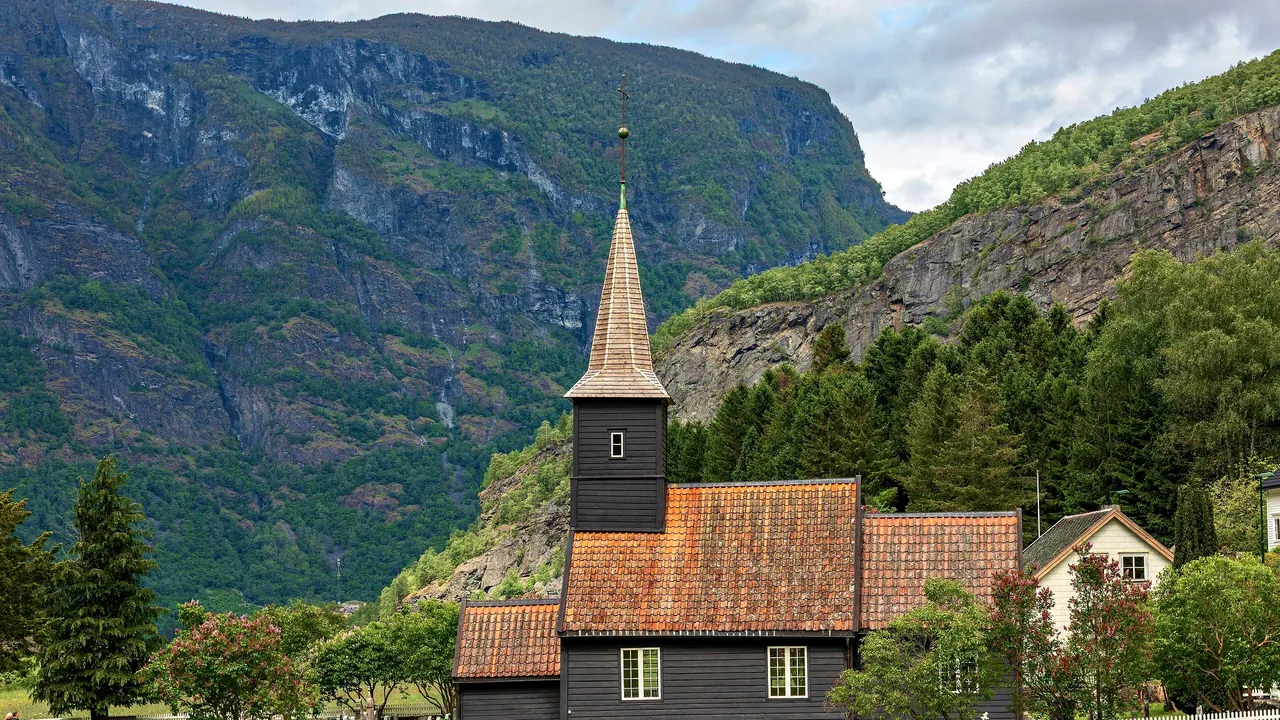
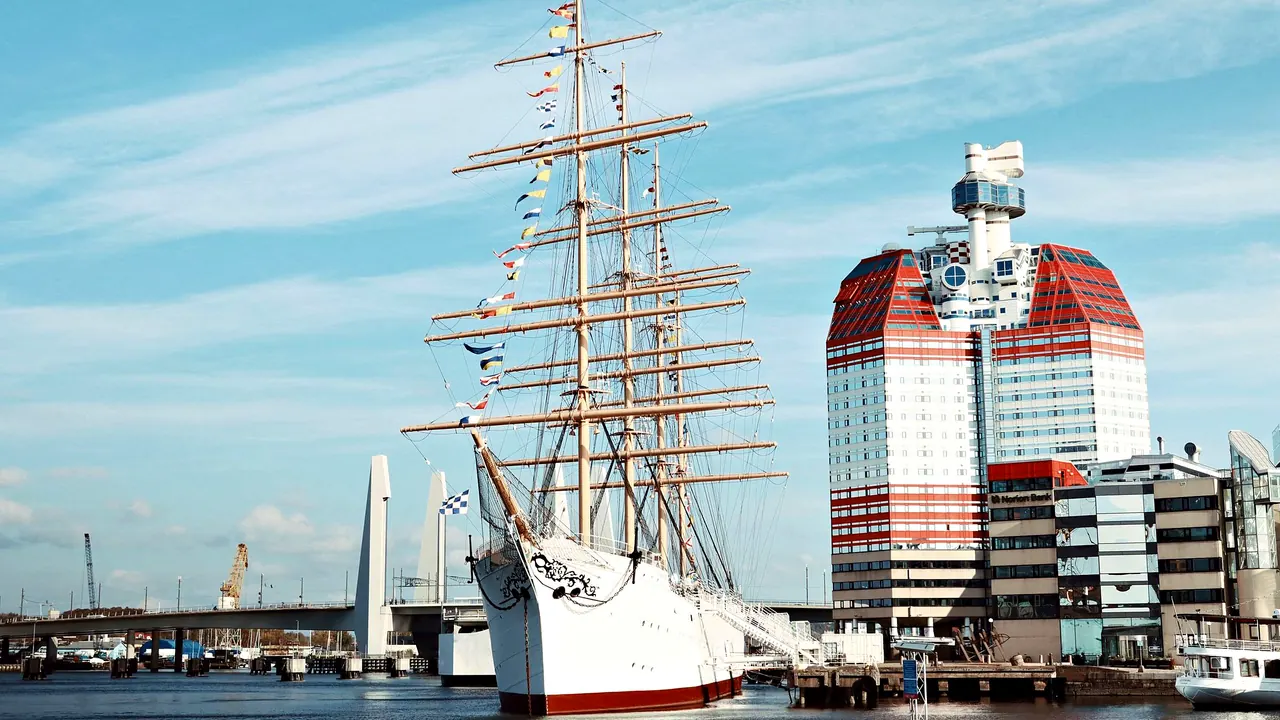
Photos: Flåm by Ximonic (Simo Räsänen), CC BY-SA 4.0, cropped; Gothenburg by Efrem Efre, Pexels License.
Flåm or Gothenburg?
Our verdict in twelve categories, each scored against the same fixed benchmark cities, and the climate month by month, so you can choose for your trip.
Choose Flåm for
- nature and the outdoors
Flåm is for travellers who come for the landscape and very little else. The Nærøyfjord by boat or kayak, the mountain railway up to Myrdal and long walks down valleys past old summer farms are the whole point. Evenings are quiet and meals are simple, so it works best for a few active summer days, often as one leg of a wider route through western Norway.
Choose Gothenburg for
- live music and the arts
- shopping
- food and drink
For a rounded stay with more to do between outings, Gothenburg is the stronger pick. It has seafood halls and good restaurants, an orchestra and opera house, Liseberg and Universeum for children, and trams and ferries that reach the granite islands without a car. The scenery is gentler than the fjords, but the town itself keeps you busy in any weather.
Scoreboard
Twelve categories on one fixed scale from 0 to 100. The shaded stretch is the gap between the two.
Your match
Pick a travel style or drag the sliders, and both match scores follow your weighting.
Wins on nature and the outdoors with your weighting.
Wins on live music and the arts and shopping with your weighting.
What matters to you?
Category by category
What the scores mean for a trip.
Beaches & swimming
Neither is a beach destination, but Gothenburg at least gives you a summer swim. Its granite rocks and small coves at Askim, Saltholmen and on the car-free islands such as Styrsö and Vrångö are a tram and ferry ride away, with clear water in July and August.
In Flåm the shoreline is shingle, rock and quay, and snowmelt keeps the fjord cold all summer. Swimming there means a brief plunge from the rocks, usually straight out of the sauna.
Food & drink
Gothenburg is a proper eating city built on the Bohuslän catch: langoustines, oysters, shrimp sandwiches and autumn lobster, seen fresh in Feskekôrka and Stora Saluhallen. Add a serious fine-dining tier and the cardamom-bun fika of Haga, and meals become part of the reason to visit.
Flåm has a handful of hotel restaurants, cafés and a brewery pub around the harbour. Fjord salmon and the goat cheeses of Undredal are worth trying, but choice is thin, especially at night.
Culture & sights
Gothenburg gives you a couple of good days of sightseeing: the Museum of Art on Götaplatsen, the City Museum in the old East India Company building, the Röhsska design collection, the canals laid out by Dutch engineers and the wooden houses of Haga beneath Skansen Kronan.
Flåm has only its small railway museum and the painted wooden church of 1670 up the valley. The region's real heritage, such as the Borgund stave church, means leaving the village.
Nightlife
Gothenburg offers a genuine night out, with mainstream clubs along Kungsportsavenyn and a looser mix of student pubs, cocktail bars and dive bars around Järntorget, Linnégatan and Andra Långgatan, busiest at weekends in term time. Flåm has a brewery pub and a couple of hotel bars, and the evening usually ends with a walk by the fjord.
Nature & outdoors
Flåm is the place for dramatic landscape. Mountainsides rise almost sheer from the Aurlandsfjord, the UNESCO-listed Nærøyfjord narrows to a few hundred metres between cliffs, and the railway climbs to the high plateau at Myrdal. Hiking, kayaking, cycling the Rallarvegen and spotting seals and eagles are all close at hand.
Gothenburg's outdoors is coastal and gentler: bare granite islands with heather and kayaking routes, the Delsjön lakes for woodland walks and canoeing, and sailing as part of everyday life. It makes for pleasant days on the water and in the woods, but with no mountains it cannot match the sheer cliffs and waterfalls of the fjords.
Day trips
Gothenburg has the wider choice, with towns as well as scenery. Marstrand's fortress island and Varberg's seaside fortress are each about an hour away, Trollhättan's locks make an easy half day, and with a car the fishing villages of Bohuslän and the Bronze Age rock carvings at Tanum come within reach.
From Flåm the outings are small and rural: Undredal, the Viking village at Gudvangen, Borgund stave church through the Lærdal tunnel and the lake town of Voss. Bergen is too far for a comfortable return trip.
Good for families
Gothenburg is built for children. Liseberg sits a short walk from the centre, Universeum mixes an aquarium, science centre and indoor rainforest for wet days, and the ship museum lets children clamber through a submarine. Trams take buggies easily and restaurants expect families.
Flåm thrills children with its mountain railway, fjord boats and the Viking village at Gudvangen, but there is little else for them, and the hikes suit older children. Summer cruise crowds at the harbour can wear small ones out.
Getting around
Gothenburg is the easier of the two to get around. Flåm itself takes ten minutes to cross on foot, and the railway, fjord boats and buses link it to Myrdal, Gudvangen and Voss. Services thin out after summer, though, so connections take planning, and reaching Stegastein or the stave churches is far simpler by car, on tunnelled, narrow roads.
In Gothenburg the flat centre is quick to walk, and one ticket covers Scandinavia's largest tram network, the buses, the river ferries and the boats out to the archipelago. You need a car only for the remote fishing villages up the coast.
Shopping & style
Gothenburg offers real browsing: Nordic fashion labels along Kungsgatan, chains in Nordstan, and independent boutiques, vintage and record shops in Haga, Linnéstaden and Majorna. Flåm's shopping is limited to souvenir shops by the station selling trolls, knitwear, outdoor clothing and goat cheese to day visitors.
Affordability
Neither is cheap, but Flåm is the harder on the wallet. Norwegian food and alcohol prices meet a tiny village with few rooms, and the railway and boat trips add up. Cabins, the campsite and the supermarket are the main savings, along with free hiking.
Gothenburg leaves more room to manage. The weekday set lunch, the transport ticket that includes the island ferries, and picnics on the rocks keep a stay reasonable by Scandinavian standards.
Live music & performing arts
Gothenburg has a full cultural calendar. The national symphony orchestra plays in the Konserthuset on Götaplatsen, GöteborgsOperan stages opera and well-regarded contemporary dance, and indie and metal bands play the venues around Järntorget, with Way Out West filling Slottsskogen in August. Flåm has no stage at all beyond the odd musician in the pub, and Bergen is the nearest place for a concert.
Wellness & relaxation
Both offer the Nordic routine of sauna and cold water, so the difference lies in setting. Flåm's calm comes from its silence once the day visitors leave, with a floating sauna on the fjord and long summer evenings by the water, though midday in summer can feel crowded.
Gothenburg spreads its calm around town: sea plunges from jetties, the municipal pools and saunas of Valhallabadet, quiet parks, unhurried fika and ferry rides out to the islands.
When should you go?
Pick your month. The climate figures are measured averages, not a forecast.
Flåm in July
Gothenburg in July
Daytime high, °C
Rainfall in the month, mm
Where the figures come from
Flåm's temperatures are measured 59 km from the centre, at Evanger.
Flåm has no rain gauge within 25 km of the centre, so its rainfall comes from a gridded climate dataset read at the city rather than from a gauge further away.
Temperature and rainfall are climate normals, averaged over the years shown. Flåm: 2010-2025 (rainfall 1991-2020) normals, Evanger (59.3 km from centre). Gothenburg: 1991-2020 normals, Goteborg Save Airport (9.8 km from centre).
Flåm is at its best from late May to early September, when daytime highs of about 16 to 21°C make for comfortable hiking and the valley slopes are green. Spring is the driest stretch there, with April especially settled. From September the rain sets in hard and stays through to January, at around 100mm to 112mm a month, and winter days hover just above freezing, with snow on the mountains and little walking weather.
Gothenburg warms on much the same curve, with July and August the warmest months, but its autumn and early winter are noticeably less wet than Flåm's. The sea only reaches about 18°C in July and August, the short window for a swim off the rocks, and May to August is the sunniest part of the year. From November to February the days turn grey and short of sun, better suited to museums and cafés than island trips.
Which traveller are you?
On an outdoors trip, Flåm is the clear choice. Fjord cliffs, waterfalls, the Stegastein viewpoint, the Aurlandsdalen hike and the Rallarvegen cycle route are on the doorstep, whereas Gothenburg offers coastal paths and lakes but no mountains.
On a family trip with children, Gothenburg makes life much easier. Liseberg, Universeum's aquarium and rainforest, the free animal park in Slottsskogen and buggy-friendly trams cover every age, while Flåm suits only children old enough for proper walks.
For a food and nightlife trip, Gothenburg wins comfortably. Its langoustines, shrimp and fish halls are followed by bars around Järntorget and Andra Långgatan, while Flåm offers a brewery pub, hotel dining rooms and an early night.
Before you go
| Measure | Flåm | Gothenburg |
|---|---|---|
| Official language | Norwegian, Nynorsk, Bokmål, Sámi | Swedish |
| Currency | Norwegian Krone (NOK) | Swedish Krona (SEK) |
| Sockets | CF230 V, 50 Hz | CF230 V, 50 Hz |
| Driving side | Right | Right |
| Time zone | UTC+1, UTC+2 in summer | UTC+1, UTC+2 in summer |
| Emergency number | Police 112, ambulance 113, fire 110 | 112 |
| Elevation | 49 m | 12 m |
| Main airport | Bergen Airport, Flesland (BGO)121 km from centre64 non-stop destinations | Göteborg Landvetter Airport (GOT)19 km from centre79 non-stop destinations |
| Public holidays this year | 13 days | 16 days |
By the numbers
| Measure | Flåm | Gothenburg |
|---|---|---|
| City population | 293 | 674,529 |
| People per km² | - | 2,484 |
| Museums within 10 km | 0 | 39 |
| UNESCO World Heritage sites within 50 km | 1 | 0 |
| Swim season, months above 21 °C | - | None |
Where else could you go?
Every comparison below shares a destination with this one, so you can follow Flåm or Gothenburg somewhere new.
- Bergenvs Flåm
- Aarhusvs Gothenburg
- Stavangervs Flåm
- Oslovs Flåm
- Copenhagenvs Gothenburg
- Malmovs Gothenburg