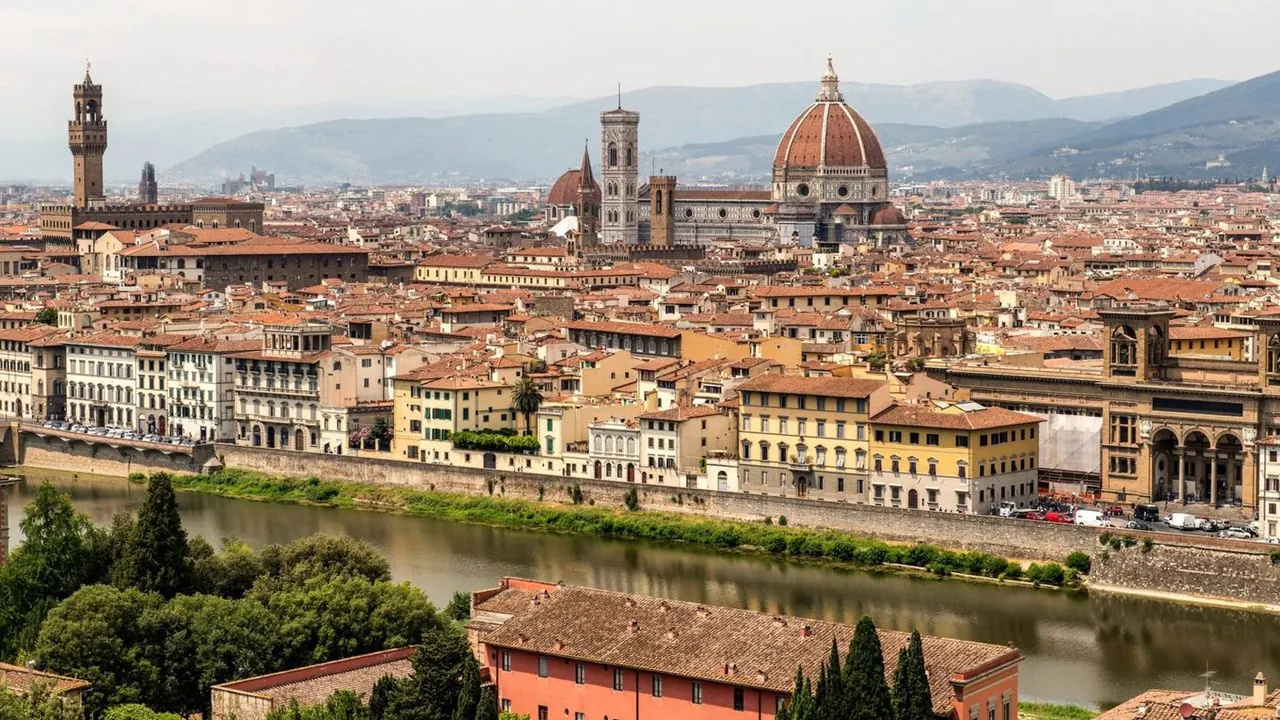
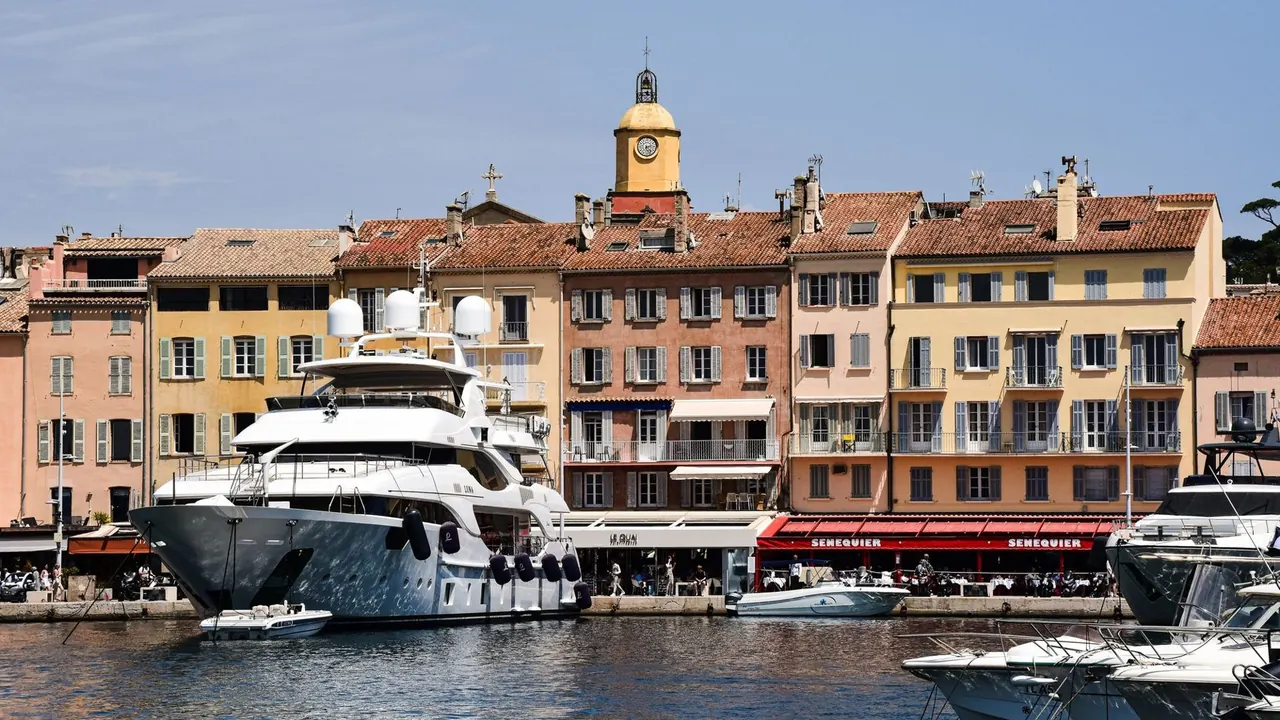
Photos: Florence by Wolfgang Weiser, Pexels License; Saint-Tropez by AXP Photography, Pexels License.
Florence or Saint-Tropez?
Our verdict in twelve categories, each scored against the same fixed benchmark cities, and the climate month by month, so you can choose for your trip.
Choose Florence for
- culture and sights
- getting around
- day trips
Florence is the pick for travellers who want their days full of things to see. The Renaissance is packed into a centre you can walk across in twenty minutes, the trattorie and market stalls feed you well, and Siena, Pisa, Lucca and the Chianti hills are all close enough for a day out. It also costs less to stay here, though it is still not a cheap city. It suits a city break, a first trip to Italy or a week of art and Tuscan countryside.
Choose Saint-Tropez for
- beaches
- nightlife
- nature and the outdoors
Saint-Tropez is a summer resort, and most people come for the sea. The sandy beaches at Pampelonne, the coast path round the peninsula and the clear water of the gulf are the reason to go, and the evenings are glamorous beach clubs and harbour terraces. It suits a sunny week by the water, ideally with a car and a generous budget. If you want museums, varied eating or easy transport, you will run out of things to do.
Scoreboard
Twelve categories on one fixed scale from 0 to 100. The shaded stretch is the gap between the two.
Your match
Pick a travel style or drag the sliders, and both match scores follow your weighting.
Wins on culture and sights and getting around with your weighting.
Wins on beaches and nightlife with your weighting.
What matters to you?
Category by category
What the scores mean for a trip.
Beaches & swimming
Florence is inland, and swimming has no part in a normal stay. A hotel pool or a public pool on the edge of town is the realistic way to cool off, and the sandy Versilia beaches are a full day's outing by train.
Saint-Tropez is the opposite. Pampelonne gives you about 5km of fine sand with beach clubs and public stretches, and Escalet, Cap Taillat and Gigaro are quieter coves further down the coast. If time in the sea matters, there is no real contest.
Food & drink
Florence has more variety and more good food at everyday prices: bistecca, ribollita, lampredotto from the carts, the Mercato Centrale and Sant'Ambrogio market, and Chianti by the glass in wine bars. The trattorie of the Oltrarno reward anyone who walks a few streets away from the Duomo.
In Saint-Tropez the cooking is Provençal, with grilled fish, aïoli and long rosé lunches on the sand, and the top hotel dining rooms are genuinely good. Simple, good-value meals are hard to find, though, and much of the town closes in winter, so Florence gives a food-minded traveller far more to explore.
Culture & sights
This is where the two differ most. Florence holds Brunelleschi's dome, Botticelli at the Uffizi, David at the Accademia, the Fra Angelico cells at San Marco and the Pitti Palace, enough for a week of serious looking.
Saint-Tropez has the Musée de l'Annonciade with its Signac and the Fauves, the citadel's maritime museum and the lanes of La Ponche. These are pleasant, but they fill one day, and they are not why people go.
Nightlife
In high summer Saint-Tropez has the bigger night out: afternoon beach parties at Pampelonne, champagne on the harbour terraces and a few famous clubs open until dawn, all with dress codes and table service. The catch is the short season, since by October the harbour is quiet.
Florence suits people who like to talk more than dance. Evenings mean aperitivo, then drinks on Piazza Santo Spirito or around Sant'Ambrogio, with outdoor bars along the Arno in summer, and the night ends earlier. Its advantage is that the evenings stay much the same all year.
Nature & outdoors
Saint-Tropez has the wilder setting. The Sentier du Littoral runs past pine-backed coves to the capes of Camarat and Taillat, the Massif des Maures has cork-oak forest, and there is sailing, snorkelling and the national park islands of Port-Cros and Porquerolles.
Around Florence the countryside is gentler and farmed: olive terraces at Fiesole, cypress lanes and vineyards in Chianti, and the Casentino forests further out. It is good walking and cycling country, but it has no sea, which is the main thing the coast offers.
Day trips
Florence is one of the best bases anywhere for day trips. Siena, Pisa and Lucca are easy by train or bus, Bologna is under forty minutes away by fast train, and San Gimignano, Volterra and the Val d'Orcia towns fill the remaining days.
From Saint-Tropez the outings are pleasant but smaller: the hill villages of Ramatuelle and Gassin, the canals of Port Grimaud by boat, wine estates and Porquerolles. They all depend on gulf roads that jam badly in summer.
Good for families
Neither place is built around children, but they suit families in different ways. In Florence you keep them interested with climbing the dome, the secret passages of Palazzo Vecchio, the globes at the Museo Galileo and the Boboli Gardens, which works best in spring or autumn.
Saint-Tropez gives children gently shelving sand at Pampelonne and Gigaro and little else. Families there are often better off staying across the gulf in Sainte-Maxime and coming over by boat.
Getting around
Both towns are easy on foot within the centre. The difference is everything outside it. Florence has its main station in the middle of town, trams to the airport and buses up to Fiesole, so you rarely need a car except for the hill villages.
Saint-Tropez has no railway, slow buses, beaches several kilometres out and one gulf road that jams for hours in summer. Most visitors end up paying for a car, a scooter or taxis, and the passenger boats are the pleasant way to arrive.
Shopping & style
Florence has the broader and more lasting range: leather from market stalls and workshops, marbled paper, the goldsmiths of the Ponte Vecchio, the gilders and restorers of the Oltrarno, and the fashion houses on Via de' Tornabuoni. All of it is open year round.
Saint-Tropez has a surprising cluster of luxury boutiques for its size, along with resort wear and the hand-stitched Tropézienne sandal. Beyond that, choice is narrow, and many shops close for the winter.
Affordability
A stay in Florence costs a good deal less, though for a city of its size it is still dear. Most of the money goes on a central hotel from spring to autumn and on admission fees, since the Uffizi, the Accademia and the dome climb add up quickly over a few days. Food and transport are where you win it back: a lampredotto roll or a market-counter lunch, a carafe of house wine, and a centre you cross on foot.
In Saint-Tropez the summer premium reaches almost everything, from the room and the harbourside table to a lounger at Pampelonne and a coffee on the port. Getting about costs extra as well, because with no railway the beaches several kilometres out mean paying for taxis or parking. Late spring and autumn bring the bill down a little, but no season is cheap.
Live music & performing arts
Florence, where opera was born, still has a proper season. The Teatro del Maggio Musicale Fiorentino has its own orchestra, the spring festival is among Europe's oldest, and there are chamber concerts in churches and palaces all year.
Saint-Tropez offers summer open-air concerts on the citadel and the Bravade procession in May. For opera or theatre you have to drive to Toulon or Nice.
Wellness & relaxation
Neither town has a bathing culture of its own. Florence comes out slightly ahead because real spas are close by: Montecatini Terme is under an hour by train, the hot springs at Saturnia and Bagno Vignoni are a longer outing, and a farm stay in the hills is the classic way to slow down.
In Saint-Tropez the spas belong to the luxury hotels. The calm comes from timing instead: in May, June or September the town settles into long lunches, morning walks to the citadel and pétanque under the plane trees.
When should you go?
Pick your month. The climate figures are measured averages, not a forecast.
Florence in July
Saint-Tropez in July
Daytime high, °C
Rainfall in the month, mm
Where the figures come from
Florence has no rain gauge within 25 km of the centre, so its rainfall comes from a gridded climate dataset read at the city rather than from a gauge further away.
Florence's sunshine is measured 71 km from the centre, at Pisa / S. Giusto.
Saint-Tropez has no rain gauge within 25 km of the centre, so its rainfall comes from a gridded climate dataset read at the city rather than from a gauge further away.
Saint-Tropez's sunshine is measured 62 km from the centre, at Nice.
Temperature and rainfall are climate normals, averaged over the years shown. Florence: 1995-2020 (sunshine 1991-2020, rainfall 1991-2020) normals, Firenze / Peretola (5.6 km from centre). Saint-Tropez: 1999-2020 (sunshine 1991-2020, rainfall 1991-2020) normals, Le Luc (24.2 km from centre).
Through the warm months the two places have almost the same daytime temperatures, peaking around 32°C in July and August. The difference is what that heat means. In Florence it makes the streets and museum queues hard work, so April, May, late September and October are the better months for walking the city. In Saint-Tropez the same heat is the point. The sea reaches about 24°C in August and is comfortable for swimming from June to September. July is very dry and has slightly more sunshine than Florence.
Both get their heaviest rain in late autumn, with November the wettest month in each and Saint-Tropez the wetter of the two at 155mm. In winter the coast stays a few degrees milder and noticeably sunnier than the Arno valley. Florence still works as a winter city for museums, but Saint-Tropez in that season is a quiet place for walks and not for swimming.
Which traveller are you?
For a beach and sun trip, Saint-Tropez is the obvious choice. Long sandy beaches, quieter coves to the south and a warm, clear sea fill the summer days. In Florence the nearest beach is a full day away on the Versilia coast.
On a culture and arts trip, Florence wins by a long way. The Uffizi, the Accademia, the Bargello and the Duomo are all within walking distance, and opera and classical concerts fill the evenings. Saint-Tropez has one fine museum of painting, and you can see its sights in a day.
On a tight budget, Florence is much easier. Street food, market lunches, cheap house wine and a walkable centre keep daily costs down. Saint-Tropez is priced for the yachting crowd, and budget visitors usually stay elsewhere and come over for the day.
Before you go
| Measure | Florence | Saint-Tropez |
|---|---|---|
| Official language | Italian | French |
| Currency | Euro (EUR) | Euro (EUR) |
| Sockets | CFL230 V, 50 Hz | CE230 V, 50 Hz |
| Driving side | Right | Right |
| Time zone | UTC+1, UTC+2 in summer | UTC+1, UTC+2 in summer |
| Emergency number | 112 | 112 |
| Elevation | 50 m | 0 m |
| Main airport | Florence Airport, Peretola (FLR)6 km from centre46 non-stop destinations | Nice-Côte d'Azur Airport (NCE)64 km from centre130 non-stop destinations |
| Public holidays this year | 13 days | 11 days |
By the numbers
| Measure | Florence | Saint-Tropez |
|---|---|---|
| City population | 360,930 | 3,582 |
| People per km² | 3,528 | 320 |
| Museums within 10 km | 141 | 4 |
| UNESCO World Heritage sites within 50 km | 4 | 0 |
| Swim season, months above 21 °C | - | 3 months |
Where else could you go?
Every comparison below shares a destination with this one, so you can follow Florence or Saint-Tropez somewhere new.