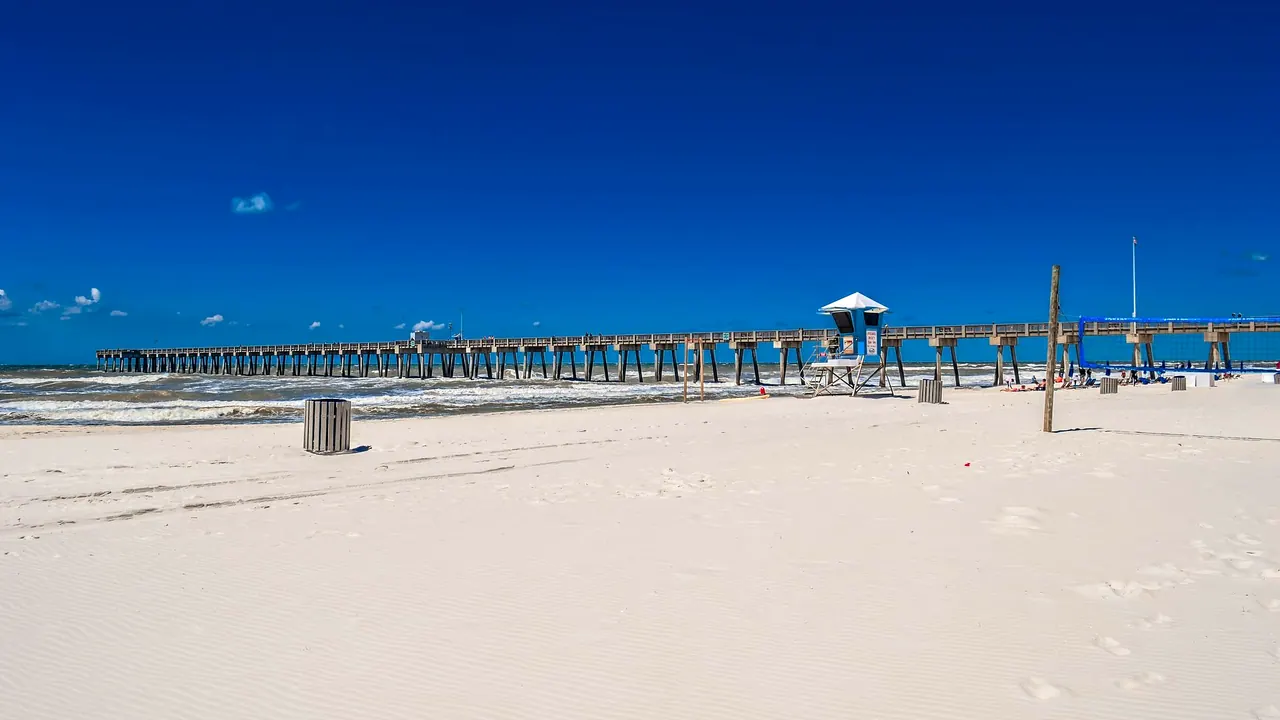
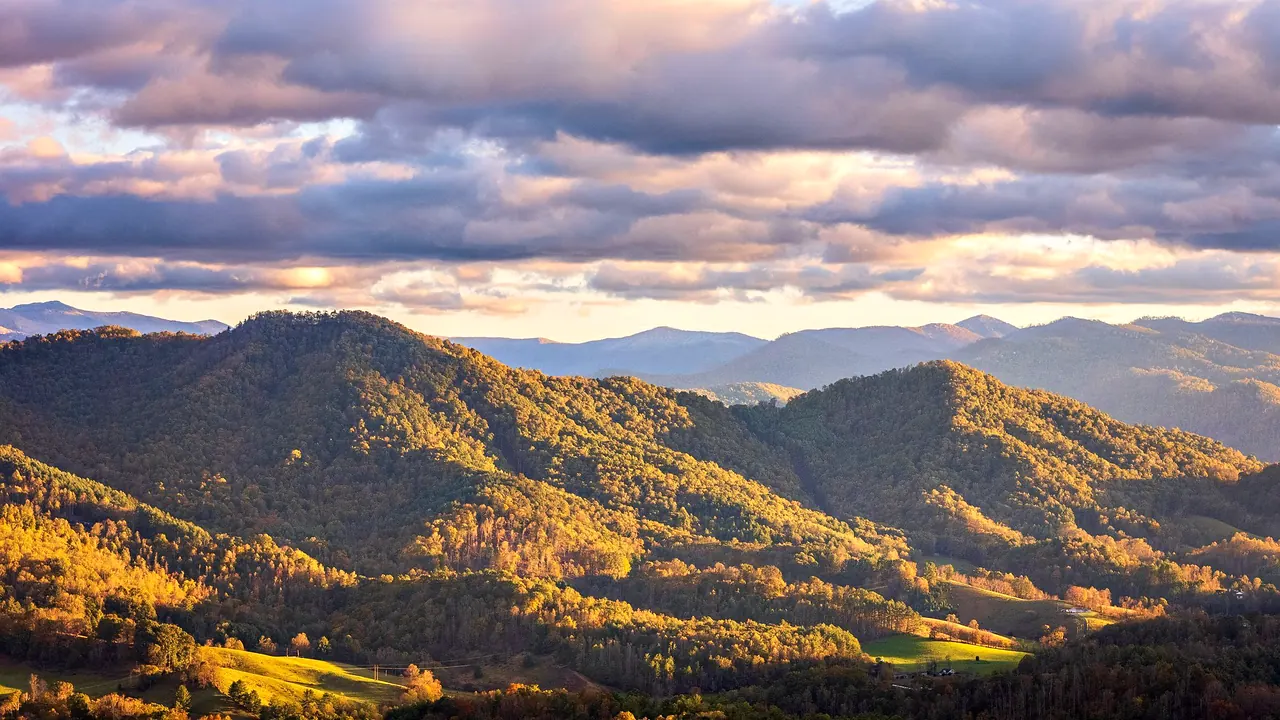
Photos: Florida Panhandle by Marco Membreno, Pexels License; Great Smoky Mountains by Mark Stebnicki, Pexels License.
Florida Panhandle or Great Smoky Mountains?
Our verdict in twelve categories, each scored against the same fixed benchmark cities, and the climate month by month, so you can choose for your trip.
Choose Florida Panhandle for
- beaches
- nightlife
- getting around
Choose the Florida Panhandle if the trip is about the sea. The long run of white quartz sand and clear, warm Gulf water is the whole point, and the coast adds a livelier evening, Gulf seafood eaten by the water and some Spanish colonial history in Pensacola. It suits couples, friends and beach-loving families who want swimming by day and a deck bar at sunset, and who accept coastal summer prices to get them.
Choose Great Smoky Mountains for
- nature and the outdoors
- families
- prices
Anyone who would rather walk than swim is better off in the Great Smoky Mountains. Old-growth forest, waterfalls, bears and elk fill a national park with no entrance fee, and Dollywood and the Pigeon Forge attractions give children even more to do than the coast does. Evenings are quiet and the cooking is plain, but for an active family or a hiker watching the budget, the mountains give more for less.
Scoreboard
Twelve categories on one fixed scale from 0 to 100. The shaded stretch is the gap between the two.
Your match
Pick a travel style or drag the sliders, and both match scores follow your weighting.
Wins on beaches and nightlife with your weighting.
Wins on nature and the outdoors and families with your weighting.
What matters to you?
Category by category
What the scores mean for a trip.
Beaches & swimming
There is no contest here. The Panhandle has an almost continuous strip of fine white sand with emerald water behind it, from big resort beaches at Destin and Panama City Beach to the empty National Seashore near Pensacola and the wilder sand of St. George Island. Watch the rip current flags.
The Smokies have no sea at all. Swimming there means tubing the Little River near Townsend or wading in cold mountain pools, and most visitors end up in the cabin or hotel pool.
Food & drink
The coast eats better. Grouper sandwiches, royal reds and smoked mullet dip at waterfront shacks are its everyday food, Apalachicola keeps an old oyster-port table, and 30A and downtown Pensacola have the more ambitious kitchens.
The Smokies serve filling mountain food: pancakes, biscuits and gravy, country ham, stream trout and cobbler, with moonshine tastings in Gatlinburg. Both places have strips lined with chains, but in the mountains a really good dinner usually means driving to Knoxville.
Culture & sights
Neither place is a culture trip, but the Panhandle offers a little more. In Pensacola you get Spanish colonial streets around Seville Square, the huge Naval Aviation Museum and the brick forts across the bay, and Apalachicola and the planned town of Seaside are good for an outing.
The Smokies' heritage is rural and spread across the park: pioneer cabins and churches in Cades Cove, the Mountain Farm Museum and Mingus Mill. Its best visit is Cherokee, whose museum and living-history village tell a story the coast has nothing to match.
Nightlife
The Panhandle has a real evening scene. You get bands on sand-floored decks, Destin's harbour boardwalk on summer nights, big beachfront clubs in Panama City Beach and cocktail bars in old brick buildings along Palafox Street in Pensacola, though it all quietens down outside spring and summer.
In the Smokies, evenings are for families. Gatlinburg's main street stays busy with moonshine rooms and a few breweries, but it winds down well before midnight. Apart from the Cherokee casino, a proper night out means Knoxville.
Nature & outdoors
The mountains are in another league. Blue-hazed ridges rise above 2,000m at Kuwohi, the trails run from Laurel Falls up to Mount LeConte and along the Appalachian Trail, and the seasons bring spring wildflowers, fireflies at Elkmont and October colour.
The Panhandle's nature is flatter and quieter, and much of it is on the water. There are coastal dune lakes along 30A, clear springs such as Wakulla, charter fishing out of Destin, dolphins in the sounds and turtles nesting in summer. It is pleasant, but it rarely shapes the trip.
Day trips
The Smokies have the stronger outings. Asheville, with its Art Deco streets and the Biltmore Estate, is the highlight. Knoxville, the heritage railway through the Nantahala gorge and drives along the Blue Ridge Parkway add variety.
From the Panhandle, most day trips just take you to another stretch of the same coast, such as Seaside, Apalachicola or downtown Pensacola. Mobile, over the Alabama line, is the one change of scene, and the drives between stops are long.
Good for families
Both are proper family destinations, but the Smokies give children more. Dollywood and its water park, mountain coasters, go-karts and the aquarium fill the days, the park adds bear-spotting in Cades Cove and junior ranger programmes, and cabins with games rooms suit big groups.
The Panhandle's appeal is simpler: soft sand, shallow water on calm days, condos with pools and marine parks with dolphin shows. Rip currents and the midsummer heat and storms mean parents have to stay alert.
Getting around
You need a car in both places, but the coast is easier once you arrive. On the Panhandle, many visitors park at the rental and walk or cycle to the beach, the paved 30A trail links the small towns, and three airports let you land close to your chosen stretch.
The Smokies make you drive almost everything. Winding roads lead to every trailhead, the crossing over Newfound Gap is slow and can close in winter, and the Pigeon Forge Parkway jams in summer and in October.
Shopping & style
The two are level, but the shopping differs. The Panhandle has a large designer outlet near Destin and the resort-wear and home-goods boutiques of Seaside and Rosemary Beach, which suit an evening stroll more than serious buying.
The Smokies have more that is worth taking home. Studios on the crafts loop outside Gatlinburg sell pottery, quilts and brooms from their own workshops, and the Cherokee cooperative sells baskets and carvings. Beyond that, it is outlets and fudge shops.
Affordability
The mountains are easier on the budget. The park itself costs only a parking tag, and cabins and motels around Pigeon Forge and Sevierville cost less than the coast, though Dollywood tickets soon push the total up.
On the Panhandle, summer beachfront rentals are expensive, and 30A is the priciest stretch. Older condos in Panama City Beach, rooms in Pensacola and a spring or autumn trip bring the cost down.
Live music & performing arts
The Smokies have more live entertainment for a typical visitor. Pigeon Forge has a long row of theatres with country revues and dinner shows, Dollywood's stages have bluegrass and gospel all day, and Cherokee's outdoor drama Unto These Hills has played every summer since 1950.
The Panhandle's arts are more classical but limited. Pensacola has an opera company, a symphony and the 1920s Saenger Theatre, but their seasons mostly fall outside summer, so beach visitors mainly hear cover bands on bar decks.
Wellness & relaxation
Neither has a spa tradition. In both, rest comes from choosing a quiet base, and the difference is the view. On the Panhandle, that means low-rise 30A, Cape San Blas or St. George Island, with days of bikes, books and Gulf sunsets, best in May or early autumn.
In the Smokies, the classic stay is a ridge cabin with a hot tub and layered mountains in front of it, in Townsend, Wears Valley or on the North Carolina side, with a few upscale retreats in the foothills.
When should you go?
Pick your month. The climate figures are measured averages, not a forecast.
Florida Panhandle in July
Great Smoky Mountains in July
Daytime high, °C
Rainfall in the month, mm
Where the figures come from
Florida Panhandle's temperatures are measured 29 km from the centre, at Valparaiso / Eglin Air Force Base.
Florida Panhandle has no rain gauge within 25 km of the centre, so its rainfall comes from a gridded climate dataset read at the destination rather than from a gauge further away.
Great Smoky Mountains's temperatures are measured 43 km from the centre, at McGhee Tyson Airport.
Great Smoky Mountains's station stands 151 m below the place it is measured for, so that place is likely a little cooler than the figures say.
Great Smoky Mountains has no rain gauge within 25 km of the centre, so its rainfall comes from a gridded climate dataset read at the destination rather than from a gauge further away.
Temperature and rainfall are climate normals, averaged over the years shown. Florida Panhandle: 1971-2000 (rainfall 1991-2020) normals, Valparaiso / Eglin Air Force Base (28.5 km from centre). Great Smoky Mountains: 1991-2020 (sunshine 1981-2010) normals, McGhee Tyson Airport (42.9 km from centre).
The Panhandle is a summer coast. The Gulf is warm enough to swim from May to October and peaks around 29°C, but June to September is also the wettest stretch, with heavy afternoon thunderstorms, a peak of 214mm in August and the hurricane season running into autumn. May and late September to October bring warm water and drier weather. Winter is mild, with highs near 15°C, which is pleasant for walking Pensacola but far too cool for the sea.
The Smokies get properly cold in winter, with January highs around 9°C in the valleys where most visitors stay, and the high ridges are colder still. Snow can close the high roads. Summer heat in the valleys matches the coast, but it is easier to bear on shaded trails. May to July are the sunniest months. October is the driest, with highs of about 22°C and autumn colour, which makes it the best walking month and the one month when the mountains clearly beat the coast for weather.
Which traveller are you?
For a beach and sun trip, the Florida Panhandle is the obvious choice. It has soft white sand from Perdido Key to Mexico Beach and Gulf water warm enough to swim in for half the year, while the Smokies offer only cold rivers and cabin pools.
On an outdoors trip, the Great Smoky Mountains win easily. Over 1,000km of trails run through old-growth forest to waterfalls and high summits, with bears and elk along the way. The flat Panhandle mostly offers paddling, fishing and dune walks.
For a food and nightlife trip, pick the Florida Panhandle. Gulf seafood shacks, the restaurants along 30A and in Pensacola, and beach bars from Destin's harbour to Palafox Street beat Smokies evenings, which run on pancake houses and moonshine tastings and end early.
Before you go
| Measure | Florida Panhandle | Great Smoky Mountains |
|---|---|---|
| Currency | US Dollar (USD) | US Dollar (USD) |
| Sockets | AB120 V, 60 Hz | AB120 V, 60 Hz |
| Driving side | Right | Right |
| Time zone | UTC-6, UTC-5 in summer | UTC-5, UTC-4 in summer |
| Emergency number | 911 | 911 |
| Main airport | Destin-Fort Walton Beach Airport (VPS)45 non-stop destinations | McGhee Tyson Airport (TYS)34 non-stop destinations |
| Public holidays this year | 11 days | 13 days |
By the numbers
| Measure | Florida Panhandle | Great Smoky Mountains |
|---|---|---|
| Swim season, months above 21 °C | 7 months | - |
Where else could you go?
Every comparison below shares a destination with this one, so you can follow Florida Panhandle or Great Smoky Mountains somewhere new.
- Gulf Shoresvs Florida Panhandle
- Hilton Headvs Great Smoky Mountains
- Siesta Keyvs Florida Panhandle
- Shenandoahvs Great Smoky Mountains
- Hilton Headvs Florida Panhandle
- Sanibelvs Florida Panhandle