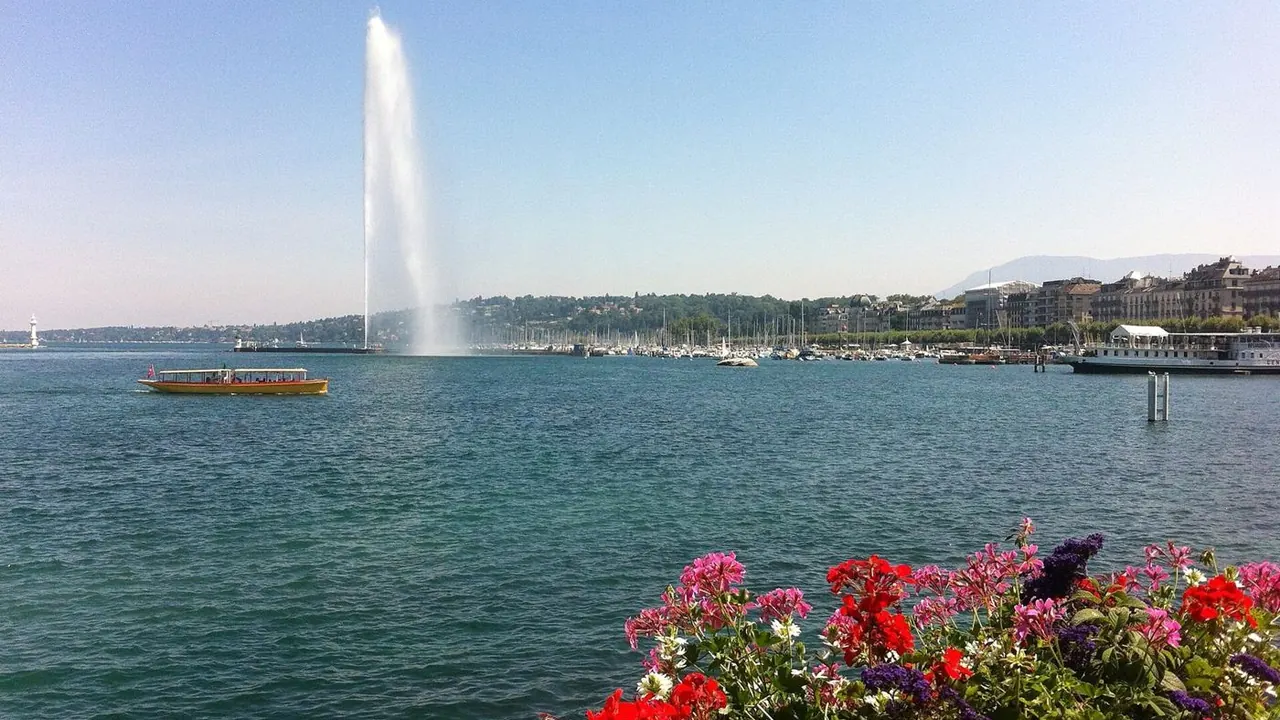
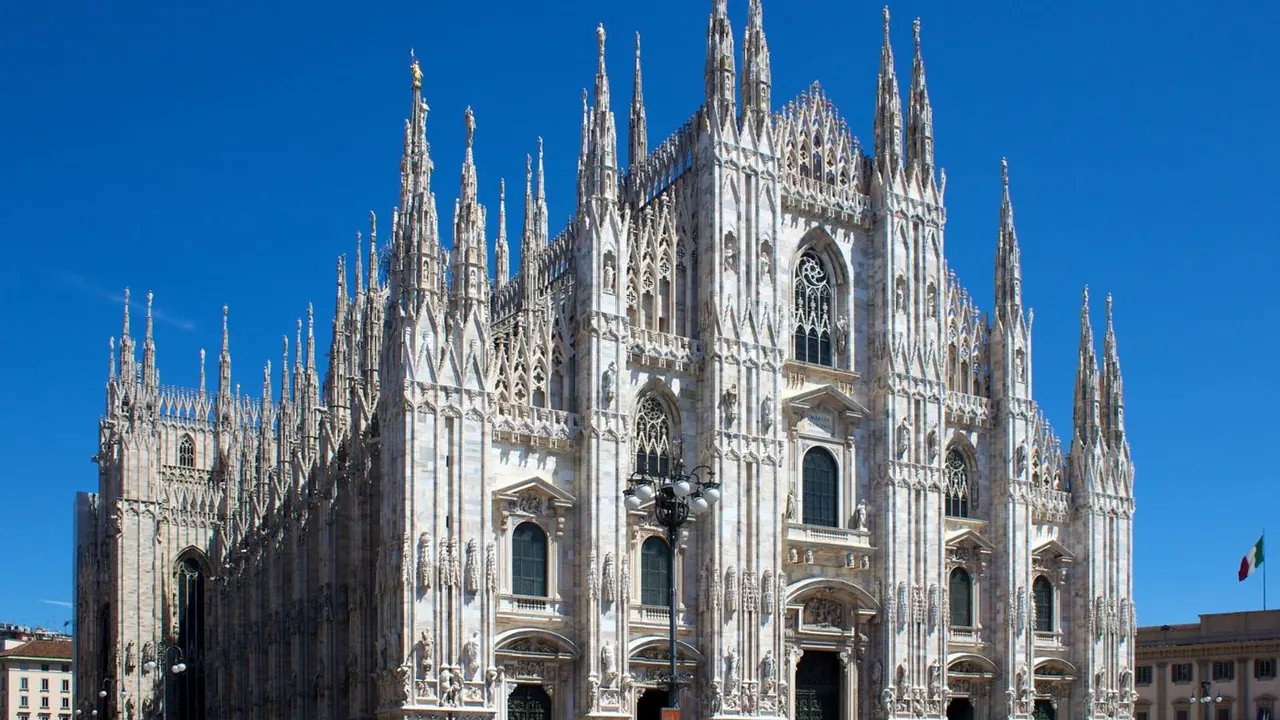
Photos: Geneva by Diviosen, CC BY-SA 3.0, cropped; Milan by Jiuguang Wang, CC BY-SA 3.0, cropped.
Geneva or Milan?
Our verdict in twelve categories, each scored against the same fixed benchmark cities, and the climate month by month, so you can choose for your trip.
Choose Geneva for
- beaches
- nature and the outdoors
- wellness
Geneva suits travellers who want the outdoors close at hand while staying somewhere calm and orderly. Within a short ride you can be on the Salève cliffs, walking the Jura or swimming off a city jetty, and Chamonix is close enough for a day. Evenings are quiet and everything costs a great deal, so it works best for walkers, lake swimmers and anyone happy with an early night.
Choose Milan for
- nightlife
- prices
- shopping
Milan is the stronger choice when the city itself is the point. It offers opera at La Scala, Leonardo's Last Supper, the fashion streets around Via Montenapoleone and an aperitivo that runs late into the night, along with fast trains to Verona, Bergamo and the lakes. It is expensive for Italy but easier on the wallet than Geneva, and it rewards anyone who likes to eat, shop and go out.
Scoreboard
Twelve categories on one fixed scale from 0 to 100. The shaded stretch is the gap between the two.
Your match
Pick a travel style or drag the sliders, and both match scores follow your weighting.
Wins on beaches and nature and the outdoors with your weighting.
Wins on nightlife and prices with your weighting.
What matters to you?
Category by category
What the scores mean for a trip.
Beaches & swimming
Neither city is near the sea, but Geneva has the better swimming because its lake runs right through the centre. On summer days people dive from the Bains des Pâquis jetty in sight of the Jet d'Eau or lie on the lawns at Genève-Plage, and quieter village shores are a short boat ride away.
In Milan itself you are limited to the artificial Idroscalo basin near Linate and the public pools. For a proper swim you need to take a train for about an hour to the pebbly lidos of Como or Maggiore.
Food & drink
Milan is the better city to eat in. Its own dishes are saffron risotto, ossobuco and cotoletta, cooked with butter rather than olive oil, and because people come to the city from all over Italy you can also eat well from Naples to Sicily without leaving it. Aperitivo in Brera or Isola turns early evening drinks into a meal.
Geneva's table is French with a Swiss edge: lake perch fillets, fondue in wood-panelled brasseries, and Chasselas from the canton's own vineyards. The cooking is polished, especially in Carouge, but there is very little cheap, casual food to balance the prices.
Culture & sights
Milan's sights are fewer than in some Italian cities, but they are of the first rank. You can walk among the spires on the Duomo roof, see the Last Supper and Brera's Italian paintings, and find Michelangelo's Rondanini Pietà in the Castello Sforzesco.
Geneva's heritage is of a different kind, built on Calvin's Reformation and modern diplomacy. It runs from St Pierre Cathedral and the Reformation Wall to the Palais des Nations, the Red Cross museum and CERN. It is interesting, but two or three days covers it, while Milan's leading museums give more depth.
Nightlife
Geneva is the quieter city at night. Its late bars are mostly in the Pâquis, a mixed and slightly rough district behind the station. Carouge adds wine terraces with a village feel, and the old squat-born centres at Jonction and Plainpalais put on alternative club nights. Weekends are fine, but on a weeknight there may be little going on after dinner.
Milan stays out later and gives you far more choice. Early drinks and snacks turn into crowded canal-side bars on the Navigli, a smarter crowd in Brera and a relaxed, mixed scene in Porta Venezia, which is also where the city's gay scene is centred. Later on there are dressy clubs near Corso Como, where you need to look the part to get in, or warehouse parties on the outskirts. August is the thin month, when many residents leave town.
Nature & outdoors
Geneva has mountains on every horizon and reaches them quickly. The Salève cable car lifts you to limestone cliffs and paragliding just over the French border, the Jura has forest walks and cross-country skiing, and the high Alps around Chamonix are about an hour away.
Milan sits on the hazy, flat Po plain, and its green space is limited to a few parks and the canal towpaths out into the rice fields. The lakes and the Grigne ridges are good once you get there, but each outing starts with a train ride.
Day trips
Both cities are excellent bases, but Milan has the edge because it sits on Italy's high-speed lines. Verona's arena, Turin's royal palaces, Bergamo's upper town and Bologna are all easy days out, with Mantua, Cremona, the Certosa di Pavia and the Borromean Islands behind them.
Geneva's outings are more about scenery. Lake steamers run to Lausanne, Montreux and the Château de Chillon past the Lavaux vineyard terraces, and on the French side there are Yvoire and Annecy.
Good for families
For families the two cities are fairly even, though the attractions differ. In Geneva, the Natural History Museum's large animal dioramas, the small animal enclosures at the Bois de la Bâtie and rides on the yellow harbour boats suit younger children, but there is no zoo or theme park.
Milan has a science museum with a submarine and hands-on labs, a small aquarium by Parco Sempione, and Leolandia and Gardaland within reach for older children. The trade-off is heavy summer heat and grand sights that mostly appeal to adults.
Getting around
Geneva is the slightly easier city to get around. The airport is only a few minutes by train from the main station, the harbour boats are part of the same network as the trams, and you can walk the centre from the station to Carouge.
Milan has a real metro, with five colour-coded lines, plus old orange trams through a flat centre. However, the transfer from Malpensa airport is long and the underground stations get stifling in summer.
Shopping & style
Geneva is clearly the weaker shopping city of the two, and only a buyer after a fine Swiss watch or serious jewellery has reason to prefer it, on and around the Rue du Rhône. Beyond that, browsing means the chocolatiers of the Old Town, Carouge's small craft workshops and the antiques and bric-a-brac of the Plainpalais flea market. For everyday buying, plenty of Genevans simply cross into France.
Milan is far stronger, and for many visitors the shopping is reason enough for the trip. In Milan style runs through the city as a whole. The Galleria Vittorio Emanuele II makes a visit to the shops feel like a visit to a monument, La Rinascente beside the Duomo has set the standard for Italian taste for more than a century, and Brera's independent boutiques suit a slower afternoon. At weekends, antique stalls line the Navigli canals.
Affordability
Neither city is cheap, but Geneva is one of the most expensive places in the world to visit, and even a glass of wine is costly there. Free city museums, the transport pass that hotel guests receive and sleeping across the border in France all help a little.
Milan is pricey by Italian standards, especially in hotels during fashion weeks and in Brera's restaurants. Still, office-worker lunch menus, fairly priced transport and an aperitivo that can stand in for supper keep a stay noticeably lighter than in Geneva.
Live music & performing arts
Milan has La Scala, one of the world's great opera houses, whose season opens each December on the feast of Sant'Ambrogio. Gallery seats give a determined visitor a way in. The Piccolo Teatro, a fine symphony orchestra at the Auditorium and big summer concerts at San Siro fill out the calendar.
Geneva holds its own for a city of its size, with opera and ballet at the Grand Théâtre, the Orchestre de la Suisse Romande in the gilded Victoria Hall, and concerts in a former pumping station in the middle of the Rhône. In summer the balance shifts somewhat, with open-air concerts in Geneva while Milan's opera season slows down.
Wellness & relaxation
Geneva is the more restful of the two, helped by an orderly pace and very calm Sundays. In winter the Bains des Pâquis becomes a sauna and hammam where regulars plunge straight into the cold lake, and the spa towns of Évian and Divonne are close by.
Milan is a work-focused city. It has a thermal spa complex with outdoor pools and the restored 1930s Bagni Misteriosi for a summer afternoon, but for real quiet most visitors take the train to the lakes.
When should you go?
Pick your month. The climate figures are measured averages, not a forecast.
Geneva in July
Milan in July
Daytime high, °C
Rainfall in the month, mm
Where the figures come from
Milan has no rain gauge within 25 km of the centre, so its rainfall comes from a gridded climate dataset read at the city rather than from a gauge further away.
Milan's sunshine is measured 41 km from the centre, at Novara / Cameri.
Temperature and rainfall are climate normals, averaged over the years shown. Geneva: 1991-2020 normals, Geneve-Cointrin (5.7 km from centre). Milan: 1991-2020 normals, Milano / Linate (8 km from centre).
Both cities have cold, grey winters and warm summers, and Milan is a couple of degrees warmer for most of the year. July reaches about 27°C in Geneva, warm enough for swimming in the lake from late June to August. Milan touches 30°C, and the damp air of the Po plain can make afternoon sightseeing and the metro hard going. The two summers get much the same amount of sun. Late spring and September are the mildest months for walking the streets, although in Milan these are also among the wettest.
Geneva's rain is spread fairly evenly through the year and is a little heavier from September to December. Milan's comes in bursts. May is wet and autumn is wetter still, peaking at around 128mm in November. Geneva's winter is the dullest season, with only about 50 hours of sun in December, but that is when the nearby slopes come into their own. Milan's January and February are clearer and drier, which suits museums and the opera.
Which traveller are you?
For an outdoors trip, Geneva is the better base. The Salève cable car, the Jura ridges and sailing on the lake all start at the edge of town, and Mont Blanc country is close. From Milan, you have to cross a flat plain before the hills begin.
On a shopping trip, Milan wins easily. The Quadrilatero holds the flagships of the great Italian fashion houses, and around them are design showrooms, vintage shops in Porta Ticinese and Corso Buenos Aires. Outside its watch and jewellery boutiques, Geneva's shops are ordinary.
For a food and nightlife trip, choose Milan. Risotto, ossobuco and cooking from every Italian region lead into aperitivo along the Navigli and late clubs around Corso Como. Geneva's evenings end early, and even a casual meal there is costly.
Before you go
| Measure | Geneva | Milan |
|---|---|---|
| Official language | French, German, Italian, Romansh | Italian |
| Currency | Swiss Franc (CHF) | Euro (EUR) |
| Sockets | CJ230 V, 50 Hz | CFL230 V, 50 Hz |
| Driving side | Right | Right |
| Time zone | UTC+1, UTC+2 in summer | UTC+1, UTC+2 in summer |
| Emergency number | 112 | 112 |
| Elevation | 403 m | 138 m |
| Main airport | Geneva International Airport (GVA)5 km from centre150 non-stop destinations | Milan Malpensa International Airport (MXP)40 km from centre208 non-stop destinations |
| Public holidays this year | 9 days | 13 days |
By the numbers
| Measure | Geneva | Milan |
|---|---|---|
| City population | 211,152 | 1,354,196 |
| People per km² | 13,280 | 7,453 |
| Museums within 10 km | 34 | 88 |
| UNESCO World Heritage sites within 50 km | 2 | 4 |
Where else could you go?
Every comparison below shares a destination with this one, so you can follow Geneva or Milan somewhere new.