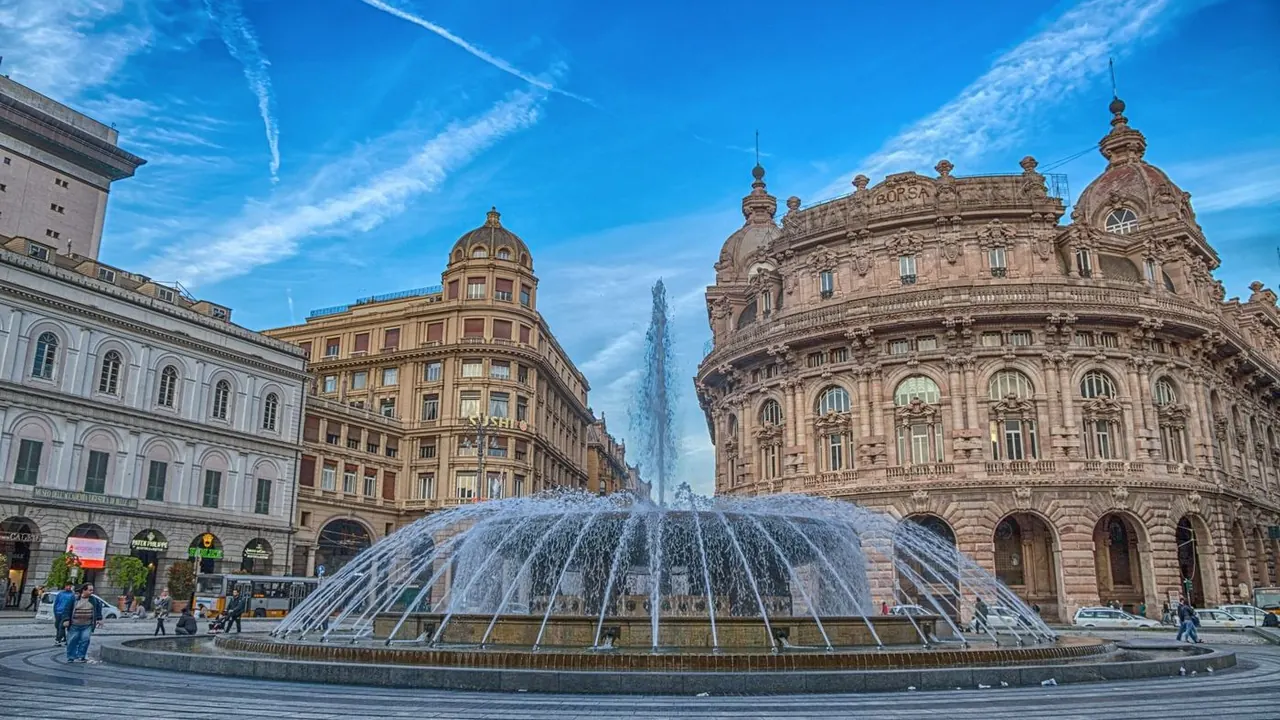
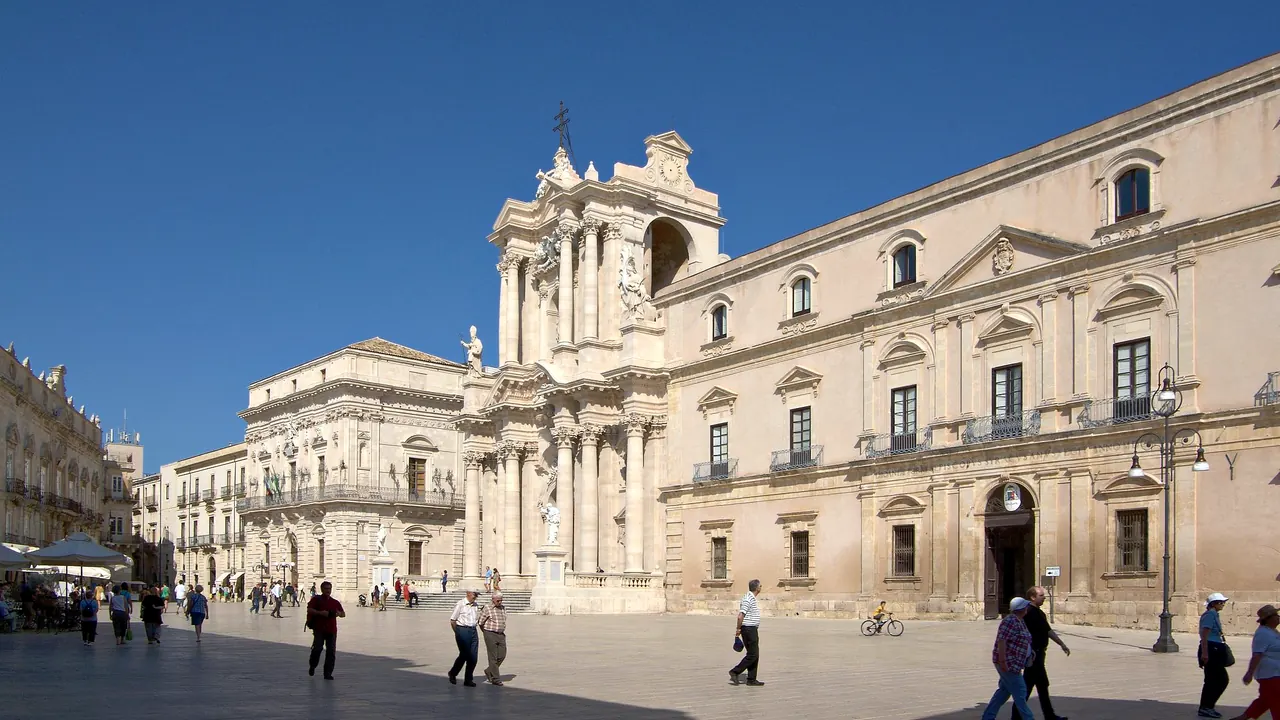
Photos: Genoa by Faber1893, CC BY-SA 4.0, cropped; Syracuse, Sicily by Berthold Werner, CC BY-SA 3.0, cropped.
Genoa or Syracuse, Sicily?
Our verdict in twelve categories, each scored against the same fixed benchmark cities, and the climate month by month, so you can choose for your trip.
Choose Genoa for
- getting around
- live music and the arts
- shopping
Genoa suits a traveller who wants a proper city with the coast as a bonus. Its palace museums and shaded medieval lanes, an opera house for the evening and an aquarium for the children give it depth beyond the sea. The coastal railway makes Riviera day trips easy without a car. It works best for walkers, and for people who see a swim as an afternoon extra rather than the point of the trip.
Choose Syracuse, Sicily for
- beaches
- wellness
- day trips
If the sea and the ancient world are what draw you, Syracuse is the stronger pick. Sandy bays, warmer water and a longer, sunnier season make it the better beach base, and its Greek ruins and baroque Ortigia match Genoa's palaces for interest. The pace is slower and the days are spent more outdoors. Plan on a hire car, because the best beaches, the inland gorges and the nearby baroque towns are hard to reach without one.
Scoreboard
Twelve categories on one fixed scale from 0 to 100. The shaded stretch is the gap between the two.
Your match
Pick a travel style or drag the sliders, and both match scores follow your weighting.
Wins on getting around and live music and the arts with your weighting.
Wins on beaches and wellness with your weighting.
What matters to you?
Category by category
What the scores mean for a trip.
Beaches & swimming
You can swim from the rocks in both cities. In Genoa that means the cove at Boccadasse and the bathing establishments along Corso Italia. In Syracuse it means the wooden platforms below Ortigia's sea walls. The difference is what lies further out: Genoa's Riviera is mostly pebble and coarse sand, much of it covered in rented loungers and crowded at weekends.
Syracuse has real beaches. There is gently shelving sand at Arenella and Fontane Bianche, and undeveloped pale sand in the Vendicari reserve. The water is slightly warmer and the season lasts into early October. For a beach vacation it wins easily, though you will want a car to reach the best of it.
Food & drink
Both kitchens are regional rather than global, and both are best eaten simply. Genoa's cooking is green and frugal: pesto with trofie, oily focaccia at breakfast, and chickpea farinata and panissa from old-town friggitorie, with Vermentino to drink.
Syracuse's cooking is sunnier and sweeter. It starts at the Ortigia market, with swordfish, sea urchins, sardines and capers, and the day begins with almond granita and a brioche, with cannoli and Nero d'Avola later on. Go to Genoa for herbs and street snacks, and to Syracuse for seafood and pastry.
Culture & sights
These two are evenly matched, but they cover different eras. Genoa is a medieval and Renaissance merchant city: the narrow caruggi, the Rolli palaces on Via Garibaldi with their Van Dycks and painted halls, and the marble tombs of Staglieno.
Syracuse goes back to the Greeks. A temple to Athena is built into its cathedral, there is a huge rock-cut theatre at Neapolis, and the Paolo Orsi museum holds outstanding antiquities, with a Caravaggio on top. Choose Genoa for palaces and painting, and Syracuse for archaeology and baroque squares.
Nightlife
Neither city is for a big night out, and both run on aperitivo and a late glass of wine. Genoa spreads its evenings across student bars around Piazza delle Erbe, the Porto Antico and the Foce seafront, so there is a bit more going on outside summer. Syracuse puts almost everything into Ortigia's piazzas and sea walls. That is lovely on a July weekend, but from November to March the nights end early, and serious clubbing means a trip to Catania.
Nature & outdoors
Genoa has the better and easier walking. A funicular takes you to Righi and the ring of hilltop forts. The cliff paths of the Portofino promontory lead down to San Fruttuoso, and the Cinque Terre trails are a train ride away. Boats leave the harbour for whale and dolphin watching in the Pelagos Sanctuary.
Syracuse's outdoors is more about water and limestone. There are green pools at the bottom of the Cavagrande gorge, flamingos in the Vendicari saltpans, snorkelling at Plemmirio and papyrus on the Ciane river, with Etna within reach. Most of it needs a car, and summer heat makes hiking hard work.
Day trips
Both are excellent bases, but the trips work differently. From Genoa they follow the railway. Eastward the line runs to Camogli, Santa Margherita, Sestri Levante and the five Cinque Terre villages, and Portofino is a short bus or boat ride on from Santa Margherita. Westward it reaches walled Finale Ligure Borgo and the medieval towers of Albenga, and inland trains take you to Milan or Turin for a big-city museum day.
From Syracuse most trips go by road, into a landscape of a different kind. Noto's honey-coloured baroque is close by, with Modica, Ragusa Ibla and Scicli further on, and Catania and Taormina lie to the north. The Roman mosaics at Piazza Armerina are worth the longer drive. A car makes all of this far easier than the buses.
Good for families
Genoa gives children much more to do. The aquarium, the science centre, the biosphere and the Galata museum with its walk-through submarine all sit together at the Porto Antico, and the funiculars and lifts are a treat. The catch is the steep, stepped old town, which is hard going with a pushchair.
Syracuse's strength is gentle sandy beaches popular with Sicilian families, along with largely car-free Ortigia, the echoing Ear of Dionysius and the puppet shows. Beyond that there is no aquarium or theme park, and the summer heat confines sightseeing to the early morning and evening.
Getting around
In Genoa you can do almost everything without a car. Funiculars, a rack railway and public lifts beat the hills, a short metro line runs through the centre, and the coastal trains reach Nervi and the Riviera towns. The buses are slow, but you rarely need them.
Syracuse is simple on Ortigia, which you can cross on foot in a quarter of an hour, and difficult everywhere else. City buses are infrequent, and regional links to Noto or Catania are limited. Vendicari and the inland gorges are realistically only reachable by car, so most visitors hire one for part of their stay.
Shopping & style
Genoa is the better place to shop, though neither city is a shopping destination. It has the arcades of Via XX Settembre and the Galleria Mazzini, plus long-established old-town shops selling candied fruit, olive oil and silver filigree.
Syracuse's shopping is smaller and almost all on Ortigia. Look for hand-painted ceramics, linen, coral jewellery and papyrus paintings from the Ciane, with capers and pistachio products from the morning market to take home.
Affordability
Both feel fair for Italy, but you save on different things. In Genoa the cheap items are focaccia, farinata and public transport, including the funiculars. Costs rise in the smart Riviera resorts and with lounger hire on beach days.
In Syracuse food is the bargain: market sandwiches, arancini, granita and trattoria meals cost less than in the north. Rooms on Ortigia in high summer are not cheap, though, and the car you will probably need for beaches and day trips adds to the bill.
Live music & performing arts
Genoa has a proper evening programme. The Teatro Carlo Felice on Piazza De Ferrari stages opera, ballet and symphonic concerts, and the Teatro Nazionale is an established drama company. There are also concerts in honour of Paganini and small clubs that keep the city's singer-songwriter tradition going.
Syracuse has one outstanding event. Each late spring and early summer, classical Greek drama is performed in the ancient theatre, a tradition dating back to 1914. Beyond that and the Sicilian puppet theatre on Ortigia, there is little to go to.
Wellness & relaxation
Neither city has a bathing tradition, and in both, spas mostly mean treatments at the better hotels. Genoa's calm spots are the villa gardens and promenade at Nervi, and thermal waters are a little over an hour away at Acqui Terme.
Syracuse feels a little more restful because of its pace. Ortigia outside high summer means long lunches, walks on the sea walls and sunsets over the harbour, while August heat and crowds take that away.
When should you go?
Pick your month. The climate figures are measured averages, not a forecast.
Genoa in July
Syracuse, Sicily in July
Daytime high, °C
Rainfall in the month, mm
Where the figures come from
Genoa has no rain gauge within 25 km of the centre, so its rainfall comes from a gridded climate dataset read at the city rather than from a gauge further away.
Genoa's sunshine is measured 80 km from the centre, at Capo Mele.
Syracuse, Sicily's temperatures are measured 45 km from the centre, at Cozzo Spadaro.
Syracuse, Sicily has no rain gauge within 25 km of the centre, so its rainfall comes from a gridded climate dataset read at the city rather than from a gauge further away.
Temperature and rainfall are climate normals, averaged over the years shown. Genoa: 1991-2020 normals, Genova / Sestri (6.7 km from centre). Syracuse, Sicily: 1991-2020 normals, Cozzo Spadaro (45 km from centre).
Both cities have a swimming season from June to September, but Syracuse is warmer and much drier through it. Its July rainfall is close to nothing, and the sea stays near 23°C into October, so beach days run well into autumn. The drawback is midsummer heat. With highs around 31°C in August, walking around Ortigia and the Greek sites only works early or late in the day. Genoa's summer is milder and easier for walking the city. In autumn the weather turns wet, and October is the rainiest month at about 212mm.
Winter separates them further. Genoa's January highs are around 12°C with grey, damp spells, which suits palace museums more than the coast. Syracuse stays near 16°C and gets more sunshine all year, so it makes a gentler escape from December to March. For walking, late spring is good in both: May and June in Genoa, April and May in Syracuse, before the heat arrives.
Which traveller are you?
For a beach and sun trip, Syracuse is the clear choice. It has warmer water, a longer and drier season, gently shelving sand at Fontane Bianche and the empty pale beaches of Vendicari. Genoa's pebble coves and loungers on the Riviera can't match that.
On a family trip with young children, Genoa offers more to do. The aquarium, the children's science centre and the walk-through submarine at Porto Antico fill whole days, and the funiculars are fun in themselves. Syracuse has easy beaches but little else built for children.
For a short city break without a car, Genoa is easier. The old town, the palaces and the harbour are all on foot, lifts and funiculars help with the hills, and there is opera in the evening. In Syracuse, anything beyond Ortigia soon needs a car.
Before you go
| Measure | Genoa | Syracuse, Sicily |
|---|---|---|
| Official language | Italian | Italian |
| Currency | Euro (EUR) | Euro (EUR) |
| Sockets | CFL230 V, 50 Hz | CFL230 V, 50 Hz |
| Driving side | Right | Right |
| Time zone | UTC+1, UTC+2 in summer | UTC+1, UTC+2 in summer |
| Emergency number | 112 | 112 |
| Elevation | 20 m | 17 m |
| Main airport | Genoa Cristoforo Colombo Airport (GOA)7 km from centre25 non-stop destinations | Catania-Fontanarossa Airport (CTA)48 km from centre96 non-stop destinations |
| Public holidays this year | 13 days | 13 days |
By the numbers
| Measure | Genoa | Syracuse, Sicily |
|---|---|---|
| City population | 558,745 | 115,515 |
| People per km² | 2,325 | 556 |
| Museums within 10 km | 51 | 11 |
| UNESCO World Heritage sites within 50 km | 1 | 2 |
| Swim season, months above 21 °C | 4 months | 5 months |
Where else could you go?
Every comparison below shares a destination with this one, so you can follow Genoa or Syracuse, Sicily somewhere new.
- Portofinovs Genoa
- Cataniavs Syracuse, Sicily
- La Speziavs Genoa
- Taorminavs Syracuse, Sicily
- Milanvs Genoa
- Turinvs Genoa