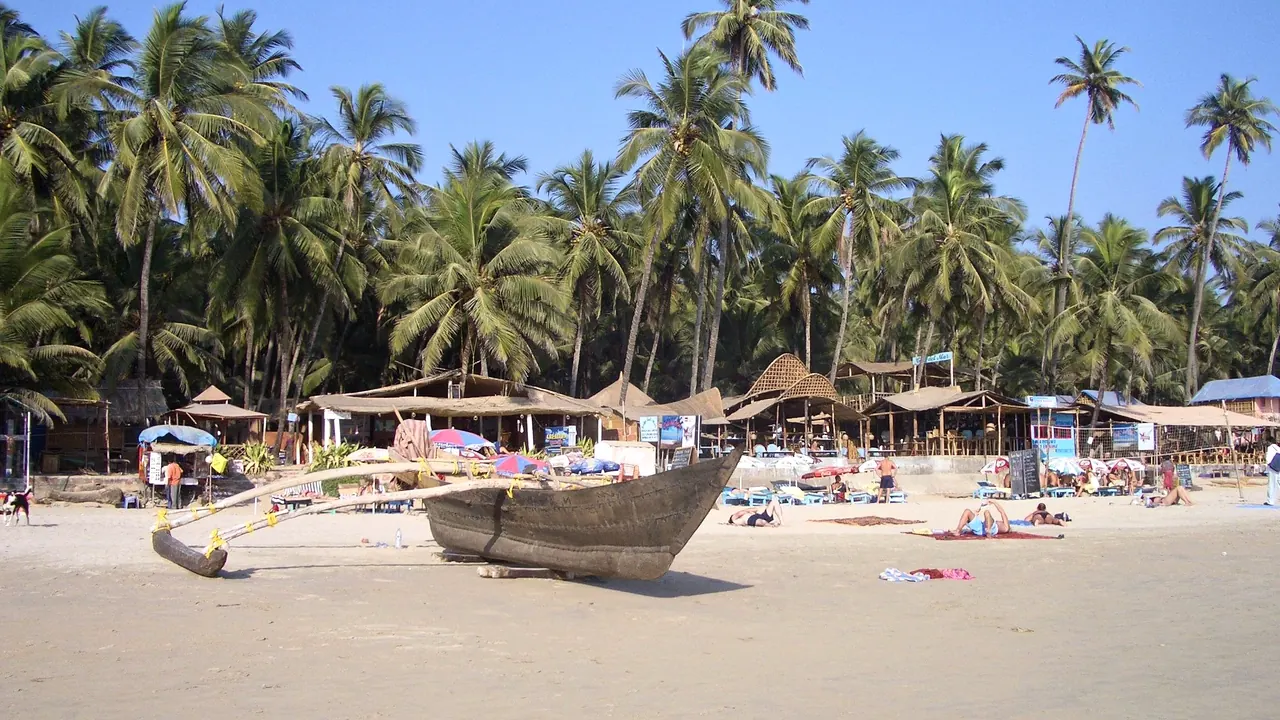
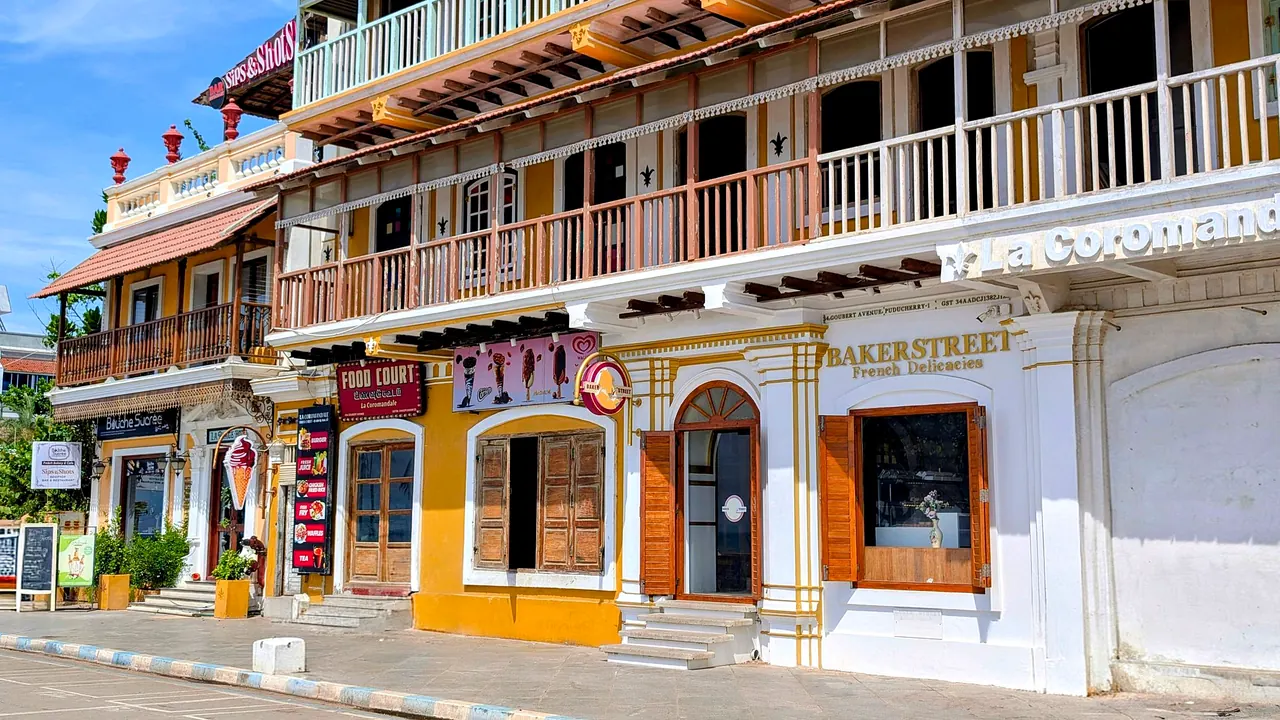
Photos: Goa by Klaus Nahr from Germany, CC BY-SA 2.0, cropped; Pondicherry by Tushar, Pexels License.
Goa or Pondicherry?
Our verdict in twelve categories, each scored against the same fixed benchmark cities, and the climate month by month, so you can choose for your trip.
Choose Goa for
- nightlife
- beaches
- nature and the outdoors
Goa is the choice for a proper beach vacation. It has kilometres of sand from Morjim down to Palolem and a warm, mostly calm sea right through the dry winter, and the north coast has clubs and clifftop parties when you want a night out. It also has the richer food and the bigger heritage, with the churches of Old Goa and a cuisine of its own. In return you need a scooter or a driver, and you will do best picking one stretch of coast and staying there.
Choose Pondicherry for
- getting around
- day trips
- prices
Pondicherry suits a slower, smaller trip built around walking. You can cover the French and Tamil Quarters on foot or by bicycle, and evenings mean a stroll on the Promenade and a long dinner. The Ashram and Auroville give the town a quiet, reflective pull. It costs less, and it makes the better base for Tamil temple country, with Mahabalipuram and Chidambaram both within a day. Swimmers and night owls will be disappointed, though: the surf is strong and the bars close early.
Scoreboard
Twelve categories on one fixed scale from 0 to 100. The shaded stretch is the gap between the two.
Your match
Pick a travel style or drag the sliders, and both match scores follow your weighting.
Wins on nightlife and beaches with your weighting.
Wins on getting around and day trips with your weighting.
What matters to you?
Category by category
What the scores mean for a trip.
Beaches & swimming
Goa wins this outright. Its coast is one long run of sand. The north has the busy shack-lined strip at Calangute and Baga and the wider, calmer beaches at Morjim and Mandrem, and the south has the palm-backed coves of Palolem and Agonda. In the dry season the sea is warm and gentle enough for proper swimming.
Pondicherry's own seafront is a wall of boulders, so you walk beside the sea rather than swim in it. Serenity Beach and Paradise Beach are an outing away, and the surf and currents there keep most people to wading.
Food & drink
Both kitchens carry a European colonial layer, but Goa's runs deeper. Four centuries of Portuguese rule produced a full cuisine of its own: vindaloo, xacuti, prawn balchão, chouriço and bebinca. You eat it at family restaurants in Panjim and Margao, with fresh fish grilled at the shacks and feni to drink.
Pondicherry's French touch is lighter. It shows in the bakeries, the crêpes and the Creole cooking of Franco-Tamil families, alongside banana-leaf meals and filter coffee in the Tamil Quarter. It is lovely for slow courtyard lunches, but a few days cover it, while Goa keeps rewarding a longer stay.
Culture & sights
Goa has the bigger sights. Old Goa's UNESCO-listed churches include the Basilica of Bom Jesus and the Sé Cathedral, Panjim has the lanes of Fontainhas, and there are old mansions at Chandor and temples around Ponda. The catch is that they are spread across the state and take several days of driving to see.
In Pondicherry the town itself is the sight. You walk from the colonial villas of the French Quarter across the canal into the Tamil Quarter, passing the Ashram, the Sacred Heart basilica and the temple elephant at Manakula Vinayagar. That fills two or three easy days.
Nightlife
For going out, there is no contest. North Goa has the club strips of Baga and Calangute and electronic music on the clifftops of Anjuna and Vagator, and its winter season peaks loudly over Christmas and New Year. If you want quiet, the south is about a drink on the sand.
A night in Pondicherry means a walk on the car-free Promenade and a long dinner, perhaps with a rooftop drink in the French Quarter, where alcohol is cheaper. Things close early and there are no clubs.
Nature & outdoors
Goa has more countryside to explore. Behind the beaches, the forested foothills of the Western Ghats hold the Bhagwan Mahaveer and Cotigao sanctuaries and Dudhsagar Falls. Its rivers wind through mangroves that suit kayaking and birdwatching, with hornbills and kingfishers to spot.
Pondicherry sits on a flat, hot plain with no hills, so its outdoors is gentler: flamingos and pelicans at Ousteri Lake in winter, cycling in Auroville's replanted forest and rowing in the Pichavaram mangroves. Its one real draw is the sea, with scuba diving on offshore reefs and wrecks.
Day trips
Pondicherry is the better base for day trips. It sits in Tamil temple country. Mahabalipuram's Shore Temple and carved rock reliefs are about two hours up the coast, and with a driver you can also reach the great Nataraja temple at Chidambaram, Gingee Fort on its granite hills and the pilgrimage town of Tiruvannamalai in a day.
Most outings from Goa stay inside the state: Panjim, market day at Mapusa, the spice farms near Ponda or the ferry to Divar. Gokarna and Sindhudurg are within reach, but Hampi, the region's great sight, needs an overnight stay.
Good for families
Neither is built around children, and neither has a zoo or aquarium of note, so the difference is the kind of trip. Goa offers a beach-and-pool vacation, with resort hotels along the flat southern sands at Benaulim and Varca and shallow, warm water in winter.
Pondicherry offers small outings instead: the shaded French Quarter, the Promenade without traffic in the evening, the toy train in the Botanical Garden and a boat to Paradise Beach. The surf limits beach time to paddling. It suits older children who are happy at a slow pace, while Goa suits younger ones who mainly want sand.
Getting around
Pondicherry is much easier to get around. The French Quarter is flat, quiet and pleasant on foot or by hired bicycle. You only need a scooter, an auto-rickshaw or an app taxi for the beaches and Auroville, and a car for day trips.
Goa stretches along about 100km of coast, and its buses barely serve the beaches. Beyond your own village, every trip means a scooter, a taxi or a driver on slow, crowded roads, which is why most visitors stay on one stretch of coast.
Shopping & style
Pondicherry is better for considered gifts. The French Quarter boutiques sell block-printed cotton, linen and leather sandals in an Indo-French style, and the Ashram workshops and Auroville's craft outlets add handmade paper, incense, pottery and natural soaps.
In Goa, shopping means markets. The Anjuna flea market and the night market near Arpora sell much of the same stock and expect bargaining, while Mapusa's Friday market is more local, with spices and cashews. A few boutiques around Assagao and Panjim are the exception.
Affordability
Both are inexpensive by international standards, but your money goes further in Pondicherry. Canteen meals, filter coffee, auto-rickshaws and guesthouses near the Ashram cost very little, and only the boutique hotels and cafés of the French Quarter push costs up.
Goa's prices are set by its winter season and climb steeply over Christmas and New Year, and taxi fares add up over its long distances. Budget travellers there do best staying in huts in the far north or the quieter south and getting around by scooter.
Live music & performing arts
Neither is a place to go for the stage, and much of what each has is made for local audiences. Goa has a little more structure, with the Kala Academy on the Panjim riverfront, a December arts festival and the Carnival parades. Tiatr and mando rarely reach visitors, though, and most live music is a cover band in a beach bar.
Pondicherry's offer is classical and occasional. There are Bharatanatyam recitals and Carnatic concerts, events at the French cultural centre and in Auroville's halls, and nadaswaram pipes and drums at the temple festivals.
Wellness & relaxation
People come to both to slow down, but Goa has the wider yoga and ayurveda scene. Arambol, Mandrem, Agonda and Patnem have open-air yoga platforms among the palms, teacher training and longer ayurvedic cleansing programmes, and there are resort spas in Cavelossim and Candolim.
The calm in Pondicherry is more spiritual. Meditation in the Ashram courtyard and Auroville's yoga, breathwork and forest guesthouses suit a quiet retreat, though the spas are small and the heat keeps afternoons indoors.
When should you go?
Pick your month. The climate figures are measured averages, not a forecast.
Goa in July
Pondicherry in July
Daytime high, °C
Rainfall in the month, mm
Temperature and rainfall are climate normals, averaged over the years shown. Goa: 1991-2020 normals, Goa / Panjim (9.4 km from centre). Pondicherry: 1991-2020 (rainfall 1961-1990) normals, Cuddalore (19.8 km from centre).
Goa's year splits cleanly in two. From November to April it is dry and hot, with highs around 33°C almost every day and a warm sea calm enough to swim in. December to February have the most sunshine. The south-west monsoon arrives in June and brings close to 960mm of rain in July. The sea turns rough and swimming stops until the rains ease in October.
Pondicherry's rain comes later. The north-east monsoon runs from October to December and peaks at about 456mm in November, by which time Goa is already dry. Pondicherry is at its best from January to March, when days of around 30°C are good for walking the old town and the sea is warm. From April to July it is the hotter of the two, with highs of 37°C that make the streets hard work at midday. Late November and December favour Goa, and February is good in both.
Which traveller are you?
On a beach and sun trip, Goa is the clear pick. It has long sandy beaches, palm-backed coves such as Palolem and Agonda, and a warm, mostly gentle sea all winter. In Pondicherry, the strong Bay of Bengal surf keeps most swimmers in the shallows.
For a food and nightlife trip, choose Goa. You can eat Goan dishes shaped by the Portuguese, fish grilled at the beach shacks and drink feni, then stay out late at the clubs of Baga or the clifftop venues of Vagator. Pondicherry's evenings end with dinner and an early walk back.
For a short city break, Pondicherry fits better. Two or three days are enough to walk or cycle the French and Tamil Quarters, with courtyard lunches and the Promenade at dusk. Goa is a spread-out region that works better for a longer stay in one place.
Before you go
| Measure | Goa | Pondicherry |
|---|---|---|
| Official language | Hindi, English | Hindi, English |
| Currency | Indian Rupee (INR) | Indian Rupee (INR) |
| Sockets | CM230 V, 50 Hz | CM230 V, 50 Hz |
| Driving side | Left | Left |
| Time zone | UTC+5:30 | UTC+5:30 |
| Emergency number | 108 or 112 | 108 or 112 |
| Elevation | - | 3 m |
| Main airport | Goa Dabolim International Airport (GOI)24 non-stop destinations | Chennai International Airport (MAA)123 km from centre68 non-stop destinations |
By the numbers
| Measure | Goa | Pondicherry |
|---|---|---|
| Population | 1,458,545 | - |
| People per km² | 394 | - |
| Museums within 10 km | - | 3 |
| UNESCO World Heritage sites within 50 km | - | 0 |
| Swim season, months above 21 °C | 12 months | 12 months |
Where else could you go?
Every comparison below shares a destination with this one, so you can follow Goa or Pondicherry somewhere new.
- Chennaivs Pondicherry
- Bengaluruvs Pondicherry
- Mysorevs Pondicherry
- Mumbaivs Goa
- Trincomaleevs Pondicherry
- Kochivs Pondicherry