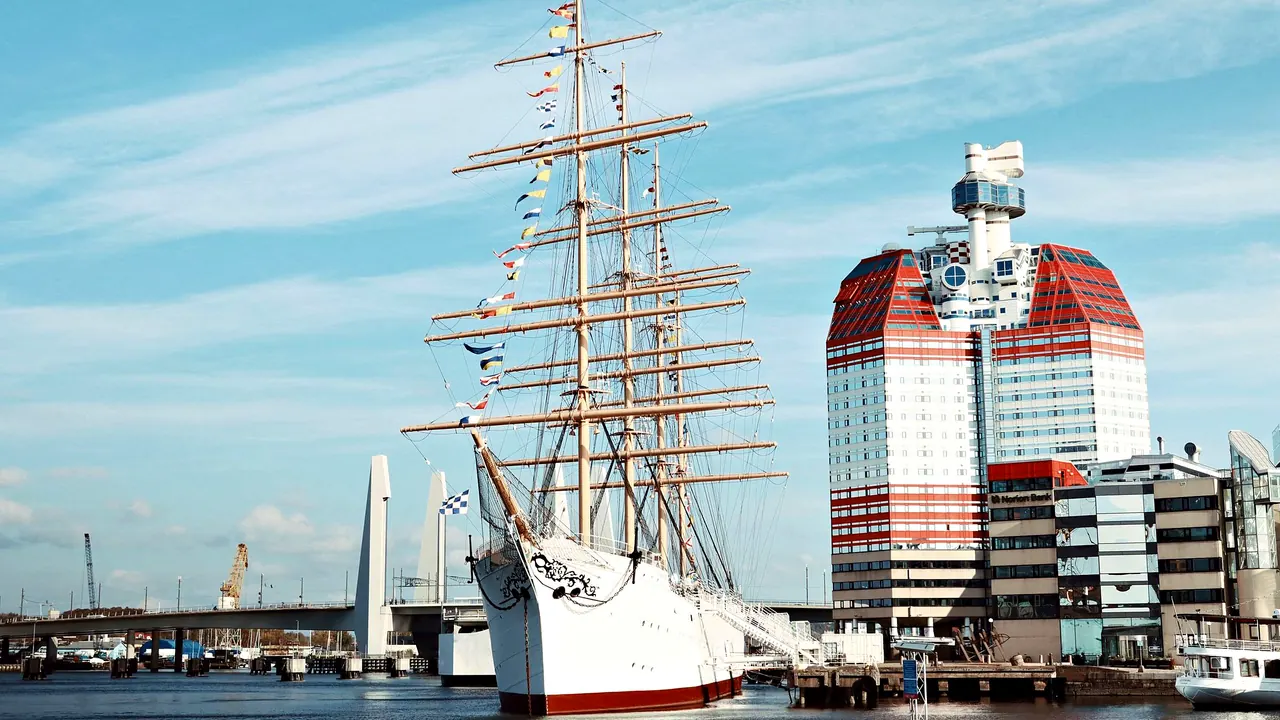
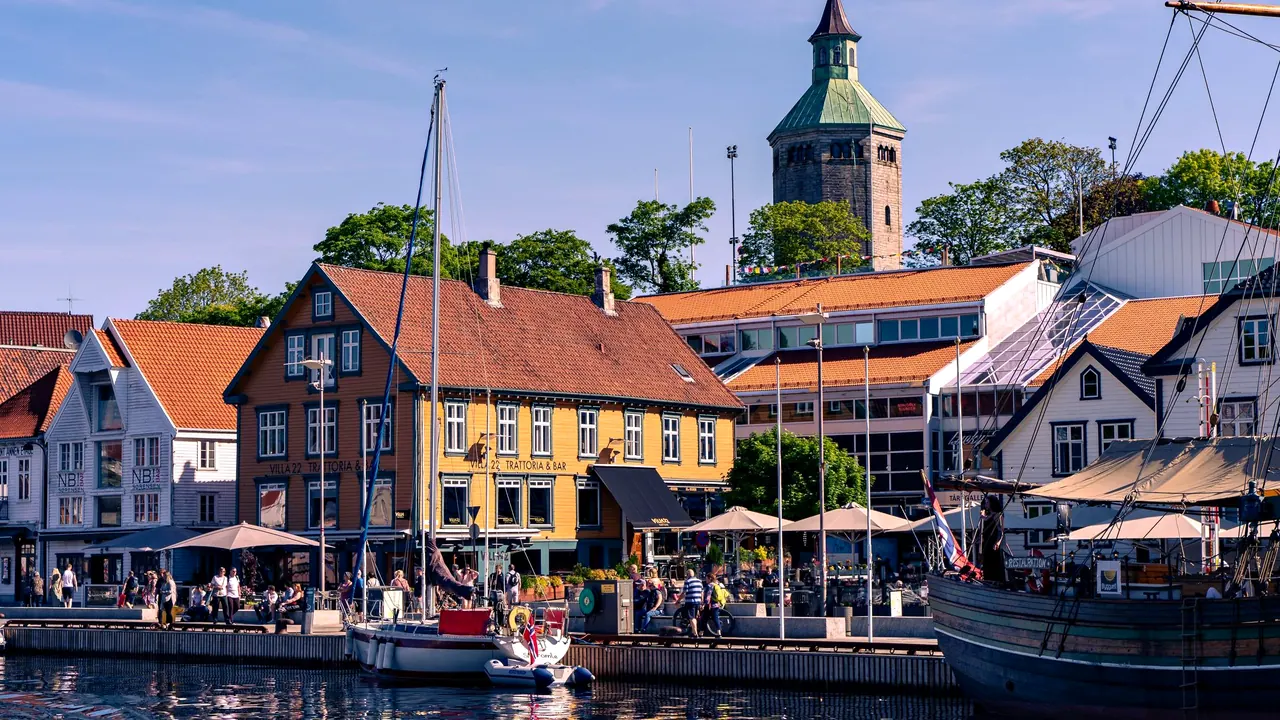
Photos: Gothenburg by Efrem Efre, Pexels License; Stavanger by Adam Cole, Pexels License.
Gothenburg or Stavanger?
Our verdict in twelve categories, each scored against the same fixed benchmark cities, and the climate month by month, so you can choose for your trip.
Choose Gothenburg for
- day trips
- prices
- shopping
Gothenburg is the easier and more varied city of the two. Choose it for a city vacation built around seafood halls, café stops in Haga, an evening of indie music around Järntorget and a ferry ride out to the granite islands. Liseberg makes it a natural pick for families. Trams and boats reach almost everything without a car, and coastal towns such as Marstrand and Varberg make good day trips. It is expensive, but less so than its Norwegian neighbour.
Choose Stavanger for
- nature and the outdoors
Stavanger is the one to pick if the landscape matters more than the city. The Lysefjord, Preikestolen and Kjerag are on its doorstep, and Gamle Stavanger's white wooden lanes make a calm base to come back to after a day on the trails or the water. Expect to hire a car, budget generously and keep your evenings simple. Walkers and anyone after fjord scenery will find little in Gothenburg to match it.
Scoreboard
Twelve categories on one fixed scale from 0 to 100. The shaded stretch is the gap between the two.
Your match
Pick a travel style or drag the sliders, and both match scores follow your weighting.
Wins on day trips and prices with your weighting.
Wins on nature and the outdoors with your weighting.
What matters to you?
Category by category
What the scores mean for a trip.
Beaches & swimming
Neither is a beach destination, but Gothenburg makes a summer swim easier. The rocks and small coves at Saltholmen, Hovås and on islands such as Styrsö and Vrångö are a tram and ferry ride away, and the Kattegat gets a couple of degrees warmer than the open North Sea.
Stavanger has the finer sand: the long dune-backed beaches of the Jæren coast, at Sola, Orre and Brusand, are far bigger than anything near Gothenburg. They are colder and windier, though, and better for surfers and beach walks than for lazy swimming.
Food & drink
Both cities eat from the sea, but Gothenburg has much more depth. Feskekôrka and Stora Saluhallen show off the Bohuslän shellfish, the open shrimp sandwich is everywhere, and between fine dining and a quick lunch there is a real middle layer of fika cafés, craft breweries and wine bars in Haga and Linnéstaden.
Stavanger's top restaurants are ambitious, and the Gladmat festival makes a summer visit special, but below that level the harbourfront choice is narrow and predictable. Ryfylke lamb and Jæren strawberries are its own particular strengths.
Culture & sights
These two are fairly evenly matched, and each takes about two days to see properly, but the kind of history differs. Gothenburg is a planned trading city, with Dutch-built canals, the East India Company building housing the City Museum, and a strong Nordic art collection on Götaplatsen.
Stavanger's appeal is older and more intimate. Gamle Stavanger is one of northern Europe's best-preserved timber quarters, the cathedral keeps its medieval character, and the Viking swords at Hafrsfjord and the Petroleum Museum span a thousand years of the city's fortunes.
Nightlife
Gothenburg gives you more choice after dark. Avenyn handles mainstream bars and clubs, while Järntorget, Linnégatan and Andra Långgatan pack student pubs, cocktail bars and dive bars into a walkable patch, and two universities keep it going in term time.
Stavanger's evenings centre on Øvre Holmegate and the quays around Vågen, which are charming on a light summer night but quiet midweek. Both close fairly early, but a weekend in Gothenburg simply has more streets to explore.
Nature & outdoors
This is where Stavanger pulls well ahead. The Lysefjord's granite walls rise almost a kilometre, and Preikestolen and Kjerag are among the most famous walks in Scandinavia. You can add boat trips beneath waterfalls, Dalsnuten for an easy summit and the dune-and-lighthouse walks of Jæren.
Gothenburg's outdoors is flatter and gentler: bare granite islands for walking, cycling and sea kayaking, sailing culture, and lakes and forest at Delsjön. It is lovely, but there are no mountains.
Day trips
Gothenburg has far more to fill a day away. Marstrand's fortress island, the Bohus ruins at Kungälv, Varberg's seaside fortress and Trollhättan's locks are all easy without a car, and the Tanum rock carvings and fishing villages such as Smögen reward a longer drive.
From Stavanger, most excursions lead into landscape rather than towns. Utstein Abbey and wooden Egersund make good half days, and Avaldsnes with its Viking farm makes a fuller one, but the list runs out quickly.
Good for families
Gothenburg keeps children busy for longer. In the harbour ship museum they can scramble through a destroyer and a submarine, and the ferries out to the car-free southern islands turn an ordinary afternoon into an adventure, with rock pools and small coves at the end. Restaurants take families in their stride, so eating out with children is easy.
Stavanger is just as safe and relaxed, but it has less to fill the days. The children's museum and the oil-equipment playground at the Petroleum Museum are good for a morning, and the Jæren dunes give them room to run in summer. Preikestolen is a real highlight for school-age children who are used to walking, though it is too much for little ones.
Getting around
Both centres are compact enough to walk, but Gothenburg goes much further without a car. Its large tram network covers nearly everywhere, and the same ticket covers river ferries and the boats to the southern archipelago.
Stavanger's buses, local train and fast boats work well for the city and Jæren. For Kjerag, the outer beaches or flexible fjord days, though, most visitors end up hiring a car and paying road tolls.
Shopping & style
Gothenburg is the better place to browse. Kungsgatan has a long run of Nordic fashion labels, and Haga, Majorna and the streets around Andra Långgatan add independent boutiques, vintage shops and record stores.
Stavanger's shopping fits into a few streets around the cathedral, with chains, knitwear and design shops. It is worth it mainly for a good wool sweater or outdoor gear for the hikes.
Affordability
Neither is cheap, but Stavanger is in a different league of expensive, with oil wealth pushing up meals, drinks, taxis and fjord cruises well beyond what Gothenburg charges. In Gothenburg, set lunches and ferries included in the transport ticket soften the costs. In Stavanger, supermarket picnics and free hikes are the main ways to keep the bill down.
Live music & performing arts
Gothenburg has the bigger stage. The Gothenburg Symphony Orchestra, Sweden's national orchestra, plays at Konserthuset, while GöteborgsOperan adds opera and a respected dance company. On top of that, the city has an indie and metal scene, and Way Out West brings major acts to Slottsskogen.
Stavanger's Konserthus at Bjergsted is an excellent hall with its own orchestra. Its year peaks with MaiJazz and the late-summer chamber festival, so it is better for planning around one event than for a varied week.
Wellness & relaxation
Both follow the Nordic habit of sauna followed by a cold dip, and neither has thermal baths. Gothenburg offers a little more: Valhallabadet's pools and saunas, bathing jetties along the shore, and ferry rides to the islands that slow the whole day down. In Stavanger the experience centres on harbour saunas and Gamlingen, the heated outdoor pool used in all weathers.
When should you go?
Pick your month. The climate figures are measured averages, not a forecast.
Gothenburg in July
Stavanger in July
Daytime high, °C
Rainfall in the month, mm
Where the figures come from
Stavanger has no rain gauge within 25 km of the centre, so its rainfall comes from a gridded climate dataset read at the city rather than from a gauge further away.
Temperature and rainfall are climate normals, averaged over the years shown. Gothenburg: 1991-2020 normals, Goteborg Save Airport (9.8 km from centre). Stavanger: 2008-2020 (rainfall 1991-2020) normals, Stavanger Vaaland / Ullandhaug (1.5 km from centre).
Gothenburg has the slightly warmer summer. July and August reach about 21°C, and the sea off the rocks warms to around 18°C, enough for a swim on a good afternoon. Sunshine is long from May to August and peaks in July. Spring is the driest part of its year, so May, mild and already bright, is a good month for walking the canals and Haga before swimming weather arrives. June and July bring a bit more rain. Stavanger runs a couple of degrees cooler all summer, and its North Sea water stays colder. April and May are its driest months, but they are still cool and too early for the high fjord trails. June is the best time there, because the trails are open and the heavy rain has not yet arrived.
From August the two cities part ways. Stavanger turns very wet, peaking at 164mm in October, so late-season hikes to Preikestolen or Kjerag become a gamble. Gothenburg is wetter in autumn too, but gets only around half that rain. Winter is cold and grey in both, and Stavanger is a degree or so milder. In Gothenburg, sunshine drops to very little from November to January, so winter days there are short on light as well as warmth.
Which traveller are you?
For an outdoors trip, Stavanger is the clear choice. The Lysefjord walls, the hike up to Preikestolen and the longer climb to Kjerag offer a mountain-and-fjord experience that Gothenburg's archipelago paths and Delsjön woods are pleasant but gentler alternatives to.
On a family trip with children, Gothenburg does more. Liseberg is within walking distance of the centre, Universeum covers rainy days, Slottsskogen has free animals and playgrounds, and buggies roll straight onto the trams. In Stavanger the amusement park and science centre are both outside the city.
On a tight budget, Gothenburg hurts less. Both are pricey, but Stavanger is expensive at every level. In Gothenburg the weekday set lunch, cheap ferries included in the transport ticket and free parks stretch your money noticeably further.
Before you go
| Measure | Gothenburg | Stavanger |
|---|---|---|
| Official language | Swedish | Norwegian, Nynorsk, Bokmål, Sámi |
| Currency | Swedish Krona (SEK) | Norwegian Krone (NOK) |
| Sockets | CF230 V, 50 Hz | CF230 V, 50 Hz |
| Driving side | Right | Right |
| Time zone | UTC+1, UTC+2 in summer | UTC+1, UTC+2 in summer |
| Emergency number | 112 | Police 112, ambulance 113, fire 110 |
| Elevation | 12 m | 15 m |
| Main airport | Göteborg Landvetter Airport (GOT)19 km from centre79 non-stop destinations | Stavanger Airport, Sola (SVG)12 km from centre32 non-stop destinations |
| Public holidays this year | 16 days | 13 days |
By the numbers
| Measure | Gothenburg | Stavanger |
|---|---|---|
| City population | 674,529 | 129,300 |
| People per km² | 2,484 | 3,131 |
| Museums within 10 km | 39 | 13 |
| UNESCO World Heritage sites within 50 km | 0 | 0 |
| Swim season, months above 21 °C | None | None |
Where else could you go?
Every comparison below shares a destination with this one, so you can follow Gothenburg or Stavanger somewhere new.
- Bergenvs Stavanger
- Aarhusvs Gothenburg
- Copenhagenvs Gothenburg
- Malmovs Gothenburg
- Oslovs Gothenburg
- Oslovs Stavanger