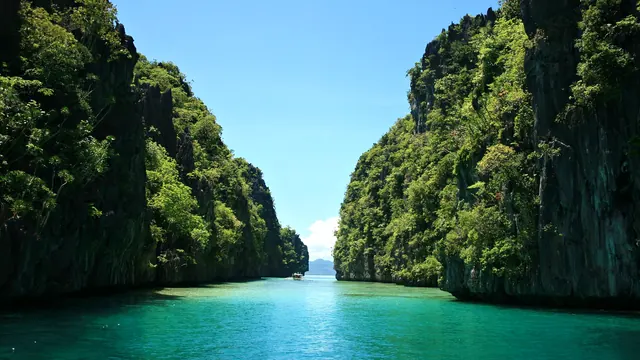
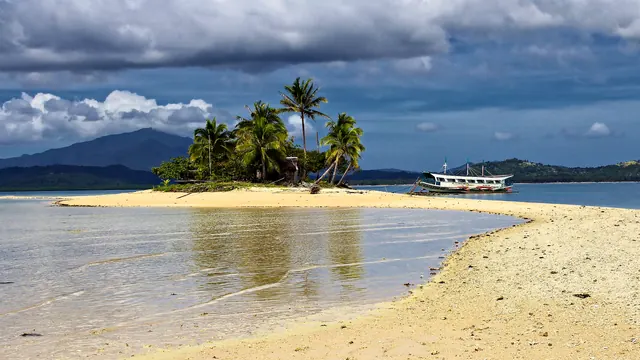
Photos: Great Barrier Reef by Ayanadak123, CC BY-SA 4.0, cropped; Palawan by Sailko, CC BY 3.0, cropped.
Great Barrier Reef or Palawan?
Our verdict in twelve categories, each scored against the same fixed benchmark cities, and the climate month by month, so you can choose for your trip.
Choose Great Barrier Reef for
- day trips
- families
- getting around
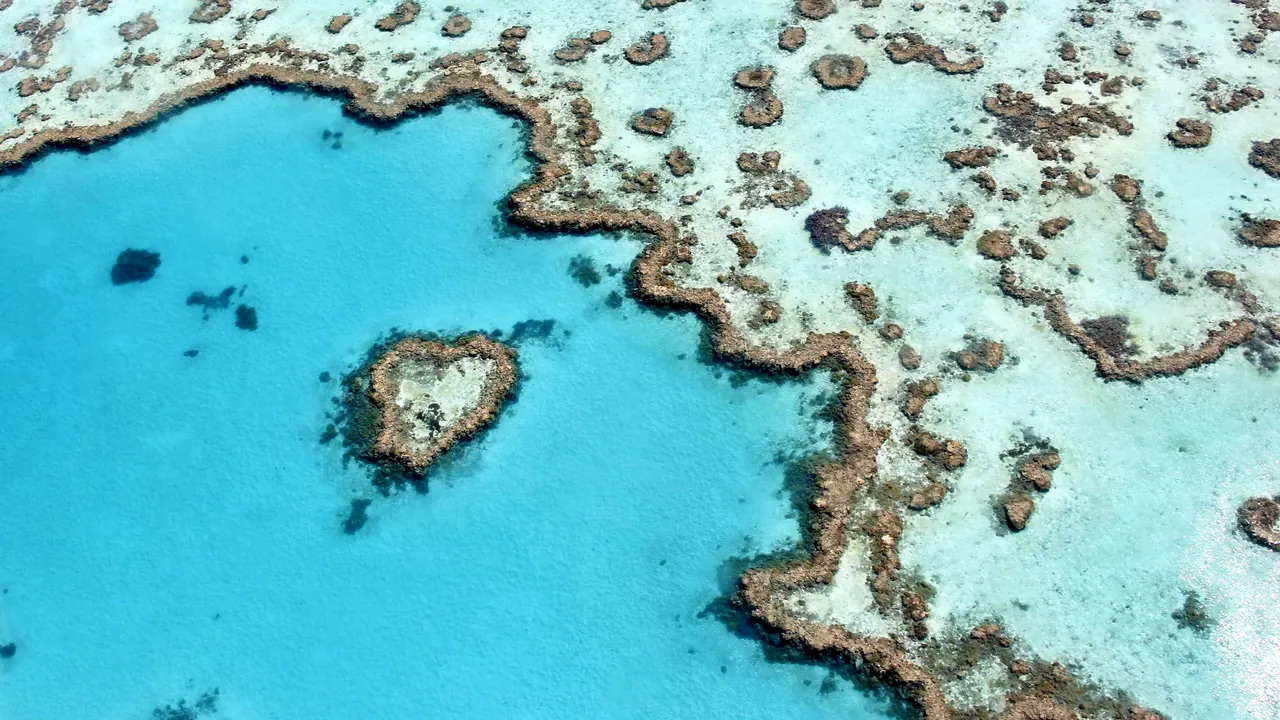
The Great Barrier Reef is the choice when coral and wildlife are the whole point. The outer reefs off Cairns and Port Douglas, with the Daintree rainforest running down to the sea, make it the stronger trip for divers, snorkellers and nature lovers. Boats leave every day from the main bases and the reef pontoons let even non-swimmers see the coral, so it also works for families with school-age children who want one comfortable base. The cost is the catch: it is an expensive trip.
Choose Palawan for
- prices
- beaches
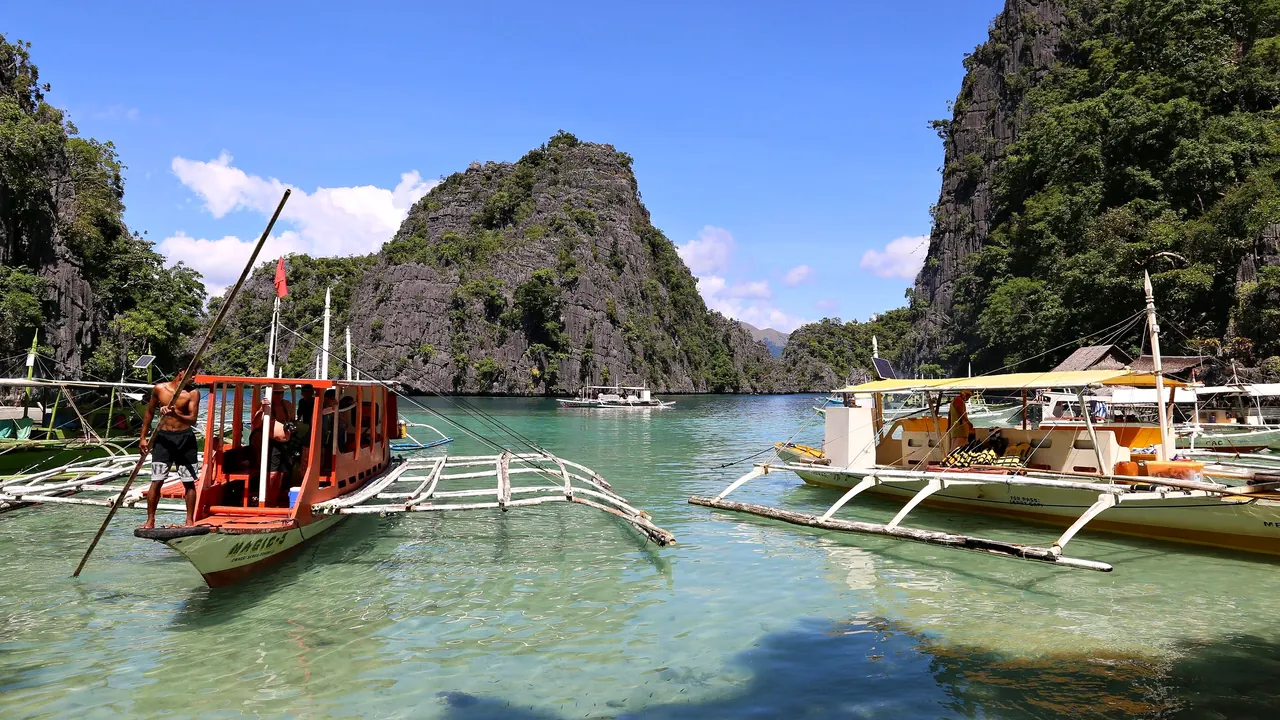
Palawan wins on beaches and on budget. The limestone islands of Bacuit Bay and the islets around Coron hide sand and lagoons that the Queensland coast can't match, and guesthouses, shared vans and group boat tours keep a long stay affordable. In return you get slow, tiring transfers and very little to do away from the water. It rewards confident swimmers and travellers who have time to move between bases.
Scoreboard
Twelve categories on one fixed scale from 0 to 100. The shaded stretch is the gap between the two.
Your match
Pick a travel style or drag the sliders, and both match scores follow your weighting.
Wins on day trips and families with your weighting.
Wins on prices and beaches with your weighting.
What matters to you?
Category by category
What the scores mean for a trip.
Beaches & swimming
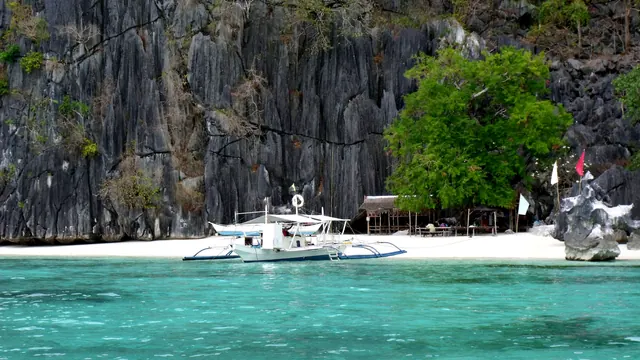
Both have warm water and white sand, but Palawan's beaches are the stronger reason to go. Around El Nido, small coves sit among the limestone islands of Bacuit Bay, and Nacpan and Duli are long, open strands backed by palms. The water is calm through the dry season, and Port Barton and San Vicente are quieter still.
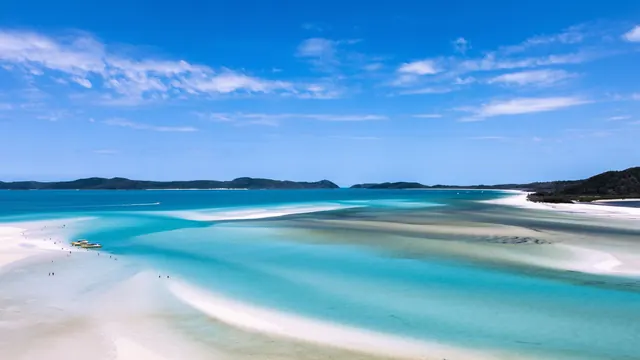
The reef's best sand, Whitehaven Beach and Hill Inlet in the Whitsundays, is superb but sits on the islands, and Cairns itself faces mudflats. From November to May swimmers wear stinger suits or stay inside nets, and crocodile signs rule out the mainland creeks. In both places the finest beaches are reached by boat.
Food & drink
Neither is a food trip, but the reef coast eats better. Cairns has its weekend produce market and a strip of seafood places and Asian kitchens along the Esplanade. Port Douglas has a proper restaurant street, and the Tablelands add coffee, cheese and rum to an afternoon in the hills.
In Palawan, the best meal is grilled fish and squid on a beach during an island-hopping day. Puerto Princesa has chao long noodle soup, and tamilok for the curious. In El Nido and Coron, menus lean towards pizza and smoothie bowls for travellers.
Culture & sights
Culture is thin in both, and neither trip should be planned around it. What differs is the kind. On the reef, the most rewarding experience is a walk with Aboriginal Traditional Owners around the Daintree and Mossman Gorge. The Indigenous art in the Cairns gallery and the story of HMS Pandora in Townsville add to it.
Palawan's sights are older history rather than living culture: the Tabon Caves, the cathedral and Plaza Cuartel in Puerto Princesa, and the old leper colony on Culion. They are scattered and modest, and most visitors skip them.
Nightlife
Both are early-to-bed places because the boats leave in the morning, but the reef coast offers a little more. Airlie Beach's main street of loud backpacker bars and the pubs and late clubs near the Cairns Esplanade can make a proper night out. Port Douglas is better for cocktails over dinner.
Palawan's nights come down to El Nido: a short strip of reggae and acoustic bars, plus sunset drinks on the beach at Las Cabanas. There are no clubs, so it suits a sociable crowd rather than people who want to dance.
Nature & outdoors
Both are among the great nature trips anywhere, and the difference is in kind. The Great Barrier Reef is the world's largest coral reef system, with Agincourt and the Ribbon Reefs, turtles and reef sharks, and minke whales in winter. The Daintree rainforest meets the sea at Cape Tribulation, which gives the reef the edge for coral and for wildlife on land.
Palawan's strength is scenery: the sheer limestone islands of Bacuit Bay, Coron's freshwater lakes between cliffs, and the Underground River near Puerto Princesa. Divers have Coron's wartime wrecks, and Tubbataha by liveaboard from March to June.
Day trips
The reef coast has more variety away from the water. From Cairns you can ride the scenic railway or the cableway up to Kuranda, drive the coast road to Port Douglas and Mossman, or visit the farms and distilleries around Yungaburra on the Tablelands.
In Palawan, nearly every outing is a boat trip. Taytay's Spanish fort is the only real town trip from El Nido, so travellers move between bases instead.
Good for families
The reef is the easier family trip. Pontoons with roped swimming areas and underwater viewing chambers let non-swimmers see the coral. Cairns adds a lifeguarded lagoon pool and an aquarium, and children can spot koalas and feed wallabies on Magnetic Island. The catches are seasickness on the crossings and stinger suits in summer.
Palawan suits only older children who swim well and enjoy kayaking in the lagoons. Beyond the crocodile conservation centre and Honda Bay there is little built for them, and long road transfers and basic medical care are a burden for parents.
Getting around
Neither is quick, but the reef is simpler. Boats and ferries leave daily from the central marinas in Cairns, Port Douglas and Airlie Beach, often with hotel pickup, so a short stay works without a car. The hubs are a full day's drive apart, though, so most people fly between them.
In Palawan, the main transfer from Puerto Princesa to El Nido takes five to six hours in a shared van on winding roads. Coron needs a flight or a ferry that rough weather can cancel.
Shopping & style
The reef coast gives you more to browse. Kuranda's markets sell crafts, leather and local honey, and Port Douglas has a short street of resort-wear boutiques and galleries. The best thing to bring home is Aboriginal and Torres Strait Islander art, bought from community-owned art centres.
Shopping in Palawan is mostly practical: cashew nuts, woven baskets and South Sea pearl jewellery in Puerto Princesa, and sarongs and souvenirs in El Nido and Coron. Neither place is worth planning a trip around for its shops.
Affordability
Palawan is far kinder to a budget. Guesthouses, local meals, shared vans and group boat tours are cheap. Only the private-island resorts, internal flights and the lagoon fees push the cost up.
The reef is expensive because every day out needs a boat, and diving, seaplane flights and island resorts add up quickly. Hostels and apartments in Cairns and Airlie Beach soften the cost, but eating out is at full Australian prices.
Live music & performing arts
There is a little more on the reef coast: Townsville's winter chamber music festival and the Cairns performing arts centre with its touring shows. Palawan has no theatre or concert hall, just a guitarist in an El Nido bar or a folk dance show in Puerto Princesa.
Wellness & relaxation
Both are good places to slow down, in different ways. On the reef, the calm comes from small island resorts, spas using rainforest botanicals in Port Douglas, and eco-lodges in the Daintree. Cairns and Airlie Beach are for doing rather than resting.
Palawan has simple hilot massage huts and the Maquinit hot spring near Coron, which is best after dark. Villages such as Port Barton set a slow pace, while noisy El Nido town is best avoided.
When should you go?
Pick your month. The climate figures are measured averages, not a forecast.
Great Barrier Reef in July
Palawan in July
Daytime high, °C
Rainfall in the month, mm
Where the figures come from
Great Barrier Reef has no rain gauge within 25 km of the centre, so its rainfall comes from a gridded climate dataset read at the destination rather than from a gauge further away.
Palawan has no weather station within reach, so its figures come from a gridded climate model rather than a measured record, and read a broad area rather than one spot.
Temperature and rainfall are climate normals, averaged over the years shown. Great Barrier Reef: 1993-2010 (rainfall 1991-2020) normals, Green Island Aws (1.1 km from centre). Palawan: 2001-2020 normals, NASA POWER reanalysis grid, no weather station within 90 km.
The two run on almost opposite calendars. On the reef coast around the main bases, June to October is the dry season: days are warm rather than hot, there is little rain, and outside the stinger season you can swim without a suit. From December to March it is hot and very wet, with up to 504mm of rain in February, and box jellyfish keep swimmers in stinger suits or netted enclosures. The sea is warm all year and only cools to about 24°C in the dry months.
Where most visitors stay in Palawan, the heat barely changes, with highs around 29°C in every month. Rain is what sets the timing. January to April is driest, with February down to 34mm, and the seas are calm for boat days. From June to October the monsoon brings over 200mm a month and choppy water that can cancel crossings. In short: Palawan from January to April, the reef from June to October.
Which traveller are you?
For a beach and sun trip, choose Palawan. On the reef, the best sand means staying on a Whitsunday island, because the mainland towns are bases for the boats rather than places to lie on a beach. Palawan is built around its shore, from Bacuit Bay's coves to quiet San Vicente.
On a family trip with children, the Great Barrier Reef is easier. From Cairns, glass-bottom boats show the coral to non-swimmers, and Kuranda's wildlife parks and butterfly house fill a day ashore. Palawan rewards only strong swimmers and means long van rides between bases.
On a tight budget, Palawan is the clear pick. Self-catering in Cairns or Airlie Beach helps on the reef, but every reef day still means paying for a boat. In Palawan a modest budget goes a long way, as long as you avoid El Nido at the height of the dry season.
Before you go
| Measure | Great Barrier Reef | Palawan |
|---|---|---|
| Official language | English | English, Filipino, Taglish |
| Currency | Australian Dollar (AUD) | Philippine Peso (PHP) |
| Sockets | I230 V, 50 Hz | ABC220 V, 60 Hz |
| Driving side | Left | Right |
| Time zone | UTC+10 | UTC+8 |
| Emergency number | 000 | 911 |
| Main airport | Cairns International Airport (CNS)32 non-stop destinations | Puerto Princesa International Airport / PAF Antonio Bautista Air Base (PPS)5 non-stop destinations |
| Public holidays this year | 11 days | 18 days |
By the numbers
| Measure | Great Barrier Reef | Palawan |
|---|---|---|
| Population | - | 968,795 |
| People per km² | - | 66 |
| Swim season, months above 21 °C | 12 months | 12 months |
Where else could you go?
Every comparison below shares a destination with this one, so you can follow Great Barrier Reef or Palawan somewhere new.
- Boracayvs Palawan
- Sabahvs Palawan
- Boholvs Palawan
- Cebu Islandvs Palawan
- Siargaovs Palawan
- Borneovs Palawan