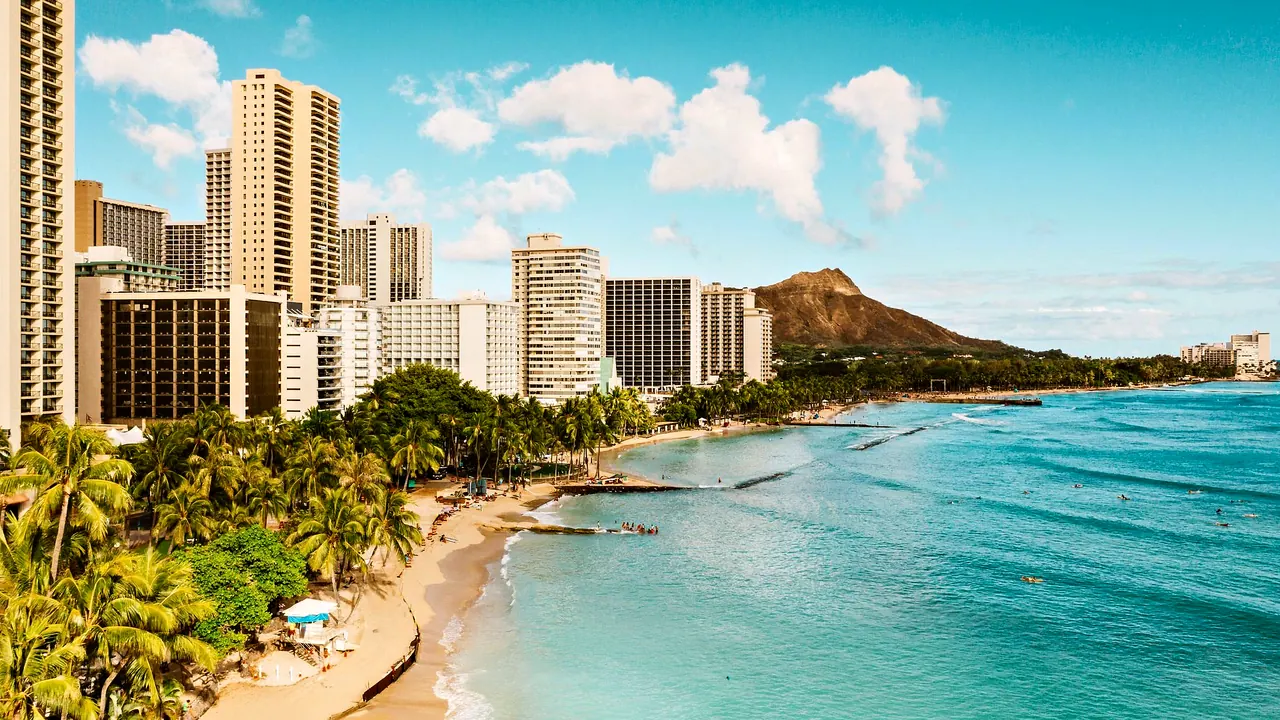
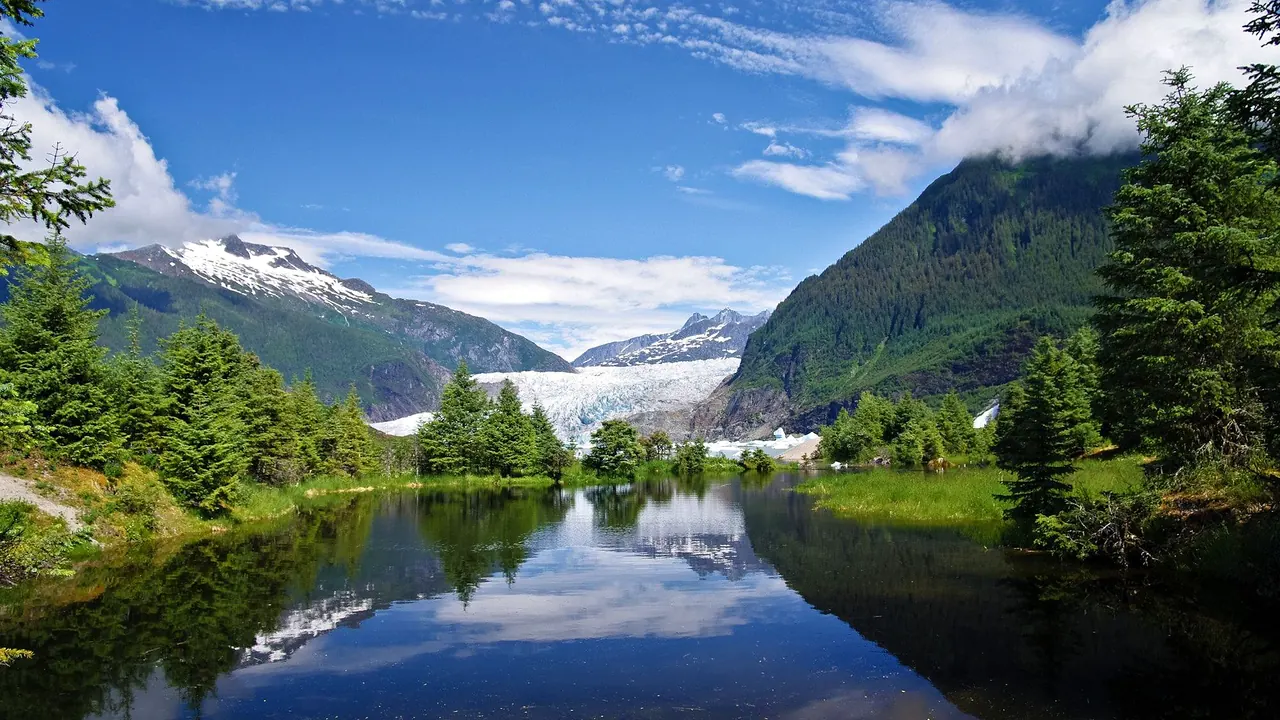
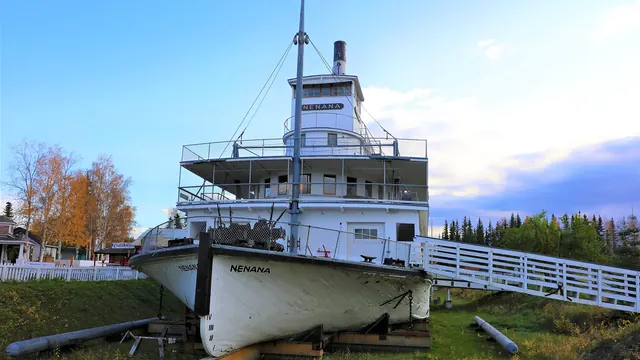
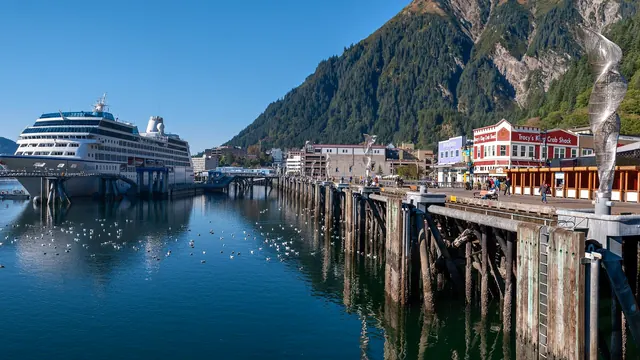
Photos: Hawaii by Jess Loiterton, Pexels License; Alaska by Spoorthy Vemula, CC BY 3.0, cropped.
Hawaii or Alaska?
Our verdict in twelve categories, each scored against the same fixed benchmark cities, and the climate month by month, so you can choose for your trip.
Choose Hawaii for
- beaches
- shopping
- families
For a warm-weather trip that mixes water, landscape and some comfort, Hawaii is the easier fit. Its sea is swimmable all year, the resort coasts and lagoons suit children, and Honolulu adds real food depth, a royal palace and the Bishop Museum. Its volcanoes, sea cliffs and reefs are spectacular, but the wildlife and sense of empty country are not on Alaska's scale.
Choose Alaska for
- nature and the outdoors
- prices
Alaska is the choice for travellers who want wilderness above everything else: grizzlies on the Denali park road, humpbacks and calving glaciers in Kenai Fjords, floatplanes to the bears of Katmai, and the aurora if you come in winter. In return you accept cool, often wet weather, long drives or a cruise itinerary, early nights, and very little in the way of beaches, shopping or city life.
Scoreboard
Twelve categories on one fixed scale from 0 to 100. The shaded stretch is the gap between the two.
Your match
Pick a travel style or drag the sliders, and both match scores follow your weighting.
Wins on beaches and shopping with your weighting.
Wins on nature and the outdoors and prices with your weighting.
What matters to you?
Category by category
What the scores mean for a trip.
Beaches & swimming
Alaska's huge coastline is for walking and beachcombing, not swimming. The sea off Seward, Homer and Juneau stays cold even in late summer, and the shore is often rock, glacial silt or mudflats, so the best you get is sea otters from the strand and a quick dip in an Interior lake.
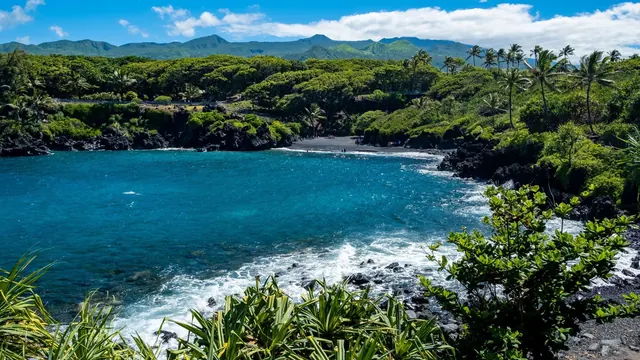
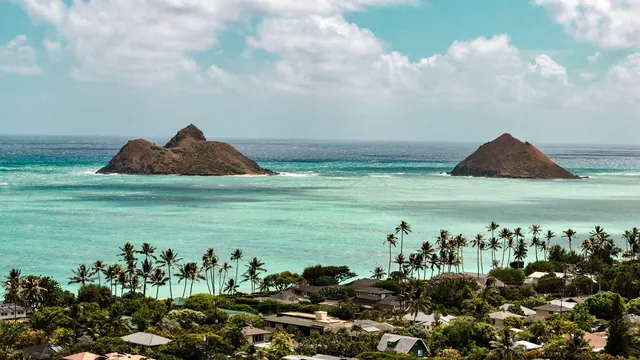
Hawaii is the opposite: the sea is the reason most people go. Waikiki suits beginners and surf lessons, Lanikai and Kailua are quieter, and Maui's Kaanapali and Wailea and the Big Island's Hapuna offer classic resort sand with snorkelling. Just pick a coast that suits the season, as winter swells close the north shores to swimmers.
Food & drink
Both places eat best from the sea, but in different ways. Alaska's strength is the catch itself, wild salmon, halibut, Kachemak Bay oysters and king crab, eaten at harbourside smokehouses in Homer or Sitka with a craft beer. Outside Anchorage the choice thins fast, and many kitchens close once summer ends.
Hawaii has a whole cuisine of its own, blending Hawaiian, Japanese, Korean, Filipino and Portuguese cooking into plate lunches, poke counters and malasadas. Honolulu adds depth with ramen, izakaya and Chinatown dim sum, and even the thinner neighbour islands have farmers markets, food trucks and Kona coffee at its source.
Culture & sights
Neither is a museum trip, but Hawaii gives more to see. Iolani Palace, the Bishop Museum's Pacific collections and the Pearl Harbor memorials make a solid few days in Honolulu, and the Big Island adds the place of refuge at Puuhonua o Honaunau and heiau temples set in the lava.
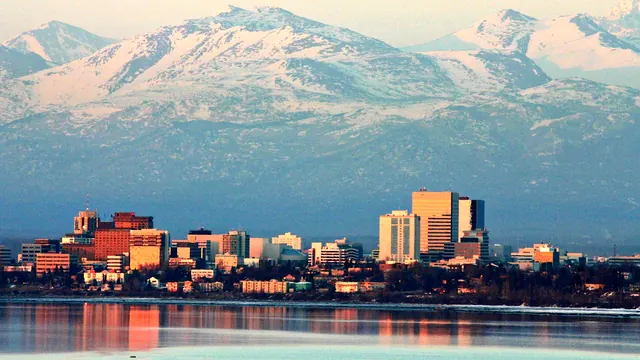
In Alaska, culture is a series of short stops. Visitors see the Anchorage Museum and the Alaska Native Heritage Center, Sitka's Russian cathedral and totem trail, and Skagway's Klondike main street, each an hour or two between days in the wild.
Nightlife
Hawaii offers a proper evening out, at least in Honolulu, where Chinatown's cocktail and dive bars and a few Waikiki clubs carry on until about 2am. Elsewhere on the islands it is sunset drinks and bed.
Alaska stops at a brewpub or a sawdust-floored frontier saloon in Skagway, Talkeetna or Fairbanks, worth a drink for the atmosphere. With no clubs and early boats to catch, even the midnight light rarely turns into a late night.
Nature & outdoors
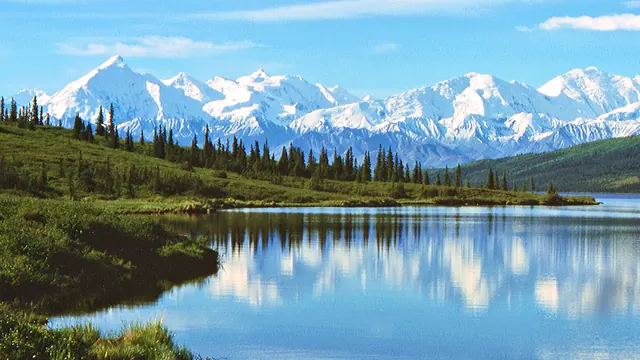
Both are outstanding, but Alaska's wilderness is on another scale. Denali towers over tundra roamed by grizzlies and caribou, Kenai Fjords cruises bring orcas and puffins, bears fish at Katmai, and Glacier Bay's tidewater ice is best seen by boat or floatplane. Winter swaps that for the aurora and dog sledding.
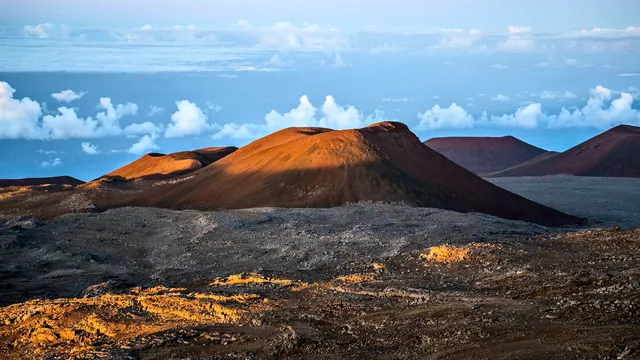
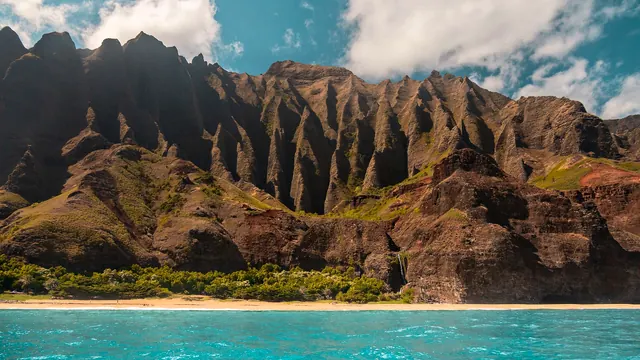
Hawaii's nature is volcanic and tropical rather than vast and wild: Kilauea's crater rim, Haleakala above the clouds, the Na Pali cliffs and Waimea Canyon on Kauai. Its real advantage is underwater, with turtles on the reefs, manta rays off Kona and humpbacks off Maui in winter.
Day trips
In both places days out lead to small towns that are really gateways to scenery, and neither has much else. The difference is how you travel. Alaska's outings are long road or rail runs along Turnagain Arm to Seward or north to Talkeetna, or a boat from Juneau to Skagway. Hawaii's stay within one island, such as Haleiwa and Kailua from Honolulu, Hilo and Waimea on the Big Island or Paia and the Lanai ferry from Maui, because the other islands are a flight away.
Good for families
Hawaii is much easier with children. The lagoons at Ko Olina and Maui's sheltered south-shore bays allow shallow swimming, turtle snorkelling can start young, and resorts come with pools and kids' clubs. The Polynesian Cultural Center and Waikiki Aquarium fill the rainy hours.
Alaska suits outdoorsy families with older children who will enjoy gold panning, the Alaska Railroad, the SeaLife Center in Seward and moose by the road. Younger ones may struggle with the cool, wet weather, the long hours on buses and boats and the bright summer nights.
Getting around
In Alaska the logistics shape the whole trip. You either cruise or take the ferry along the Inside Passage, where Juneau, Ketchikan and Sitka have no road links, or you drive from Anchorage to Kenai, Denali and Fairbanks, with about four hours to Denali alone and gravel on some routes. The Alaska Railroad is a scenic alternative in summer, and the glaciers and bears often need an extra boat or small plane on top.
Hawaii is simpler, mainly because Oahu works without a car: Waikiki is walkable and the island buses reach most of the coast. On Maui, Kauai and the Big Island a hire car is essential, the sights are spread out, and the Road to Hana and the drives across the Big Island are slow. Still, those journeys take hours rather than whole days, and a short flight links the islands.
Shopping & style
Hawaii has real shopping, centred on Honolulu: luxury labels along Kalakaua Avenue, the big malls by Ala Moana, and local buys such as aloha shirts, koa wood, Niihau shell lei and Hawaiian quilts. Small galleries in Paia and Hanapepe are worth browsing.
Alaska is mostly about Native crafts. Look for baskets, beadwork, qiviut knitwear and ulu knives with the Silver Hand mark, best found in Anchorage. The jewellery strips in the cruise ports are generic, much like Hawaii's tourist stock.
Affordability
Neither is a budget trip, but the money goes in different places. In Alaska the cost comes from the short summer season: rooms near Denali and in the cruise ports are scarce, and the things people come for, from glacier cruises to floatplane bear viewing, are nearly all paid tours. The real savings are camping or a public-use cabin and long days on free trails, which suit the trip anyway.
Hawaii is expensive in every month, and most of the cost is where you sleep and eat, with the beachfront resorts on Maui and Kauai the most expensive. Here you save by eating at plate-lunch and poke counters, and by taking a condo with a kitchen or staying in Waikiki rather than at a resort.
Live music & performing arts
Hawaii has a living performance tradition that visitors meet everywhere. Hula is taught across the islands and culminates in the Merrie Monarch Festival in Hilo each spring, and slack-key guitar plays at hotel lounges at sunset. Honolulu's restored Hawaii Theatre and the symphony add a modest formal season.
Alaska's best moments are Native drumming and dancing in Sitka, Ketchikan and Juneau, plus Sitka's June chamber music festival. Anchorage's concert season mostly runs in winter, so summer evenings are left to gold rush revues.
Wellness & relaxation
Hawaii suits a restful stay better. It has large resort spas with open-air treatment rooms at Wailea, Kapalua, the Kohala Coast and Poipu, lomilomi massage almost everywhere, and yoga retreats on Kauai's quiet north shore. It has no tradition of bathing in hot water, though.
That is what Alaska does have. You can soak at Chena under the northern lights, use Tenakee's old village bathhouse or visit the Nordic-style spa at Girdwood, and remote lodges on Kachemak Bay are deeply quiet. A typical summer itinerary, though, leaves little time to rest.
When should you go?
Pick your month. The climate figures are measured averages, not a forecast.
Hawaii in July
Alaska in July
Daytime high, °C
Rainfall in the month, mm
Temperature and rainfall are climate normals, averaged over the years shown. Hawaii: 1991-2020 (sunshine 1981-2010) normals, Honolulu International Airport (10 km from centre). Alaska: 1991-2020 (sunshine 1981-2010, rainfall 1981-2010) normals, Anchorage Air Force Base (7.2 km from centre).
Alaska's main season is short. Where most visitors stay, daytime highs reach only about 20°C in July. Late May and June are the driest and brightest weeks, with the longest days for hiking and boat trips. Rain picks up through July and peaks in August at around 82mm, then eases a little in September and October as the cold sets in. Highs stay below freezing from November to February, and March is barely above it, so the dark months suit the aurora, dog sledding and skiing rather than sightseeing. The sea never gets warm enough to swim in.
Around Hawaii's main resort coasts it is warm in every month, with highs from 27°C in winter to about 31°C from June to September and a sea that never drops below 24°C. April to September is the driest and sunniest stretch, and November to March brings more showers but rarely enough to spoil a day. Summer heat can make long hikes hard work, so winter and spring are better for the volcano trails and crater walks. Hawaii suits a trip in any month, while Alaska is really two different trips: a summer one for wildlife and a winter one for the northern lights.
Which traveller are you?
For a beach and sun trip, Hawaii wins outright. Its warm sea, lifeguarded sands at Waikiki and Wailea and reef coves for snorkelling with turtles have nothing to match in Alaska, where the shore is cold rock, silt and mudflats.
On an outdoors trip, Alaska is the stronger choice. Denali, the Kenai Fjords cruises, bear viewing at Katmai and the tidewater glaciers of the Inside Passage give wilderness and big wildlife on a scale that Hawaii's volcanoes and sea cliffs cannot match.
On a family trip with children, Hawaii is far easier. Calm lagoons, turtle snorkelling, resort pools and kids' clubs, and the Polynesian Cultural Center fill the days, while Alaska asks small children to sit through long drives, cold boat trips and bright nights.
Before you go
| Measure | Hawaii | Alaska |
|---|---|---|
| Currency | US Dollar (USD) | US Dollar (USD) |
| Sockets | AB120 V, 60 Hz | AB120 V, 60 Hz |
| Driving side | Right | Right |
| Time zone | UTC-10 | UTC-9, UTC-8 in summer |
| Emergency number | 911 | 911 |
| Main airport | Daniel K. Inouye International Airport (HNL)56 non-stop destinations | Ted Stevens Anchorage International Airport (ANC)49 non-stop destinations |
| Public holidays this year | 13 days | 12 days |
By the numbers
| Measure | Hawaii | Alaska |
|---|---|---|
| Population | 1,455,271 | 733,391 |
| Swim season, months above 21 °C | 12 months | None |
Where else could you go?
Every comparison below shares a destination with this one, so you can follow Hawaii or Alaska somewhere new.
- Canadian Rockiesvs Alaska
- Californiavs Hawaii
- San Diegovs Hawaii
- Floridavs Hawaii
- Key Westvs Hawaii
- Florida Keysvs Hawaii