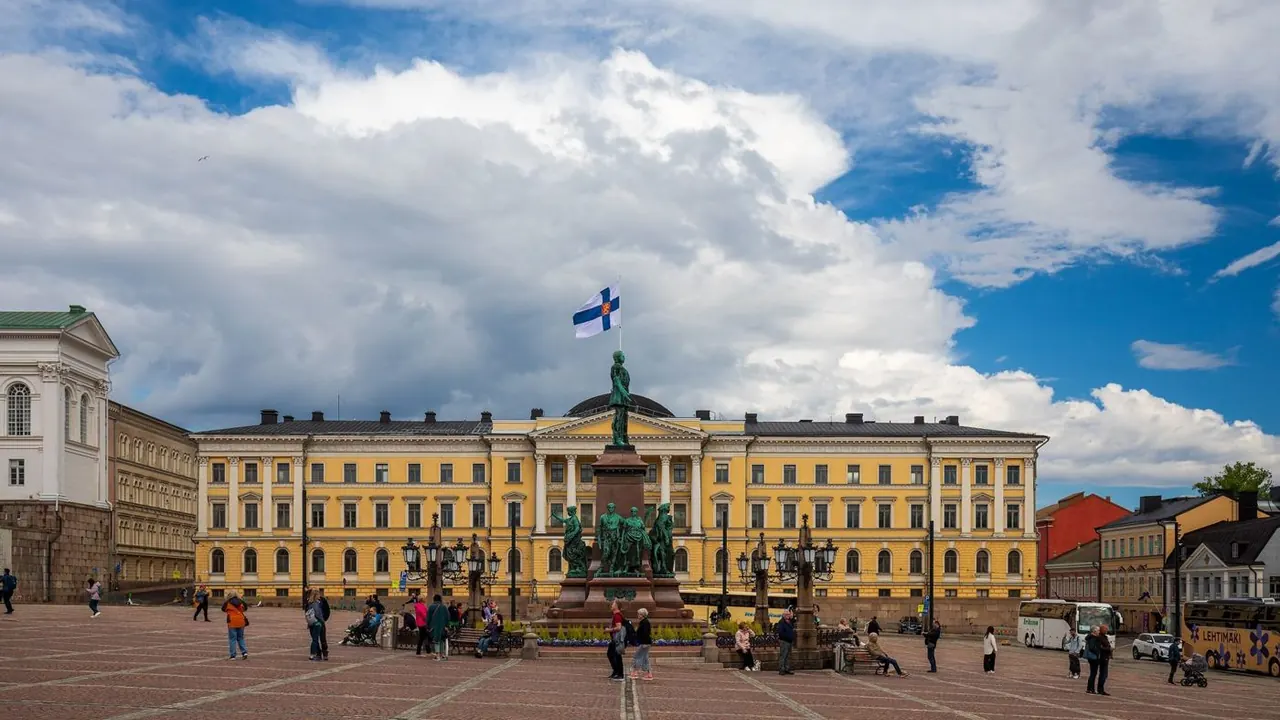
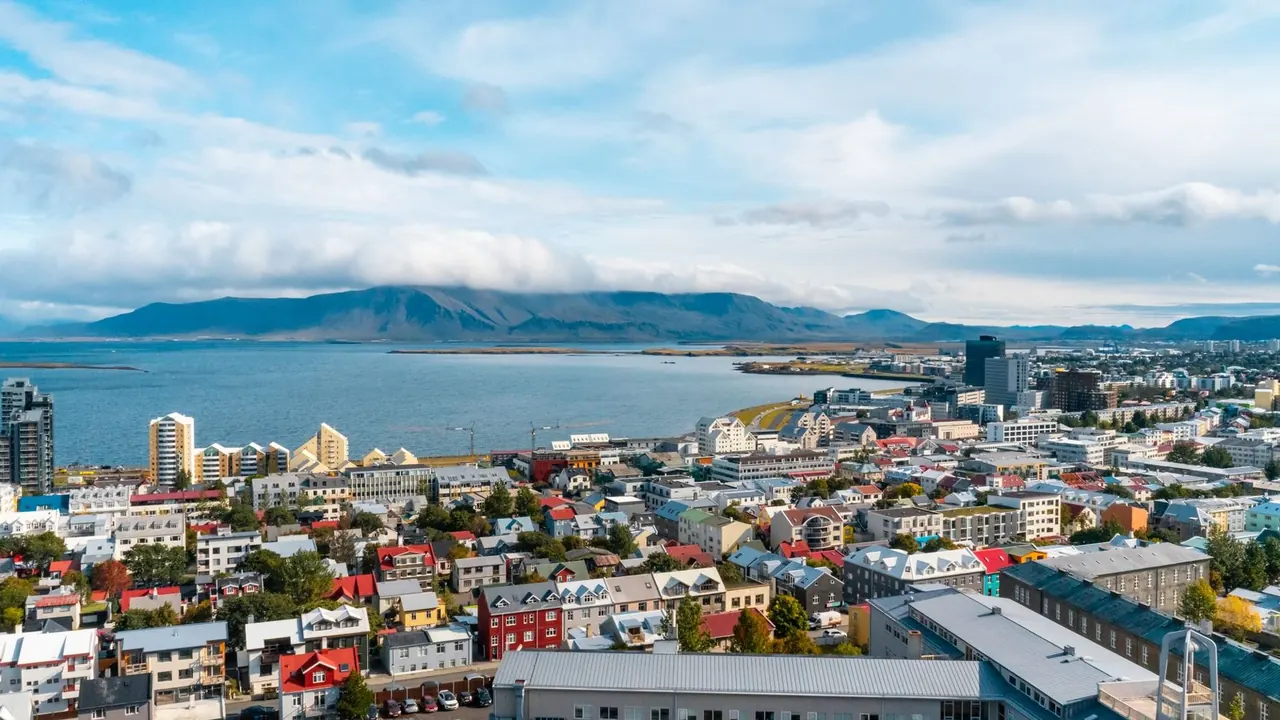
Photos: Helsinki by Ximonic (Simo Räsänen), CC BY-SA 4.0, cropped; Reykjavik by Atlantic Ambience, Pexels License.
Helsinki or Reykjavik?
Our verdict in twelve categories, each scored against the same fixed benchmark cities, and the climate month by month, so you can choose for your trip.
Choose Helsinki for
- shopping
- culture and sights
- getting around
Helsinki suits travellers who want the city itself to be the point. Its Neoclassical centre, Jugend streets, Aalto buildings, Suomenlinna, Finnish design shops and a full concert season are all within reach on foot or by tram. It is also the easier city with children and the gentler one on the wallet, though neither is cheap.
Choose Reykjavik for
- nature and the outdoors
- wellness
Reykjavik is for people who come for the land around it. The capital is small and its sights fill a day, but geysers, waterfalls, glaciers and lava fields lie within a drive, and the geothermal pools turn every evening into a soak. Expect a hire car or tours, very high prices and weather that sets the plans.
Scoreboard
Twelve categories on one fixed scale from 0 to 100. The shaded stretch is the gap between the two.
Your match
Pick a travel style or drag the sliders, and both match scores follow your weighting.
Wins on shopping and culture and sights with your weighting.
Wins on nature and the outdoors and wellness with your weighting.
What matters to you?
Category by category
What the scores mean for a trip.
Beaches & swimming
Neither city is a beach destination, but Helsinki at least has a swimming summer. Hietaniemi's sand and island beaches such as Pihlajasaari fill up on warm July days, when the Baltic is mild enough to swim in for a few weeks.
In Reykjavik the North Atlantic stays too cold for more than a quick plunge, and the shore is mostly rock and black sand. The geothermally warmed cove at Nauthólsvík is the novelty, and the heated outdoor pools are where people actually swim.
Food & drink
Both kitchens are Nordic and seasonal, but Helsinki has more depth. There is salmon soup, Baltic herring and Karelian pies, the Old Market Hall, and harbour stalls selling berries and chanterelles in late summer. Add a modern Nordic tier and a serious coffee culture, and there is more to work through.
Reykjavik's ingredients are superb, from langoustine and Arctic char to free-range lamb and skyr, but the choice thins quickly beyond Laugavegur and the Old Harbour. Lamb soup and a harbour-side hot dog are the honest highlights, and the prices push many visitors to cook for themselves.
Culture & sights
This is one of the widest gaps between the two cities. Helsinki tells a full architectural story, from Engel's Senate Square and Uspenski Cathedral through the Jugend streets of Katajanokka and Eira to Finlandia Hall and the Temppeliaukio rock church. Suomenlinna adds a UNESCO-listed sea fortress, and the Ateneum holds the national art collection.
Reykjavik has Hallgrímskirkja, Harpa and a handful of small museums, of which the Settlement Exhibition around its Viking-age longhouse stays with you longest. A day covers them all, and most visitors treat the city as a base rather than a sight.
Nightlife
The two are close, and the difference is in how a night out works. Helsinki spreads it across districts: unpretentious bars and karaoke in Kallio, cocktail bars and a few serious clubs in the centre, and waterside terraces that stretch summer evenings.
Reykjavik packs everything into a few blocks and two nights. On Fridays and Saturdays the runtur moves along Laugavegur through small bars that become dance floors after midnight, and in midsummer you walk out into daylight at 3am. Weeknights are quiet and drinks are expensive in both cities.
Nature & outdoors
Here Reykjavik is in another league. Within a couple of hours are the rift valley at Þingvellir, the Strokkur geyser, Gullfoss, the south-coast waterfalls and a glacier tongue for ice walks. Reykjanes, close to the airport, adds lava fields and steaming mud pools, and winter brings ice caves and trips to look for the northern lights.
Helsinki's outdoors is gentler: skerries to kayak among, ferries out to picnic islands, the Central Park forest belt and Nuuksio's lakes and pine trails under an hour away. It is flat, easy and lovely, but it adds to a city trip rather than being the reason for one.
Day trips
Helsinki has proper towns within reach, and one of them is in another country: Tallinn's walled medieval old town is about two hours away by fast ferry. Porvoo's wooden riverside storehouses and Turku's castle and cathedral are the Finnish options, by bus and by train.
From Reykjavik, outings are drives through landscape, with the open-air parliament site at Þingvellir the one essential historic stop. Skálholt, Snorri Sturluson's Reykholt and the merchant houses of Eyrarbakki are pleasant pauses on the road rather than places to spend a day.
Good for families
Both cities are safe and relaxed with children, but Helsinki gives them more to do. An amusement park on a hill, a zoo on its own island, the Heureka science centre and Suomenlinna's tunnels and ramparts are all close at hand, and even the dark winter afternoons have swimming halls and library play areas.
Reykjavik's great draw is its heated outdoor pools, where children splash in the snow, and Perlan's ice cave works well for older ones. The drawbacks are long coach days to reach the big sights and the even higher cost of feeding a family.
Getting around
Helsinki is far easier to move around. Trams, a metro line, commuter trains and ferries to the islands all run on one ticket system, the airport is half an hour away by train, and you never need a car.
Reykjavik's centre is just as walkable, but beyond it there are only buses, which are reliable but not frequent. The airport is about three quarters of an hour away by coach, and the countryside most visitors come for needs a hire car or an organised tour.
Shopping & style
Helsinki is the better place to shop, and its strength is Finnish design. Aalto glass, bold printed textiles, ceramics and modernist furniture fill the studios of the Design District, the Esplanadi carries the national brands, and Stockmann anchors the centre.
Shopping in Reykjavik is a short walk along Laugavegur and up Skólavörðustígur. A hand-knitted lopapeysa is the purchase worth making, along with lava-stone jewellery, fish-leather goods and local records. It fills an afternoon, not a trip.
Affordability
Neither city is cheap, but Helsinki is clearly the gentler of the two. Meals, coffee and drinks cost well above the European norm, yet lunch menus, market food and fairly priced transport keep a budget workable.
Reykjavik is expensive on another scale. Simple guesthouses, plain meals, guided tours and car hire all cost a great deal. Supermarkets, self-catering and the cheap public pools help, but you have to budget for high prices from the start.
Live music & performing arts
Helsinki has the deeper classical life. Two orchestras play at the Music Centre, the National Opera and Ballet stages a full season by Töölö Bay, and Sibelius's legacy carries real weight. There is also a rock and metal club circuit, and the Helsinki Festival at the end of summer.
Reykjavik's Harpa is a fine hall for the Iceland Symphony Orchestra, but the city's real character is alternative and electronic music, with local bands in central bars and Iceland Airwaves in late autumn. In both cities, most theatre is in the local language.
Wellness & relaxation
Both cities are outstanding places to relax in hot water, with Reykjavik just ahead. Helsinki's ritual is the sauna: old wood-heated public saunas in Kallio, harbour complexes where bathers dip in the Baltic between rounds, even in ice, and the 1920s Yrjönkatu swimming hall.
Reykjavik's ritual is the geothermal pool. Every neighbourhood has one, with hot tubs, a cold plunge and often a steam room, Vesturbæjarlaug and Laugardalslaug among them, and the Blue Lagoon lies on the way to the airport. In Helsinki you alternate between heat and cold, while in Reykjavik you take a long, sociable soak outdoors in any weather.
When should you go?
Pick your month. The climate figures are measured averages, not a forecast.
Helsinki in July
Reykjavik in July
Daytime high, °C
Rainfall in the month, mm
Temperature and rainfall are climate normals, averaged over the years shown. Helsinki: 1991-2020 normals, Helsinki Kaisaniemi / Harju (1.6 km from centre). Reykjavik: 1991-2020 normals, Reykjavik (2.3 km from centre).
Helsinki has a real summer. From June to August daytime highs reach about 22°C, the days are long and sunny, and the Baltic warms to around 17°C by August. That is enough for a brisk swim at Hietaniemi, although August is also the wettest month. Winter is properly cold, with highs around -1°C in January and February and very little daylight, so walking the streets means layers and short afternoons.
Reykjavik never gets warm. July peaks at about 15°C and the sea stays cold all year, so summer there is for hiking and long light, not swimming. Its winters are milder than Helsinki's but wetter and darker, with rain building through autumn to around 97mm in December. May and June are its driest and brightest months, and the best time to explore the country beyond the city.
Which traveller are you?
On an outdoors trip, Reykjavik is the clear choice. Þingvellir, Gullfoss, the south-coast waterfalls and guided glacier walks are all within a day's drive. Helsinki has islands, Nuuksio's forest trails and flat shoreline cycling, which are pleasant but not dramatic.
For a culture and arts trip, Helsinki offers far more. Its imperial centre, Jugend streets, Aalto landmarks, the Ateneum and Kiasma, the Suomenlinna fortress and a strong opera and orchestral season fill several days. Reykjavik's sights and small museums take one day.
On a family trip with children, Helsinki is easier. Buggies ride the trams, and Linnanmäki, the island zoo and Heureka are close together, so no car is needed. Children love Reykjavik's warm outdoor pools, but its big sights mean long coach days.
Before you go
| Measure | Helsinki | Reykjavik |
|---|---|---|
| Official language | Finnish, Swedish | Icelandic |
| Currency | Euro (EUR) | Iceland Krona (ISK) |
| Sockets | CF230 V, 50 Hz | CF230 V, 50 Hz |
| Driving side | Right | Right |
| Time zone | UTC+2, UTC+3 in summer | UTC |
| Emergency number | 112 | 112 |
| Elevation | 17 m | 8 m |
| Main airport | Helsinki Vantaa Airport (HEL)16 km from centre136 non-stop destinations | Keflavik International Airport (KEF)37 km from centre88 non-stop destinations |
| Public holidays this year | 15 days | 16 days |
By the numbers
| Measure | Helsinki | Reykjavik |
|---|---|---|
| City population | 694,392 | 138,772 |
| People per km² | 3,239 | 569 |
| Museums within 10 km | 74 | 23 |
| UNESCO World Heritage sites within 50 km | 1 | 1 |
| Swim season, months above 21 °C | None | None |
Where else could you go?
Every comparison below shares a destination with this one, so you can follow Helsinki or Reykjavik somewhere new.