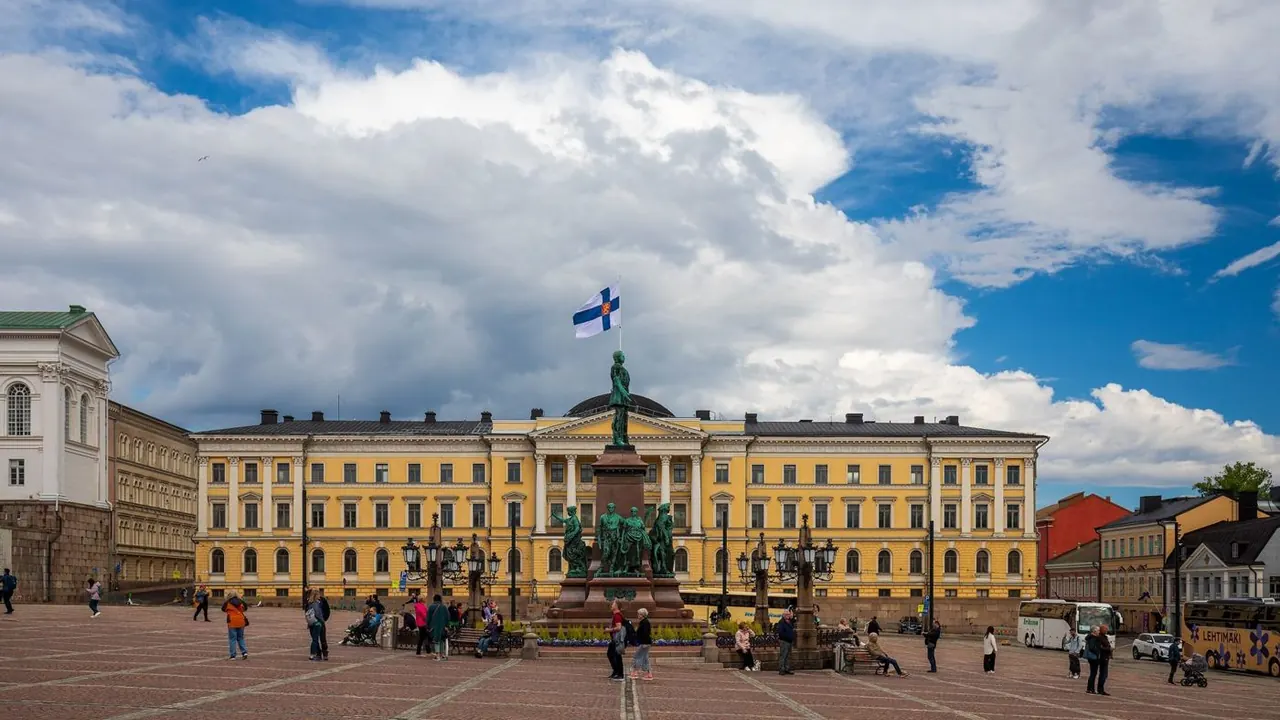
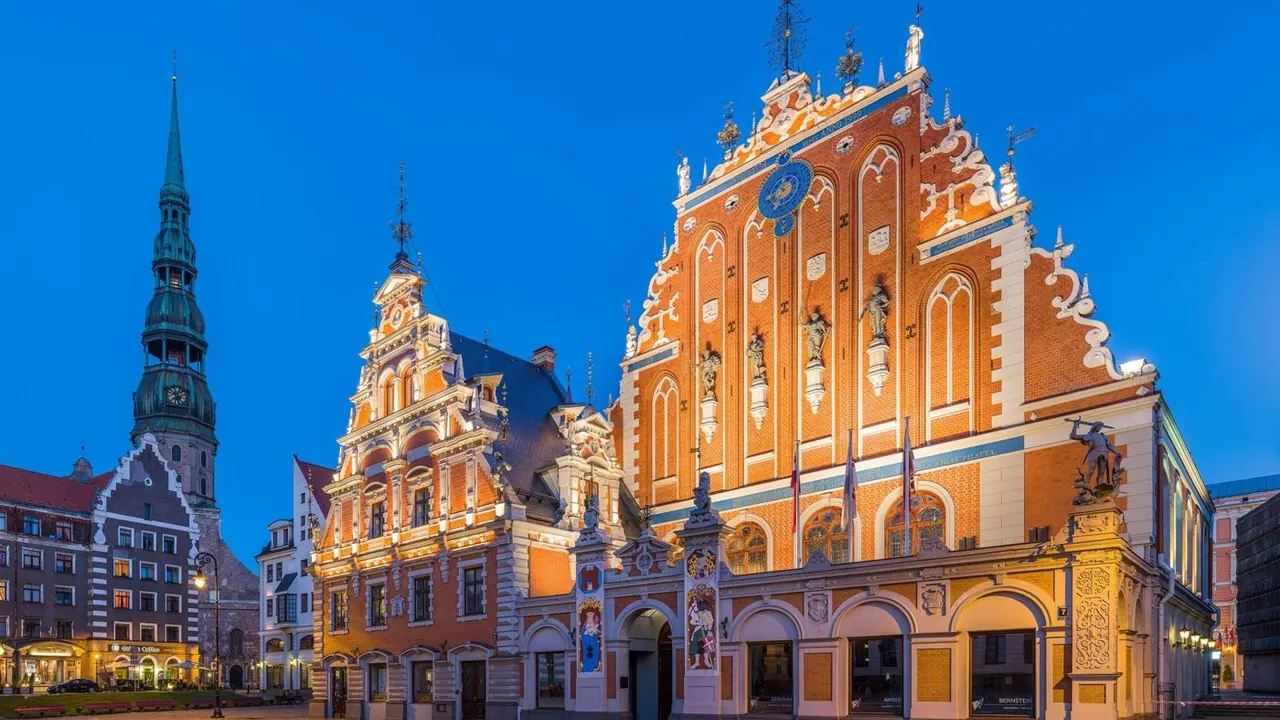
Photos: Helsinki by Ximonic (Simo Räsänen), CC BY-SA 4.0, cropped; Riga by Diliff, CC BY-SA 3.0, cropped.
Helsinki or Riga?
Our verdict in twelve categories, each scored against the same fixed benchmark cities, and the climate month by month, so you can choose for your trip.
Choose Helsinki for
- wellness
- families
- getting around
Helsinki suits travellers who want a city that runs smoothly and looks after them. Families get an amusement park, an island zoo and trams that take buggies without fuss. Anyone after rest gets the Finnish sauna, from old wood-heated public bathhouses to harbour saunas with a plunge into the sea. Design lovers get the best shopping on this page. The catch is the cost, which you feel at every meal and every drink.
Choose Riga for
- prices
- beaches
- culture and sights
Riga is the better choice if you want more for your money and a richer old townscape to walk through. Its Hanseatic core and its streets of carved Art Nouveau facades are the stronger sightseeing draw. An evening at the opera is easy to get into and affordable, and the long sands of Jurmala make a real beach outing in high summer. Getting around takes a little more effort, and there is less laid on for children.
Scoreboard
Twelve categories on one fixed scale from 0 to 100. The shaded stretch is the gap between the two.
Your match
Pick a travel style or drag the sliders, and both match scores follow your weighting.
Wins on wellness and families with your weighting.
Wins on prices and beaches with your weighting.
What matters to you?
Category by category
What the scores mean for a trip.
Beaches & swimming
Riga has the better beach day. Jurmala is a long stretch of soft pale sand backed by pine dunes and wooden villas, half an hour away by suburban train, and its shallow water suits small children.
Helsinki's swimming is on a smaller scale: the sandy strip at Hietaniemi and island beaches such as Pihlajasaari, reached by boat, where a windy day is normal. Both cities swim in the same cool, brackish Baltic, so in either one a swim is a pleasant summer hour rather than the reason to go.
Food & drink
Both cities offer honest, seasonal northern food rather than a great food destination, and each has a market at its heart. Helsinki's Old Market Hall by the harbour is the place for salmon soup, Baltic herring and Karelian pies, and a strong coffee-and-cinnamon-bun habit runs through the day. Casual meals there feel expensive for what they are.
Riga's Central Market, spread through its old zeppelin hangars, has smoked eel, sprats and pickles at much gentler prices. Its craft beer and Black Balsam make drinking more of a local experience. The one thing to know is to eat a few streets away from the Old Town's themed tourist restaurants.
Culture & sights
Riga has the edge for sightseeing, mainly because of its Art Nouveau quarter. Around Alberta iela and Elizabetes iela, hundreds of facades carved with faces, sphinxes and peacocks make up one of the richest displays of the style anywhere, and the Hanseatic Old Town with the House of the Blackheads and the Dom Cathedral sits alongside.
Helsinki tells a broader architectural story, from Engel's Senate Square through Jugend streets in Eira and Katajanokka to Aalto's Finlandia Hall and the rock church. The Suomenlinna sea fortress and the Ateneum and Design Museum add weight. Either city fills two or three days.
Nightlife
Nights out are about equal, but the feel is different. Helsinki's best evenings are in Kallio, a district of plain local bars and karaoke rooms, and on waterside terraces in the long summer light. Drinks are expensive, and winter weeknights are very quiet.
Riga's scene is concentrated in the Old Town's cellar bars and beer pubs, which can get loud on weekends with groups on short city breaks. The more relaxed local drinking is around Miera iela and in the old warehouse quarter by the market.
Nature & outdoors
Both cities are flat, and the countryside around each is about as good, but Helsinki's is shaped by the sea and Riga's by forest and river. From Helsinki, ferries take you out among granite islands for coastal walks and kayaking, Central Park's forest reaches almost into the centre, and the lakes and pinewoods of Nuuksio are under an hour away by bus.
Riga's best landscape is inland. In the Gauja valley at Sigulda, the river cuts past red sandstone cliffs and caves, with canoeing and a cable car over the gorge. Kemeri's boardwalks cross a raised bog that is especially atmospheric in early-morning mist.
Day trips
The choice of day trips is about as good from either city, and the difference is in how you travel. From Helsinki you can take a fast ferry to Tallinn's walled old town, a bus to Porvoo's wooden riverside storehouses, or a train to Turku's castle and cathedral, so everything is easy without a car.
Riga's highlights are Rastrelli's Baroque palace at Rundale, Turaida castle above Sigulda and the well-kept medieval town of Cesis. Rundale and the Kurzeme manor houses are much easier by road, so a hire car or a tour helps.
Good for families
Helsinki is clearly the better city for children. Finnish life is built around them: buggies ride the trams, cafés have play corners, and Linnanmäki amusement park, the island zoo at Korkeasaari, Heureka and the tunnels of Suomenlinna give you several full days. In the dark winter, swimming halls and library play areas fill the gaps.
Riga is safe and calm, with a zoo in the Mezaparks forest, the farmsteads and windmills of the open-air museum, and a water park and shallow beach at Jurmala. But the cobbles are hard on pushchairs and little is designed with children in mind.
Getting around
Helsinki is the simpler city to get around. Trams, a metro line, commuter trains and the island ferries all work on one ticket, the walk from the railway station to the harbour is short, and the airport train takes about half an hour.
Riga's sights are also close together, with the Old Town, the market and the Art Nouveau streets a few minutes' walk apart. Beyond that you rely on trams, trolleybuses and buses whose routes take some working out, and Rundale is really a trip by car.
Shopping & style
Helsinki is much the better place to shop, because Finnish design is made and sold there. Printed textiles, Aalto glass, ceramics and modernist furniture fill the studios and interiors stores of the Design District around Punavuori, and the Esplanadi carries the best-known names.
Riga's best buys are crafts: Latvian linen, patterned knitted mittens, amber, wooden kitchenware and black rye bread to take home. Much of the Old Town is mixed-quality souvenir shops, though the June craft fair at the open-air museum is a genuine occasion.
Affordability
Riga costs a good deal less. Hotels, transport, museum entry and market meals are all reasonable, and opera tickets are remarkably easy on the wallet. The main exception is the restaurants and bars on the Old Town squares, so eating a few streets out is worth it.
In Helsinki you feel the cost all the time, above all in eating out and alcohol. Lunch menus, market food and the many free pleasures help: the shoreline, the islands, the churches and the market square.
Live music & performing arts
Both are strong classical music cities, about equal in depth. Helsinki has two major orchestras in the Music Centre's fine hall, Sibelius's legacy and its school of conductors, a busy rock and metal club circuit, and the Helsinki Festival at the end of summer.
Riga is easier to drop in on. The National Opera performs most nights from autumn to spring with seats that are easy to get, and the Dom Cathedral organ gives regular concerts. The once-every-five-years Song and Dance Festival is a remarkable sight. In both cities most theatre is not in English.
Wellness & relaxation
Helsinki wins clearly here, because sauna is part of everyday city life. You can use old wood-heated public saunas in Kallio, seaside sauna complexes where bathers go between the heat and the Baltic even in ice, and the 1920s Yrjönkatu swimming hall with its old-fashioned ritual. The city's quiet pace helps as well.
Riga's wellness is mostly out of town. You travel to Jurmala's spa hotels and to Kemeri's sulphur springs and peat mud, and the best birch-whisked pirts steam rooms are in countryside sauna houses. In the centre itself there are only hotel spas.
When should you go?
Pick your month. The climate figures are measured averages, not a forecast.
Helsinki in July
Riga in July
Daytime high, °C
Rainfall in the month, mm
Temperature and rainfall are climate normals, averaged over the years shown. Helsinki: 1991-2020 normals, Helsinki Kaisaniemi / Harju (1.6 km from centre). Riga: 1991-2020 normals, Riga (4.1 km from centre).
Both cities are summer destinations. From June to August the days are mild and good for walking, and in winter highs hover around freezing, with ice underfoot and dark afternoons. Riga runs a little warmer through the warm months, with July highs near 24°C against Helsinki's 22°C. Its sea also warms a touch more, reaching about 19°C in August, so the few weeks of swimming at Jurmala are slightly kinder than off Helsinki's beaches. Spring arrives a few weeks earlier in Riga too, which makes April and May there pleasanter for sightseeing.
Summer is also the wetter season in both. Riga's rain peaks in July and Helsinki's in August at around 84mm, so pack for showers whenever you go. Helsinki's great asset is light: from May to July it gets very long, bright days, while November to January are among the darkest months anywhere in Europe. For outdoor sightseeing, May to September works in either city. Late autumn and winter suit a sauna or concert trip better than a walking one.
Which traveller are you?
On a family trip with young children, Helsinki is the easier choice. Linnanmäki, the Korkeasaari island zoo and the Heureka science centre are close at hand, buggies ride the trams, and cafés make room for children. Riga's cobbles and fewer child-focused sights make it harder work.
On a trip on a tight budget, Riga goes much further. Hotels, transport, museums and market food are reasonably priced, and opera seats are some of the most accessible in Europe. Helsinki's meals, coffee and especially drinks eat into a budget quickly.
For a relaxing and wellness trip, Helsinki wins clearly. Its public sauna culture is right in the city, with old neighbourhood bathhouses and seaside saunas where you cool off in the Baltic. In Riga the spas and steam rooms are out at Jurmala or in the countryside.
Before you go
| Measure | Helsinki | Riga |
|---|---|---|
| Official language | Finnish, Swedish | Latvian |
| Currency | Euro (EUR) | Euro (EUR) |
| Sockets | CF230 V, 50 Hz | CF230 V, 50 Hz |
| Driving side | Right | Right |
| Time zone | UTC+2, UTC+3 in summer | UTC+2, UTC+3 in summer |
| Emergency number | 112 | 112 |
| Elevation | 17 m | 6 m |
| Main airport | Helsinki Vantaa Airport (HEL)16 km from centre136 non-stop destinations | Riga International Airport (RIX)9 km from centre93 non-stop destinations |
| Public holidays this year | 15 days | - |
By the numbers
| Measure | Helsinki | Riga |
|---|---|---|
| City population | 694,392 | 588,911 |
| People per km² | 3,239 | - |
| Museums within 10 km | 74 | 12 |
| UNESCO World Heritage sites within 50 km | 1 | 1 |
| Swim season, months above 21 °C | None | None |
Where else could you go?
Every comparison below shares a destination with this one, so you can follow Helsinki or Riga somewhere new.