VacationSelector
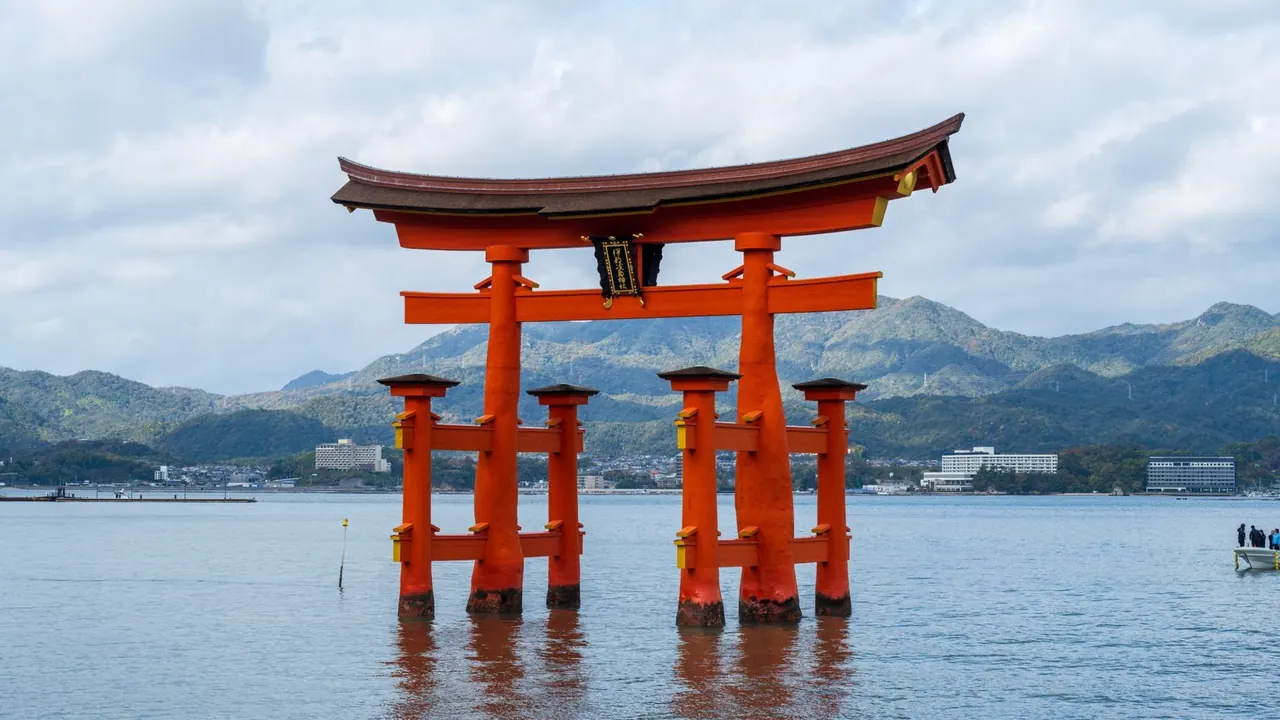
The floating torii of Itsukushima at Miyajima, Hiroshima
HiroshimaThe floating torii of Itsukushima at Miyajima
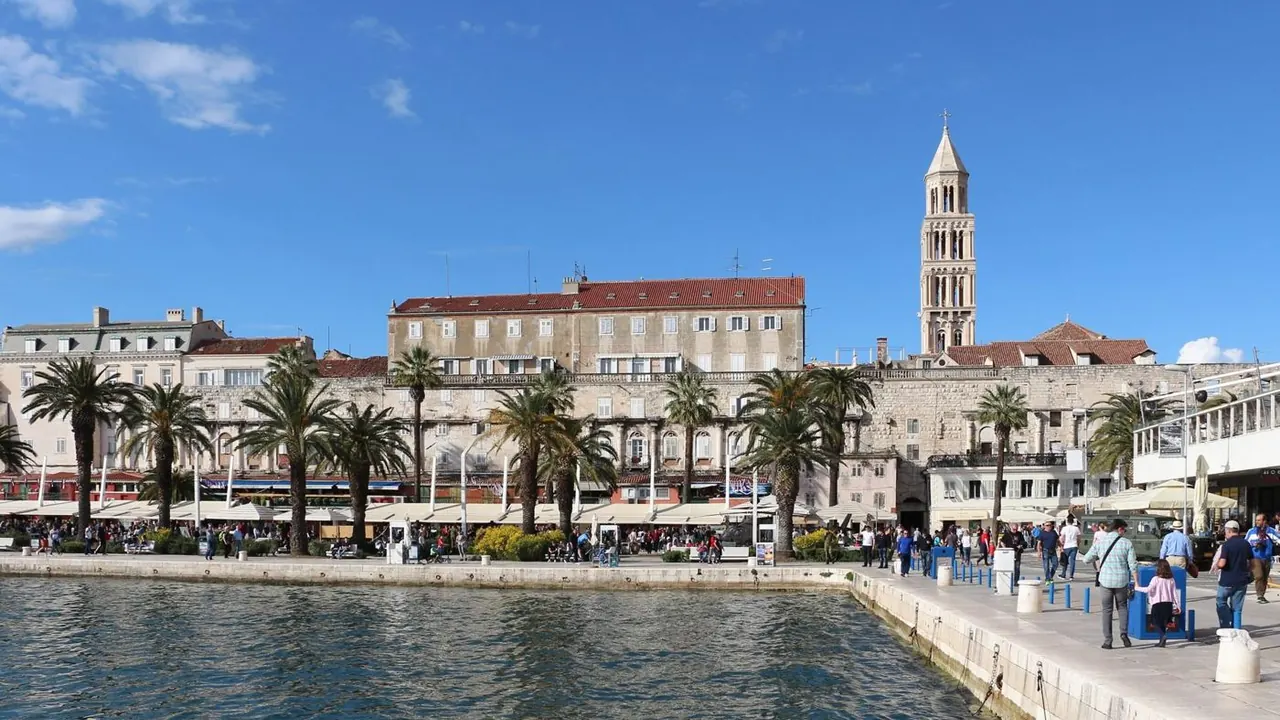
The Riva in front of Diocletian's Palace, Split
SplitThe Riva in front of Diocletian's Palace

Photos: Hiroshima by Guohua Song, Pexels License; Split by Bernard Gagnon, CC BY-SA 4.0, cropped.

Hiroshima or Split?

Our verdict in twelve categories, each scored against the same fixed benchmark cities, and the climate month by month, so you can choose for your trip.

Choose Hiroshima for

  • shopping
  • prices
  • wellness

What lies behind each score is written up on Hiroshima’s own page.

Choose Split for

  • beaches
  • nature and the outdoors
  • nightlife

What lies behind each score is written up on Split’s own page.

Scoreboard

Twelve categories on one fixed scale from 0 to 100. The shaded stretch is the gap between the two.

Beaches & swimming. Hiroshima 30, Split 75: Split leads by 45 points.
Food & drink. Hiroshima 66, Split 57: Hiroshima leads by 9 points.
Culture & sights. Hiroshima 60, Split 66: Split leads by 6 points.
Nightlife. Hiroshima 45, Split 52: Split leads by 7 points.
Nature & outdoors. Hiroshima 62, Split 77: Split leads by 15 points.
Day trips. Hiroshima 80, Split 78: Hiroshima leads by 2 points.
Good for families. Hiroshima 60, Split 54: Hiroshima leads by 6 points.
Getting around. Hiroshima 74, Split 67: Hiroshima leads by 7 points.
Shopping & style. Hiroshima 52, Split 32: Hiroshima leads by 20 points.
Affordability. Hiroshima 58, Split 45: Hiroshima leads by 13 points.
Live music & performing arts. Hiroshima 38, Split 37: Hiroshima leads by 1 points.
Wellness & relaxation. Hiroshima 50, Split 40: Hiroshima leads by 10 points.
0255075100

What lies behind each score is written up on the two cities’ own pages: Hiroshima and Split.

Your match

Pick a travel style or drag the sliders, and both match scores follow your weighting.

Too close to call, 1 point apart

Hiroshima
56match

Wins on shopping and prices with your weighting.

Split
57match

Wins on beaches and nature and the outdoors with your weighting.

What matters to you?

When should you go?

Pick your month. The climate figures are measured averages, not a forecast.

Hiroshima in July

31 °Cdaytime high
24 °Cnight-time low
299 mmrain in the month
6 hsunshine a day
24 °Csea
14 hdaylight a day

Split in July

31 °Cdaytime high
23 °Cnight-time low
25 mmrain in the month
12 hsunshine a day
24 °Csea
15 hdaylight a day

Daytime high, °C

0°10°20°30°40°JFMAMJJASOND

Rainfall in the month, mm

0100200300JFMAMJJASOND
HiroshimaSplit

Temperature and rainfall are climate normals, averaged over the years shown. Hiroshima: 1991-2020 normals, Hiroshima (1.7 km from centre). Split: 1991-2020 normals, Split / Marjan (0.9 km from centre).

Before you go

MeasureHiroshimaSplit
Official languageJapaneseCroatian
CurrencyYen (JPY)Euro (EUR)
SocketsAB100 V, 50 and 60 Hz depending on the regionCF230 V, 50 Hz
Driving sideLeftRight
Time zoneUTC+9UTC+1, UTC+2 in summer
Emergency numberPolice 110, fire 119112
Elevation3 m0 m
Main airportHiroshima Airport (HIJ)43 km from centre10 non-stop destinationsSplit Saint Jerome Airport (SPU)12 km from centre69 non-stop destinations
Public holidays this year16 days14 days

By the numbers

MeasureHiroshimaSplit
City population1,198,021160,577
People per km²1,324-
Museums within 10 km1811
UNESCO World Heritage sites within 50 km24
Swim season, months above 21 °C4 months4 months

Where else could you go?

Every comparison below shares a destination with this one, so you can follow Hiroshima or Split somewhere new.

Browse every destination

Sources

Ground elevations sampled from the Mapzen terrain tiles via OpenTopoData, merging SRTM, ASTER, NED, EU-DEM and national sources. Structured data from Wikidata (CC0). Weather data by Meteostat. Meteorological data provided by NOAA, DWD and others. Rainfall where no rain gauge is within 25 km is from the TerraClimate 1991-2020 climatology (Abatzoglou et al. 2018, Scientific Data), read at the city. Sea surface temperature from NOAA OISST v2.1, NOAA Physical Sciences Laboratory. Airport data from OurAirports (public domain). Public holidays from Nager.Date (MIT). Exchange rates via Frankfurter, based on European Central Bank reference rates. Non-stop route lists from the "Airlines and destinations" tables on English Wikipedia airport articles, by Wikipedia contributors, reused under CC BY-SA 4.0. Currency from the ISO 4217 register maintained by SIX, cross-checked against country data from GeoNames (CC BY 4.0). Price level from World Bank open data (PPP conversion factor for private consumption and official exchange rate), CC BY 4.0. Time zones from GeoNames (CC BY 4.0); clock offsets computed from the IANA time zone database. Tourism statistics from Eurostat, © European Union, reused under CC BY 4.0. Daylight hours computed from each destination's latitude using the NOAA solar position algorithm.

Category scores are our editorial verdict under rubric v3, each placed against the same fixed benchmark cities; the climate figures are measured. How the scores are set. Snapshot generated 2026-10-31. Daily budgets are estimates from country price levels.