Indonesia
Jakarta
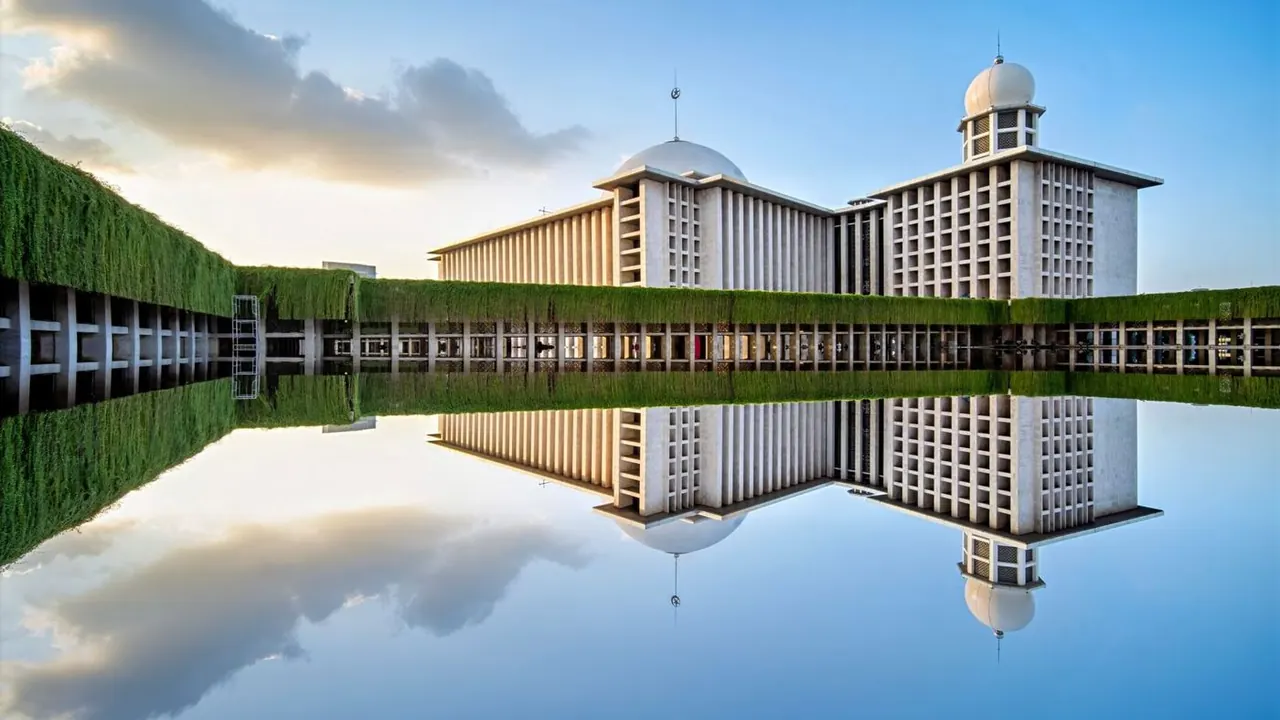
The Istiqlal Mosque
- Affordable cities80
- Food & drink78
- Nightlife66
Photo: Antonyus Bunjamin, Pexels License
Match
51
Every category weighted equally
- Beach & sun50
- Culture & arts52
- Food & nightlife56
- Family trip49
- Outdoors48
- Relax & unwind49
- Shopping & style55
- On a budget54
Jakarta in twelve categories
Our verdict on each, scored 0 to 100 against the same fixed benchmark cities, so a score means the same thing on every page.
Beaches & swimming. Scores 28 out of 100.
Food & drink. Scores 78 out of 100.
Culture & sights. Scores 48 out of 100.
Nightlife. Scores 66 out of 100.
Nature & outdoors. Scores 30 out of 100.
Day trips. Scores 45 out of 100.
Good for families. Scores 50 out of 100.
Getting around. Scores 36 out of 100.
Shopping & style. Scores 64 out of 100.
Affordability. Scores 80 out of 100.
Live music & performing arts. Scores 42 out of 100.
Wellness & relaxation. Scores 46 out of 100.
Jakarta category by category
Beaches & swimming
28Jakarta sits on the sea but does not use it for swimming. The bay along the city's northern edge is murky and polluted. The beaches at Ancol, the waterfront leisure district, are man-made strips where people stroll and eat seafood but rarely swim.
For real swimming, visitors take a speedboat from the Ancol marina out to Kepulauan Seribu, the Thousand Islands. The nearer resort islands are under an hour away, and the clearer reefs and white sand of islands such as Pari or Tidung are one to two hours out. The water is around 29°C all year and good for snorkelling, but this is a separate excursion, often overnight, not part of a city stay.
Food & drink
78Jakarta is where the whole archipelago comes to eat. Padang restaurants cover tables with small dishes of rendang and curried greens. Carts sell satay, bakso meatball soup and martabak pancakes late into the night. Manadonese, Sundanese, Javanese and Balinese kitchens all have their own followings. The local Betawi cooking adds dishes such as soto Betawi, a coconut-milk beef soup, and kerak telor, a spiced egg-and-rice crust cooked over charcoal near Kota Tua and at festivals.
Glodok, the old Chinese quarter, is the best area for street eating on foot. Sabang and the night markets of Blok M are good too. Kopi culture runs from tiny coffee stalls to serious single-origin roasters using Sumatran and Javanese beans. At the top end, Menteng and the business districts have polished modern Indonesian and international restaurants. Alcohol is available but plays a small part. People here eat at all hours, and a lot of it happens on plastic stools.
Culture & sights
48Jakarta's sights tell the story of a port city that became a capital, but they are spread thinly across a large modern metropolis. Kota Tua, the old Dutch Batavia, centres on Fatahillah Square and the former town hall, which now houses the history museum, alongside the Wayang puppet museum and old warehouses. Close by, wooden pinisi schooners still load at the old Sunda Kelapa harbour.
Further south, the National Museum holds an excellent collection of Hindu-Buddhist statuary and ethnographic treasures from across the islands. Istiqlal, among the largest mosques in Southeast Asia, faces the neo-Gothic Cathedral across the street. The Monas obelisk rises from Merdeka Square. A modern art museum and Taman Mini's pavilions of regional architecture fill out the list. It is enough for two or three good days, but few people travel here for the sights alone.
Nightlife
66Jakarta has a reputation across Southeast Asia for staying out late. Big clubs with international DJs often run until dawn, and some after-hours venues go well into the next morning. The going-out districts are scattered. Rooftop and cocktail bars sit around the business district of SCBD and Senopati. Kemang has a looser, expat-leaning bar strip. Blok M has a cluster of cheap, rowdy bars, and the hotel bars of Menteng are for something calmer.
The catch is that nights are spread across a sprawling city, so nights out mean taxis rather than wandering from bar to bar. The mood also changes with the religious calendar, and many venues close or quieten during Ramadan. Outside the bubble of bars and clubs, most of the city is conservative and goes to bed early.
Nature & outdoors
30The city itself is flat, hot and densely built, with little green beyond a few parks such as Merdeka Square and the Gelora Bung Karno sports complex grounds. The landscape that counts lies south, in the volcanic highlands. Tea plantations cover the hills at Puncak, and Gunung Gede Pangrango National Park offers rainforest trails, waterfalls and a summit climb in cool mountain air.
On a clear road those highlands are about two hours away, but the traffic can easily double that. To the north, the Thousand Islands give snorkelling and diving over coral reefs. Nature here is something to escape to on a long weekend, not a daily part of a stay.
Day trips
45There are a few real outings. Bogor, about an hour by commuter train, has the Botanical Gardens, laid out in the colonial era, and the white presidential palace with deer grazing on its lawns. Bandung, a cool highland city with Art Deco streets, factory outlets and a lively food scene, is under an hour on the high-speed railway.
To the west, Banten Lama holds the ruins and great mosque of a former sultanate that once rivalled Batavia. Some island villages in the Thousand Islands can also be visited by boat. Beyond these, the places worth seeing in Java, such as Yogyakarta and Borobudur, need a flight or an overnight trip.
Good for families
50Indonesians are warm towards children, and families with small children get smiles and help everywhere. There is plenty for children to do. The Ancol waterfront has the Dunia Fantasi theme park, an aquarium and water parks. Ragunan Zoo is large and leafy. Taman Mini lets children wander through miniature regional houses and museums. The big malls double as air-conditioned playgrounds, with indoor play zones and children's activity centres.
The hard part is moving between these places. The heat, the traffic jams and the broken or missing pavements make every outing take longer than planned. Air quality is often poor. A hotel with a pool and a driver for the day go a long way.
Getting around
36Jakarta is famous for its traffic, and that shapes every plan. The MRT runs north-south along the main Sudirman-Thamrin spine, and it is clean and simple. The TransJakarta bus network runs in dedicated lanes across much of the city, and commuter trains reach Bogor and the suburbs. Together they help, but they leave many areas a long transfer away.
Walking is pleasant along the redesigned central avenues and hard almost everywhere else, with heat, broken pavements and wide roads to cross. Most visitors use app-booked cars and motorbike taxis, which are cheap and everywhere. In the rush hours or in heavy rain, a short distance can take an hour, so it helps to group sights by area.
Shopping & style
64Shopping in Jakarta happens mostly in malls, and the malls are huge. The luxury houses gather in polished centres around the Hotel Indonesia roundabout and in Senayan, where several large malls stand close together. Further out, mid-range malls are where local families spend their weekends. For something more local, Tanah Abang is one of the largest textile markets in Southeast Asia, good for fabric by the metre and Muslim fashion. Mangga Dua and Glodok deal in electronics and wholesale goods of every kind.
Batik is the craft to look for. It ranges from cheap printed cloth to fine hand-drawn pieces that take weeks to make. Next to Tanah Abang, whole floors of the Thamrin City wholesale complex are given over to batik stalls, where shirts, sarongs and lengths of cloth from Java's batik towns are piled high and bargaining is expected. Specialist galleries sell the finer work. The flea market on Jalan Surabaya in Menteng sells antiques, brass and old curios. Independent design boutiques exist around Kemang and Senopati, but they are scattered, and there is almost no shopping street to stroll along.
Affordability
80Jakarta is a cheap city for a visitor, and the clearest example is hotels. A large business-class hotel with a pool costs what a modest room would in much of Europe. Street food and simple warung meals cost very little. MRT and busway fares are tiny, and app-booked motorbike and car rides are cheap enough to use all day.
Costs rise mainly in the business districts, where stylish restaurants and rooftop bars charge close to international prices. Alcohol is heavily taxed, so a night of cocktails is the one thing that feels expensive. Most museums charge only a small entry fee.
Live music & performing arts
42Jakarta is a big stop for touring concerts in Asia, and its music year peaks with the Java Jazz Festival, a long-running event that fills a convention centre with jazz, soul and pop over a long weekend. The rest of the year, the arts centre at Taman Ismail Marzuki hosts theatre, dance and film. The colonial-era Gedung Kesenian, a theatre near Pasar Baru, stages concerts and traditional performance. Live bands play in bars and cafés around the south of the city.
Traditional arts are harder to find than in Central Java or Bali. Wayang shadow puppetry and gamelan appear occasionally at museums and cultural centres rather than on a nightly programme. A visitor should check what is on rather than expect a deep classical or theatre season.
Wellness & relaxation
46Jakarta has no bathing tradition, but Java's spa rituals are a real pleasure here and cheap. Traditional pijat massage, the turmeric-and-rice lulur body scrub once given to brides before their wedding, and creambath hair treatments are offered by everything from simple neighbourhood salons to elaborate hotel spas. Reflexology parlours sit in most malls.
The city itself works against rest. Noise, heat, traffic and haze make it a place to recover from rather than slow down in. The calm spots are indoors: a hotel pool, a long treatment, a quiet garden café in Menteng. Visitors who want a properly restorative stay usually head up to the cool hills of Puncak or fly on to Bali.
When should you go?
Pick a month to see what it is like. The climate figures are measured averages, not a forecast.
Jakarta in July
Daytime high, °C
Rainfall in the month, mm
The whole year
Shaded against this city’s own year: the deepest cell is its best month for that figure and the palest its weakest.
Temperature and rainfall are climate normals, averaged over the years shown. Jakarta: 1991-2020 normals, Jakarta / Observatory (1.1 km from centre).
Before you go
| Measure | Jakarta |
|---|---|
| Official language | Indonesian |
| Currency | Rupiah (IDR) |
| Sockets | CF50 Hz |
| Driving side | Left |
| Time zone | UTC+7 |
| Emergency number | 112 |
| Elevation | 91 m |
| Main airport | Soekarno-Hatta International Airport (CGK)20 km from centre89 non-stop destinations |
By the numbers
| Measure | Jakarta |
|---|---|
| City population | 11,135,191 |
| People per km² | 16,821 |
| Museums within 10 km | 44 |
| UNESCO World Heritage sites within 50 km | 0 |
| Swim season, months above 21 °C | 12 months |
Compare Jakarta with
Every comparison with a written verdict behind it.