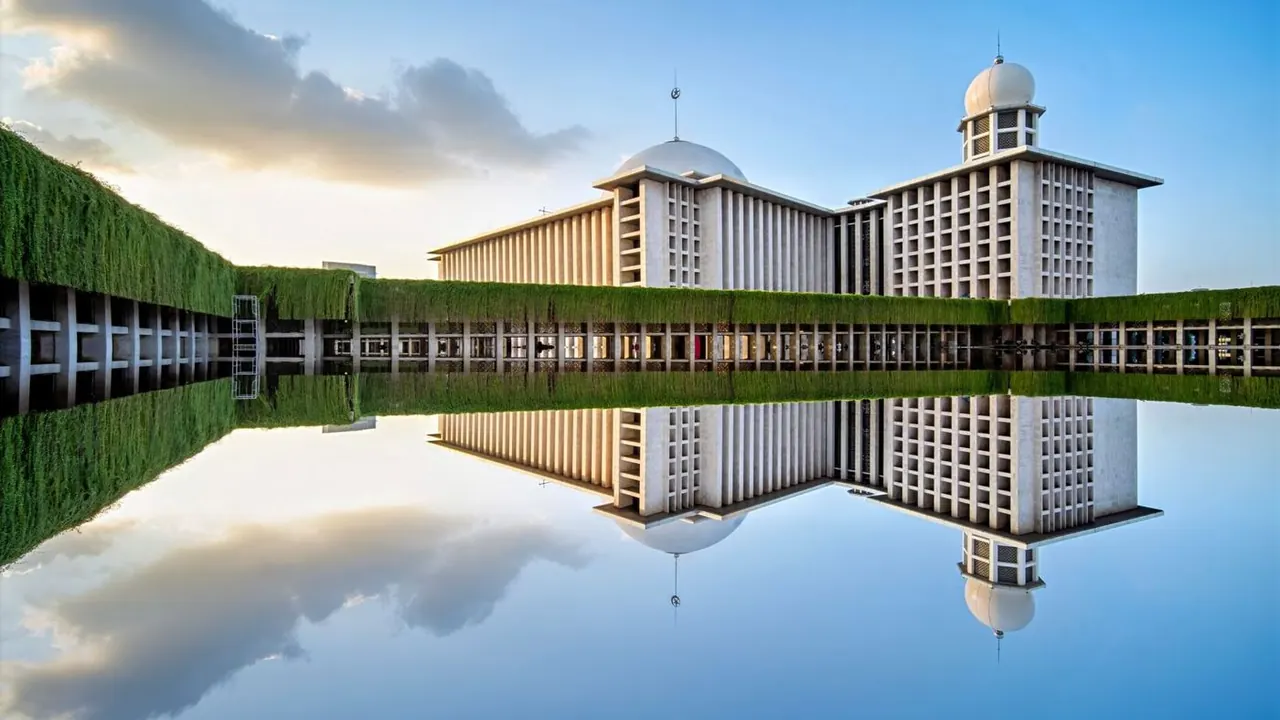
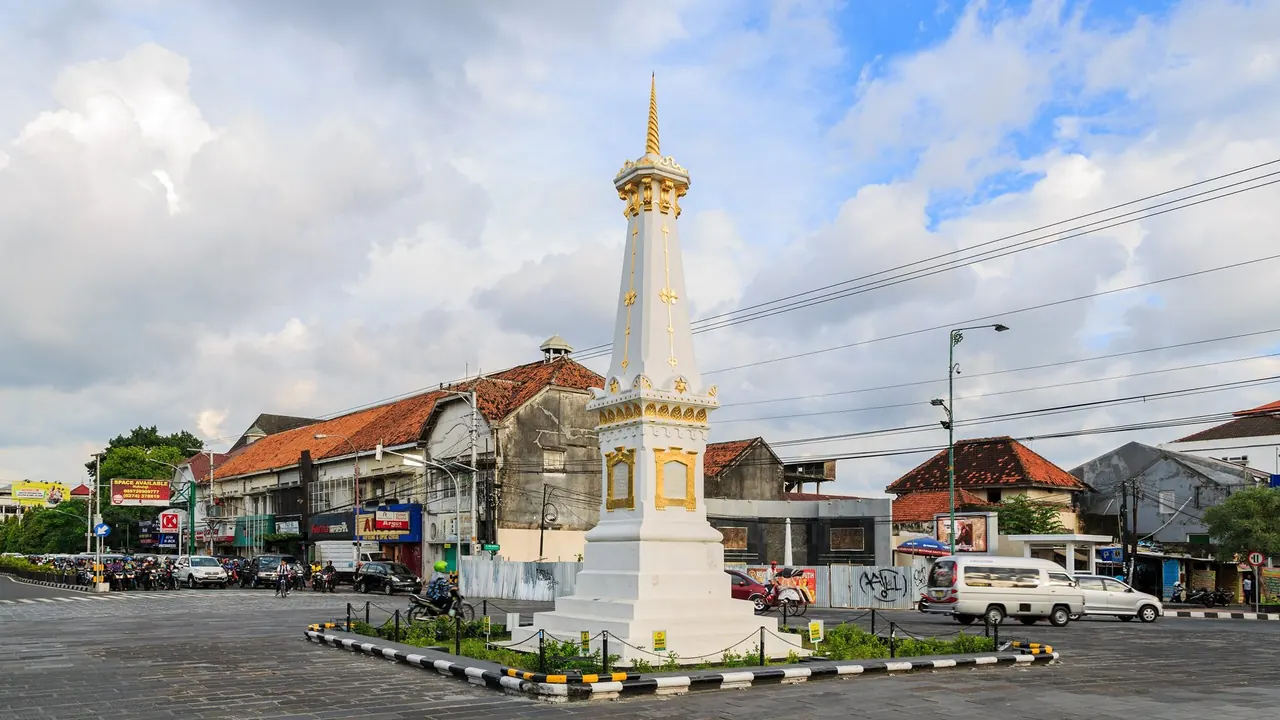
Photos: Jakarta by Antonyus Bunjamin, Pexels License; Yogyakarta by CEphoto, Uwe Aranas, CC BY-SA 3.0, cropped.
Jakarta or Yogyakarta?
Our verdict in twelve categories, each scored against the same fixed benchmark cities, and the climate month by month, so you can choose for your trip.
Choose Jakarta for
- nightlife
- food and drink
- shopping
Jakarta suits travellers who want a big Asian capital at full stretch: eating their way across the archipelago from Glodok to the night markets of Blok M, then going on to clubs that run until dawn. It is also the easier pick for families who want theme parks, an aquarium and air-conditioned malls, and for anyone adding a few days of food and shopping to a business trip.
Choose Yogyakarta for
- nature and the outdoors
- day trips
- culture and sights
If you are drawn by temples, volcanoes and Javanese tradition, Yogyakarta is the better base. Borobudur and Prambanan are close, Merapi's lava fields and the caves of Gunungkidul fill the outdoor days, and the Kraton keeps court dance and gamelan alive. It is a little cooler, cheaper still and quiet after dark, which is what most people who come here want.
Scoreboard
Twelve categories on one fixed scale from 0 to 100. The shaded stretch is the gap between the two.
Your match
Pick a travel style or drag the sliders, and both match scores follow your weighting.
Wins on nightlife and food and drink with your weighting.
Wins on nature and the outdoors and day trips with your weighting.
What matters to you?
Category by category
What the scores mean for a trip.
Beaches & swimming
Neither city is a beach destination, but Jakarta has the edge because swimming is possible within reach. A speedboat from Ancol reaches the Thousand Islands, where Pari and Tidung have white sand, calm warm water and reefs for snorkelling. That still makes it a separate excursion, often overnight.
Yogyakarta's coast is wilder and less useful for swimming. Parangtritis has dark volcanic sand and dunes that are lovely at sunset, but the rip currents are dangerous. The white coves of Gunungkidul, two hours away, only offer paddling in sheltered rock pools.
Food & drink
Jakarta eats more widely. Padang, Manadonese, Sundanese and Betawi kitchens all compete here, Glodok and Sabang reward walking and grazing, and Menteng adds polished modern Indonesian dining for a special night.
Yogyakarta's table is narrower and sweeter, and very much its own. Gudeg is the dish to try, the angkringan carts with their rice parcels and charcoal-dropped kopi joss are the place to eat it, and the evenings fill with floor-seated lesehan stalls along Malioboro. Choose it for character rather than range.
Culture & sights
Yogyakarta has the richer old city. It is still ruled by a sultan, and the Kraton, the ruined water palace of Taman Sari, the mural-painted lanes around it and the silversmith houses of Kotagede are close enough to see in a couple of days. You see a living court culture rather than a museum version of one.
Jakarta's history is that of a colonial port that grew into a capital. Kota Tua, the pinisi schooners at Sunda Kelapa, the National Museum's Hindu-Buddhist statuary and Istiqlal facing the Cathedral are all worth seeing, but long drives through a modern sprawl separate them.
Nightlife
Jakarta is built for a late night. Rooftop and cocktail bars cluster around SCBD and Senopati, Kemang has a looser bar strip, and the big clubs with visiting DJs run until morning. The districts are far apart, so expect to taxi between them, and expect a quieter scene during Ramadan.
Yogyakarta's evenings are sociable but mostly sober. Students linger at coffee carts, and families pedal light-strung cars round Alun-Alun Kidul. Prawirotaman's handful of guesthouse bars is about as lively as it gets.
Nature & outdoors
Yogyakarta lives under an active volcano, and that makes all the difference. Jeep tours cross Merapi's lava fields to villages buried in 2010, Merbabu offers an overnight climb, and the limestone south holds the light-shaft cave at Jomblang and river tubing at Goa Pindul, all within an easy drive.
Jakarta itself is flat and built up. Its green escapes are the tea hills of Puncak and the rainforest of Gunung Gede Pangrango, which are rewarding but at least two hours away in traffic. Treat them as a weekend away rather than a morning out.
Day trips
Jakarta's day trips are pleasant rather than essential. Bogor's colonial Botanical Gardens are an hour away by commuter train, Art Deco Bandung is under an hour on the high-speed railway, and the ruined sultanate capital of Banten Lama lies to the west. Java's great temples are too far for a day trip: getting to Borobudur from Jakarta means a flight or a long train journey, and is best done with a night or two in Yogyakarta.
In Yogyakarta, the day trips are the main reason to come. Borobudur is about an hour and a half away and Prambanan less than an hour, with Sewu, Plaosan and Ratu Boko close beside it. Solo, the Sangiran early-human site and the mountain temples of Sukuh and Cetho can fill further days.
Good for families
Jakarta has more to keep children busy. The Ancol waterfront combines the Dunia Fantasi theme park, an aquarium and water parks, while Ragunan Zoo and Taman Mini's miniature houses fill other days and the malls double as cool indoor playgrounds. The cost is long, hot journeys between them.
Yogyakarta works better with older children, who will enjoy a jeep ride on Merapi, tubing through a cave or the pedal cars by the Kraton. The temples mean early starts, long drives and steep steps in the sun, which wear out small ones.
Getting around
Both cities are tiring to move around in, but the reasons differ. Jakarta has a clean MRT along the Sudirman-Thamrin spine and busway lanes across the city, yet traffic jams can turn short hops into an hour. Grouping sights by district is essential.
Yogyakarta has no metro and buses that visitors find hard to use, but its core around Malioboro, the Kraton and Taman Sari can be walked, with becak rides to fill the gaps. Day trips are usually done with a hired car and driver.
Shopping & style
Jakarta offers far more choice. The luxury malls of Senayan and the Hotel Indonesia roundabout sit at one end, and the vast textile market of Tanah Abang and the batik floors of Thamrin City at the other, with antiques on Jalan Surabaya.
Yogyakarta is a place to buy crafts from the people who make them. You can buy silver filigree in Kotagede's family workshops, pottery in Kasongan, and wayang puppets and hand-drawn batik in its galleries. For fashion or brands, look elsewhere.
Affordability
Both are inexpensive, and Yogyakarta is cheaper still. Its guesthouses, angkringan meals and a car with driver for the day cost very little. The big outlay is the foreigners' entry fee at Borobudur and Prambanan.
Jakarta's bargain is the business hotel with a pool at the price of a modest European room. Costs climb in SCBD's restaurants and on any night built around heavily taxed cocktails.
Live music & performing arts
Yogyakarta is the home of Javanese classical performance. The Ramayana ballet is danced against the lit towers of Prambanan, the Kraton pavilions host gamelan and court dance, and Sonobudoyo stages shortened shadow-puppet shows. All of these are easy for a visitor to catch.
Jakarta draws the big touring concerts and the Java Jazz Festival, with theatre at Taman Ismail Marzuki and the colonial Gedung Kesenian. Traditional wayang and gamelan only appear now and then.
Wellness & relaxation
Pampering is similar and cheap in both, built on Javanese massage and the turmeric lulur scrub, though the settings differ. Jakarta adds creambath hair treatments, reflexology in the malls and large hotel spas, with Puncak's hills as the retreat from the haze.
Yogyakarta's rituals grew out of court tradition, and they feel closer to their roots, with flower baths after the scrub and jamu sold from baskets. Its quiet resorts on Merapi's slopes look over rice fields rather than traffic.
When should you go?
Pick your month. The climate figures are measured averages, not a forecast.
Jakarta in July
Yogyakarta in July
Daytime high, °C
Rainfall in the month, mm
Where the figures come from
Yogyakarta has no weather station within reach, so its figures come from a gridded climate model rather than a measured record, and read a broad area rather than the city itself.
Temperature and rainfall are climate normals, averaged over the years shown. Jakarta: 1991-2020 normals, Jakarta / Observatory (1.1 km from centre). Yogyakarta: 2001-2020 normals, NASA POWER reanalysis grid, no weather station within 90 km.
Jakarta and Yogyakarta share one rhythm of wet and dry seasons. In Jakarta the rains build through December, peak in January and February at around 360mm a month, and ease off by April. May to October is drier, with August the driest month. August to October are also the sunniest months, which makes them the best time for a boat out to the Thousand Islands, where the sea stays warm all year. The heat hardly changes: afternoons reach about 33°C in most months, so walking the streets is best done early or late in any season.
Yogyakarta is a few degrees cooler, with highs of 28°C to 30°C, so temple terraces and the lanes of the old city are easier going. Its heavy rain starts a little earlier, in November, and the peak months are almost as wet as Jakarta's. July to September are the driest months there, which means dry roads for Merapi jeep tours, the caves and early starts at Borobudur. The sea to the south cools to about 25°C in August and September, but the surf makes swimming unsafe in any month.
Which traveller are you?
On a culture and arts trip, Yogyakarta is the obvious choice. It has the sultan's Kraton, Taman Sari and Sonobudoyo in town, Borobudur and Prambanan within easy reach, and the Ramayana ballet staged under floodlit temple towers. Jakarta's sights are fewer and spread far apart.
For a food and nightlife trip, choose Jakarta. Padang tables, Betawi soups and late-night satay carts cover every cooking style in the country, and the rooftop bars of SCBD and the clubs that run until morning have no match in Yogyakarta's quiet, coffee-fuelled evenings.
On an outdoors trip, Yogyakarta wins easily. You can ride a jeep across Merapi's lava fields, climb Merbabu for the dawn view, rope down into Jomblang cave or watch sunrise over the mist at Mangunan. Jakarta's mountains lie hours away through traffic.
Before you go
| Measure | Jakarta | Yogyakarta |
|---|---|---|
| Official language | Indonesian | Indonesian |
| Currency | Rupiah (IDR) | Rupiah (IDR) |
| Sockets | CF50 Hz | CF50 Hz |
| Driving side | Left | Left |
| Time zone | UTC+7 | UTC+7 |
| Emergency number | 112 | 112 |
| Elevation | 91 m | 113 m |
| Main airport | Soekarno-Hatta International Airport (CGK)20 km from centre89 non-stop destinations | Yogyakarta International Airport (YIA)39 km from centre20 non-stop destinations |
By the numbers
| Measure | Jakarta | Yogyakarta |
|---|---|---|
| City population | 11,135,191 | 422,732 |
| People per km² | 16,821 | 13,007 |
| Museums within 10 km | 44 | 38 |
| UNESCO World Heritage sites within 50 km | 0 | 3 |
| Swim season, months above 21 °C | 12 months | 12 months |
Where else could you go?
Every comparison below shares a destination with this one, so you can follow Jakarta or Yogyakarta somewhere new.