Israel
Dead Sea
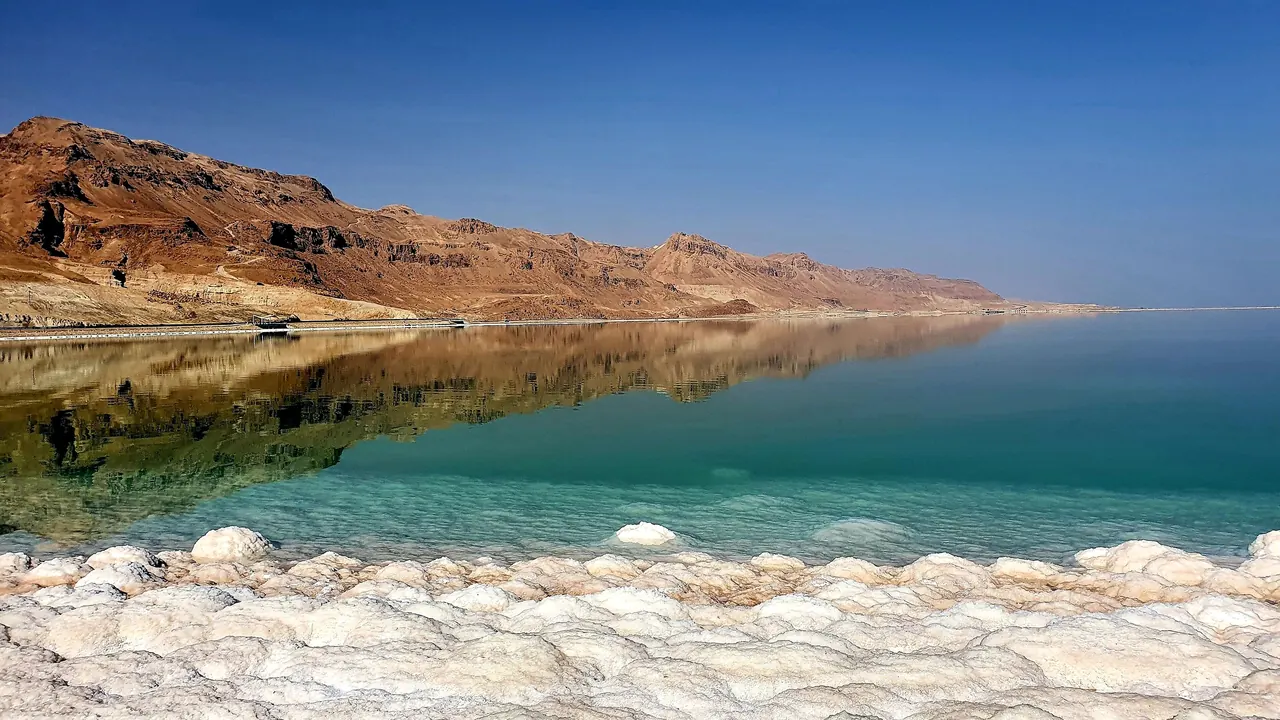
Salt crystals, turquoise water and red cliffs at Ein Bokek
- Wellness & relaxation90
- Nature & outdoors72
- Beaches55
Photo: Anagoria, CC BY-SA 4.0, cropped
Match
38
Every category weighted equally
- Beach & sun43
- Culture & arts34
- Food & nightlife28
- Family trip42
- Outdoors47
- Relax & unwind48
- Shopping & style32
- On a budget36
Dead Sea in twelve categories
Our verdict on each, scored 0 to 100 against the same fixed benchmark cities, so a score means the same thing on every page.
Beaches & swimming. Scores 55 out of 100.
Food & drink. Scores 20 out of 100.
Culture & sights. Scores 45 out of 100.
Nightlife. Scores 5 out of 100.
Nature & outdoors. Scores 72 out of 100.
Day trips. Scores 55 out of 100.
Good for families. Scores 35 out of 100.
Getting around. Scores 45 out of 100.
Shopping & style. Scores 12 out of 100.
Affordability. Scores 18 out of 100.
Live music & performing arts. Scores 5 out of 100.
Wellness & relaxation. Scores 90 out of 100.
Dead Sea category by category
Beaches & swimming
55Going in the water here means floating, not swimming. The water is so dense with salt that you lie on it like a lilo, and it stings any cut and burns badly in the eyes, so a visitor bobs on their back for a quarter of an hour, rinses off under a fresh-water shower and goes back to the sun lounger. The water is very warm, about 30°C in summer and still around 21°C in winter, which makes a winter visit perfectly comfortable.
Ein Bokek, in the south, is where beach life happens. It has a row of shingle and sand beaches in front of the hotels, with shade, showers and lifeguards, and a shallow, calm shore. The northern shore near Kalia and Ein Gedi has fewer places to get in, along with mudflats and fenced-off ground. Bring water shoes for the salt crystals. Anyone who wants real sea swimming will need a pool or another coast.
Food & drink
20Food here is mostly the hotel's half-board. Breakfasts are large Israeli spreads of salads, cheeses, eggs and bread, and dinners are buffets, often kosher. Ein Bokek has a few casual grills and cafés in its small hotel malls, and the kibbutzim along the shore run dining rooms and simple restaurants with date products from their own groves. There is no town to eat out in, and someone who cares about food will be planning meals around a day in Jerusalem.
Culture & sights
45Masada is one of the great archaeological sites of the region. It is Herod's palace-fortress on a sheer desert mesa, the place of the Jewish rebels' last stand against Rome, with storerooms, bathhouses, cisterns and the Roman siege ramp and camps still visible below. The museum at its foot displays finds from the excavations and is worth an hour before going up. A cable car goes to the top, or you can walk up the Snake Path before dawn to watch the sunrise over the water.
At the northern end is Qumran, the settlement linked to the Dead Sea Scrolls, a modest ruin above the caves where the scrolls were found, with a small visitor centre. Ein Gedi has the mosaic floor of an ancient synagogue. Beyond these sites and their own small museums there is no old town and no larger collection, so the heritage takes two or three outings, not a week.
Nightlife
5There is effectively no nightlife. Evenings at Ein Bokek mean a drink in the hotel bar or a stroll along the promenade, and many guests are asleep early before a dawn start at Masada. Visitors who want a night out drive up to Jerusalem or further.
Nature & outdoors
72The lowest place on land is a dramatic setting. The pale cliffs of the Judean Desert drop straight to a milky turquoise sea, and the mountains of Jordan glow pink across the water at sunset. Ein Gedi is the green heart of it: freshwater springs and waterfalls in Nahal David and Nahal Arugot, pools under the rocks, and Nubian ibex and rock hyraxes that wander about without fear of hikers.
Further south are the salt caves and pillars of Mount Sodom, and canyon walks in Nahal Zohar and around Masada. The great erosion crater of Makhtesh Ramon is about an hour and a half's drive. Hiking season runs from October to April. From June to September daytime heat often passes 40°C, and walking is only possible at first light.
Day trips
55The big day out is Jerusalem, about an hour's drive up from the northern shore and an hour and a half from Ein Bokek, with the Old City, the Western Wall, the Church of the Holy Sepulchre and the Israel Museum. It is worth one or two full days on its own, and the climb from below sea level to the hills makes a striking drive.
After Jerusalem the choice is small. The desert town of Arad is close by on the ridge above Ein Bokek, and Beersheba, with the ancient mound of Tel Be'er Sheva, is about an hour and a quarter away. Mitzpe Ramon sits on the rim of its crater. Tel Aviv is only possible as a long day.
Good for families
35Families come here, mostly to the Ein Bokek hotels, where the pools are the real playground. Floating is a novelty older children enjoy, but the water hurts badly in eyes, cuts and grazes, so young children need close watching and only a short time in it. The short trail to the waterfalls at Ein Gedi, with ibex on the rocks, is the best outing for children, and the Masada cable car makes that site possible with them too. There are no attractions built for children, and summer heat makes midday outings hard, so spring, autumn and winter work far better.
Getting around
45Almost everything lies along one good road, Route 90, which follows the shore. Ein Bokek to Masada is about twenty minutes and to Ein Gedi about forty, so a car makes the region easy. Intercity buses run between the hotel strip, the kibbutzim and Jerusalem, but not often enough to plan sightseeing around. Within Ein Bokek the hotels, beaches and small malls are all along a short, flat promenade you can walk. Without a car, most visitors rely on hotel shuttles and organised tours.
Shopping & style
12Shopping means Dead Sea cosmetics: mud masks, salts and mineral creams, sold in the small malls between the Ein Bokek hotels and in factory shops along the shore. Kibbutz shops sell dates and local produce. There is nothing else to shop for, and no town centre to browse.
Affordability
18This is an expensive place to stay. The resort hotels at Ein Bokek and on the northern shore charge high rates, highest at weekends and during the Jewish festivals, eating out costs a lot, and the national parks at Masada and Ein Gedi charge entry. Kibbutz guesthouses and hostels near Ein Gedi and Masada are the cheaper choice. The public beaches at Ein Bokek are free, with showers and shade, so the floating itself costs little.
Live music & performing arts
5There is no performing arts scene. Evening entertainment is a singer or a show in the hotel lounge, and an occasional open-air event in the desert. For concerts or theatre, a visitor goes to Jerusalem.
Wellness & relaxation
90People have come to the Dead Sea for their health since antiquity, and wellness is the reason most visitors book. Floating in the dense mineral water, coating yourself in black mud and baking it dry, and soaking in warm sulphur and saltwater pools make up the whole rhythm of a stay. At this depth below sea level the sun's ultraviolet light is filtered, which is why the region has long drawn people with psoriasis and other skin conditions.
The Ein Bokek hotels are built around spas, with indoor pools of heated Dead Sea water, mud wraps, massage and treatment rooms. Ein Gedi, at the northern end, offers a quieter kibbutz setting. Days are slow and there is little to do but bathe, rest and watch the light change on the mountains across the water.
Where to stay in Dead Sea
The Dead Sea is a short stretch of shore along one road, so a single base covers the whole trip and there is no need to move. You choose between the resort strip in the south and the quieter kibbutz shore in the north.
Ein Bokek is where most visitors stay. Its hotels stand in a row behind the best beaches, with spas, heated mineral pools and a flat promenade that links everything on foot. It suits a wellness stay, families who want pools and calm, lifeguarded water, and anyone without a car. Masada is about twenty minutes up the road for a sunrise climb, and although evenings are quiet everywhere, this is as lively as the region gets.
Ein Gedi, about forty minutes north, suits walkers and anyone wanting a quiet stay. Its kibbutz guesthouses and hostels cost less than the hotel strip and sit close to the springs and waterfall trails, where ibex are about at first light. The hotels on the northern shore near Kalia are the closest base to Jerusalem and Qumran, so they work well for a trip with a day or two in the city, though getting into the water there is harder. The hostels by Masada are a cheaper option for an early start on the Snake Path.
When should you go?
Pick a month to see what it is like. The climate figures are measured averages, not a forecast.
Dead Sea in July
Daytime high, °C
Rainfall in the month, mm
The whole year
Shaded against this destination’s own year: the deepest cell is its best month for that figure and the palest its weakest.
Temperature and rainfall are climate normals, averaged over the years shown. Dead Sea: 1991-2020 normals, Ghor El Safi (21.1 km from centre).
Before you go
| Measure | Dead Sea |
|---|---|
| Official language | Hebrew |
| Currency | New Israeli Sheqel (ILS) |
| Sockets | CHM230 V, 50 Hz |
| Driving side | Right |
| Time zone | UTC+2, UTC+3 in summer |
| Emergency number | Police 100, fire 102 |
| Main airport | Ben Gurion International Airport (TLV)111 non-stop destinations |
Compare Dead Sea with
Every comparison with a written verdict behind it.