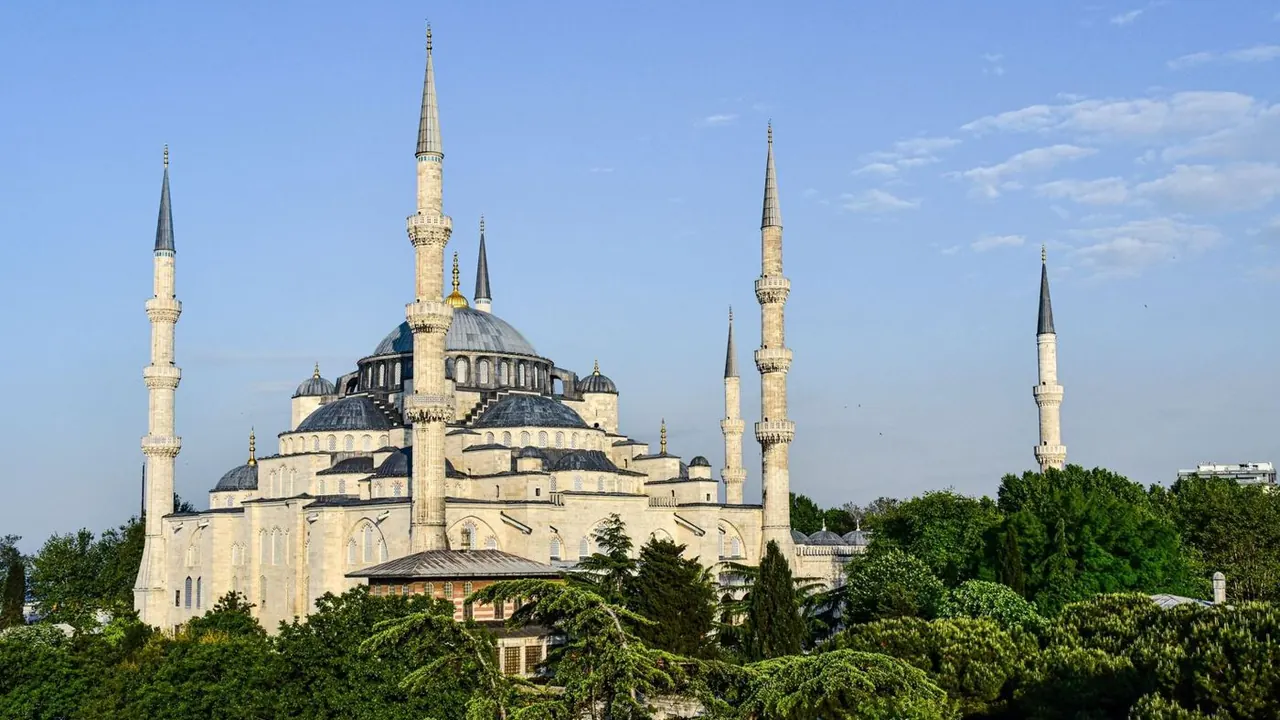
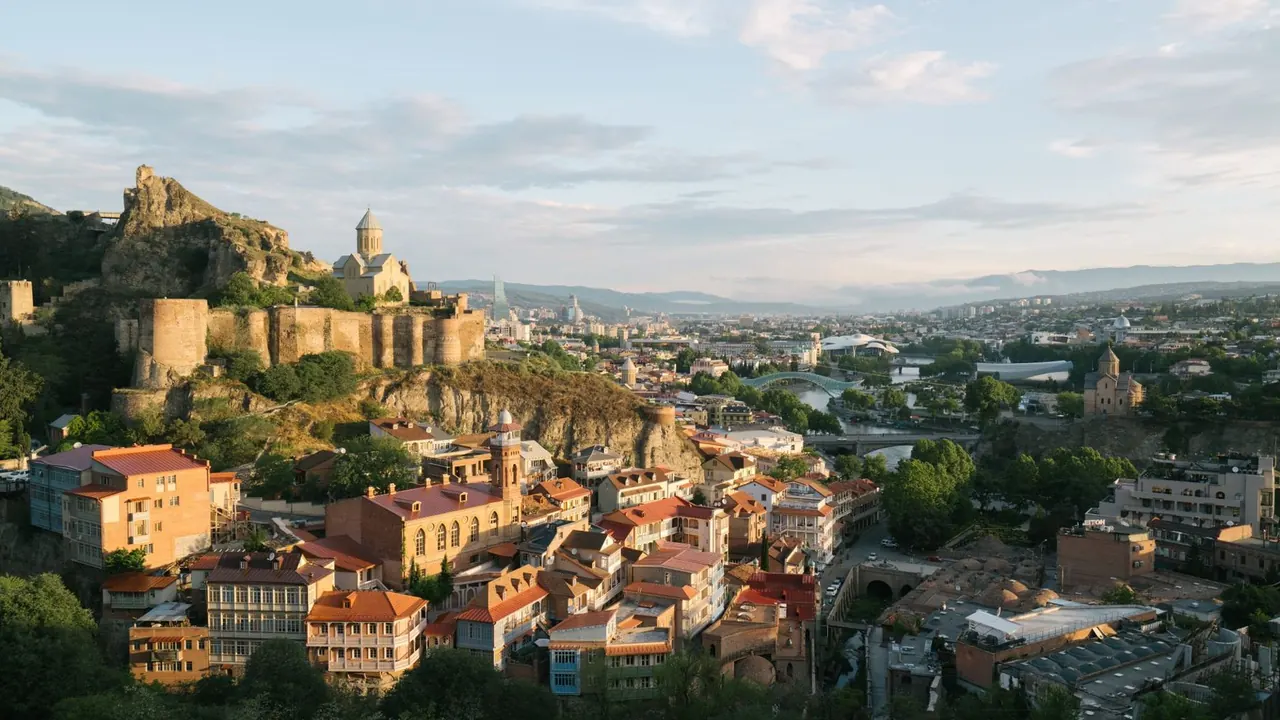
Photos: Istanbul by AXP Photography, Pexels License; Tbilisi by ArtHouse Studio, Pexels License.
Istanbul or Tbilisi?
Our verdict in twelve categories, each scored against the same fixed benchmark cities, and the climate month by month, so you can choose for your trip.
Choose Istanbul for
- shopping
- beaches
- culture and sights
Istanbul suits the traveller who wants a great deal packed into one stay: imperial mosques and palaces on the historic peninsula, the Grand Bazaar and Nisantasi for shopping, meze-laden meyhane tables, a scrub in a Sinan hammam and, in summer, a sandy Black Sea beach within reach. It asks for patience with crowds, hills and the sheer size of the place, and it repays it with more to see, buy and eat than a week can hold.
Choose Tbilisi for
- day trips
- prices
- nature and the outdoors
For a slower, cheaper trip that spends as much time outside the city as in it, Tbilisi is the better pick. Its walkable old town, qvevri wine and Georgian feasts are only the start; Mtskheta, the Kakheti vineyards and the Caucasus foothills are easy days out, and the money goes much further. Expect few world-famous sights, little serious shopping and no beach.
Scoreboard
Twelve categories on one fixed scale from 0 to 100. The shaded stretch is the gap between the two.
Your match
Pick a travel style or drag the sliders, and both match scores follow your weighting.
Wins on shopping and beaches with your weighting.
Wins on day trips and prices with your weighting.
What matters to you?
Category by category
What the scores mean for a trip.
Beaches & swimming
Neither is a beach destination, but Istanbul can at least give you a proper swim. The long sandy Black Sea strands at Kilyos and Sile are about an hour away, with lifeguarded stretches needed because of the currents, and the Princes' Islands have pebbly coves for a half day.
Tbilisi sits inland, with the coast a five-hour journey away. Cooling off there means the Tbilisi Sea reservoir, Lisi or Turtle Lake, or a hotel pool.
Food & drink
Both cities are reasons to travel in themselves, but Istanbul offers more range. It gathers the whole of Turkey's cooking, from Black Sea anchovies to south-eastern kebabs and palace dishes, and adds street food on every corner, lokanta lunches, Kadikoy's market streets and long meyhane evenings over rakı.
Tbilisi's table is narrower but highly distinctive: khinkali, cheese-filled khachapuri, walnut sauces and bread from clay ovens. Where it beats Istanbul is wine, with amber qvevri bottles from Kakheti poured freely instead of taxed into a luxury.
Culture & sights
Istanbul was an imperial capital for so long that its monuments are on another scale. The historic peninsula alone holds Hagia Sophia, the Blue Mosque, Topkapi and the Basilica Cistern within a short walk, and the Süleymaniye, Chora and the Bosphorus palaces would each headline a lesser city.
Tbilisi is a pleasure to wander, with carved balconies, sixth-century Anchiskhati church, Narikala above and Art Nouveau Sololaki, and the National Museum's gold treasury is a real find. It fills two or three days well, not a week.
Nightlife
Istanbul has more of it and more kinds. Rooftop bars and singing meyhanes in Beyoglu, cocktail bars in Karakoy, cheap bar streets in Kadikoy and summer clubs on the Bosphorus at Ortakoy mean there is always somewhere busy, if at a price.
Tbilisi's reputation rests on serious techno in industrial and Soviet-era buildings, with strict doors and a crowd there to dance until after dawn. Around that sit relaxed wine bars in Sololaki and courtyard bars near Marjanishvili, but on nights without a big event the city goes quiet.
Nature & outdoors
Tbilisi has the edge because the hills come right into town. A funicular and a cable car lift you above the valley, Turtle Lake leads into the forested national park, and the Greater Caucasus, with Gudauri and the Jvari Pass, is about two hours north.
Istanbul's outdoors is about water rather than wilderness: the wooded Bosphorus seen from a ferry or the shore path at Bebek, tulip-filled Emirgan Park, Belgrad Forest and cycling on the car-free Princes' Islands. There are no mountains within reach.
Day trips
Tbilisi is the better base for excursions. Mtskheta's cathedral and Jvari Monastery are half an hour away, Kakheti's monasteries and qvevri wineries fill a full day, and Uplistsikhe's rock-cut town, David Gareja's caves and Ananuri fortress give plenty of variety.
From Istanbul the best outings are by sea, to the Princes' Islands or up the Bosphorus to Anadolu Kavagi, plus Bursa about two hours away. Edirne and Iznik make long days, and simply leaving the city eats into the time.
Good for families
Both cities dote on children and keep them out late without a second glance, but Istanbul has more to fill the days. The Rahmi M. Koç Museum's submarine and trains, Miniaturk, large aquariums, a theme park and Bosphorus ferry rides give it real depth.
Tbilisi's treats are the funicular to the Mtatsminda Ferris wheel, the Narikala cable car and the zoo, and then the list runs out. Both are hard going with a pushchair, but Tbilisi's stepped underpasses and summer heat make it the tougher of the two.
Getting around
Istanbul's network is the more complete. A single card covers the metro, the T1 tram through the old city, the Marmaray tunnel, funiculars and ferries, and crossing between continents by boat is a highlight in itself, though rush-hour crowds and slow taxis are part of the deal.
Tbilisi's centre is compact enough to walk, uphill, and its two deep Soviet metro lines cover the main axis. Most visitors fill the gaps with cheap ride-hailing, and day trips need a driver or a tour.
Shopping & style
Istanbul is in a different league. The Grand Bazaar's hans of carpets, lamps and leather, the Spice Bazaar, streets still grouped by craft, Nisantasi's designer houses, Cukurcuma's antiques and Kadikoy's flea markets make shopping a main activity.
In Tbilisi it is a side pleasure: Soviet curios and old silver at the Dry Bridge market, cloisonné enamel, felt, a few designer boutiques in Vera and Sololaki, and wine and chacha to take home.
Affordability
Tbilisi is the cheaper of the two by a clear margin. Generous Georgian meals with wine, ride-hailing across town and guesthouse rooms all cost little, and most churches are free to enter.
Istanbul can be cheap on ferries, simit and lokanta lunches, but hotels and menus in Sultanahmet, Galata and along the Bosphorus approach Southern European levels. Heavily taxed drinks and steep entry fees at the big monuments push a sightseeing stay up further.
Live music & performing arts
The two are evenly matched, with very different strengths. Istanbul offers more on any given night: opera and ballet at the Ataturk Cultural Centre, summer jazz and music festivals in historic courtyards, Sema ceremonies in dervish lodges, fasil players in meyhanes and plenty of small rock and folk venues in Beyoglu and Kadikoy.
Tbilisi's draw is its own tradition. Polyphonic singing heard in a church service, athletic folk-dance ensembles and the Gabriadze marionette theatre need no translation, alongside the Moorish-style opera house on Rustaveli Avenue, though most nights the choice is thin.
Wellness & relaxation
Both are bathhouse cities, and Istanbul's version is the more polished. Its Sinan-designed hammams such as Cemberlitas and Kilic Ali Pasa put you on a heated marble stone under star-pierced domes for a scrub and lather, and large hotel spas add more, while tea on a Kandilli terrace or a slow ferry offers calm.
Tbilisi's baths in Abanotubani run on natural hot sulphur springs, usually taken in a private room with its own pool and a kisi scrub. The water smells strongly of sulphur, and beyond the baths the city offers long courtyard meals rather than much quiet.
When should you go?
Pick your month. The climate figures are measured averages, not a forecast.
Istanbul in July
Tbilisi in July
Daytime high, °C
Rainfall in the month, mm
Temperature and rainfall are climate normals, averaged over the years shown. Istanbul: 1991-2020 normals, Istanbul / Goztepe (9.9 km from centre). Tbilisi: 1991-2020 normals, Tbilisi (13.8 km from centre).
Istanbul has the gentler summer and the wetter winter. From June to September days sit in the high twenties, peaking around 30°C, and the Black Sea beaches and Marmara water are swimmable, with the sea reaching about 24°C in August. Rain returns in October and builds to around 101mm in December, with short grey days, so winter is for museums, hammams and bazaars rather than ferry decks. May and late September are the sweet spot for walking the hills.
Tbilisi swings further in both directions. The valley traps heat in July and August, when afternoons reach about 32°C and walking the steep old town becomes hard work, while winters are a little colder than Istanbul's but much drier. Its wettest month is June, at around 74mm, so the best walking weather falls in late April, May, September and October.
Which traveller are you?
On a culture and arts trip, Istanbul is the clear choice. Allow a full week, start early to get ahead of the crowds on the historic peninsula, and still expect to leave things unseen. Tbilisi's churches and museum make a rewarding long weekend instead.
For a trip on a tight budget, Tbilisi lets you eat out twice a day with wine and sightsee without counting. Istanbul can work too, if you stay in Kadikoy, eat where locals eat and choose your paid monuments carefully.
On a shopping trip, Istanbul wins easily. Pack an empty bag, set aside whole afternoons for the old markets and come ready to haggle. In Tbilisi, shopping fits around other plans: a morning at the flea market and a few bottles for home.
Before you go
| Measure | Istanbul | Tbilisi |
|---|---|---|
| Official language | Turkish | Georgian |
| Currency | Turkish Lira (TRY) | Lari (GEL) |
| Sockets | CF230 V, 50 Hz | CF220 V, 50 Hz |
| Driving side | Right | Right |
| Time zone | UTC+3 | UTC+4 |
| Emergency number | 112 | 112 |
| Elevation | 100 m | 575 m |
| Main airport | İstanbul Airport (IST)36 km from centre343 non-stop destinations | Tbilisi International Airport (TBS)15 km from centre64 non-stop destinations |
| Public holidays this year | 14 days | 17 days |
By the numbers
| Measure | Istanbul | Tbilisi |
|---|---|---|
| City population | 15,655,924 | 1,331,485 |
| People per km² | 2,930 | 1,849 |
| Museums within 10 km | 73 | 29 |
| UNESCO World Heritage sites within 50 km | 1 | 1 |
| Swim season, months above 21 °C | 3 months | - |
Where else could you go?
Every comparison below shares a destination with this one, so you can follow Istanbul or Tbilisi somewhere new.