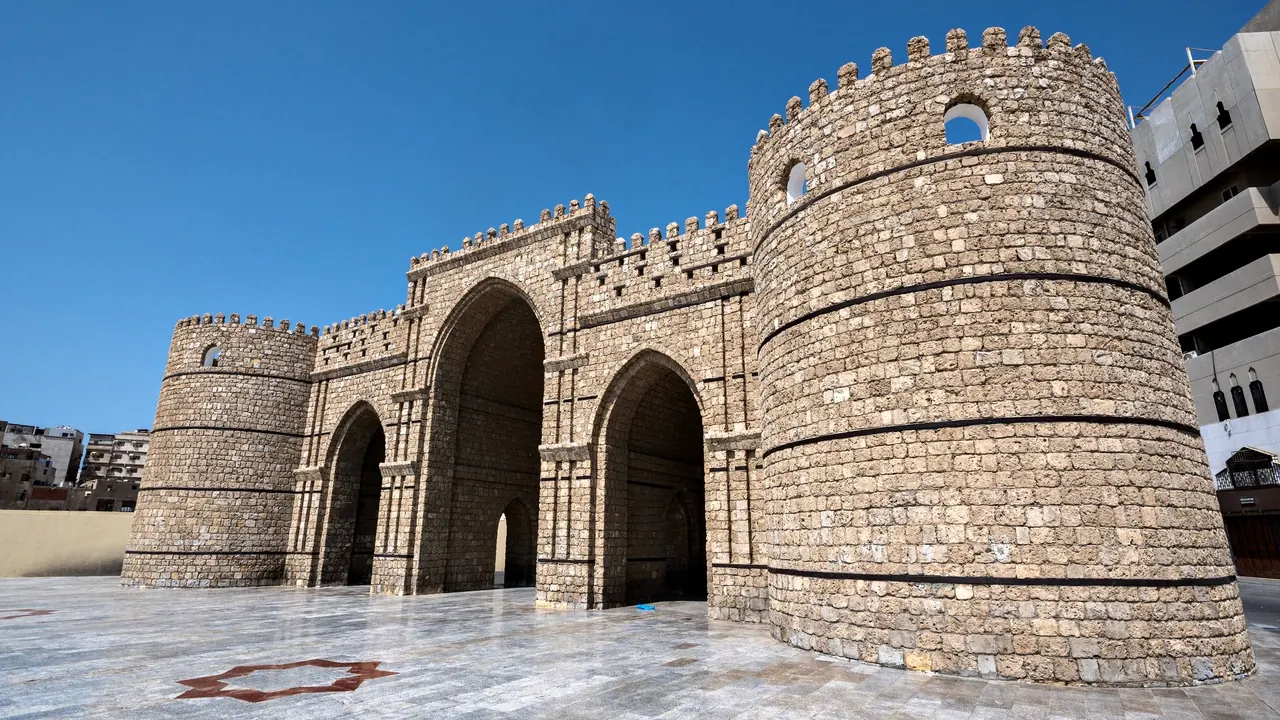
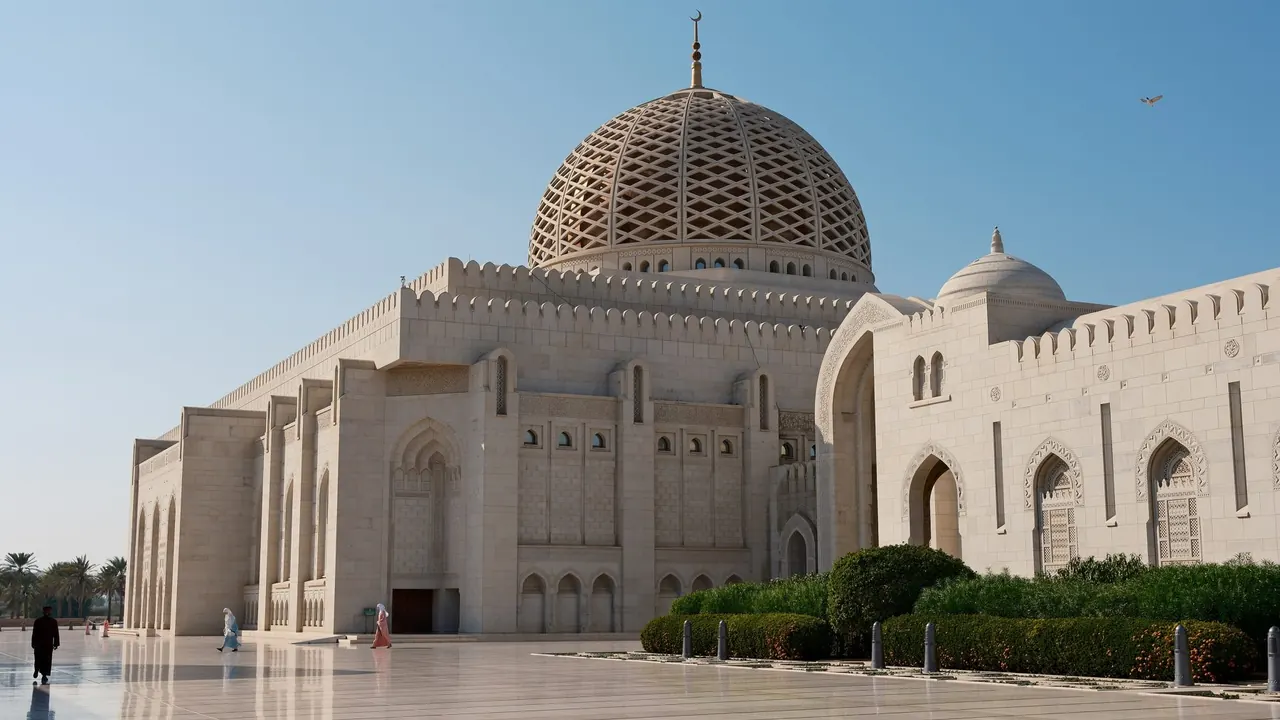
Photos: Jeddah by xiquinhosilva, CC BY 4.0, cropped; Muscat by Alli Khalil, CC BY 4.0, cropped.
Jeddah or Muscat?
Our verdict in twelve categories, each scored against the same fixed benchmark cities, and the climate month by month, so you can choose for your trip.
Choose Jeddah for
- shopping
- food and drink
- prices
Jeddah suits a city trip built around eating, shopping and one remarkable old town. Its Hejazi cooking and fish market give it the stronger table, the coral-stone lanes of Al-Balad are atmospheric to walk at dusk, and the souks and big northern malls give it the better shopping. For Muslim visitors it is also the natural base for umrah, with Mecca and Medina linked by high-speed train.
Choose Muscat for
- day trips
- nature and the outdoors
- wellness
Muscat is the better choice if the landscape matters to you. The Hajar mountains, the wadis and the forts of the interior are all within a day's drive, the beaches and coves are easier to use, and the slow, low-rise city is made for a restful resort stay. Add the opera season in the cooler months and it rewards a longer trip, ideally with a hire car.
Scoreboard
Twelve categories on one fixed scale from 0 to 100. The shaded stretch is the gap between the two.
Your match
Pick a travel style or drag the sliders, and both match scores follow your weighting.
Wins on shopping and food and drink with your weighting.
Wins on day trips and nature and the outdoors with your weighting.
What matters to you?
Category by category
What the scores mean for a trip.
Beaches & swimming
Both seas are warm, but Muscat makes swimming much simpler. Qurum and Shatti al Qurum give you a long sandy beach inside the city, the coves at Qantab, Al Bustan and Yiti have clear water below the headlands, and boats run out to the Daymaniyat Islands for snorkelling over coral.
Jeddah's reef starts almost at the shoreline and its winter sea is slightly warmer. But the corniche is for strolling rather than swimming, so getting into the water usually means paying for a beach club or resort at Obhur.
Food & drink
Jeddah is the better place to eat. Hejazi cooking blends mandi, saleeg and mutabbaq with dishes from Yemen, South Asia and East Africa. You can choose your fish at the market and have it grilled nearby, and Al-Balad fills with sweets and snacks on Ramadan evenings.
Omani food in Muscat is mild and good, but few restaurants serve it, so most meals come from cheap Keralan, Pakistani and Lebanese canteens in Ruwi and Mutrah. Muscat's hotels serve wine, while Jeddah has no alcohol at all.
Culture & sights
Muscat has more landmarks spread along its coast. The Sultan Qaboos Grand Mosque is the highlight. Old Muscat's palace sits between two Portuguese-era forts, and the National Museum and Bait al Zubair explain Oman's history well.
Jeddah relies almost entirely on Al-Balad. Its coral-stone houses with wooden rawasheen balconies, and the restored Nassif House, make a more complete old quarter to walk through than anything in Muscat, but the rest of the city is modern and its museums are slight.
Nightlife
Neither city is for going out in the usual sense. The difference is that Muscat serves alcohol in licensed hotels, where a few lounges and clubs fill with expatriates at the weekend. Jeddah has no alcohol anywhere, but its northern cafés, dessert shops and shisha lounges stay busy past midnight, and big music events now and then draw a party crowd.
Nature & outdoors
Muscat is far ahead here. The bare Hajar mountains drop straight into the sea in cliffs and inlets. Wadi Shab and the Bimmah sinkhole are along the coast road, and the terraced gardens of Jebel Akhdar are about two hours inland, with dolphins and protected reefs offshore.
Jeddah's natural appeal is mostly below the water: fringing reefs with walls and wrecks, plus kitesurfing and sailing on the creek at Obhur. On land it is a flat, sandy plain, and the cooler mountain air near Taif is a long drive away.
Day trips
From Muscat you can reach most of Oman's history by car. Nizwa's round fort and Friday livestock market, the mud-brick fort at Bahla, Jabrin Castle and the hanging village of Misfat al Abriyeen are all within a day, and the dhow builders of Sur are down the coast.
Jeddah offers much less. Taif's rose farms and souks are about two hours by road, and Medina is a long day by train. Mecca is the big draw for Muslim visitors, but non-Muslims cannot enter it.
Good for families
Both cities welcome children and are equally manageable with them, but the days look different. In Jeddah, family life happens on the corniche late into the evening, with playgrounds, lawns and a seafront amusement park, plus reef-sheltered beach clubs for confident swimmers.
In Muscat, days centre on the sea: dolphin-watching boats, shallow coves, Qurum's lakeside park and a hands-on science museum. The aquarium and indoor snow park at the Seeb mall are useful in the heat.
Getting around
Both are long coastal cities built for the car, with buses that are no help to visitors. In Jeddah, cheap ride-hailing is the easy answer, though rush-hour traffic is heavy, and high-speed trains run from the city to Mecca and Medina.
Muscat has no train at all, but its roads are good and well signed, so a hire car is easy to manage and opens up the interior. On foot, Jeddah has Al-Balad, and Muscat has the Mutrah corniche and the cove of Old Muscat.
Shopping & style
Jeddah has more to buy and a wider range. Its northern malls run from international chains to luxury houses and fashionable abayas. In the Al-Balad souks you can buy gold by weight and perfume blended to order, and bargaining is expected.
Muscat's Mutrah Souq is calmer and smaller, scented with frankincense and selling silverwork, khanjar daggers and perfume oils. Beyond it there are only suburban malls of chains and no luxury street.
Affordability
Costs come out roughly even, with a slight edge to Jeddah, but they fall in different places. In Jeddah, hotels are mid-range and taxis are cheap, but beach club entry and dinners in the northern districts add up, and rooms cost more around Ramadan and the pilgrimage seasons.
In Muscat, canteen meals cost very little, but the beach resorts are expensive and a hire car is part of the budget. Rates drop in the hot summer months.
Live music & performing arts
Muscat has the stronger stage thanks to the Royal Opera House. From autumn to spring it hosts touring opera, ballet, orchestras and Arab music stars, though not every night.
Jeddah has no regular theatre or concert season. Its live shows come as events in the cooler months, with pop stars and comedy in arenas, and you might catch Hejazi oud music and the mizmar stick dance at heritage events in Al-Balad.
Wellness & relaxation
Muscat is much the better place to unwind. The city itself is calm and low-rise, the resort spas in the coves south of the centre offer hammam rituals and frankincense treatments, and the warm springs at Nakhal and Rustaq are within reach inland.
In Jeddah, wellness means hotel spas and gender-separated day spas, and the traffic and heat work against rest. A seafront resort at Obhur is the quietest option.
When should you go?
Pick your month. The climate figures are measured averages, not a forecast.
Jeddah in July
Muscat in July
Daytime high, °C
Rainfall in the month, mm
Where the figures come from
Muscat's sunshine is measured 32 km from the centre, at Seeb, International Airport.
Temperature and rainfall are climate normals, averaged over the years shown. Jeddah: 1991-2020 normals, Jeddah King Abdul Aziz International Airport (19.1 km from centre). Muscat: 1991-2020 normals, Qaboos Port (3.4 km from centre).
Both cities are winter destinations, but they feel different then. Jeddah stays hot even in its mildest months, with highs around 29°C in January, so walking Al-Balad is comfortable mostly in the late afternoon. Muscat is noticeably fresher, around 24°C in January, which makes November to March pleasant for sightseeing, hiking and long days on the beach. The sea is warm enough to swim in all year in both, and both get almost constant sunshine.
From May onwards both become hard going. Muscat peaks at about 37°C in May and June and eases slightly in midsummer, while Jeddah keeps climbing to around 40°C in July and stays very hot well into October. Rain is rare everywhere, but Jeddah sees its few wet days in November, when the occasional downpour can hit.
Which traveller are you?
For an outdoors trip, Jeddah mainly suits divers and kitesurfers. Muscat gives you a different landscape every day, with mountain walks, wading through gorges and sea kayaking, all within a morning's drive or boat ride of one city base. Go between October and April.
On a shopping trip, Jeddah is the better choice. Plan evenings in the big northern malls, where local families shop after dark, and a late afternoon bargaining in the old souks for jewellery and scent. In Muscat, the souq fills one morning and little more.
For a relaxing and wellness trip, Jeddah gives you a few quiet days at a seafront resort in Obhur, but not much else. Muscat suits a whole stay built around rest: one coastal resort as your base, the pool and spa by day, and an unhurried city for evening walks.
Before you go
| Measure | Jeddah | Muscat |
|---|---|---|
| Official language | Arabic | Arabic |
| Currency | Saudi Riyal (SAR) | Rial Omani (OMR) |
| Sockets | G60 Hz | CG240 V, 50 Hz |
| Driving side | Right | Right |
| Time zone | UTC+3 | UTC+4 |
| Emergency number | 112 or 911 | 968 |
| Elevation | 7 m | 69 m |
| Main airport | King Abdulaziz International Airport (JED)17 km from centre147 non-stop destinations | Muscat International Airport (MCT)31 km from centre83 non-stop destinations |
By the numbers
| Measure | Jeddah | Muscat |
|---|---|---|
| City population | 4,697,000 | 1,421,409 |
| People per km² | 860 | 406 |
| Museums within 10 km | 2 | 10 |
| UNESCO World Heritage sites within 50 km | 1 | 0 |
| Swim season, months above 21 °C | 12 months | 12 months |
Where else could you go?
Every comparison below shares a destination with this one, so you can follow Jeddah or Muscat somewhere new.