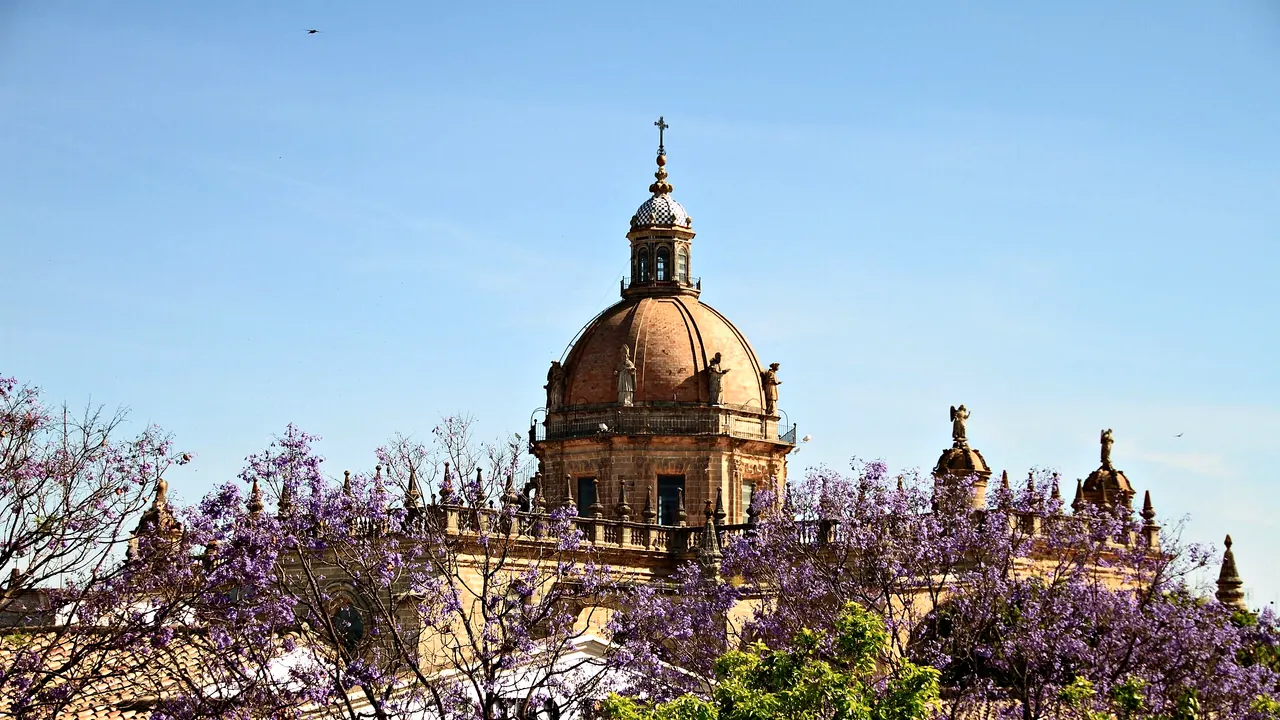
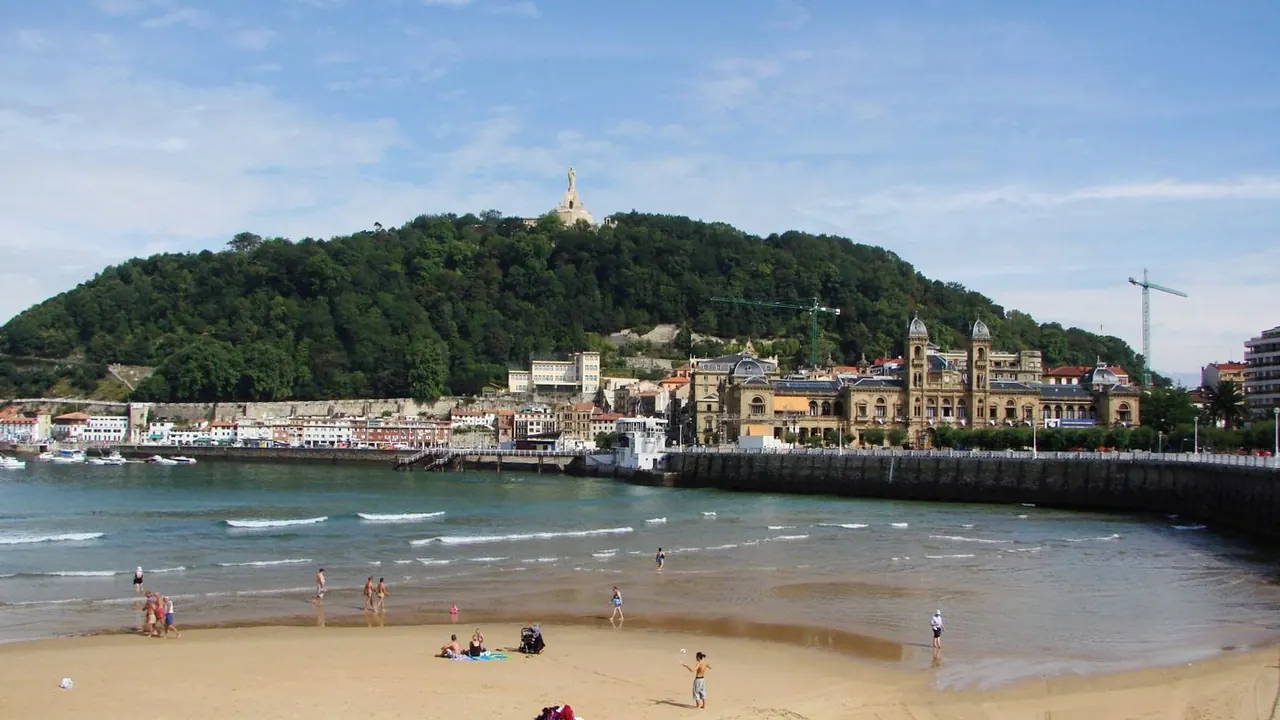
Photos: Jerez de la Frontera by PEPE GADEIRAS, CC BY 4.0, cropped; San Sebastian by Guérin Nicolas, CC BY-SA 3.0, cropped.
Jerez de la Frontera or San Sebastian?
Our verdict in twelve categories, each scored against the same fixed benchmark cities, and the climate month by month, so you can choose for your trip.
Choose Jerez de la Frontera for
- prices
- live music and the arts
- culture and sights
Jerez suits travellers who want southern sun, sherry and flamenco without paying much. Its tabancos, bodegas and peña evenings in Santiago and San Miguel feel truly local. With Seville, Cádiz and the white towns close by, it makes an inexpensive base for a wider Andalusian trip, ideally with a hired car.
Choose San Sebastian for
- food and drink
- getting around
- families
For a trip built around eating, San Sebastian is the stronger choice. It has pintxo bars in the Parte Vieja and Gros, cider houses and celebrated restaurants in the hills, a sheltered town beach and a centre you can walk end to end. The price is a much higher bill and cooler, wetter weather, so it rewards those who come in summer and budget for it.
Scoreboard
Twelve categories on one fixed scale from 0 to 100. The shaded stretch is the gap between the two.
Your match
Pick a travel style or drag the sliders, and both match scores follow your weighting.
Wins on prices and live music and the arts with your weighting.
Wins on food and drink and getting around with your weighting.
What matters to you?
Category by category
What the scores mean for a trip.
Beaches & swimming
San Sebastian has its beach right in town. La Concha's calm, sheltered bay is a short walk from the hotels, with Ondarreta for families and Zurriola for surfers. Jerez has no beach of its own, so a beach day means a train to Cádiz or El Puerto or a drive to the wide sands of La Barrosa or Sanlúcar.
The trade-off is the weather. The Costa de la Luz has a longer, sunnier season and broad golden beaches, although the Levante can blow hard. San Sebastian's season is short and grey days break up even August. In high summer the sea is about as warm at both.
Food & drink
Both are serious places to eat, but San Sebastian is the one people travel for. It has the pintxo counters of the Parte Vieja and Gros, the La Bretxa and San Martin markets, the Astigarraga cider houses and a tier of fine dining that is rare for a city its size. Together they give it a depth and polish that Jerez cannot match.
Jerez's strength is sherry. You taste fino and oloroso in the bodegas, drink from the barrel in a tabanco with chicharrones, and eat oxtail or kidneys cooked in sherry. It is a narrower pleasure but a very particular one. Neither city offers much beyond its own regional cooking.
Culture & sights
On sights the two are evenly matched, and each takes two or three days. Jerez has the older layers: an Almohad Alcázar with Arab baths, Gothic-Mudéjar parish churches and two things found nowhere else, the cathedral-like sherry bodegas and the Royal Andalusian School of Equestrian Art.
San Sebastian is more about the whole townscape than single monuments. Its late 19th-century streets around Buen Pastor face the rebuilt grid of the Parte Vieja, with Monte Urgull's castle and the Miramar Palace above. The San Telmo Museum and Chillida's Peine del Viento give it a stronger Basque and modern angle.
Nightlife
Neither is a clubbing city, but San Sebastian has a little more going on after dinner. Its pintxo bars fill early, a student crowd keeps weekends going, and in summer, especially during Semana Grande, the town stays out late. Jerez revolves around tabancos and copa bars near Plaza del Arenal and Calle Larga, which are sociable but provincial, and only the Feria del Caballo in May goes on until dawn.
Nature & outdoors
San Sebastian has the better outdoors on its doorstep. Green hills ring the bay and the funicular climbs Igueldo. The coastal path from Monte Ulia to Pasaia, and on over Jaizkibel to Hondarribia, is superb walking, with surfing at Zurriola and paddling in the bay.
Around Jerez the land is gentle vineyard country on white albariza soil. The more dramatic landscapes are an hour or more away, in the gorges of the Sierra de Grazalema, the cork forests of Los Alcornocales and the Doñana wetlands, and the summer heat limits hiking to spring and autumn. Kitesurfing towards Tarifa and horse riding are its particular extras.
Day trips
Both make excellent bases, but they point in different directions. From Jerez the pull is Andalusia: Seville is about an hour away by train and Cádiz half an hour, the sherry towns of Sanlúcar and El Puerto are close, and by car you reach the white towns from Arcos to Ronda.
San Sebastian's range crosses a border. Bilbao and the Guggenheim, Pamplona, walled Hondarribia and the French Basque coast at Biarritz and Saint-Jean-de-Luz are all close, and the Rioja vineyards are under two hours away. More of the outings from Jerez depend on a hired car.
Good for families
San Sebastian is the easier city with children. The calm town beaches, the flat, car-free promenade, the aquarium, the hands-on Eureka museum and the funfair on top of Igueldo make the days straightforward, though rain can rule out the beach.
Jerez has a good zoo and botanical garden as well as the dancing-horse show, and the Costa de la Luz beaches shelve gently. But those beaches are a trip away, July and August are very hot in town, and much of the appeal, the bodegas included, is for adults.
Getting around
Both centres are flat and walkable, but San Sebastian works better as a whole. The old town, La Concha, Gros and Zurriola are linked along the river and the waterfront, which has bike lanes. Euskotren and coaches cover the coast and Bilbao, so a car is rarely needed.
Jerez's core of Alcázar, bodegas and tapas streets is compact too, with trains to Seville and Cádiz and the airport close by. Beyond that, the white towns, the sierra and many of the beaches really call for a hired car.
Shopping & style
Neither is a shopping destination, but San Sebastian's Centro has more independent boutiques among the chains, plus surf and design shops in Gros. Calle Larga in Jerez is plainer, though its local crafts are distinctive: saddlery and riding boots for the horse world, flamenco dresses and guitars. In both cities the best things to take home are edible, sherry and brandy in one, txakoli, Idiazabal and tinned anchovies in the other.
Affordability
This is where the two differ most. Jerez is good value, with cheap sherry and tapas, moderately priced central hotels and inexpensive bodega tours. Only Feria week, the flamenco festival and the race weekends at the circuit push room prices up.
San Sebastian is among the most expensive places to stay in Spain. Hotels are scarce, summer rates match the big European capitals, and the famous restaurants are a real splurge. The beaches, walks and buses cost little, and coming outside high summer makes the biggest difference.
Live music & performing arts
For live performance, Jerez has the more distinctive offer. Flamenco is a living local art here, from peña evenings in Santiago and San Miguel and unpolished sessions in the tabancos to the more polished tablaos. The late-winter festival at the Teatro Villamarta draws dancers and students from abroad.
San Sebastian's musical life is concentrated in summer, with Jazzaldia in July and the Quincena Musical's orchestral and opera programme in August, held at the Kursaal and the Victoria Eugenia. For the rest of the year it is noticeably quieter.
Wellness & relaxation
San Sebastian has a real bathing tradition from its days as a royal resort, and the seawater thalassotherapy spa in the historic pavilion on La Concha is worth planning around. Jerez offers an Arab-style bathhouse and a few hotel spas. Both are restful in their own way: the orderly calm and promenade of the Basque city on one side, Jerez's shaded patios and long afternoon pauses on the other.
When should you go?
Pick your month. The climate figures are measured averages, not a forecast.
Jerez de la Frontera in July
San Sebastian in July
Daytime high, °C
Rainfall in the month, mm
Where the figures come from
San Sebastian's station stands 252 m above the city centre, so the centre is likely a little warmer than the figures say.
Temperature and rainfall are climate normals, averaged over the years shown. Jerez de la Frontera: 1991-2020 normals, Jerez De La Fronteraaeropuerto (9.9 km from centre). San Sebastian: 1991-2020 normals, San Sebastian / Igueldo (6.1 km from centre).
Jerez is a sun-trap. From June to September it barely rains and the sea warms to 23°C, so beach days on the Costa de la Luz are reliable. July and August reach 34°C in town, though, which is too hot for walking the streets in the afternoon. April, May and early October are the comfortable months for sightseeing. The rain comes in October and stays through December at around 85mm a month, but winter remains mild and fairly bright.
San Sebastian is cool and green all year, with far fewer sunny hours. Only July and August are warm enough for swimming, with mild highs and a sea of about 22°C, and grey days come even then. It rains every month, most heavily in November at 203mm, and winter is chilly and dim. Summer is when the two differ most: San Sebastian is pleasant for walking all day, while Jerez bakes.
Which traveller are you?
On a trip on a tight budget, Jerez is the easier choice. Sherry and tapas in the tabancos cost little, central hotels are moderately priced and bodega tours are cheap. In San Sebastian, rooms are scarce and expensive and a long pintxo crawl adds up quickly.
For a food and nightlife trip, San Sebastian wins. Evenings are a crawl through the Parte Vieja and Gros with txakoli, backed by renowned restaurants and cider houses, and summer nights run late. Jerez offers sherry in depth but a more provincial night out.
On a family trip with children, San Sebastian is simpler. Sheltered beaches sit in the centre, the promenade is car-free, and the aquarium, Eureka and the Igueldo funfair fill the days. In Jerez the zoo and the dancing horses help, but the heat and distant beaches make it harder.
Before you go
| Measure | Jerez de la Frontera | San Sebastian |
|---|---|---|
| Official language | Spanish | Spanish |
| Currency | Euro (EUR) | Euro (EUR) |
| Sockets | CF230 V, 50 Hz | CF230 V, 50 Hz |
| Driving side | Right | Right |
| Time zone | UTC+1, UTC+2 in summer | UTC+1, UTC+2 in summer |
| Emergency number | 112 | 112 |
| Elevation | 58 m | 6 m |
| Main airport | Jerez Airport (XRY)10 km from centre26 non-stop destinations | San Sebastián Airport (EAS)16 km from centre11 non-stop destinations |
| Public holidays this year | 12 days | 13 days |
By the numbers
| Measure | Jerez de la Frontera | San Sebastian |
|---|---|---|
| City population | 213,634 | 189,866 |
| People per km² | 180 | 3,118 |
| Museums within 10 km | 14 | 14 |
| UNESCO World Heritage sites within 50 km | 1 | 3 |
| Swim season, months above 21 °C | 3 months | 2 months |
Where else could you go?
Every comparison below shares a destination with this one, so you can follow Jerez de la Frontera or San Sebastian somewhere new.
- Cadizvs Jerez de la Frontera
- Biarritzvs San Sebastian
- Bilbaovs San Sebastian
- Sevillevs Jerez de la Frontera
- Rondavs Jerez de la Frontera
- Marbellavs Jerez de la Frontera