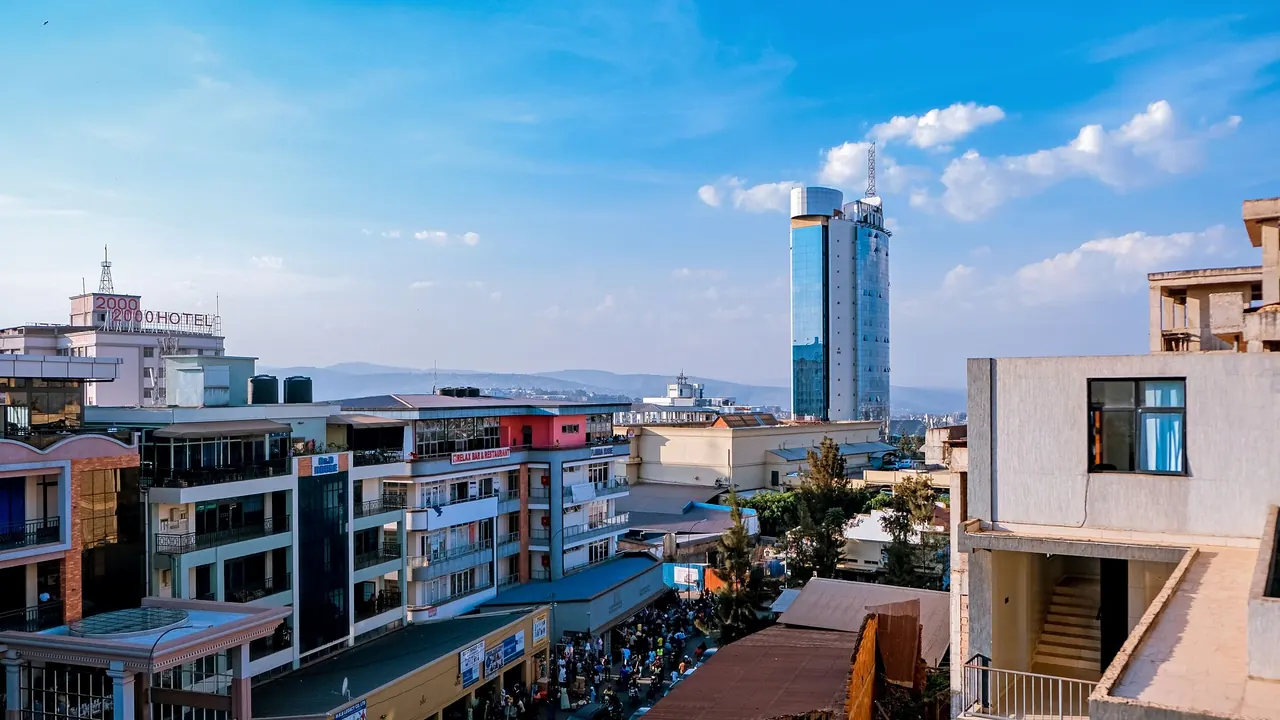
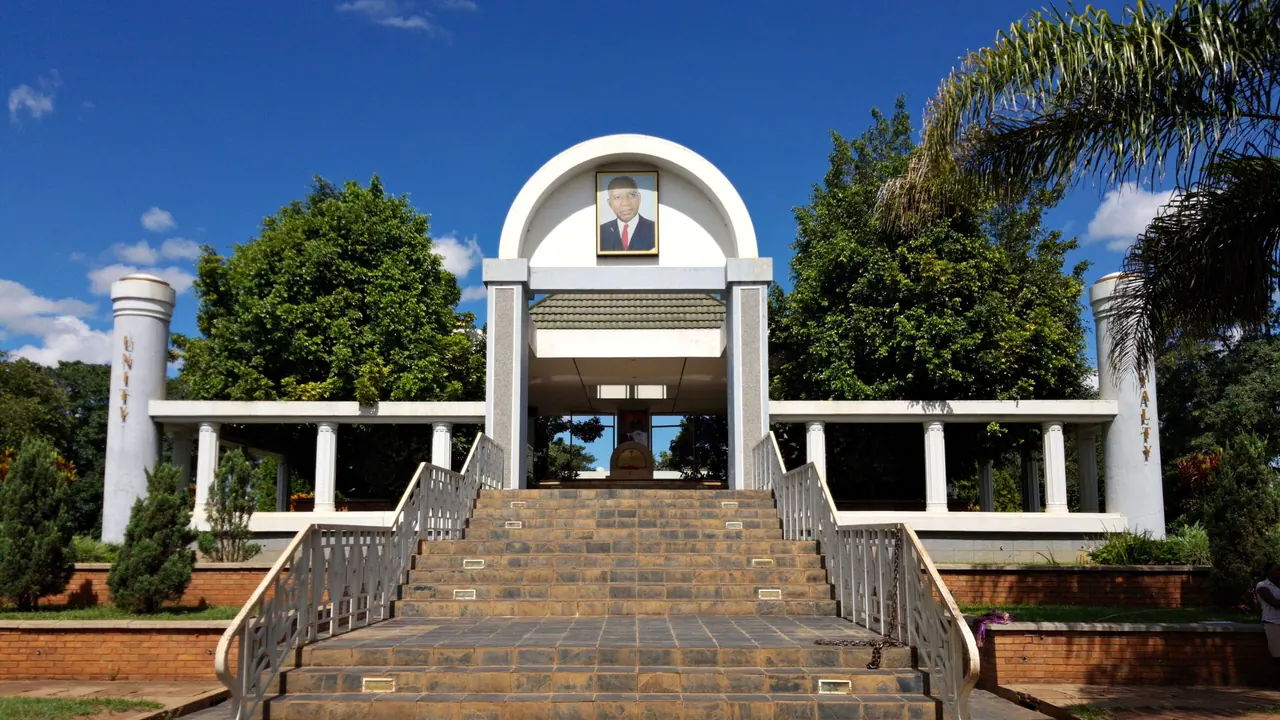
Photos: Kigali by Jax pexels, Pexels License; Lilongwe by ilf_, CC BY-SA 2.0, cropped.
Kigali or Lilongwe?
Our verdict in twelve categories, each scored against the same fixed benchmark cities, and the climate month by month, so you can choose for your trip.
Choose Kigali for
- getting around
- culture and sights
- nightlife
Kigali is the better pick if you want a capital worth a few days in its own right. The Genocide Memorial gives a visit real weight, the green ridges are pleasant to explore, and good coffee and lively weekend nights add to it. The clean, orderly streets and easy moto-taxis make the city simple to manage, and Akagera and the gorilla volcanoes are close enough to add to the trip.
Choose Lilongwe for
- beaches
- prices
Lilongwe makes more sense as a staging post than as the point of the journey. Its sights take a few hours and the city is too spread out to manage without a car. Local life is very cheap, though, and the sandy Lake Malawi shore at Senga Bay is nearer than any lake beach you can reach from Kigali. Plan a night or two here before moving on to the lake, the rock art at Chongoni or a safari lodge.
Scoreboard
Twelve categories on one fixed scale from 0 to 100. The shaded stretch is the gap between the two.
Your match
Pick a travel style or drag the sliders, and both match scores follow your weighting.
Wins on getting around and culture and sights with your weighting.
Wins on beaches and prices with your weighting.
What matters to you?
Category by category
What the scores mean for a trip.
Beaches & swimming
Outside a hotel pool, neither city has anywhere to swim, so what matters is how far you have to go for a lake beach. From Kigali it is a long way. The sandy shores at Rubavu on Lake Kivu are about three hours by road, so you will need to stay over. Lake Muhazi is closer, but it suits a meal by the water or a boat ride, not an afternoon on the sand.
Lilongwe is better placed. Senga Bay on Lake Malawi is roughly an hour nearer, with lodges along the beach and water that stays warm, around 24°C to 28°C, for most of the year. You will still enjoy it more with a night away than as a return trip. Bilharzia occurs in parts of the lake, so avoid the reedy shallows and village landing spots unless locals tell you they are clear.
Food & drink
Kigali eats and drinks better, mainly because of coffee. Highland beans are roasted with care in the cafés of Kiyovu and Kacyiru. Evenings of goat brochettes and cold beer in hillside bars, plus a wider choice of Ethiopian, Indian and Italian kitchens, give a stay more variety.
Lilongwe's strength is simpler. Whole grilled chambo from the lake with nsima at a roadside grill, and the fruit and groundnut stalls around the Old Town market, are worth trying. Thobwa makes an unusual local drink, but the sit-down restaurants rarely rise above pleasant.
Culture & sights
Kigali has one sight of national importance: the Genocide Memorial at Gisozi, built over mass graves, which explains much about modern Rwanda. The shell-marked parliament museum, Kandt House and the contemporary painting studios of Kimihurura round out two or three good days.
Lilongwe, planned as a garden capital, offers a few monuments rather than museums. These are the domed Kamuzu Mausoleum, Capital Hill and the Memorial Tower, with the Old Town market for everyday life. Malawi's heritage is really seen outside the city, at Chongoni and Mua.
Nightlife
Both cities go out mainly at weekends, but Kigali gives you more to do. Rooftop lounges look over the lit-up hills, and on Fridays and Saturdays the clubs in Kimihurura, Kiyovu and Nyarutarama play Afrobeats and Congolese rumba until well after midnight, in an orderly rather than rowdy atmosphere.
Lilongwe's evenings are quieter. People drink in hotel bars and the garden bars of backpacker lodges, and a few clubs in Old Town, Area 47 and Area 10 play dancehall and South African house. The streets are dark and far apart, so every move between bars is a taxi ride.
Nature & outdoors
Kigali puts more of the outdoors within reach. You can climb Mount Kigali for the views or walk the boardwalks through Nyandungu's birdlife in town. Akagera's lions, elephants and hippo-filled lakes make a long day's safari, and the gorilla volcanoes are a similar distance away.
Lilongwe has gentler options close by. The bush trails of the Wildlife Centre along the Lingadzi river, birding and mountain biking in Dzalanyama's miombo woodland, and hikes in Dedza's granite hills are all within about an hour or so. The country's major parks and the Nyika Plateau lie several hours away.
Day trips
The two are about even, but the subject of the outings differs. From Kigali, you drive into the Bugesera countryside to the memorial churches at Nyamata and Ntarama, left as they were found, or go further to the thatched King's Palace at Nyanza with its long-horned cattle.
Lilongwe's outings all run down the road south and focus on Chewa culture and craft. They include the pottery workshops of Dedza, the UNESCO rock-art shelters of Chongoni and the Gule Wamkulu masks at Mua Mission. In both cases the list runs out quickly, and the lakeshore is better done with an overnight stop.
Good for families
Kigali is the easier city with children. Its clean, safe streets can be walked in the centre, Nyandungu's wetland gives children space to run, and older ones can manage the drive to an Akagera safari. It still has no zoo or amusement park, and the main memorial is not suitable for young children.
Lilongwe welcomes families just as warmly, but the Wildlife Centre's rescued animals are its only real attraction for children. Few pavements mean every outing goes by car. Malaria all year and limited healthcare beyond private clinics call for more planning.
Getting around
Kigali is much easier to get around. Its ridges and valleys make long walks tiring, but the central districts have good pavements. Licensed moto-taxis come with numbered vests and spare helmets, and app-booked cars are easy to find. Traffic is light, so trips are short.
Lilongwe was built as separate districts kilometres apart, with patchy pavements and unlit streets. Crowded minibuses and bicycle taxis are hard for a newcomer to use, so in practice you depend on hotel taxis, ride-hailing or a hired driver for everything.
Shopping & style
Both cities are mainly about crafts, and Kigali offers a little more. Lidded agaseke baskets and geometric imigongo panels fill its cooperatives. At Kimironko market you can buy kitenge cloth and have it tailored within days, and a few local designers in Kiyovu sell bold modern clothes.
Lilongwe's Old Town stalls trade carved chairs, chief's stools, masks and soapstone, and you can expect a long, friendly haggle. Dedza pottery turns up in lodge shops. There is no fashion scene at all.
Affordability
Costs are much the same in both: cheap if you live locally, expensive if you want polish. In Kigali, buffet lunches and moto-taxis cost little, the main memorial is free and mid-range guesthouses are reasonable. Gorilla permits and park fees, though, can take over the budget of anyone heading out of the city.
Lilongwe is slightly cheaper at street level, and backpackers in garden lodges spend very little. Comfortable hotels are scarce and charge international rates, and the taxis needed in such a spread-out city soon add up.
Live music & performing arts
Kigali has more to see on stage, even without a regular programme. Intore dancers in grass headdresses perform with drummers at cultural centres, the city hosts annual music and theatre festivals, and East African stars play the indoor arena.
In Lilongwe, live music comes from weekend shows in hotel gardens and at the Bingu International Convention Centre. The masked Gule Wamkulu belongs to village ceremonies, and the country's main festivals are held on the lakeshore rather than in the capital.
Wellness & relaxation
Neither has a bathing or spa tradition, so in both relaxing means hotel treatments and a quiet garden. Kigali offers slightly more, with yoga classes and day spas in Kiyovu and Nyarutarama and coffee on a terrace in clean, calm streets. Lilongwe's leafy suburbs and lodge gardens are restful enough for an afternoon, but most travellers who want proper rest go on to the lake.
When should you go?
Pick your month. The climate figures are measured averages, not a forecast.
Kigali in July
Lilongwe in July
Daytime high, °C
Rainfall in the month, mm
Where the figures come from
Lilongwe's station stands 179 m above the city centre, so the centre is likely a little warmer than the figures say.
Temperature and rainfall are climate normals, averaged over the years shown. Kigali: 1991-2020 normals, Kigali (1.6 km from centre). Lilongwe: 1982-2025 (rainfall 1961-1990) normals, Lilongwe International Airport (22.6 km from centre).
Kigali stays warm all year, with daytime highs of 27°C to 29°C in every month, so the temperature hardly changes your choice of dates. Rain does. The long rains run from March to May and a second wet spell peaks in November. June to August is clearly the driest stretch and the easiest time for trails and day trips.
Lilongwe has a single, sharper pattern. From May to October it barely rains. June and July are the coolest months, around 23°C, and the most comfortable for walking. The heat then builds to about 30°C in November, just before the rains arrive. December to February is very wet, with around 230mm in January. For a combined trip, the dry middle of the year suits both cities.
Which traveller are you?
On a beach and sun trip, Lilongwe has the edge. The warm freshwater and sandy shore of Lake Malawi at Senga Bay are about two hours away. From Kigali, the nearest proper lake beaches at Rubavu on Lake Kivu are a longer drive.
For a culture and arts trip, Kigali is far more rewarding. The Genocide Memorial in Gisozi, the Campaign Against Genocide Museum, Kandt House and the galleries of Kacyiru fill several days. Intore dance shows add a performance that Lilongwe cannot match on a city stage.
For a short city break, choose Kigali. You can walk the central districts safely, moto-taxis make hops between ridges quick, and coffee, rooftop bars and the main sights fit easily into a weekend. Lilongwe's scattered districts need a car for every outing.
Before you go
| Measure | Kigali | Lilongwe |
|---|---|---|
| Official language | French, English, Swahili, Kinyarwanda | English, Chewa, Tumbuka |
| Currency | Rwanda Franc (RWF) | Malawi Kwacha (MWK) |
| Sockets | CEG230 V, 50 Hz | G230 V, 50 Hz |
| Driving side | Right | Left |
| Time zone | UTC+2 | UTC+2 |
| Emergency number | Police 112, ambulance 912, fire 112 | Police 990/997, ambulance 998, fire 999 |
| Elevation | 1,567 m | 1,050 m |
| Main airport | Kigali International Airport (KGL)3 km from centre24 non-stop destinations | Kamuzu International Airport (LLW)22 km from centre9 non-stop destinations |
| Public holidays this year | 13 days | 11 days |
By the numbers
| Measure | Kigali | Lilongwe |
|---|---|---|
| Population | 1,745,555 | 989,318 |
| People per km² | 2,391 | 1,359 |
| Museums within 10 km | 4 | 0 |
| UNESCO World Heritage sites within 50 km | 1 | 0 |
Where else could you go?
Every comparison below shares a destination with this one, so you can follow Kigali or Lilongwe somewhere new.
- Lake Malawivs Lilongwe
- Kampalavs Kigali
- Arushavs Kigali
- Nairobivs Kigali
- Mombasavs Kigali
- Dar es Salaamvs Kigali