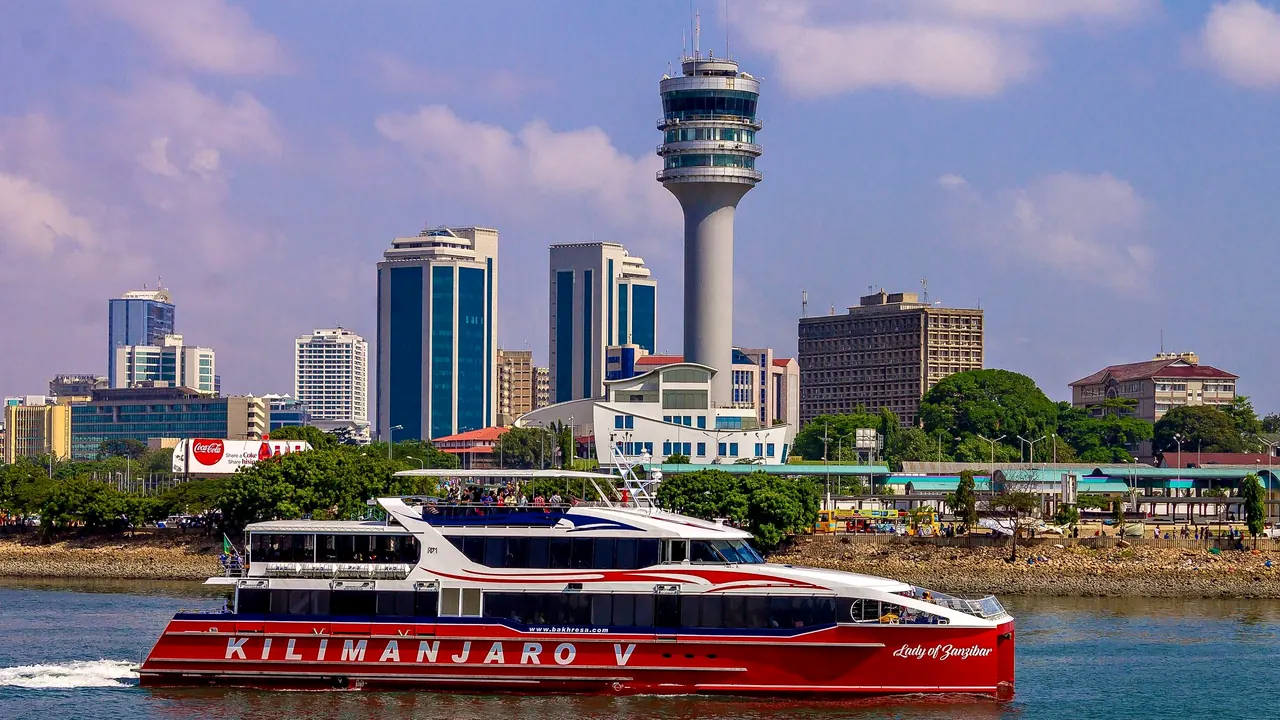
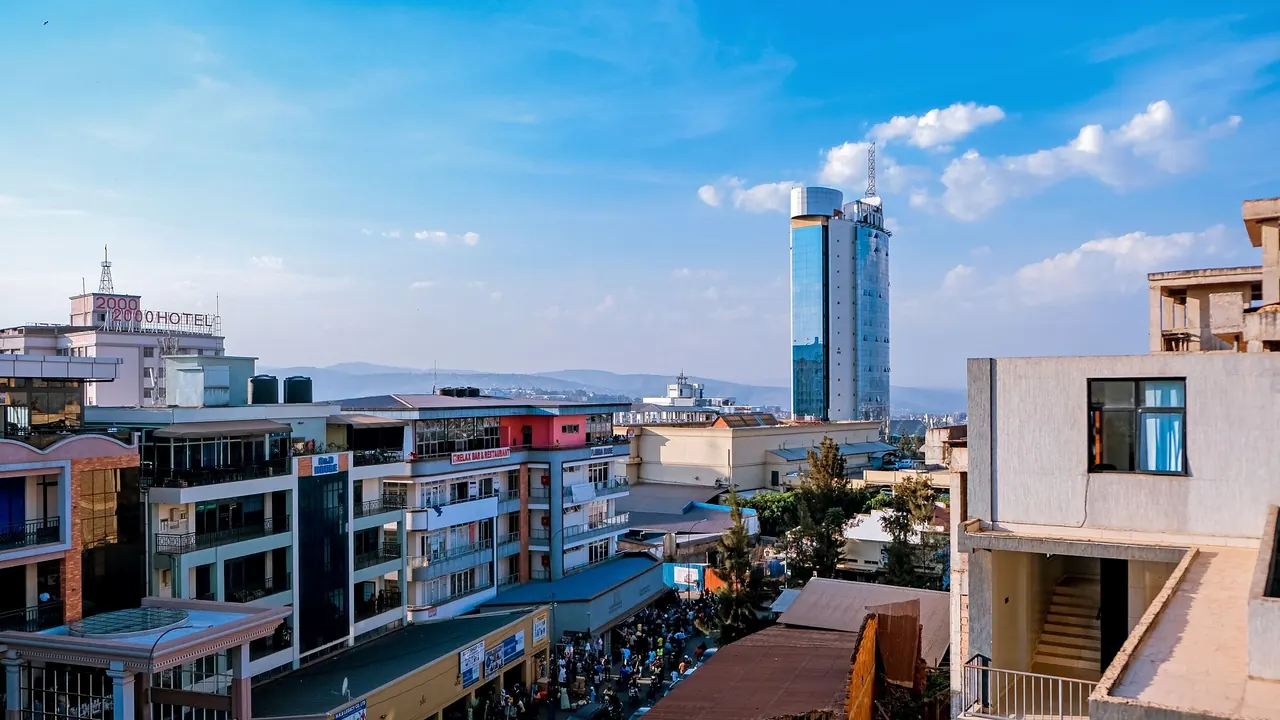
Photos: Dar es Salaam by Dicksonpicha, CC BY-SA 4.0, cropped; Kigali by Jax pexels, Pexels License.
Dar es Salaam or Kigali?
Our verdict in twelve categories, each scored against the same fixed benchmark cities, and the climate month by month, so you can choose for your trip.
Choose Dar es Salaam for
- beaches
- day trips
- food and drink
Dar es Salaam suits travellers who want the Indian Ocean in the trip. The swimming is out on Bongoyo and Mbudya or along the Kigamboni coast rather than in town, but it is warm sea all the same. The food has more range too, from Swahili street grills to Indian biryani, and Stone Town on Zanzibar and old Bagamoyo are both within reach. Expect heat, sprawl and slow traffic, and treat the city as a gateway more than a place to linger.
Choose Kigali for
- nature and the outdoors
- getting around
- wellness
Kigali is the better choice for a calm, orderly stay in the highlands, with green ridges to walk, clean streets and short journeys once you have a ride. It has no sea at all, but it makes a good base for gorilla treks and a day safari in Akagera. The Genocide Memorial gives a visit real weight, and the slower pace makes it easier to rest between harder trips into the country.
Scoreboard
Twelve categories on one fixed scale from 0 to 100. The shaded stretch is the gap between the two.
Your match
Pick a travel style or drag the sliders, and both match scores follow your weighting.
Wins on beaches and day trips with your weighting.
Wins on nature and the outdoors and getting around with your weighting.
What matters to you?
Category by category
What the scores mean for a trip.
Beaches & swimming
This is the starkest difference between the two cities. Dar es Salaam sits on the warm Indian Ocean, though its own shoreline at Coco Beach is for strolling, not swimming. The real beaches are a half-hour boat ride away on Bongoyo and Mbudya, or on the long, quiet Kigamboni coast and the resort strip at Kunduchi. Plan swims around the big tides.
Kigali is landlocked. Lake Muhazi is good for a lunch by the water, and the proper lake beaches at Rubavu on Lake Kivu are an overnight trip. In town, a hotel pool is all there is.
Food & drink
Dar es Salaam has more to eat and more variety. Mishkaki and chipsi mayai on the street, nyama choma with cold beer, coconut fish curries, the morning auction at the Kivukoni fish market and good Indian cooking around Upanga and Kariakoo give a food lover plenty to seek out.
Kigali's own cooking is plainer: buffet lunches of beans, plantain and isombe, then goat brochettes in the evening. Its strength is highland coffee, roasted with care in the cafés of Kiyovu and Kacyiru, along with a good spread of international restaurants serving the diplomatic community.
Culture & sights
Neither city is a major sightseeing destination, and both are covered in a couple of days. The difference is in what you see. Dar es Salaam offers Olduvai fossils at the National Museum, traditional houses at the Village Museum and a short colonial walk by the harbour, while the deeper Swahili history lies beyond the city.
Kigali's sights are fewer but carry more weight. The Genocide Memorial in Gisozi and the shell-marked parliament museum explain the country in a way few museums anywhere can, and the contemporary galleries in Kacyiru and Kimihurura are worth an afternoon.
Nightlife
Both cities come alive mainly at weekends. Dar es Salaam has a little more going on and a looser edge, with beer gardens and bongo flava clubs in Sinza and Mwenge and beach lounges in Masaki and Oyster Bay. The venues are spread out, though, and every move after dark is by taxi.
Kigali is calmer and more orderly. Rooftop bars look out over the lit hills, and clubs in Kimihurura and Nyarutarama play Congolese rumba and Afrobeats until late on Fridays and Saturdays. It suits anyone who wants a good night out without the rowdiness.
Nature & outdoors
Kigali has the better outdoors. Its green ridges make walking a pleasure, Mount Kigali and the Nyandungu wetland are on the edge of town, and Akagera's lions, rhinos and hippos are close enough for a long day out. The gorilla volcanoes are a similar distance away, though most trekkers stay the night.
Dar es Salaam's nature is mostly on the water: snorkelling the reefs of the marine reserve, sailing a dhow past the mangroves and kitesurfing on the trade winds. On land the city is flat and suburban, and a safari means a separate journey.
Day trips
Dar es Salaam has two outings of real weight. The fast ferry reaches Stone Town on Zanzibar in about two hours, and Bagamoyo, with its old fort, mission buildings and the Kaole ruins, is a similar drive up the coast.
From Kigali, the essential trip is to the memorial churches at Nyamata and Ntarama in Bugesera, followed by the King's Palace at Nyanza with its Inyambo cattle. Beyond these, Huye and Lake Kivu are better treated as overnight stops than same-day returns.
Good for families
Neither city is built for children, but they let families down in different ways. Dar es Salaam has more to keep children busy, with island boat trips, resort pools and a water park, but the heat, traffic, lack of pavements and malaria precautions make every day harder work.
Kigali has fewer attractions, with no zoo or amusement park, but it is easier day to day: clean, safe-feeling streets, a mild climate and open space at Nyandungu. Older children will love a day in Akagera.
Getting around
Kigali is easier to get around. Its steep valleys stop most people walking between districts, but moto-taxis with numbered vests and spare helmets, plus metered cars, cover short distances quickly because traffic is light.
In Dar es Salaam, distances and congestion slow everything down. The rapid bus lanes mostly serve commuters, pavements disappear once you leave the harbour area, and Masaki, the museums and the beaches are far apart, so most trips mean a slow ride-hailing car.
Shopping & style
Dar es Salaam has more to shop for. Kariakoo is a vast trading market worth seeing for its scale, the Mwenge workshops sell Makonde carvings, and Tingatinga paintings, a style born in the city, are an unusual thing to take home.
Kigali's choice is smaller but well made: agaseke baskets, imigongo panels and kitenge tailored at Kimironko, a few Rwandan designers in Kiyovu, and bags of coffee to take home. Neither city has luxury shopping.
Affordability
Costs work much the same way in both cities. Local life is cheap and the polished end is priced for expatriates. In Dar es Salaam the bills that add up are beach resorts, island boat trips and dinners in Masaki. In Kigali, park fees and above all gorilla permits can take over the budget of anyone who travels beyond the city.
Live music & performing arts
Both cities have little formal stage life and no opera or orchestra, so performance comes in irregular bursts. Dar es Salaam's appeal is its music, as the home of bongo flava and taarab, heard in weekend bars. Kigali's highlight is intore dance, with leaping warriors and drummers, plus festivals and big concerts at its indoor arena.
Wellness & relaxation
Kigali is the easier place to unwind. There is no spa tradition, but the quiet, leafy streets of Kiyovu and Nyarutarama, the mild hill air, the yoga classes and the terrace coffee all help you slow down without leaving the city.
Dar es Salaam is hot, humid and loud, and a hotel massage only goes so far. Real rest there means leaving for a resort on the Kigamboni coast, or going on to Zanzibar.
When should you go?
Pick your month. The climate figures are measured averages, not a forecast.
Dar es Salaam in July
Kigali in July
Daytime high, °C
Rainfall in the month, mm
Temperature and rainfall are climate normals, averaged over the years shown. Dar es Salaam: 1991-2020 normals, Dar Es Salaam Airport (10.5 km from centre). Kigali: 1991-2020 normals, Kigali (1.6 km from centre).
Dar es Salaam is hot all year, with daytime highs of 30°C or more in every month. The stickiest stretch runs from December to March, when walking the streets becomes tiring by midday. The long rains fall from March to May and are heaviest in April, and a shorter wet spell returns in November and December. The best time is the dry, sunny run from June to September. The sea is warm enough for swimming all year, and even at its coolest in August the water is still about 25°C, while the air that month reaches 30°C.
Kigali has no sea, but its altitude keeps it a few degrees cooler, with highs of around 28°C all year, so walking between its ridges is comfortable in any month. Its wet seasons are longer and the rain is spread more evenly: March to May, then again from October to December, when the trails turn muddy. June and July are the driest months and the best for trekking and safaris, and August is still a good choice. Both cities are at their best in the middle of the year, and the April rains hit Dar es Salaam harder.
Which traveller are you?
On a beach and sun trip, Dar es Salaam is the obvious choice. Boats to Bongoyo and Mbudya, the palm-backed Kigamboni coast and warm sea all year are things landlocked Kigali cannot offer, since its swimming means a hotel pool.
For an outdoors trip, Kigali comes out ahead. You can hike Mount Kigali, walk the boardwalks at Nyandungu, take a day safari in Akagera and trek to the gorillas in the volcanoes. Dar es Salaam's outdoors is mostly snorkelling, dhow trips and kitesurfing.
On a relaxing and wellness trip, Kigali's quiet, clean streets, mild hill air and garden hotels make it easier to slow down. Dar es Salaam is hot, loud and congested, and real rest there means escaping to a Kigamboni resort.
Before you go
| Measure | Dar es Salaam | Kigali |
|---|---|---|
| Official language | English, Swahili | French, English, Swahili, Kinyarwanda |
| Currency | Tanzanian Shilling (TZS) | Rwanda Franc (RWF) |
| Sockets | G230 V, 50 Hz | CEG230 V, 50 Hz |
| Driving side | Left | Right |
| Time zone | UTC+3 | UTC+2 |
| Emergency number | Police 112, ambulance 115, fire 114 | Police 112, ambulance 912, fire 112 |
| Elevation | 12 m | 1,567 m |
| Main airport | Julius Nyerere International Airport (DAR)10 km from centre39 non-stop destinations | Kigali International Airport (KGL)3 km from centre24 non-stop destinations |
| Public holidays this year | 13 days | 13 days |
By the numbers
| Measure | Dar es Salaam | Kigali |
|---|---|---|
| City population | 4,715,000 | 1,745,555 |
| People per km² | 3,385 | 2,391 |
| Museums within 10 km | 3 | 4 |
| UNESCO World Heritage sites within 50 km | 0 | 1 |
| Swim season, months above 21 °C | 12 months | - |
Where else could you go?
Every comparison below shares a destination with this one, so you can follow Dar es Salaam or Kigali somewhere new.
- Stone Townvs Dar es Salaam
- Mombasavs Dar es Salaam
- Arushavs Dar es Salaam
- Nairobivs Dar es Salaam
- Arushavs Kigali
- Nairobivs Kigali