Kyrgyzstan
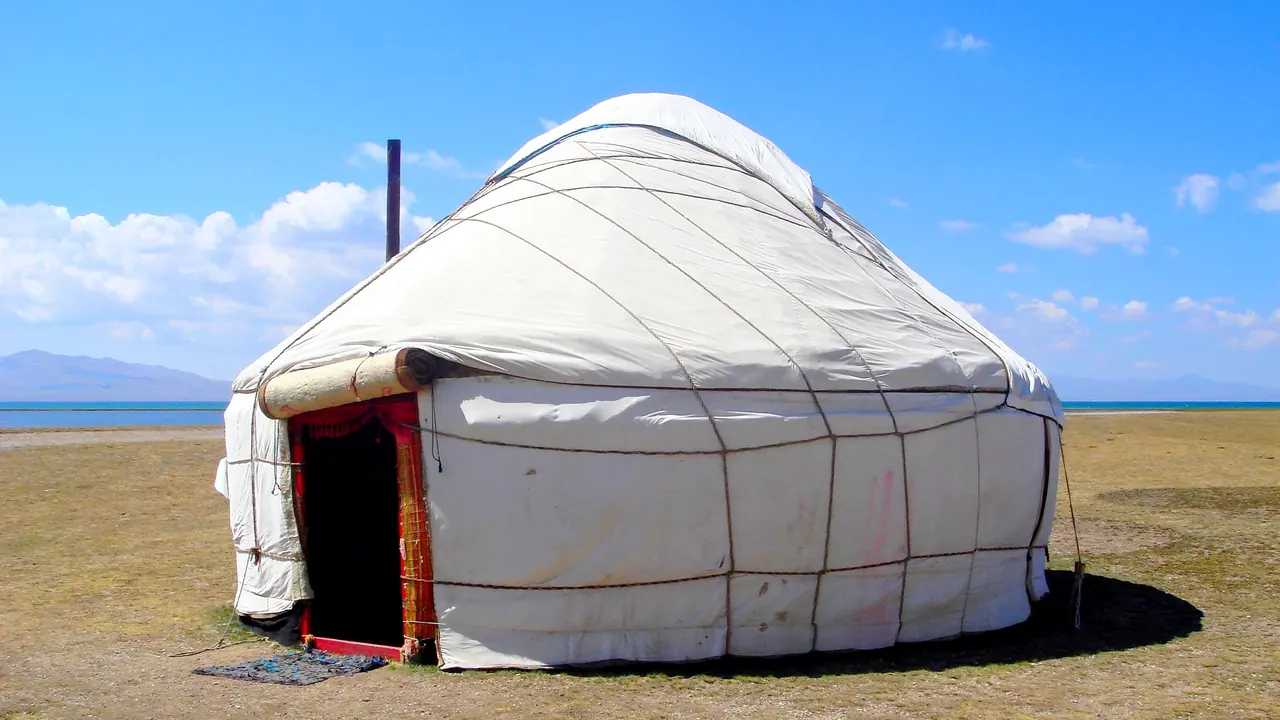
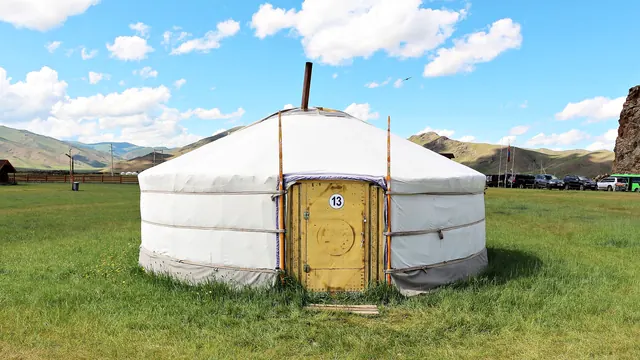
A Kyrgyz yurt beside Song-Köl lake
- Nature & outdoors88
- Affordability88
- Wellness & relaxation40
Photo: Ondřej Žváček, CC BY 2.5, cropped
Match
40
Every category weighted equally
- Beach & sun43
- Culture & arts36
- Food & nightlife36
- Family trip44
- Outdoors47
- Relax & unwind44
- Shopping & style36
- On a budget45
Kyrgyzstan in twelve categories
Our verdict on the country as a whole, scored 0 to 100 against the same fixed benchmark cities as every destination, so a score means the same thing on every page.
Beaches & swimming. Scores 35 out of 100.
Food & drink. Scores 38 out of 100.
Culture & sights. Scores 35 out of 100.
Nightlife. Scores 22 out of 100.
Nature & outdoors. Scores 88 out of 100.
Day trips. Scores 25 out of 100.
Good for families. Scores 26 out of 100.
Getting around. Scores 25 out of 100.
Shopping & style. Scores 32 out of 100.
Affordability. Scores 88 out of 100.
Live music & performing arts. Scores 28 out of 100.
Wellness & relaxation. Scores 40 out of 100.
Kyrgyzstan category by category
Under each: where in Kyrgyzstan it is best, and our destinations in Kyrgyzstan that score highest on it.
Beaches & swimming
35Kyrgyzstan has no sea, but it has Issyk-Kul, a huge mountain lake at about 1,600m that never freezes and draws families from across Central Asia in high summer. The north shore around Cholpon-Ata and Bosteri is the resort strip, with sandy beaches, piers and large lakeside resort complexes. The south shore, around Tamga and Bokonbaevo, is quieter and wilder, with small beaches below red hills and snowy peaks.
The water is clear and slightly salty, and it warms to around 20-22°C only from July to late August. Outside those weeks swimming is brisk at best. It is a pleasant way to spend a few days of a mountain trip, not a reason to come for the beach.
Where: Cholpon-Ata, Bosteri, Tamga
Food & drink
38Cooking here is built on mutton, noodles, bread and dairy. Beshbarmak, lagman, manty, samsa from tandoor ovens and plov are everywhere, along with kymyz, fermented mare's milk sold at roadside yurts in summer. Osh, in the south, has the richest cooking, close to the Uzbek tradition, with plov cooked in huge cauldrons and the Jayma bazaar for bread, fruit and spices. Karakol adds Dungan dishes such as ashlyam-fu, a cold spicy noodle soup.
Bishkek has the widest choice, with Turkish, Georgian, Russian and Central Asian restaurants and a decent café scene. Beyond the cities, food is plain guesthouse and yurt-camp cooking. Vegetarians and anyone after variety will find it limited.
Culture & sights
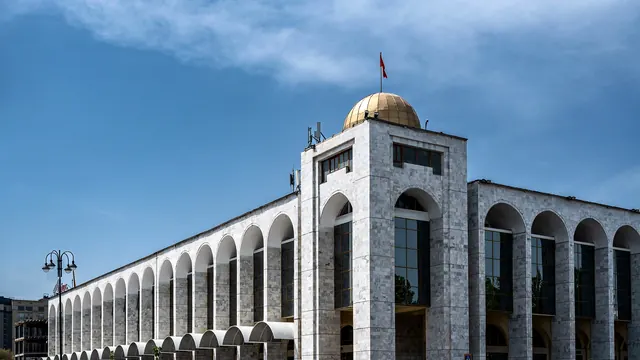
35Heritage in Kyrgyzstan is thin on the ground and far apart, the legacy of a nomadic people who built little in stone. The strongest sites lie on the Silk Road. In Osh, Sulaiman-Too is a sacred mountain rising from the middle of the city, with shrines and a museum cut into the rock. In the Chui valley the Burana tower stands beside a field of balbal stone figures. Above the town of At-Bashy, the 15th-century stone caravanserai of Tash Rabat sits alone in a remote valley near the Chinese border, and the Karakhanid minaret and mausoleums of Uzgen lie east of Osh.
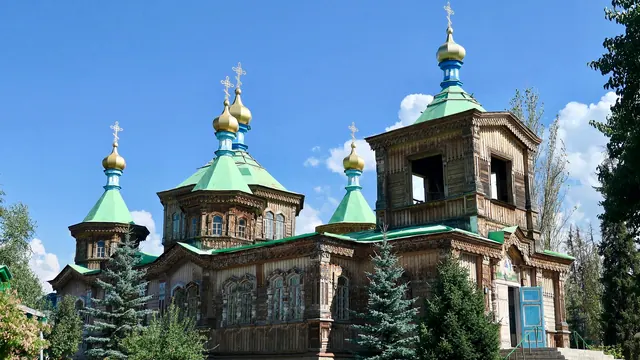
Karakol has a wooden Dungan mosque built without nails and an Orthodox cathedral of the same material, and the open-air petroglyphs at Cholpon-Ata date back thousands of years. Bishkek offers broad Soviet squares, monuments and a national history museum. Nomadic culture is best seen in yurt camps and festivals rather than museums.
Where: Osh, Chui valley, At-Bashy, Karakol
Nightlife
22Going out happens in Bishkek and almost nowhere else. The capital has cocktail and craft beer bars, karaoke rooms, lounge bars and a handful of clubs that run late at weekends, mostly in the centre around Chuy Avenue. In high summer, Cholpon-Ata on the north shore of Issyk-Kul adds open-air discos and beach bars full of summer visitors from Kazakhstan and Russia. It is loud for a few weeks and empty the rest of the year. Osh is far quieter and more conservative, and Karakol offers little beyond a beer with dinner. Most travellers here are trekking, and the evening ends early round a yurt-camp stove.
Where: Bishkek, Cholpon-Ata
Nature & outdoors
88Mountains cover almost the whole country, and this is why most people come. The Tian Shan ranges around Karakol hold the classic treks, through Altyn-Arashan and over the Ala-Kul pass above a turquoise glacial lake, with the red cliffs of Jeti-Oguz and Skazka canyon nearby. Song-Kol, a high lake ringed by summer pastures, is the place for horse trekking and yurt stays among herders. Ala-Archa national park is under an hour from Bishkek, with glaciers and steep valleys.
The south has the Alay valley beneath Lenin Peak and the walnut forests and lakes of Sary-Chelek. The season for trekking runs from June to September; winter brings skiing near Karakol and snow-bound passes. Trails are rarely marked, so guides and horses are common.
Where: Karakol and the Terskey Ala-Too, Song-Kol, Ala-Archa National Park, Alay Valley
Day trips
25Outings to towns and heritage sites are few, because the country's appeal lies in its valleys rather than its places. From Bishkek the Burana tower and its balbal stones make an easy half day. From Osh, the old minaret and mausoleums of Uzgen are about an hour and a half away. From Karakol, the Przhevalsky memorial and museum on the lakeshore and the petroglyph field at Cholpon-Ata are the main stops. Almost every other excursion is into the mountains, and the neighbouring cities across the borders lie beyond an easy day.
Where: Burana Tower, Uzgen, Cholpon-Ata
Good for families
26Kyrgyzstan suits adventurous families with older children who like riding, camping and sleeping in yurts. Children are welcomed warmly everywhere. The north shore of Issyk-Kul is the easiest base with younger ones, with sandy beaches, shallow water and summer resort amusements. Song-Kol, a high lake ringed by pastures, gives older children gentle horse rides and nights in herders' yurts, though at about 3,000m the altitude and cold nights need care. Bishkek has leafy parks with old fairground rides, which fill a day at the start or end of a trip.
Beyond that, little is made for children: few playgrounds or museums aimed at them, long drives on winding mountain roads and basic sanitation in camps.
Where: Issyk-Kul, Song-Kol, Bishkek
Getting around
25The country has almost no passenger railway, so travel is by road. Minibuses and shared taxis connect Bishkek with Karakol, Naryn and Osh, leaving when full from bus stations. Around Issyk-Kul the road circles the lake, and minibuses run along both shores between Cholpon-Ata, Karakol and the southern villages, which makes the lake the easiest region to cover without a car. Karakol is the hub for the eastern valleys, but its trailheads, like most lakes and valleys in the country, need a hired car with driver, a 4x4 or a tour.
Distances are long and slow: the mountain road from Bishkek to Osh takes most of a day, so many travellers fly between the two. Bishkek itself has buses and cheap ride-hailing, while high passes can close in winter.
Shopping & style
32Shopping here means bazaars and felt. Bishkek's Osh Bazaar is a sprawling market of spices, dried fruit, textiles and household goods, and the vast Dordoi market on the city's edge is a wholesale world of containers. Osh's Jayma bazaar is older and livelier. The craft to buy is felt: shyrdak carpets stitched in bold patterns, kalpak hats and smaller pieces, sold by women's cooperatives in Kochkor and around Issyk-Kul as well as in Bishkek. Beyond this, fashion and design shopping barely exists.
Where: Bishkek, Osh, Kochkor
Affordability
88Kyrgyzstan is one of the cheapest countries to travel in Central Asia. Guesthouses and family homestays in Karakol, Kochkor and the villages, yurt camps at Song-Kol and meals in local cafés all cost very little, and shared taxis and minibuses between towns are cheap. Osh is cheaper still, with simple guesthouses near the bazaar and plov and bread for very little. Bishkek has mid-range hotels and restaurants at modest prices. The largest expense is getting to the remote places: a private driver, a 4x4, a horse guide or an organised trek, which small groups can share.
Where: Karakol, Kochkor, Song-Kol, Osh
Live music & performing arts
28Formal performance lives in Bishkek, where the Soviet-built opera and ballet theatre stages classical repertoire during its season and the philharmonic hall hosts concerts. The distinctive tradition is oral and musical: manaschi who recite the Manas epic from memory, and the three-stringed komuz, which visitors are most likely to hear in folk performances in yurt camps, at festivals or at the national horse games. Elsewhere in the country there is very little to attend.
Where: Bishkek
Wellness & relaxation
40Kyrgyzstan has a hot-spring and sanatorium tradition inherited from Soviet times. The best-loved soak is at Altyn-Arashan, a valley above Karakol where simple wooden bathhouses sit on radon springs reached on foot or by 4x4. Ak-Suu, Jeti-Oguz and Issyk-Ata near Bishkek have older health resorts with thermal pools, and the north shore of Issyk-Kul is lined with sanatoriums offering mud and mineral treatments. All of it is basic and plain rather than polished.
The real rest here is the pace of the high pastures: quiet nights in a yurt, no signal and herders' days. Modern spas are limited to a few Bishkek and lakeside hotels.
Where: Altyn-Arashan, Issyk-Kul north shore, Karakol, Issyk-Ata
Where to go in Kyrgyzstan
Most trips to Kyrgyzstan are mountain trips, and the north holds the classic route. Bishkek is where most visitors arrive and the only real city stay, with broad Soviet squares, the opera and ballet theatre, Osh Bazaar and nearly all of the country's nightlife. Ala-Archa national park, under an hour away, makes a first day's walk among glaciers, and the Burana tower is an easy half day out. A day or two is enough before heading east.
Issyk-Kul fits into the same trip, a few hours' drive away. The north shore around Cholpon-Ata and Bosteri suits families and beach days in July and August, with sandy beaches, sanatoriums and old petroglyphs. The south shore around Tamga is quieter, with small beaches below red hills. Karakol, at the eastern end, is the base for walking: treks through Altyn-Arashan, with its hot-spring bathhouses, and over the Ala-Kul pass, plus Jeti-Oguz and Skazka canyon nearby, a wooden Dungan mosque and Dungan noodles in town. Minibuses circle the lake, so this is the easiest region to cover without a car.
In the centre, Kochkor has felt cooperatives and homestays and is the way up to Song-Kol, the place for horse trekking and nights in herders' yurts. It suits older children well, though the cold at about 3,000m needs care. Further south, the caravanserai of Tash Rabat sits alone above At-Bashy. Both join the northern loop but need a hired car with driver or a tour.
The south is a trip of its own. The mountain road from Bishkek to Osh takes most of a day, so many people fly. Osh has the sacred mountain of Sulaiman-Too, the Jayma bazaar, the best plov and the cheapest stays, with Uzgen's minaret about an hour and a half away. Beyond lie the Alay valley beneath Lenin Peak and the walnut forests of Sary-Chelek, all best from June to September.
When should you go?
Kyrgyzstan has no single climate. Its months are measured at Bishkek and Karakol; pick one to see it. The figures are measured averages, not a forecast.
Where in Kyrgyzstan
Bishkek in July
Daytime high, °C
Rainfall in the month, mm
Temperature and rainfall are climate normals, averaged over the years shown. Bishkek: 1991-2020 normals, Bishkek (3.3 km from centre).
Compare Kyrgyzstan with
Every comparison with a written verdict behind it, and any other country below.
Our destinations in Kyrgyzstan
Every place in Kyrgyzstan with its own page: its twelve scores, its texts and its months.