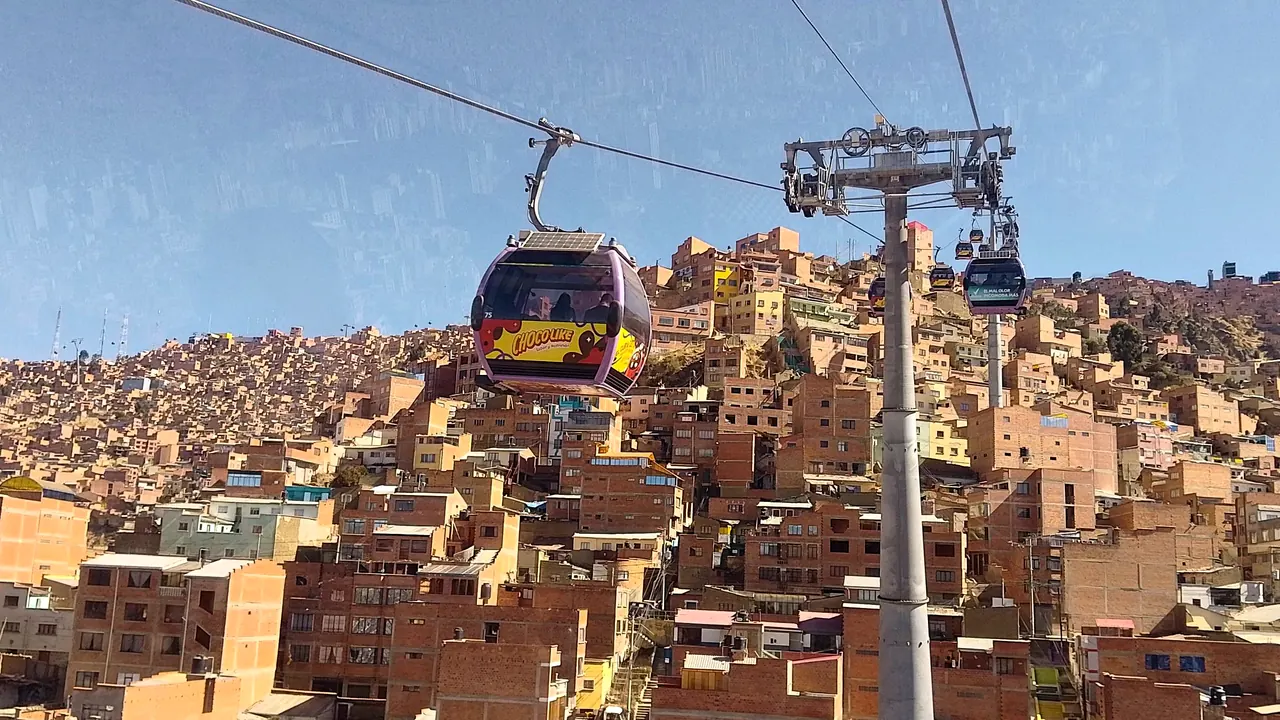
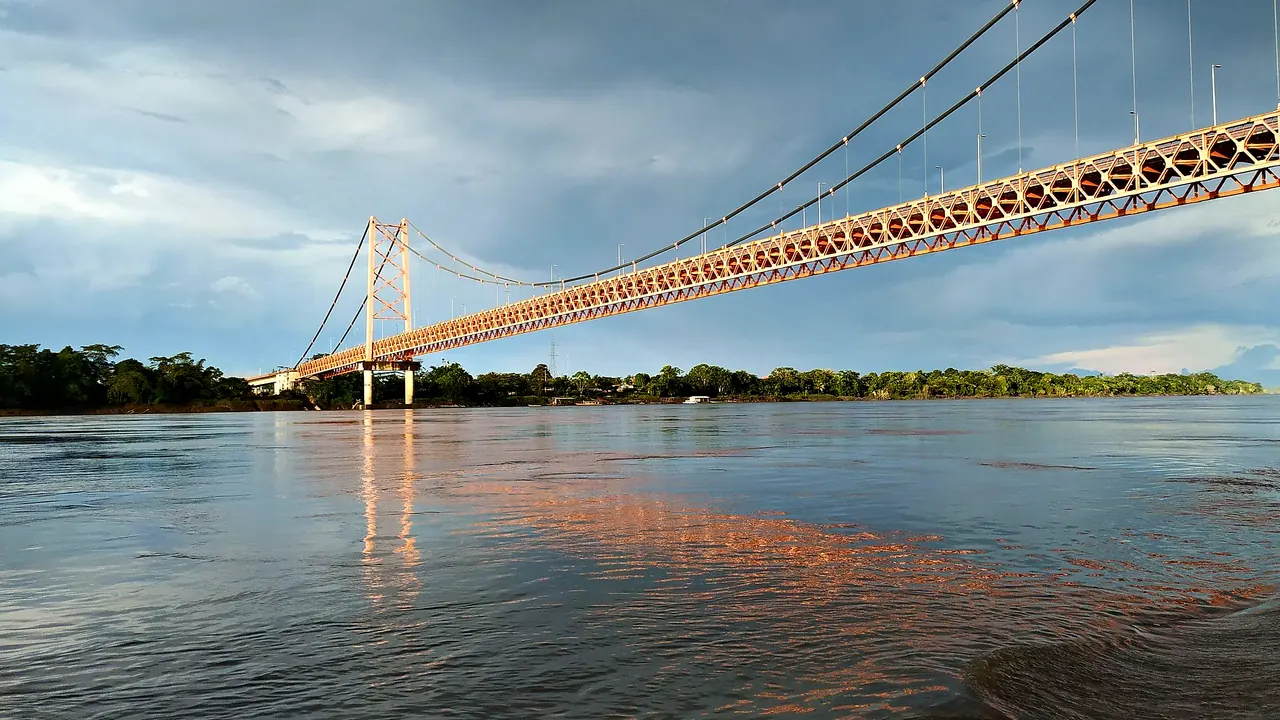
Photos: La Paz by Arabsalam, CC BY 4.0, cropped; Puerto Maldonado by FERNANDO HUAMANI, Pexels License.
La Paz or Puerto Maldonado?
Our verdict in twelve categories, each scored against the same fixed benchmark cities, and the climate month by month, so you can choose for your trip.
Choose La Paz for
- culture and sights
- shopping
- day trips
La Paz suits travellers who want a city with real character as well as dramatic scenery. It has colonial churches, Andean markets, cholitas, cable cars, peñas and Sopocachi bars, with glaciers, the Death Road ride and the ruins of Tiwanaku all within a day. It is also much kinder to the budget. The cost is the altitude, which rules it out for most families with small children.
Choose Puerto Maldonado for
- families
- wellness
- nature and the outdoors
Puerto Maldonado is for people who come for the rainforest and little else. The town is a stopover, and the trip itself is a river lodge in Tambopata: otters on Lake Sandoval, macaws at the clay licks and nights in a hammock listening to the forest. Expect heat, insects and a lodge package that becomes the main expense. In return you get a quieter, more restful stay, and older children who love animals will find it easier going than the thin air of La Paz.
Scoreboard
Twelve categories on one fixed scale from 0 to 100. The shaded stretch is the gap between the two.
Your match
Pick a travel style or drag the sliders, and both match scores follow your weighting.
Wins on culture and sights and shopping with your weighting.
Wins on families and wellness with your weighting.
What matters to you?
Category by category
What the scores mean for a trip.
Beaches & swimming
Neither city has a swim worth planning around, but for different reasons. La Paz is high and cold, and Lake Titicaca, two hours away, is a lake for boat trips and views, not swimming.
Puerto Maldonado's rivers are warm but brown and fast. The only dips are at dry-season sandbanks or oxbow lakes, and only where lodge guides judge the caimans and stingrays a safe distance away. In both places, the realistic option is a hotel pool.
Food & drink
La Paz has more to eat. A street breakfast of api and pastries, the mid-morning salteña, anticucho grills on corners and markets piled with potatoes and Yungas fruit give real variety. A handful of restaurants in Sopocachi cook ambitious Bolivian food, with Tarija wine and singani to go with it.
Puerto Maldonado's cooking is distinctive but narrow: juane, tacacho, river fish grilled in leaves, aguaje and camu camu juices, and Brazil nuts in every form. Most visitors eat set meals at their lodge, which leaves little room to explore.
Culture & sights
The gap here is wide. La Paz has the mestizo baroque of San Francisco, the cobbled colonial lane of Calle Jaén, and strong art and ethnography museums. Its street life adds cholitas, ritual offerings in the Witches' Market and the decorated cholets of El Alto.
Puerto Maldonado is a frontier town built on rubber, gold and Brazil nuts. Its plaza, the Obelisco tower and the suspension bridge fill an afternoon at most, and people go for the forest, not the town.
Nightlife
La Paz has a modest but real night out: small bars and cocktail places in Sopocachi, traveller bars around Sagárnaga and weekend clubs in the southern zone. Cold nights and the altitude keep most evenings short. Puerto Maldonado's cumbia discotecas and karaoke bars are for locals, and most visitors are back at a lodge by dark, where the evening means a caiman walk and an early bed.
Nature & outdoors
Both are excellent bases for the outdoors, and the difference is mountains against jungle. La Paz has Illimani above the city, the glaciers of the Cordillera Real, Huayna Potosí for climbers, the Valle de la Luna and the bike ride down the Death Road. You need a few days to adjust to the thin air first.
Puerto Maldonado edges ahead for wildlife. Tambopata and Bahuaja-Sonene are lowland rainforest reached by canoe, with giant otters on Lake Sandoval, macaws at the clay licks and canopy towers. The ground is flat and humid, and it asks for patience rather than fitness.
Day trips
La Paz has the one great excursion between the two: Tiwanaku, a pre-Inca site about an hour and a half away. El Alto's markets make an easy half-day, while Lake Titicaca and Coroico work better with an overnight stay. From Puerto Maldonado the roads lead only into cattle land and mining country, so every outing is a river trip into the forest.
Good for families
Neither is easy with young children, but Puerto Maldonado has more to offer them. Older children who love animals get monkeys, caimans by torchlight and tarantulas on night walks, and some lodges keep the walks short. The heat, insects, recommended vaccinations and basic medical care all need planning.
La Paz is harder. Altitude sickness is a real risk for small children from the moment they land, and with steep streets and heavy traffic, the cable cars and the zoo at Mallasa are the main treats. Teenagers who cope with the altitude fare much better.
Getting around
La Paz is easier to move around thanks to Mi Teleférico, whose cable cars link the centre, the southern suburbs and El Alto, with cheap taxis for everything else. The drawbacks are steep streets at altitude and daily traffic jams. In Puerto Maldonado a mototaxi covers any trip in town, and beyond it the lodges take you everywhere by boat, which is simple but leaves little room to explore on your own.
Shopping & style
La Paz is a proper market city, with alpaca knitwear, woven textiles, silver and musical instruments around Sagárnaga, plus the Witches' Market and the huge 16 de Julio fair in El Alto. There is no luxury shopping. Puerto Maldonado sells Brazil nuts, nut sweets and a few stalls of seed jewellery and carvings, enough for a small gift and no more.
Affordability
La Paz is the cheaper trip by a clear margin. Hotels, market lunches, taxis and cable-car rides cost very little, and only guided climbs, the Death Road ride or a smart dinner add much to the bill.
Puerto Maldonado's town is cheap too, but nobody comes for the town. The all-inclusive lodge stay is the main expense, and it gets dearer the further upriver you go. Lodges near town and day visits to Lake Sandoval keep the cost down.
Live music & performing arts
La Paz has a real performance life built on folk traditions. There are peñas with charangos, panpipes and diablada dancers, a modest programme at the historic Teatro Municipal, and the huge street parade of Gran Poder. Puerto Maldonado has no theatre or concerts at all, only the occasional festival dance on the plaza or a little music at a lodge.
Wellness & relaxation
Puerto Maldonado is the more restful of the two, though neither has a spa culture. A river lodge with hammocks, no traffic and forest sounds at night makes a calm break between dawn walks, even if the heat and insects get in the way of lounging.
La Paz works against relaxation, with noise, exhaust fumes and poor sleep at altitude, and coca tea and an early night as the usual remedy. The leafy streets of Sopocachi and the Urmiri hot springs, two hours away, are the calmest options.
When should you go?
Pick your month. The climate figures are measured averages, not a forecast.
La Paz in July
Puerto Maldonado in July
Daytime high, °C
Rainfall in the month, mm
Where the figures come from
La Paz has no weather station within reach, so its figures come from a gridded climate model rather than a measured record, and read a broad area rather than one spot.
Temperature and rainfall are climate normals, averaged over the years shown. La Paz: 2001-2020 normals, NASA POWER reanalysis grid, no weather station within 90 km. Puerto Maldonado: 1963-2025, 28 years observed (rainfall 1981-2010) normals, Puerto Maldonado (4.1 km from centre).
The temperature in La Paz barely changes through the year. Days stay around 14°C, so walking the steep streets is comfortable in any month, though the nights are cold. What changes is the rain. From December to February there are frequent showers, while May to September is almost dry, with June falling to about 9mm. Those dry months also bring the clearest mountain views.
Puerto Maldonado is hot all year, with highs of 30°C to 34°C, and September is the hottest month. The wet season is heavy, peaking at around 315mm in January and February, when the rivers rise and the trails turn to mud. June to August is the driest stretch and the easiest time for forest walks. Both cities are at their best in the middle of the year, so they combine well on one trip.
Which traveller are you?
On a culture and arts trip, La Paz is the clear choice. Colonial churches, the masks and textiles of the ethnography museum, folk peñas at night and the Gran Poder parade fill whole days. Puerto Maldonado has a plaza, a viewing tower and a bridge.
For a trip on a tight budget, La Paz makes your money go further. Market lunches, salteñas, taxis and cable-car rides cost little, and Tiwanaku is a cheap day out. Puerto Maldonado's town is inexpensive, but the lodge stay that is the reason for going is not.
On a family trip with children, the choice is between thin air and jungle heat. La Paz lands you at about 4,000m, which suits teenagers who acclimatise well rather than small children. In Puerto Maldonado, a short stay at a lodge near town, with vaccinations arranged before you leave, is the gentler plan.
Before you go
| Measure | La Paz | Puerto Maldonado |
|---|---|---|
| Official language | Spanish, Aymara, Quechua, Guarani | Spanish, Aymara, Quechua |
| Currency | Boliviano (BOB) | Sol (PEN) |
| Sockets | AC50 Hz | ABC220 V, 60 Hz |
| Driving side | Right | Right |
| Time zone | UTC-4 | UTC-5 |
| Emergency number | 911 | 111 or 911 |
| Elevation | 3,640 m | 183 m |
| Main airport | El Alto International Airport (LPB)6 km from centre12 non-stop destinations | Padre Aldamiz International Airport (PEM)5 km from centre2 non-stop destinations |
| Public holidays this year | 12 days | 17 days |
By the numbers
| Measure | La Paz | Puerto Maldonado |
|---|---|---|
| Population | 755,732 | 85,024 |
| People per km² | 1,601 | - |
| Museums within 10 km | 21 | 0 |
| UNESCO World Heritage sites within 50 km | 1 | 0 |
Where else could you go?
Every comparison below shares a destination with this one, so you can follow La Paz or Puerto Maldonado somewhere new.
- Punovs La Paz
- Cuscovs Puerto Maldonado
- Arequipavs La Paz
- Punovs Puerto Maldonado
- Sucrevs La Paz
- Arequipavs Puerto Maldonado