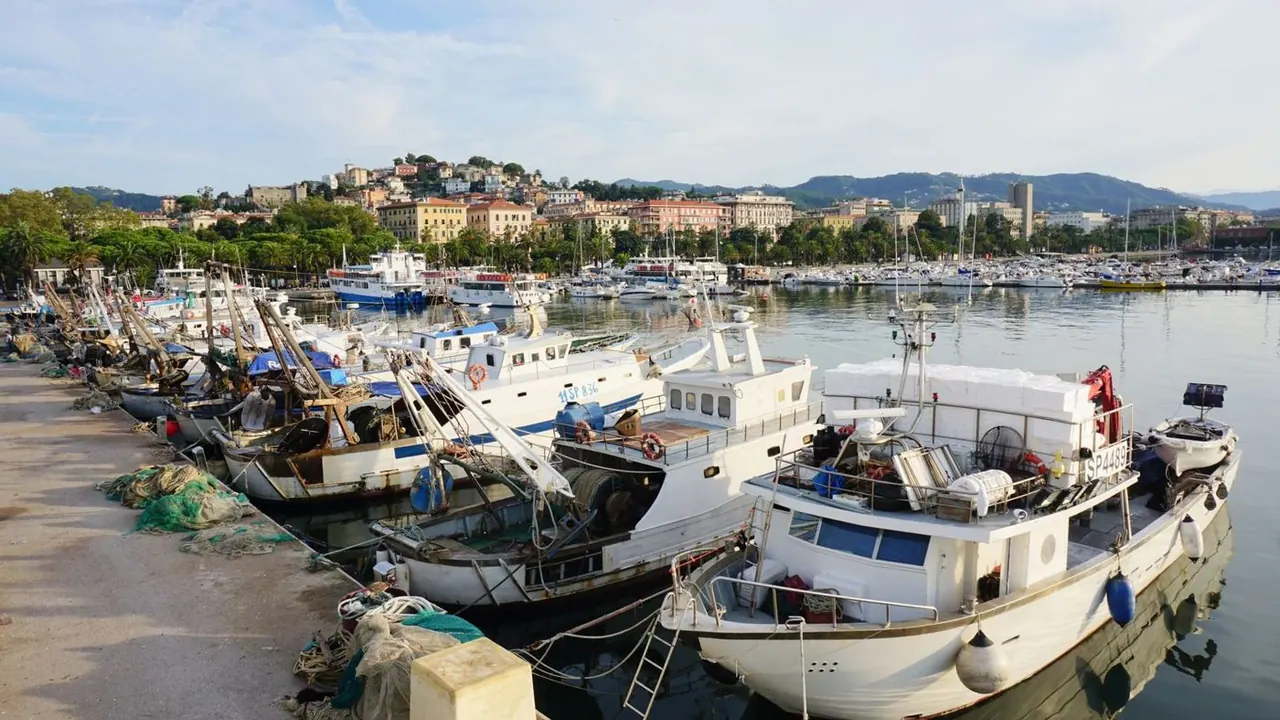
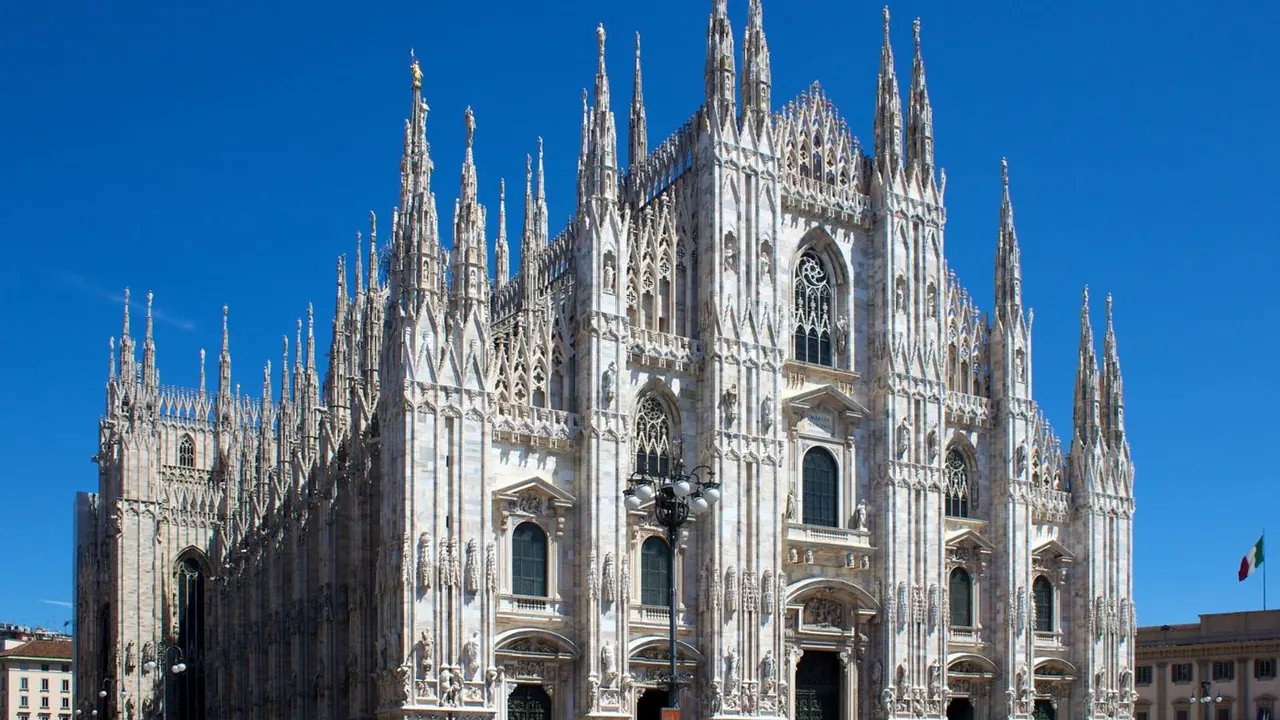
Photos: La Spezia by Irina Balashova, Pexels License; Milan by Jiuguang Wang, CC BY-SA 3.0, cropped.
La Spezia or Milan?
Our verdict in twelve categories, each scored against the same fixed benchmark cities, and the climate month by month, so you can choose for your trip.
Choose La Spezia for
- beaches
- prices
- nature and the outdoors
La Spezia is the pick for a trip built around coast and cliffs. It is a practical, unpretentious base for the Cinque Terre, Portovenere and the coves of the gulf, with swimming and some of Italy's finest coastal walking a short train or boat ride away. Rooms cost less than in the villages, and evenings are early and quiet. It suits walkers, swimmers and anyone happy to trade city sights for scenery.
Choose Milan for
- shopping
- live music and the arts
- culture and sights
Travellers who want a big city should choose Milan. Fashion, La Scala, the Duomo and the Last Supper, serious restaurants and a long night out along the Navigli give it far more to fill the hours. It costs more and has no sea, but fast trains put the lakes, Verona and Bergamo within easy reach, so it rewards a culture and shopping trip with lake days added.
Scoreboard
Twelve categories on one fixed scale from 0 to 100. The shaded stretch is the gap between the two.
Your match
Pick a travel style or drag the sliders, and both match scores follow your weighting.
Wins on beaches and prices with your weighting.
Wins on shopping and live music and the arts with your weighting.
What matters to you?
Category by category
What the scores mean for a trip.
Beaches & swimming
Neither city has a beach in town, but La Spezia is far closer to the sea. Within a short bus, boat or train ride are the sheltered sand and pebble of Lerici and San Terenzo, the coves of Fiascherino and Tellaro, rocky swims at Portovenere and Palmaria, and Monterosso's sandy stretch. Expect small beaches, many of them pebbly or paid.
Milan's swimming is a matter of lakes and pools: the Idroscalo basin near Linate, the open-air city pools, or pebbly lidos on Como and Maggiore an hour away. The sea is roughly two hours off, so a beach day takes real planning.
Food & drink
Milan eats better and more widely. Saffron risotto, ossobuco and cotoletta sit alongside good food from every Italian region and a real fine-dining tier, with historic pasticcerie and the aperitivo ritual of the Navigli and Brera filling the rest of the day.
La Spezia is simpler and more local: farinata from wood ovens, mesciua soup, pesto on trofie and testaroli, and the gulf's stuffed mussels, with Cinque Terre whites to drink. It is honest port cooking, steadier in price than the villages but short on range.
Culture & sights
Milan has the major sights: the marble Duomo and its rooftop, Leonardo's Last Supper, the Brera gallery, the Rondanini Pietà in the Castello Sforzesco and Sant'Ambrogio. Its heritage comes in clusters among modern streets, but the clusters are first-rate.
La Spezia is a nineteenth-century naval town of arcaded avenues rather than an old centre. The Museo Amedeo Lia's early Italian paintings and the stele statues in Castello San Giorgio are rewarding, but the region's real history lies out at Portovenere, Sarzana and Luni.
Nightlife
Both cities start the evening with aperitivo, but only Milan carries on. The canal-side bars of the Navigli, quieter Brera, relaxed Isola and Porta Venezia, which is also the city's gay quarter, lead on to dressy clubs around Corso Como and warehouse nights further out.
In La Spezia the spritz crowd on Via del Prione and the summer waterfront at Lerici are most of what there is. The town goes to bed early, and so do visitors facing a morning on the trails.
Nature & outdoors
Landscape is La Spezia's strength. Terraced cliffs of the Cinque Terre national park, with the Sentiero Azzurro and quieter ridge paths, start minutes from town, and Palmaria's fort walk, the Montemarcello park, kayaking and diving in the gulf are close too. The marble peaks of the Apuan Alps are an hour inland.
From Milan the scenery begins only after a train ride across the flat Po plain. Lake Como, Lake Maggiore and the Grigne ridges reward the effort, with sailing, via ferrata and winter skiing further off, but in the city itself there are only parks and canal towpaths.
Day trips
Both towns are excellent bases, but the outings differ in kind. From La Spezia they are short and coastal: the five Cinque Terre villages minutes away by local train, Portovenere by bus or boat, walled Sarzana and Roman Luni inland, and Pisa and Lucca about an hour off.\n\nMilan's high-speed lines reach further and in more directions. Verona, Turin, Bergamo's upper town and the villages of Lake Como are all around an hour away, and the Certosa di Pavia, Mantua, Cremona and Lugano add more. The choice is between villages and coves, or historic cities and lakes.
Good for families
La Spezia suits families whose children are happiest by the water. A boat out past Portovenere's harbour and round Palmaria, or a morning in the shallow, sheltered bays of San Terenzo and Lerici, makes a good day at most ages, and the level streets by the seafront gardens are gentle on small legs. Beyond the sea, though, little here is made for children. The stepped lanes of the Cinque Terre and its packed summer trains are better tackled with older ones.
Milan gives a family more to fill the days, especially when the weather turns. The science and technology museum, with its submarine, trains and hands-on labs, and the small aquarium beside the playgrounds of Parco Sempione cover a wet afternoon, and Leolandia and Gardaland offer older children a theme-park day the Ligurian coast cannot match. Trams and the metro make moving about with children easy, but the summer humidity is heavy and the headline sights are aimed at adults.
Getting around
Both centres are flat and walkable. Milan adds a simple five-line metro and dense trams, including the old orange cars, so moving about the wider city takes no thought. Its weak spots are the long Malpensa transfer and heat underground.
La Spezia relies on its feet, local buses and regional trains. That works well for reaching the coast, with seasonal ferries as a scenic extra, but the Cinque Terre trains and platforms are crushed in summer.
Shopping & style
Milan is a world fashion capital, with the great houses on Via Montenapoleone and Via della Spiga, the Galleria and La Rinascente, plus design showrooms, Brera boutiques and Navigli antique markets.
La Spezia offers chain stores along Via del Prione and the Piazza Cavour market. The best things to take home are pesto, oil, wine and anchovies.
Affordability
La Spezia is the cheaper stay. Rooms cost less than in the Cinque Terre villages, farinata and trattorias are fair value, and local trains are inexpensive, though park passes, boat trips and bathing establishments add up in summer.
Milan is Italy's dearest city, with costly hotels that become scarce during trade fairs and fashion weeks. Aperitivo snacks, office-lunch set menus and staying out along a metro line soften the bill.
Live music & performing arts
Milan has La Scala, whose opera and ballet season opens each December on Sant'Ambrogio, along with the Piccolo Teatro, a symphony orchestra, jazz rooms and big summer concerts at San Siro.
La Spezia's Teatro Civico and Sarzana's small Impavidi give a modest season, livened in summer by a jazz festival and concerts in piazzas and castle courtyards. For opera, people go to Genoa or Pisa.
Wellness & relaxation
Milan has the edge in actual facilities: a thermal spa complex with outdoor pools near the centre, good hotel spas and the 1930s Bagni Misteriosi pools in summer. The calm, though, is found at the lakes.
La Spezia offers rest of a slower, outdoor kind: long lunches in Tellaro, quiet Palmaria and off-season seafront evenings. Its only thermal baths are at Equi Terme, an hour inland.
When should you go?
Pick your month. The climate figures are measured averages, not a forecast.
La Spezia in July
Milan in July
Daytime high, °C
Rainfall in the month, mm
Where the figures come from
La Spezia's temperatures are measured 65 km from the centre, at Pisa / S. Giusto.
La Spezia has no rain gauge within 25 km of the centre, so its rainfall comes from a gridded climate dataset read at the city rather than from a gauge further away.
Milan has no rain gauge within 25 km of the centre, so its rainfall comes from a gridded climate dataset read at the city rather than from a gauge further away.
Milan's sunshine is measured 41 km from the centre, at Novara / Cameri.
Temperature and rainfall are climate normals, averaged over the years shown. La Spezia: 1991-2020 normals, Pisa / S. Giusto (64.8 km from centre). Milan: 1991-2020 normals, Milano / Linate (8 km from centre).
La Spezia has the more useful summer for a coastal trip. From June to September daytime highs sit in the high twenties and the sea is warm enough to swim comfortably, peaking at about 25°C in August. The settled, sunny stretch runs from May to August, and then the rain arrives hard: October and November are the wettest months, at over 150mm each. Spring and early autumn are the best times to walk the trails, since July and August reach 30°C on exposed paths.
Milan has colder winters, with January highs around 7°C, and fewer hours of sun all year. Its rain is spread more evenly, with a wet May as well as a wet autumn. The heat of July and August is heavy in the streets. April, May, September and early October are the pleasant months for walking the city, while La Spezia stays a few degrees milder through the winter.
Which traveller are you?
On a beach and sun trip, La Spezia is clearly better. The sheltered sands of Lerici and San Terenzo, the clear rocky water off Palmaria and Monterosso's long beach are all close, while landlocked Milan offers only the Idroscalo, city pools and lake lidos an hour away.
For a shopping trip, Milan has no real rival here. The flagships of the Quadrilatero della Moda, the Galleria, La Rinascente and the design showrooms make shopping a reason to go. In La Spezia it means high-street chains and edible souvenirs like pesto and Sciacchetrà.
On a culture and arts trip, Milan is the stronger choice. It has the Duomo, the Last Supper, the Brera collection and an opera season at La Scala. La Spezia's Museo Amedeo Lia and naval museum fill a day or two, and its stages are mostly quiet outside summer.
Before you go
| Measure | La Spezia | Milan |
|---|---|---|
| Official language | Italian | Italian |
| Currency | Euro (EUR) | Euro (EUR) |
| Sockets | CFL230 V, 50 Hz | CFL230 V, 50 Hz |
| Driving side | Right | Right |
| Time zone | UTC+1, UTC+2 in summer | UTC+1, UTC+2 in summer |
| Emergency number | 112 | 112 |
| Elevation | 3 m | 138 m |
| Main airport | Pisa International Airport (PSA)65 km from centre82 non-stop destinations | Milan Malpensa International Airport (MXP)40 km from centre208 non-stop destinations |
| Public holidays this year | 13 days | 13 days |
By the numbers
| Measure | La Spezia | Milan |
|---|---|---|
| City population | 92,119 | 1,354,196 |
| People per km² | 1,792 | 7,453 |
| Museums within 10 km | 12 | 88 |
| UNESCO World Heritage sites within 50 km | 2 | 4 |
| Swim season, months above 21 °C | 4 months | - |
Where else could you go?
Every comparison below shares a destination with this one, so you can follow La Spezia or Milan somewhere new.