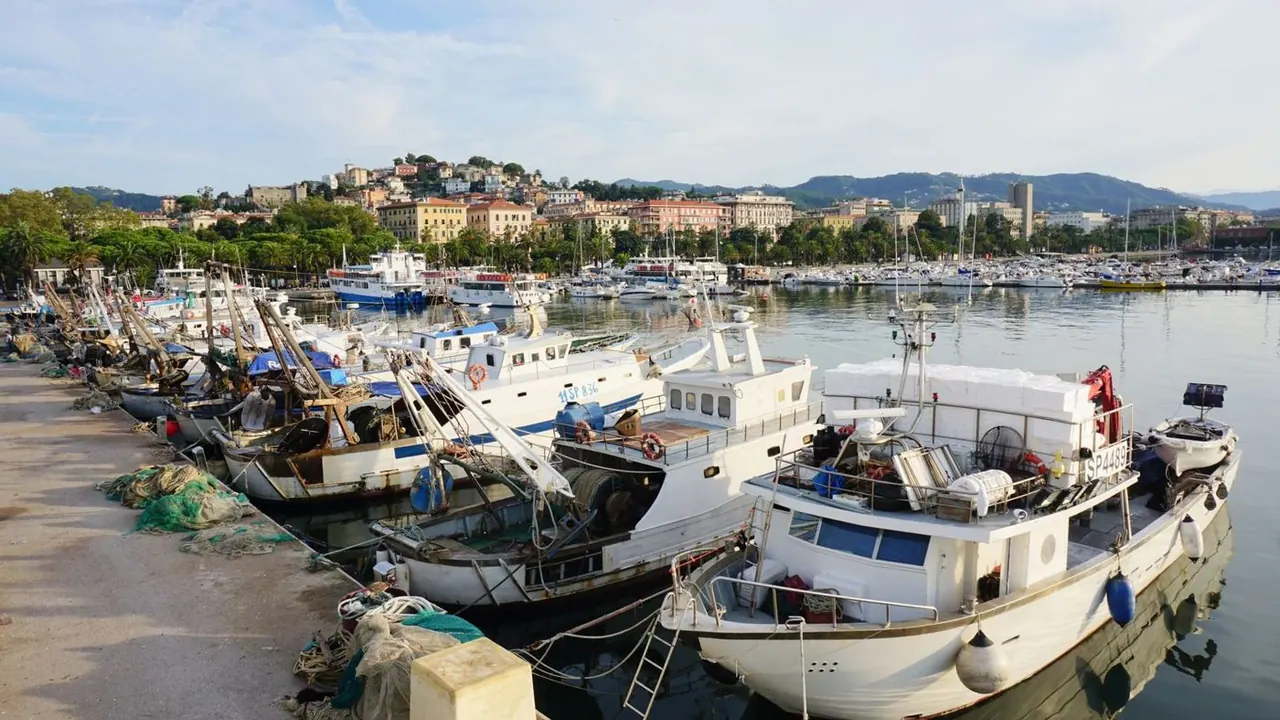
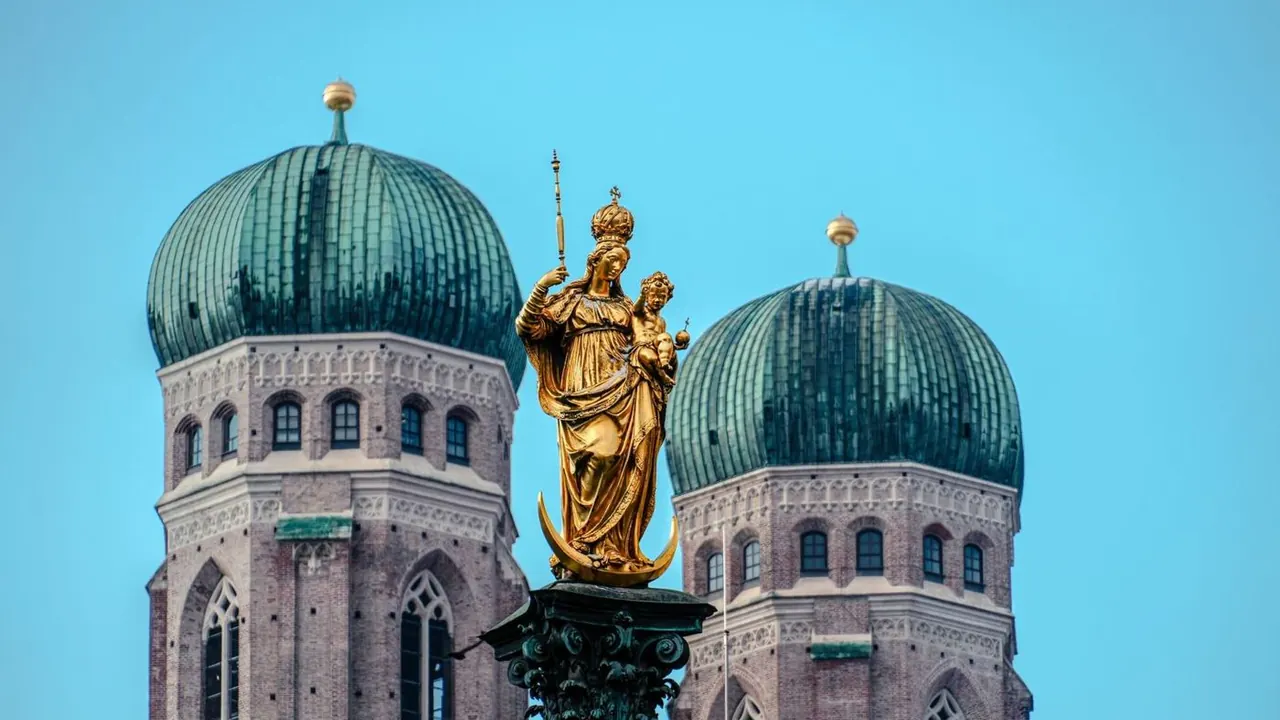
Photos: La Spezia by Irina Balashova, Pexels License; Munich by 0xd1ma, Pexels License.
La Spezia or Munich?
Our verdict in twelve categories, each scored against the same fixed benchmark cities, and the climate month by month, so you can choose for your trip.
Choose La Spezia for
- beaches
- prices
- day trips
La Spezia is the better base for a coastal trip built around walking and the sea. The Cinque Terre villages, Portovenere and the coves of the gulf are a short train, bus or boat ride away, the swimming is warm through summer, and rooms cost less than in the villages themselves. It suits walkers and couples who like quiet evenings and don't mind coming home to a modest town.
Choose Munich for
- live music and the arts
- culture and sights
- shopping
For a city that is worth the journey in its own right, choose Munich. Its royal art collections, palaces, opera and orchestras give far more to fill both days and evenings, and families get a zoo, hands-on museums and an easy transport network. It works just as well as a base for alpine walking, lake swimming and old towns such as Salzburg or Nuremberg, but expect to pay for staying in one of the dearest cities in Germany.
Scoreboard
Twelve categories on one fixed scale from 0 to 100. The shaded stretch is the gap between the two.
Your match
Pick a travel style or drag the sliders, and both match scores follow your weighting.
Wins on beaches and prices with your weighting.
Wins on live music and the arts and culture and sights with your weighting.
What matters to you?
Category by category
What the scores mean for a trip.
Beaches & swimming
Neither city has a beach on its doorstep, but La Spezia has the sea close by. The sand and pebble strips at Lerici and San Terenzo, the rocky clear-water spots at Portovenere and Palmaria and the long sandy beach at Monterosso are all a short ride away, and the water is warm from June into early October.
Munich's swimming is freshwater: the gravel banks of the Isar at the Flaucher and the alpine-fed Starnberger See and Ammersee, both reached by S-Bahn. The water is cooler and the season shorter, so a lake day is a break from sightseeing, not a seaside vacation.
Food & drink
The two are evenly matched at the table, but they could hardly be more different. La Spezia eats from the sea and the Ligurian hillsides: farinata from wood ovens, mussels from the gulf, pesto on trofie and testaroli, with Cinque Terre whites and sweet Sciacchetrà to drink. The choice stays that of a provincial port.
Munich eats around beer, in brewery halls and chestnut-shaded beer gardens, with roast pork, white sausage and pretzels, and the Viktualienmarkt for grazing. It has more fine dining and good Italian, Turkish and Balkan cooking, but its food is heavy and meaty, where La Spezia's is lighter and built on pulses, herbs and fish.
Culture & sights
Munich has far more to see. The Kunstareal alone, with the Alte Pinakothek's old masters, the Glyptothek and the Lenbachhaus, can fill several days, and then there are the Residenz, Nymphenburg Palace and the vast Deutsches Museum on its island in the Isar.
La Spezia is a nineteenth-century naval town of arcaded streets and Liberty facades, with no medieval core. The early Italian paintings at the Museo Amedeo Lia and the prehistoric stele statues in the Castello San Giorgio are worth a visit, but they make a day or two at most. Most of the area's history lies out along the coast.
Nightlife
Munich offers a much fuller night out. A beer hall can carry a whole evening, the Glockenbachviertel around Gärtnerplatz has cocktail bars and gay bars, and a few techno and house clubs run until morning at weekends, even if the overall tone is orderly.
In La Spezia the evening means the aperitivo, a spritz or a glass of Vermentino on Via del Prione or the seafront, and in summer the crowd moves to the Lerici waterfront. After that the town goes quiet, which suits visitors setting off early for the trails.
Nature & outdoors
Both are excellent for the outdoors, but the landscapes are very different. La Spezia is about sea and cliffs: terraced vineyards dropping into the water along the Cinque Terre paths, the loop walk round Palmaria, and kayaking and diving in the gulf, with the marble peaks of the Apuan Alps about an hour inland.
Munich looks to the mountains and lakes. The Zugspitze, Garmisch and Tegernsee give alpine hiking in summer and skiing in winter, and the Five Lakes suit cycling and sailing. The English Garden and the Isar paths also bring large green spaces into the city itself, which La Spezia's naval grid does not have.
Day trips
Both make outstanding bases, and the difference is in distance and variety. From La Spezia the highlights are close together and similar in kind: the five Cinque Terre villages minutes away by train, Portovenere and Lerici across the gulf, and Pisa and Lucca about an hour away.
From Munich the journeys are longer but cover far more ground: Augsburg, Nuremberg and Regensburg, Salzburg and Innsbruck across the borders, and the royal castles of Neuschwanstein and Herrenchiemsee. One gives you a dense stretch of coastline, the other a spread of old towns, palaces and mountains.
Good for families
Munich is much easier with children. The Hellabrunn zoo, the hands-on Deutsches Museum, the transport museum and the Sea Life aquarium cover wet days, beer gardens often have playgrounds, and Legoland is close enough for a longer outing.
La Spezia's centre is safe and flat, and the shallow beaches at San Terenzo and Lerici and the boat trips round Portovenere make good family days. Beyond that it has no zoo, aquarium or theme park, and the steep villages and crowded summer trains suit older children better than toddlers.
Getting around
Both centres are easy to walk and best seen without a car, but Munich's transport is in another league. The U-Bahn, S-Bahn, trams and buses form one network that reaches the palaces, the Olympic Park, the airport and the lakes, and the flat streets suit cycling.
La Spezia's strength is as a rail hub, with trains through the Cinque Terre and buses and ferries round the gulf. In summer the coastal trains and village platforms get crowded, and that is the main frustration of staying here.
Shopping & style
Munich is clearly the place for shopping. Maximilianstrasse has the luxury houses, Neuhauser Strasse and Kaufingerstrasse have the department stores, Glockenbach and Schwabing have independent boutiques, and specialist tailors sell Tracht, the dirndls and lederhosen you won't find in Liguria.
La Spezia has everyday chains and shoe shops along Via del Prione. Its best buys are things to eat and drink: pesto, olive oil, anchovies and Sciacchetrà.
Affordability
La Spezia is easier on the budget. Rooms in town cost less than in the Cinque Terre villages, farinata, focaccia and trattoria meals are fair value, and the local trains are cheap. Summer stays, trail passes and bathing establishments still add up.
Munich is Germany's most expensive city. Hotel rooms are dear all year and much dearer during the Oktoberfest and the trade fairs. Beer-hall food, free parks and lakes, and the custom of bringing a picnic to a beer garden help keep daily costs down.
Live music & performing arts
On the stage the gap is wide. Munich has the Bavarian State Opera in the National Theatre, three major orchestras, chamber opera in the rococo Cuvilliés Theatre, operetta at the Gärtnerplatztheater and a respected jazz scene. That is enough to plan your evenings around for most of the year.
La Spezia has the Teatro Civico's season of theatre and concerts, plus a long-established summer jazz festival with open-air concerts around the gulf. Outside summer there is little on, and for opera you have to travel to Genoa or Pisa.
Wellness & relaxation
Munich has a real bathing culture. There is the Art Nouveau Müller'sches Volksbad with its Roman-style steam bath, public saunas in the German textile-free custom, and the huge thermal complex at Erding, about forty minutes out.
La Spezia has no such tradition, so wellness means a hotel spa or the small thermal baths at Equi Terme, an hour inland. Its calm comes from the pace instead: a long lunch in Tellaro, or a quiet day on Palmaria away from the summer crowds.
When should you go?
Pick your month. The climate figures are measured averages, not a forecast.
La Spezia in July
Munich in July
Daytime high, °C
Rainfall in the month, mm
Where the figures come from
La Spezia's temperatures are measured 65 km from the centre, at Pisa / S. Giusto.
La Spezia has no rain gauge within 25 km of the centre, so its rainfall comes from a gridded climate dataset read at the city rather than from a gauge further away.
Temperature and rainfall are climate normals, averaged over the years shown. La Spezia: 1991-2020 normals, Pisa / S. Giusto (64.8 km from centre). Munich: 1991-2020 normals, München (1.9 km from centre).
La Spezia has the long Mediterranean summer. From June the sea is warm enough for proper swimming, reaching about 25°C in August, and July and August are hot, close to 30°C, which makes the coastal paths heavy going in the middle of the day. April to early June is the best time for walking the Cinque Terre in comfort, and so is the first part of September before the rain. Autumn turns wet, with more than 80mm in each month from September to November. Winter is mild but dull, though it is still noticeably sunnier than Munich's, and so is high summer. Only in spring are the two cities close on sunshine.
Munich is cooler and follows a different pattern. Winter is cold, with daytime highs around 4°C in January, so walking the old town then means heavy coats and short grey days. Summer is pleasantly warm rather than hot, but it is also the wettest season, with around 120mm a month from June to August, so pack for showers. Late May to September suits sightseeing and the lakes best. Spring and early autumn are mild and drier, which makes them good for walking the streets and the Alpine foothills.
Which traveller are you?
For a beach and sun trip, La Spezia is the clear pick. A warm sea through summer, plenty of sunshine and coves from Lerici to Portovenere and Monterosso within easy reach beat Munich's cool alpine lakes and the gravel banks of the Isar.
On a culture and arts trip, Munich has far more to offer. The Pinakotheken, the Residenz and Nymphenburg fill the days, and the Bavarian State Opera and three orchestras fill the evenings. La Spezia has a few museums and a summer festival.
On a family trip with young children, Munich is the gentler choice. A large zoo, a hands-on science museum, an aquarium and beer gardens with playgrounds are all on an easy transport network. La Spezia's steep villages and packed summer trains suit older children best.
Before you go
| Measure | La Spezia | Munich |
|---|---|---|
| Official language | Italian | German |
| Currency | Euro (EUR) | Euro (EUR) |
| Sockets | CFL230 V, 50 Hz | CF230 V, 50 Hz |
| Driving side | Right | Right |
| Time zone | UTC+1, UTC+2 in summer | UTC+1, UTC+2 in summer |
| Emergency number | 112 | 112 |
| Elevation | 3 m | 519 m |
| Main airport | Pisa International Airport (PSA)65 km from centre82 non-stop destinations | Munich Airport (MUC)29 km from centre210 non-stop destinations |
| Public holidays this year | 13 days | 12 days |
By the numbers
| Measure | La Spezia | Munich |
|---|---|---|
| City population | 92,119 | 1,505,036 |
| People per km² | 1,792 | 4,844 |
| Museums within 10 km | 12 | 74 |
| UNESCO World Heritage sites within 50 km | 2 | 1 |
| Swim season, months above 21 °C | 4 months | - |
Where else could you go?
Every comparison below shares a destination with this one, so you can follow La Spezia or Munich somewhere new.