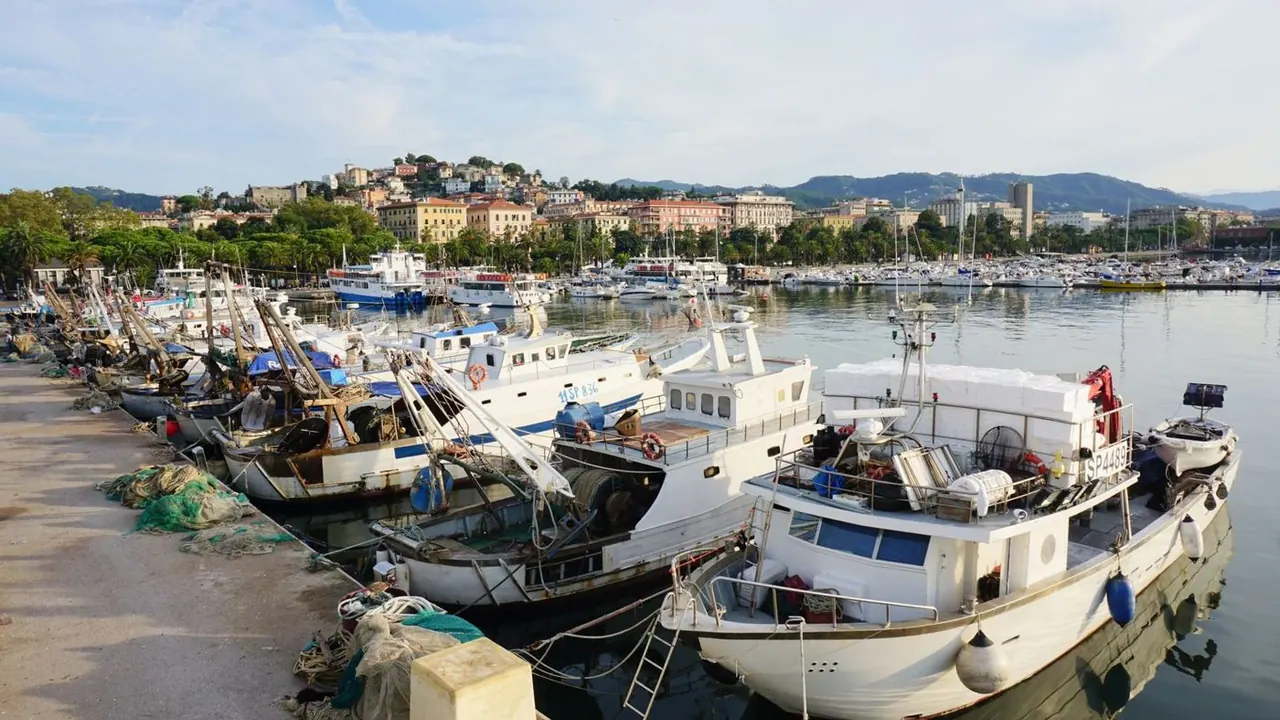
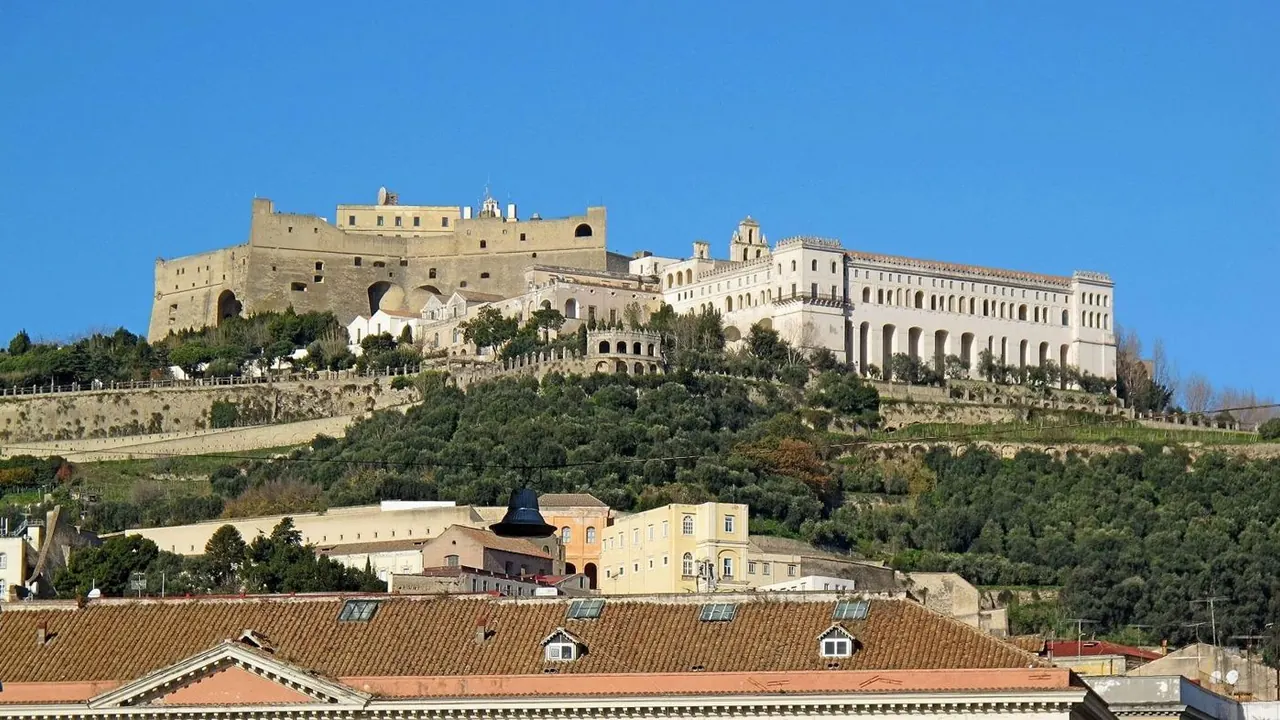
Photos: La Spezia by Irina Balashova, Pexels License; Naples by pietro scerrato, CC BY 3.0, cropped.
La Spezia or Naples?
Our verdict in twelve categories, each scored against the same fixed benchmark cities, and the climate month by month, so you can choose for your trip.
Choose La Spezia for
- getting around
- beaches
- families
La Spezia suits a trip built around the coast and the footpaths. You stay in a practical, easygoing port town, take the train out to the Cinque Terre each morning, swim in clear coves at Portovenere or Lerici, and turn in early. It is the easier of the two to get around and puts swimming closer to hand, but the town itself has modest sights and quiet evenings.
Choose Naples for
- culture and sights
- live music and the arts
- nightlife
Choose Naples if you want the city itself to be the reason for going. The Greek street plan, the churches, the archaeological museum, the pizza and pastry, the late nights outdoors in Piazza Bellini and an evening at the San Carlo give it far more depth. Pompeii, Herculaneum, Capri and the Amalfi Coast are all within a day's reach. In return you get noise, scooters and slow buses, though your money goes further.
Scoreboard
Twelve categories on one fixed scale from 0 to 100. The shaded stretch is the gap between the two.
Your match
Pick a travel style or drag the sliders, and both match scores follow your weighting.
Wins on getting around and beaches with your weighting.
Wins on culture and sights and live music and the arts with your weighting.
What matters to you?
Category by category
What the scores mean for a trip.
Beaches & swimming
Neither city has a beach on its own waterfront, but from La Spezia it is easier to reach good swimming. Buses run round the gulf to the sheltered sand and pebble at San Terenzo and Lerici. Portovenere and Palmaria have very clear water off the rocks, and the train gets you to Monterosso's long sandy beach in minutes.
In Naples, people swim off the rocks below the Lungomare and at small lidos in Posillipo. The water near the port is not always clean, though, and the sand close to the city is taken up by crowded paid beach clubs. The clear coves are on Procida, Ischia, Capri or the Sorrento peninsula, which means a ferry and a full day out.
Food & drink
Both cook from the sea and the market, but Naples eats on another level. Pizza was born there. The street food runs from fried pizza and cones of seafood to sfogliatelle and babà, the trattorias serve ragù and genovese, and the Pignasecca market sells buffalo mozzarella and San Marzano tomatoes.
La Spezia's cooking is simpler and more homely: farinata from wood ovens, mesciua, pesto on trofie and testaroli, and the gulf's rope-grown mussels, with Cinque Terre whites to drink. It is good, honest food, but you will have tried most of it in a few days, and neither city has much from outside its own region.
Culture & sights
This is the widest gap between the two. La Spezia is a nineteenth-century naval town of arcaded streets and Liberty facades. The Museo Amedeo Lia, the naval museum and the prehistoric stele statues in Castello San Giorgio make a pleasant day or two.
Naples could fill a week without leaving town. There is the Greek grid of Spaccanapoli, the Roman treasures of the Archaeological Museum, the Veiled Christ, the tunnels and catacombs underground, and the Capodimonte gallery on its hill. Here, just walking the streets counts as sightseeing.
Nightlife
In La Spezia the evening means an aperitivo on Via del Prione or the seafront, then an early night before a morning on the trails. Naples goes on much later. Students sit on the steps around Piazza Bellini, and a smarter crowd fills the Chiaia alleys until well past midnight. Neither is a city for clubbing: in Naples the night is spent in the street, and in summer the dancing moves out to the coast.
Nature & outdoors
Both sit close to remarkable landscapes, but of quite different kinds. Around La Spezia it is terraced cliffs of vines and olives. Paths along the Cinque Terre link the villages, there is a loop walk round Palmaria and pinewoods at Montemarcello, and the marble peaks of the Apuan Alps are an hour inland.
Naples has volcanoes. You can walk to the crater rim of Vesuvius, explore the old craters of the Phlegraean Fields, with Astroni's woods and Lake Avernus, and snorkel at Gaiola. Its finest walk, the Path of the Gods, takes a long day to reach, while La Spezia's best trails start a short train ride away.
Day trips
Both are outstanding bases, and Naples has the edge for the sheer number of famous names. Pompeii and Herculaneum are under an hour away on the Circumvesuviana, and the palace at Caserta is close. Ferries run to Capri, Ischia and Procida, and from Sorrento buses and boats continue to Positano and Amalfi, with the temples of Paestum further south.
La Spezia's strength is how close everything is. The five Cinque Terre villages are minutes away, and Portovenere and Lerici are a short bus or boat ride. Sarzana, Luni, Pisa and Lucca are all easy trips. The outings here are mostly scenery and villages, with far less ancient history than around Naples.
Good for families
Neither is a natural choice with small children, for different reasons. La Spezia is calm, flat and easy with a pushchair, and has sheltered beaches at San Terenzo and Lerici, but its big outings mean steep villages and crowded trains. Naples is harder going, with uneven pavements and scooters, yet it has a zoo, the Edenlandia amusement park and a science museum, and older children love the tunnels and the ferries.
Getting around
La Spezia is the simpler of the two. In its flat centre the station, the market and the seafront are all a short walk apart, and trains, buses and gulf ferries fan out along the coast. The one snag is crowded trains in summer.
Naples also has a walkable centre, plus Metro Line 1 with its art-gallery stations and four funiculars up to Vomero. Beyond those, buses crawl through traffic and the Circumvesuviana is old and packed. In both cities a car is more trouble than it is worth.
Shopping & style
La Spezia offers the everyday shopping of a provincial city, with clothing chains and shoe shops along Via del Prione and Corso Cavour. The things most worth taking home are edible: pesto, olive oil, Cinque Terre wine and Sciacchetrà.
Naples gives you far more to look for. The tailors of Chiaia make suits, shirts and silk ties, and Via Toledo and the iron-and-glass Galleria Umberto I cover the high street. On Via San Gregorio Armeno, workshops make nativity figures all year, and coral and cameos come from Torre del Greco.
Affordability
Your money goes further in Naples. Pizza, coffee at the bar and trattoria meals cost less than in northern Italy, the metro and funiculars are cheap, and there are plenty of modest B&Bs in the historic centre. Costs only climb once you head for the islands or the Amalfi Coast.
La Spezia is mid-priced. Rooms are cheaper than in the Cinque Terre villages, which is why many visitors stay there, but summer rates, trail passes, boat trips and bathing establishments add up. In both places, sleeping in town rather than on the coast is what saves money.
Live music & performing arts
Naples has the Teatro di San Carlo, the oldest opera house in Europe still in use, along with concerts at the conservatory, chamber music in churches and Neapolitan song in the trattorias. La Spezia has the Teatro Civico's season and, in summer, a jazz festival and open-air concerts around the gulf. For opera you go to Genoa or Pisa.
Wellness & relaxation
La Spezia offers quiet rather than treatments. Around the gulf, rest means a long lunch in Tellaro or a day on Palmaria out of season, and the nearest thermal water is the small baths at Equi Terme, an hour inland.
Naples is louder, yet better placed for a spa. The baths at Agnano, on the city's edge, draw on springs used since Roman times. Ischia, about an hour away by hydrofoil, is a true spa island, with thermal pools terraced through gardens above the sea.
When should you go?
Pick your month. The climate figures are measured averages, not a forecast.
La Spezia in July
Naples in July
Daytime high, °C
Rainfall in the month, mm
Where the figures come from
La Spezia's temperatures are measured 65 km from the centre, at Pisa / S. Giusto.
La Spezia has no rain gauge within 25 km of the centre, so its rainfall comes from a gridded climate dataset read at the city rather than from a gauge further away.
Naples has no rain gauge within 25 km of the centre, so its rainfall comes from a gridded climate dataset read at the city rather than from a gauge further away.
Naples's sunshine is measured 28 km from the centre, at Grazzanise.
Temperature and rainfall are climate normals, averaged over the years shown. La Spezia: 1991-2020 normals, Pisa / S. Giusto (64.8 km from centre). Naples: 2005-2020 (sunshine 1991-2020, rainfall 1991-2020) normals, Napoli / Capodichino (4.6 km from centre).
Both cities have a hot, dry summer and a wet late autumn, and Naples runs a degree or two warmer almost all year. At both, the sea is pleasant for swimming from June to early October. It is warmest in August, at around 23°C off La Spezia and 26°C in the Bay of Naples. Afternoons then reach about 30°C, which makes long walks and steep trails tiring.
For walking, May and the stretch from late September into early October are the best times. La Spezia turns wet sooner, with rain building from September into a soggy October and November. Naples stays sunnier through October, but its wettest month, November, brings about 148mm. Winters are mild in both but often grey and damp.
Which traveller are you?
For a culture and arts trip, La Spezia offers a day or two of museums. Naples could fill a week, with its Greek street plan, the Pompeii frescoes in the Archaeological Museum, the Veiled Christ, the catacombs and an opera night at the San Carlo.
On a food and nightlife trip, La Spezia has good farinata and mussels but goes quiet after the aperitivo. In Naples you eat pizza where it was invented, graze on fried street food and pastries, then drink late in Piazza Bellini and Chiaia.
On a beach and sun trip, La Spezia lets you fit a swim into an ordinary day. Local buses reach the sheltered sand at Lerici and the rocks of Portovenere, and the train runs to Monterosso's long beach. From Naples, clear water usually means a ferry.
Before you go
| Measure | La Spezia | Naples |
|---|---|---|
| Official language | Italian | Italian |
| Currency | Euro (EUR) | Euro (EUR) |
| Sockets | CFL230 V, 50 Hz | CFL230 V, 50 Hz |
| Driving side | Right | Right |
| Time zone | UTC+1, UTC+2 in summer | UTC+1, UTC+2 in summer |
| Emergency number | 112 | 112 |
| Elevation | 3 m | 17 m |
| Main airport | Pisa International Airport (PSA)65 km from centre82 non-stop destinations | Naples International Airport (NAP)7 km from centre131 non-stop destinations |
| Public holidays this year | 13 days | 13 days |
By the numbers
| Measure | La Spezia | Naples |
|---|---|---|
| City population | 92,119 | 913,462 |
| People per km² | 1,792 | 7,676 |
| Museums within 10 km | 12 | 65 |
| UNESCO World Heritage sites within 50 km | 2 | 5 |
| Swim season, months above 21 °C | 4 months | 5 months |
Where else could you go?
Every comparison below shares a destination with this one, so you can follow La Spezia or Naples somewhere new.