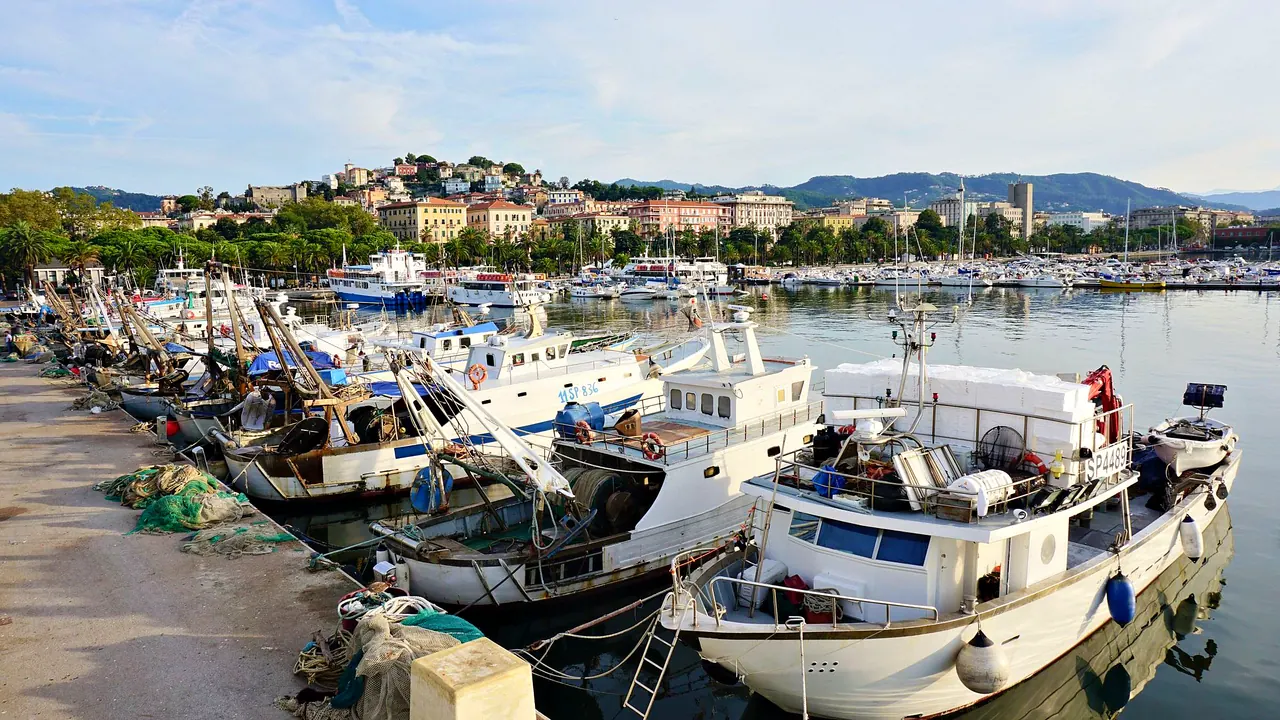
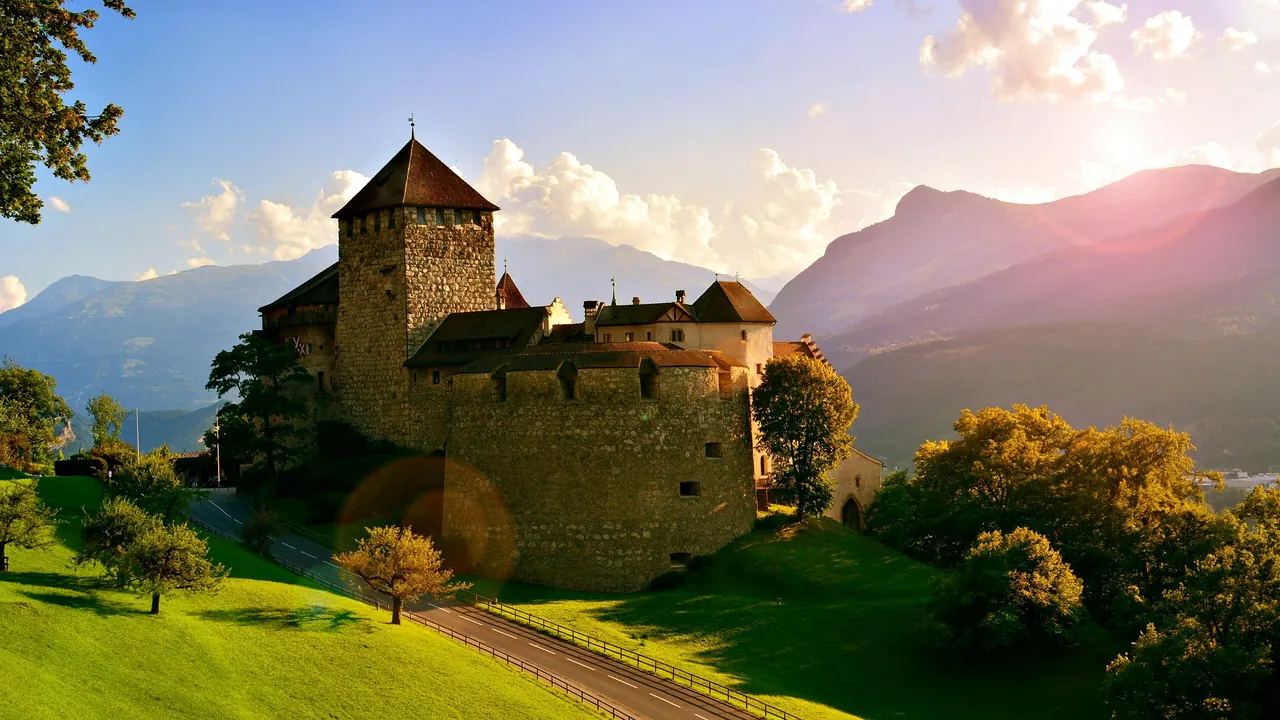
Photos: La Spezia by Irina Balashova, Pexels License; Vaduz by Justin LaBerge, CC BY 2.0, cropped.
La Spezia or Vaduz?
Our verdict in twelve categories, each scored against the same fixed benchmark cities, and the climate month by month, so you can choose for your trip.
Choose La Spezia for
- beaches
- prices
- food and drink
La Spezia is the better pick for a coastal trip with plenty of variety. It puts the Cinque Terre villages, Portovenere and the gulf beaches a short train or boat ride away, it eats better, with farinata, stuffed mussels and Cinque Terre whites, and it costs far less to stay in. It suits walkers, swimmers and anyone who wants a different outing every day without a car.
Choose Vaduz for
- wellness
- nature and the outdoors
Vaduz suits a quieter, more expensive Alpine stay. The mountains begin at the edge of town, Malbun gives you winter skiing, and the thermal baths at Bad Ragaz are close by, so it works for hikers, unhurried couples and anyone happy to trade food, nightlife and beaches for clean air and early nights. Come with a generous budget, and ideally a car.
Scoreboard
Twelve categories on one fixed scale from 0 to 100. The shaded stretch is the gap between the two.
Your match
Pick a travel style or drag the sliders, and both match scores follow your weighting.
Wins on beaches and prices with your weighting.
Wins on wellness and nature and the outdoors with your weighting.
What matters to you?
Category by category
What the scores mean for a trip.
Beaches & swimming
La Spezia has real swimming within easy reach, although never right in town. The eastern shore at San Terenzo and Lerici has sheltered sand and pebble, Fiascherino and Tellaro have small coves, Portovenere and Palmaria have rocks above very clear water, and Monterosso is a train ride away. Expect paid bathing establishments and busy free stretches in August.
Vaduz has no beach at all. On hot days you go to the municipal pools, or drive to the Walensee or Lake Constance, where the water is cooler than the Ligurian sea and the season is short.
Food & drink
La Spezia eats far more interestingly. Farinata from wood ovens, mesciua soup, pesto on trofie or testaroli, and mussels farmed off Portovenere give it a distinct local table, and the covered market on Piazza Cavour adds fish and produce. It still lacks much fine dining.
In Vaduz, the choice is mostly hotel dining rooms and hill inns serving Käsknöpfle, rösti and game. It is solid but narrow, and there is no street food or market. Its best feature is the Pinot Noir and Chardonnay from the prince's own vineyard below the castle.
Culture & sights
Neither is a heritage destination, but La Spezia gives you more to see. The Museo Amedeo Lia's early Italian paintings, the naval museum by the arsenal and the Lunigiana stele statues in Castello San Giorgio fill a day or two. Its nineteenth-century naval grid and Liberty facades are a contrast to the medieval villages nearby.
In Vaduz, one unhurried day covers it. The real strength is modern art at the Kunstmuseum and the Hilti Art Foundation, alongside the National Museum and the stamp collection. The castle can only be admired from outside.
Nightlife
Neither is a place for a big night out, but La Spezia at least has an early evening that draws a crowd. Around sunset the pedestrian streets of the centre and the seafront fill with people lingering over a spritz or a glass of Vermentino, and in summer the drinking moves round the gulf to the water's edge at Lerici. What it lacks is the rest of the night. At the hour when larger cities start going out, most visitors here are already asleep ahead of an early start on the Cinque Terre paths.
Vaduz barely has that first part. Once dinner is over, a handful of wine bars and hotel lounges on the Städtle are all that stays open, with no clubs and nobody out on the streets. Anyone wanting a late night follows the locals over the border to Feldkirch or on to Zurich, so in Vaduz itself an early night is simply how the evening goes.
Nature & outdoors
Both are excellent for the outdoors, but the scenery differs. La Spezia's is the sea: terraced cliffs of vines and olives in the Cinque Terre national park, the Sentiero Azzurro and the quieter ridge paths, Palmaria's loop past forts and sea caves, plus kayaking and diving in the gulf. The marble peaks of the Apuan Alps are inland.
Vaduz is all mountain. Trails start at the edge of town, the Rätikon peaks and the Fürstensteig rise above Malbun, and the Rhine dam path is good for cycling. Winter brings skiing, which La Spezia cannot offer.
Day trips
La Spezia is the stronger base. All five Cinque Terre villages are minutes away by train, Portovenere and Lerici are a short bus or boat ride, and Sarzana and Roman Luni are inland. Pisa and Lucca are about an hour away, and all of this works without a car.
From Vaduz, there is a good cross-border mix: Feldkirch, the abbey library at St Gallen, Appenzell, Chur and Lake Constance. Many trips involve a change at Buchs or Sargans, so a car helps.
Good for families
With children, La Spezia's advantage is the water. Boat trips round Portovenere and the islands and the shallow, sheltered beaches at San Terenzo and Lerici make easy days out, and the ship models and torpedoes at the naval museum appeal to some children. The packed summer trains and steep villages are harder going with toddlers.
Vaduz is extremely safe and calm, but its museums lean towards modern art and stamps, so family days are spent outdoors: open-air pools in summer, gentle walks above Triesenberg and the beginner slopes at Malbun in winter. It works best for older children who enjoy hiking.
Getting around
Both centres are flat and easy to walk. The difference is in getting out of town. La Spezia's station is a hub, with coastal trains through the Cinque Terre, inland lines to Pisa and Florence, and buses and seasonal ferries around the gulf. The trains get crowded in summer.
Vaduz has no station. Buses reach every village and run up to Malbun, but longer journeys mean changes in Switzerland or Austria, which is why many visitors drive.
Shopping & style
La Spezia has ordinary provincial shopping: chains and a few boutiques on Via del Prione and Corso Cavour, the Piazza Cavour market, and edible souvenirs such as pesto, olive oil, Sciacchetrà and anchovies.
Vaduz has even less. The Städtle has a handful of watch, jewellery and souvenir shops, and the collectable stamps and local wine make the best gifts. Serious shoppers go to Zurich.
Affordability
The cost gap is wide. La Spezia is mid-priced, with cheap trains, fair-value trattorias and rooms well below Cinque Terre prices, although trail passes, boat trips and bathing establishments add up in summer.
Vaduz has Swiss prices for everything from a simple lunch to a hotel room, and with only a few hotels, there is little choice at the budget end. Some visitors stay across the border in Austria to save money.
Live music & performing arts
Summer is when La Spezia pulls ahead. A long-established jazz festival and open-air concerts in piazzas and castle courtyards around the gulf add to the Teatro Civico's season of theatre and touring shows, and Sarzana's small Teatro degli Impavidi has a few more. Outside summer there is little on, and for opera you go to Genoa or Pisa.
Liechtenstein's main stage is in neighbouring Schaan rather than in Vaduz itself, with drama, dance and touring productions. A short season from the national symphony orchestra and a summer classical festival in Vaduz give it a more classical bent, and over a week you can usually find something to attend.
Wellness & relaxation
Vaduz is the more restful place. The small, orderly town keeps quiet evenings, and Bad Ragaz is about twenty-five minutes away, where warm water from the Tamina gorge has fed a public thermal bath for centuries.
La Spezia has no bathing tradition. Apart from hotel spas, the nearest thermal baths are the small ones at Equi Terme, about an hour inland. Its calm comes from off-season seafront evenings, long lunches in Tellaro and quiet days on Palmaria.
When should you go?
Pick your month. The climate figures are measured averages, not a forecast.
La Spezia in July
Vaduz in July
Daytime high, °C
Rainfall in the month, mm
Where the figures come from
La Spezia's temperatures are measured 65 km from the centre, at Pisa / S. Giusto.
La Spezia has no rain gauge within 25 km of the centre, so its rainfall comes from a gridded climate dataset read at the destination rather than from a gauge further away.
Vaduz's temperatures are measured 51 km from the centre, at Sigmarszell-Zeisertsweiler.
Vaduz has no rain gauge within 25 km of the centre, so its rainfall comes from a gridded climate dataset read at the destination rather than from a gauge further away.
Temperature and rainfall are climate normals, averaged over the years shown. La Spezia: 1991-2020 normals, Pisa / S. Giusto (64.8 km from centre). Vaduz: 1991-2020 normals, Sigmarszell-Zeisertsweiler (51.3 km from centre).
La Spezia is at its best from May to early October. The sea is warm enough for swimming from June, peaking at about 25°C in August. July and August reach around 30°C, though, which makes the coastal paths hard going, so spring and September are kinder for walking. The rain arrives in October and November, the wettest month at about 151mm, and winters are mild but grey.
Vaduz runs on a different calendar. Summer highs only reach about 24°C, which is ideal for mountain walking, but summer is also its wettest season, with up to 126mm in August and frequent showers. Winters are cold enough for snow on the heights, which suits skiers at Malbun, and late autumn can leave the valley under fog. La Spezia also has noticeably more sunshine all year round.
Which traveller are you?
On a beach and sun trip, La Spezia is the clear choice. Sheltered coves at Lerici and Tellaro, clear rocky water off Palmaria and Monterosso's sandy beach are all close, whereas Vaduz offers only public pools and lakes some distance away.
For a trip on a tight budget, La Spezia wins easily. Rooms cost less than in the Cinque Terre villages, farinata and focaccia make cheap meals and the local trains are inexpensive. In Vaduz, prices are at Swiss levels and budget beds are scarce.
On a relaxing and wellness trip, Vaduz has the edge. It has orderly, quiet streets and early evenings, and the historic thermal baths at Bad Ragaz are a short drive away. La Spezia's calm depends on avoiding the crowds in the Cinque Terre in summer.
Before you go
| Measure | La Spezia | Vaduz |
|---|---|---|
| Official language | Italian | German |
| Currency | Euro (EUR) | Swiss Franc (CHF) |
| Sockets | CFL230 V, 50 Hz | CJ230 V, 50 Hz |
| Driving side | Right | Right |
| Time zone | UTC+1, UTC+2 in summer | UTC+1, UTC+2 in summer |
| Emergency number | 112 | 112 |
| Elevation | 3 m | 455 m |
| Main airport | Pisa International Airport (PSA)65 km from centre82 non-stop destinations | Zürich Airport (ZRH)81 km from centre226 non-stop destinations |
| Public holidays this year | 13 days | 21 days |
By the numbers
| Measure | La Spezia | Vaduz |
|---|---|---|
| Population | 92,119 | 5,668 |
| People per km² | 1,792 | 328 |
| Museums within 10 km | 12 | 7 |
| UNESCO World Heritage sites within 50 km | 2 | 3 |
| Swim season, months above 21 °C | 4 months | - |
Where else could you go?
Every comparison below shares a destination with this one, so you can follow La Spezia or Vaduz somewhere new.
- Portofinovs La Spezia
- Luccavs La Spezia
- Pisavs La Spezia
- Zurichvs Vaduz
- Genoavs La Spezia
- Lucernevs Vaduz