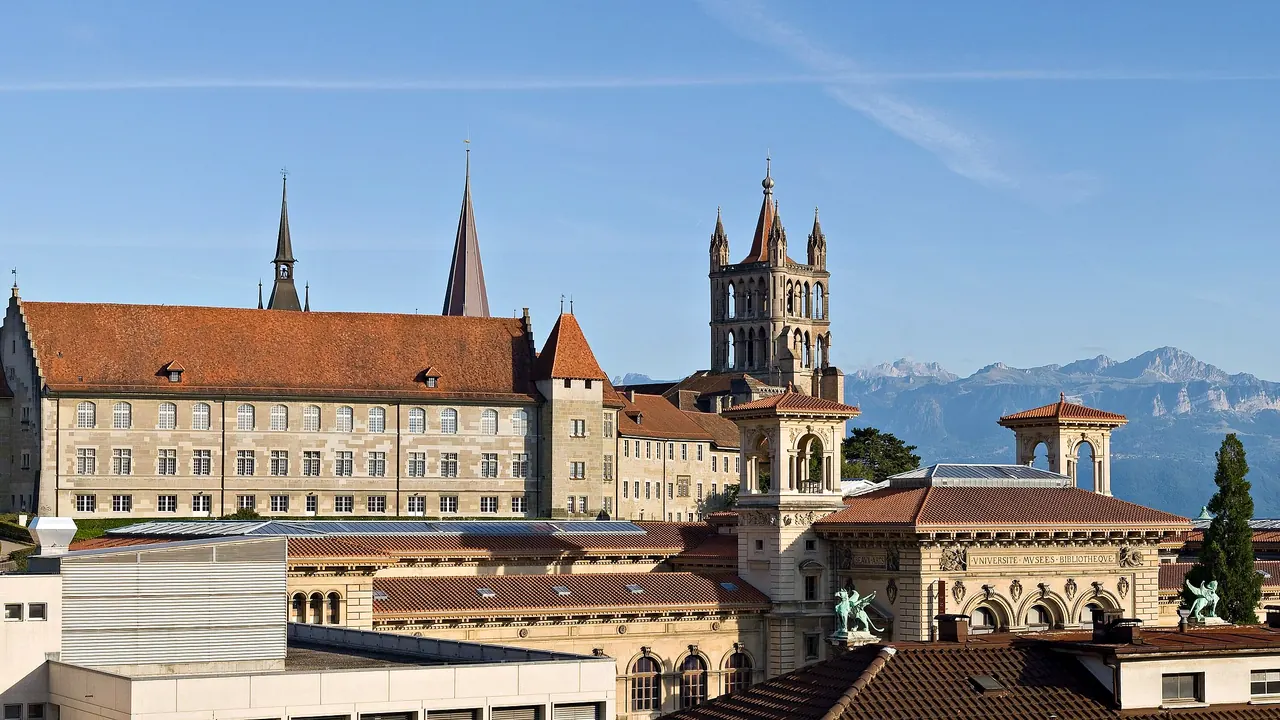
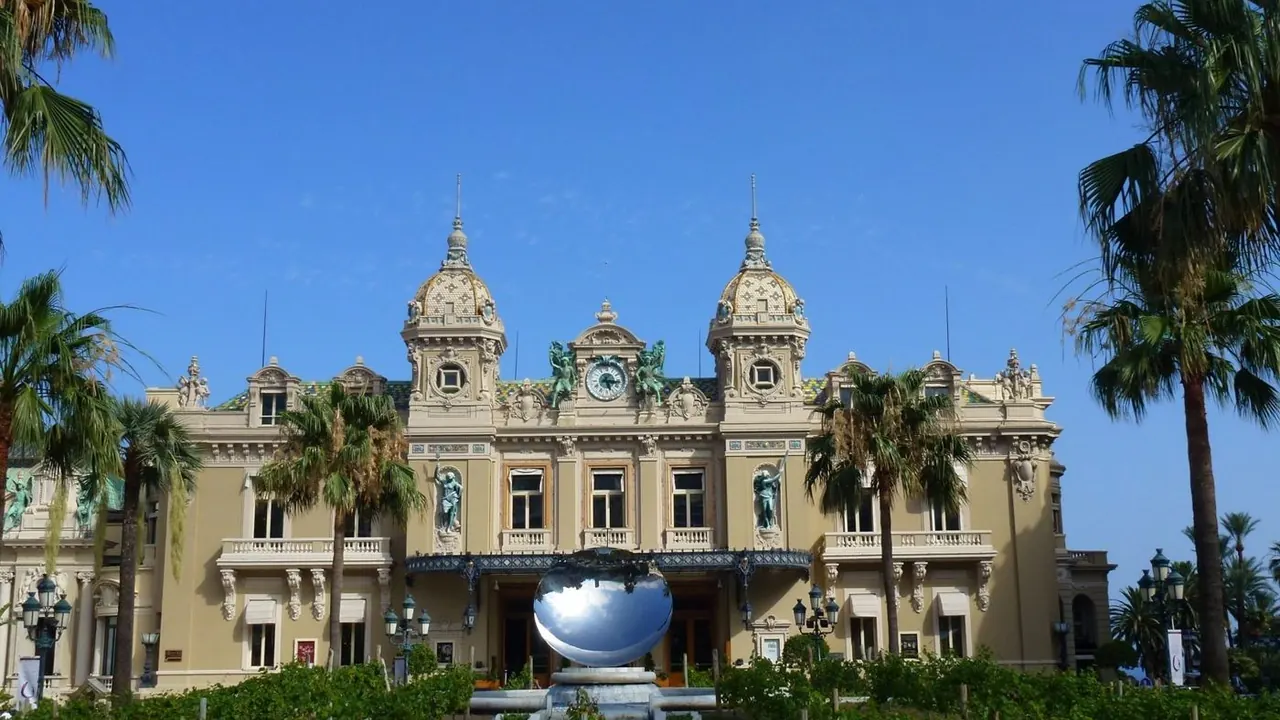
Photos: Lausanne by Christian Mehlführer, CC BY-SA 3.0, cropped; Monaco by otterboris, CC BY 3.0, cropped.
Lausanne or Monaco?
Our verdict in twelve categories, each scored against the same fixed benchmark cities, and the climate month by month, so you can choose for your trip.
Choose Lausanne for
- nature and the outdoors
- families
- prices
Lausanne suits travellers who want the outdoors close at hand: walks through the Lavaux vineyard terraces, a day in the Vaud Alps or the Jura, and the lake for sailing or a summer swim. It is the slightly easier choice with children and slightly less punishing on the wallet, and it has a real university town's evenings in the Flon and a serious stage built around dance.
Choose Monaco for
- beaches
- shopping
- nightlife
Monaco is the pick for a sun-and-sea trip with polish. The Mediterranean is warmer, the summers are drier and the luxury shopping around the Casino has no equal on the lake. Come for the Rock, the harbour, a dressed-up evening in Monte-Carlo and the Riviera towns along the coastal railway, and accept that almost everything is priced for the very wealthy.
Scoreboard
Twelve categories on one fixed scale from 0 to 100. The shaded stretch is the gap between the two.
Your match
Pick a travel style or drag the sliders, and both match scores follow your weighting.
Too close to call, 2 points apart
Wins on nature and the outdoors and families with your weighting.
Wins on beaches and shopping with your weighting.
What matters to you?
Category by category
What the scores mean for a trip.
Beaches & swimming
Lausanne's swimming is lake bathing: grassy lawns, piers, shingle and concrete steps at Vidy, Bellerive and towards Lutry, with a short summer season and the old Bellerive lido as the highlight. It fits around a stay but rarely drives one.
Monaco comes out well ahead because it has the Mediterranean. Larvotto is small and groomed rather than wide, but the water is calm, clear and warmer for longer, and the coves of Cap d'Ail and the long beaches of Menton and Nice are a short hop away.
Food & drink
The two are broadly level, but the cooking could hardly be more different. Lausanne eats Alpine and Vaudois: lake perch, papet vaudois, fondue and raclette in winter, with Chasselas from the Lavaux growers' caveaux and the Saturday market at Riponne as its strengths.
Monaco's table is Riviera and Ligurian, olive oil, fish and herbs, with a concentration of starred hotel dining rooms and harbourside terraces. Barbagiuan and socca at the Condamine market are the local touch. Both are thin on cheap, casual meals, though Monaco's evening dining is the more formal of the two.
Culture & sights
Sightseeing is evenly matched, and both cities can be seen in two or three days. Lausanne's strength is its museums: the Olympic Museum at Ouchy, the art, photography and design museums at Plateforme 10 and the striking Collection de l'Art Brut, with the Gothic cathedral and its night watchman above the old town.
Monaco's appeal lies more in setting and spectacle: the palace guard ceremony and the cathedral of Grace Kelly on the Rock, the Belle Époque Oceanographic Museum on its cliff, and the Casino square in Monte-Carlo. It is grander to look at, but has less depth than Lausanne's collections.
Nightlife
Monaco has a slight edge, though the two nights out are very different. Lausanne's runs on students: the Flon's clubs and late bars in old warehouses fill on weekends, with wine bars in the old town and lakeside evenings at Ouchy in summer, then go quiet midweek.
Monaco's evenings are about dressing up, with hotel bars around the Casino, glossy clubs on the Larvotto seafront and champagne by the yachts, peaking in summer and on Grand Prix weekend. There are no casual pubs, so Lausanne feels more relaxed and Monaco more glamorous.
Nature & outdoors
Lausanne is the stronger base for the outdoors. The Lavaux terraces, the Sauvabelin woods and sailing on the lake are all on the doorstep, and the Vaud Alps and the Jura offer skiing, glacier trips, hiking and cross-country trails within about an hour.
Monaco itself is built up, but the limestone mountains behind it are dramatic. The mule path up to Èze, the Tête de Chien viewpoint and the pine-lined trails around Cap Martin make for fine walking, and snorkelling and diving in the clear sea are something the lake cannot offer.
Day trips
Both are excellent bases, and neither needs a car. From Lausanne the Swiss trains reach Montreux and Chillon, Geneva, Bern, Fribourg and Gruyères, with boats across to Évian, so a week can mix castles, Alpine villages and other cities.
From Monaco the coastal line and buses lead to Nice, Villefranche, Menton and Èze, then further to Antibes, Saint-Paul-de-Vence and Grasse, with an easy crossing into Italy for Sanremo and Dolceacqua. In short, it is Swiss towns and mountains against Riviera villages and the sea.
Good for families
Lausanne is a little better with children. The Olympic Museum is hands-on, the freshwater aquarium-vivarium and the animal park, pedal boats and lookout tower at Sauvabelin fill whole days, and paddle-steamer trips are an outing in themselves. The steep streets are hard work with a pushchair.
Monaco has a great aquarium in the Oceanographic Museum, gentle water at Larvotto and the palace guard ceremony, but little beyond that. Its formal restaurants are built for adults, so families staying several days usually spread out along the coast.
Getting around
Both are compact, and in both the challenge is height rather than distance. Lausanne climbs more than 300m from the lakeshore in steep layers of stairs and bridges, and its metro does the heavy lifting from Ouchy through the station and the Flon to the upper town, with lake boats linking the shore towns.
Monaco is small enough to cross on foot in well under an hour, and it handles its slopes with free public lifts, escalators and a little solar ferry across the harbour rather than a metro. Both stations connect to excellent rail lines, the Swiss network in one case and the Riviera coast in the other, and a car is little use in either.
Shopping & style
Monaco comes out ahead, but only for luxury. The Carré d'Or around the Casino gardens packs the big fashion houses, high jewellers and watchmakers into a few streets where window-shopping is part of the evening scene, though ordinary shops are scarce.
Lausanne has more everyday range, with international names around Saint-François and chains in the Flon, but its upmarket offer along Rue de Bourg is modest. The best buys here are chocolate, a Swiss watch or Lavaux wine.
Affordability
Neither is a budget destination, but Lausanne is the slightly gentler bill. Meals, wine and hotels are steep by any European standard, yet supermarket picnics, the free lakeside promenades and a glass of Chasselas in a village caveau keep a stay manageable.
Monaco sits at the very top end, with hotels priced for the very wealthy and costs that rise further on event weekends. The usual workaround is to sleep in Nice, Menton or Beausoleil and come in for the day.
Live music & performing arts
Both small places punch well above their size, with Monaco very slightly ahead. Lausanne leads with dance, through the Béjart Ballet and the Prix de Lausanne, and adds contemporary theatre at Vidy, a respected chamber orchestra and an opera season, with Montreux's July jazz festival close by.
Monaco's draw is the gilded Salle Garnier for opera, the Philharmonic and Les Ballets de Monte-Carlo, concentrated from winter to spring, with open-air shows by the sea in summer. Spoken theatre and small music venues are easier to find in Lausanne.
Wellness & relaxation
Broadly level, though the water is different. Lausanne relies on grand hotel spas, lakeside promenades and quiet vineyard lanes, with real thermal springs a short train ride away at Yverdon-les-Bains and Lavey-les-Bains.
Monaco offers seawater rather than spring water, in the large thalassotherapy centre beside the Casino, alongside hotel spas and calm mornings in the Japanese Garden. It is ideal for a polished treatment day, while Lausanne suits travellers who want to soak in hot springs.
When should you go?
Pick your month. The climate figures are measured averages, not a forecast.
Lausanne in July
Monaco in July
Daytime high, °C
Rainfall in the month, mm
Where the figures come from
Lausanne's temperatures are measured 40 km from the centre, at Payerne.
Lausanne has no rain gauge within 25 km of the centre, so its rainfall comes from a gridded climate dataset read at the city rather than from a gauge further away.
Temperature and rainfall are climate normals, averaged over the years shown. Lausanne: 1991-2020 (sunshine 1961-1990) normals, Payerne (39.7 km from centre). Monaco: 1991-2020 normals, Nice (19.9 km from centre).
Monaco has the longer warm season by a wide margin. Days are mild even in winter, around 13°C in January, and the sea is warm enough for swimming from June into early October, peaking near 25°C in August. July and August are also very dry, with only about 13mm in July, while October and November bring the heaviest rain of the year. Spring and autumn are the best months for walking the coastal paths and the hills behind the town.
Lausanne has a proper winter, with highs around 4°C from December to January, grey skies in town and snow in the mountains above. Summer is its swimming and hiking season, with July reaching about 26°C, but rain falls steadily all year and the summer months are among the wettest, so expect showers between sunny days. Late spring and early autumn are comfortable for the steep streets and the vineyard walks, and Monaco gets much more sunshine than Lausanne in every month.
Which traveller are you?
On a beach and sun trip, Monaco is the clear choice. Larvotto's sheltered beach, warm clear sea, rocky platforms and the beaches of Menton and Nice nearby give a long season of swimming that Lake Geneva cannot match.
For an outdoors trip, Lausanne wins. The Lavaux terraces start at the edge of town, and within an hour you reach the Vaud Alps for hiking, skiing and a glacier, or the Jura for long ridge walks and cycling.
On a shopping trip, Monaco has the edge if luxury is the goal. The Carré d'Or gathers fashion houses, jewellers and watchmakers in a few walkable streets, while Lausanne offers mainly chocolate, watches and Lavaux wine along Rue de Bourg.
Before you go
| Measure | Lausanne | Monaco |
|---|---|---|
| Official language | French, German, Italian, Romansh | French |
| Currency | Swiss Franc (CHF) | Euro (EUR) |
| Sockets | CJ230 V, 50 Hz | CEF230 V, 50 Hz |
| Driving side | Right | Right |
| Time zone | UTC+1, UTC+2 in summer | UTC+1, UTC+2 in summer |
| Emergency number | 112 | 112 |
| Elevation | 495 m | 68 m |
| Main airport | Geneva International Airport (GVA)52 km from centre150 non-stop destinations | Nice-Côte d'Azur Airport (NCE)18 km from centre130 non-stop destinations |
| Public holidays this year | 9 days | 12 days |
By the numbers
| Measure | Lausanne | Monaco |
|---|---|---|
| City population | 144,873 | 38,857 |
| People per km² | 3,499 | 18,503 |
| Museums within 10 km | 31 | 14 |
| UNESCO World Heritage sites within 50 km | 3 | 2 |
| Swim season, months above 21 °C | - | 4 months |
Where else could you go?
Every comparison below shares a destination with this one, so you can follow Lausanne or Monaco somewhere new.