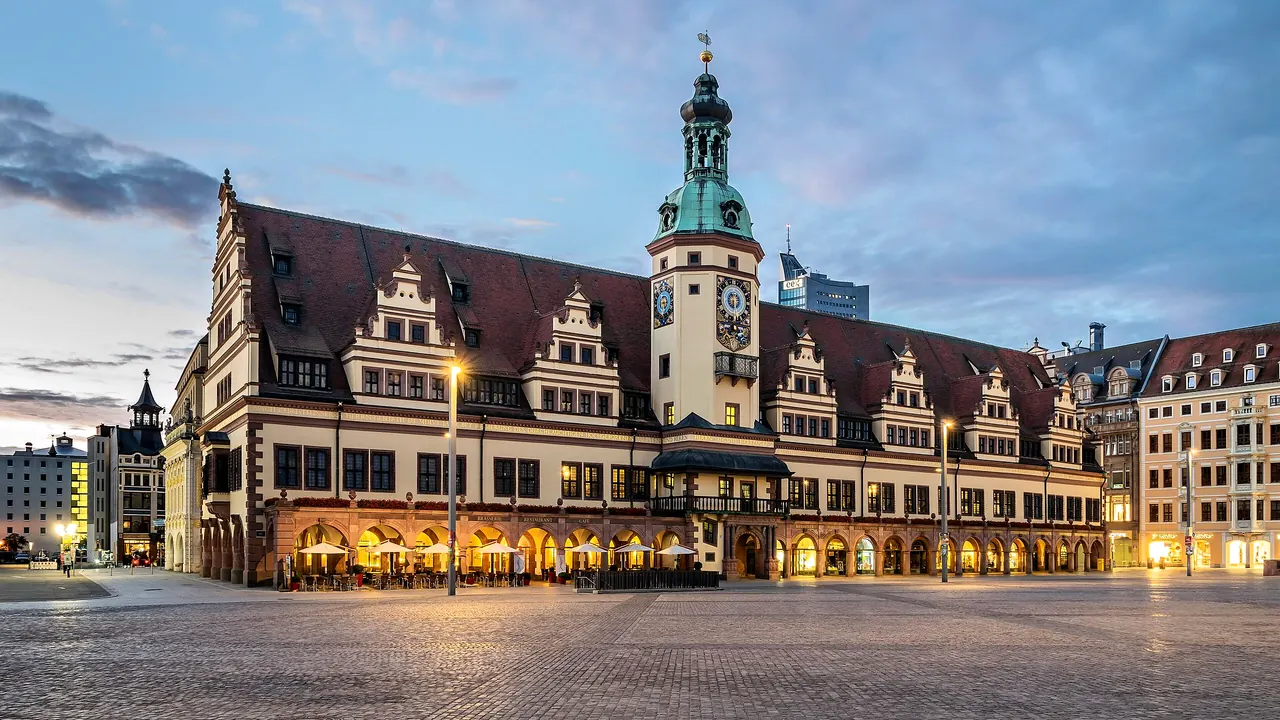
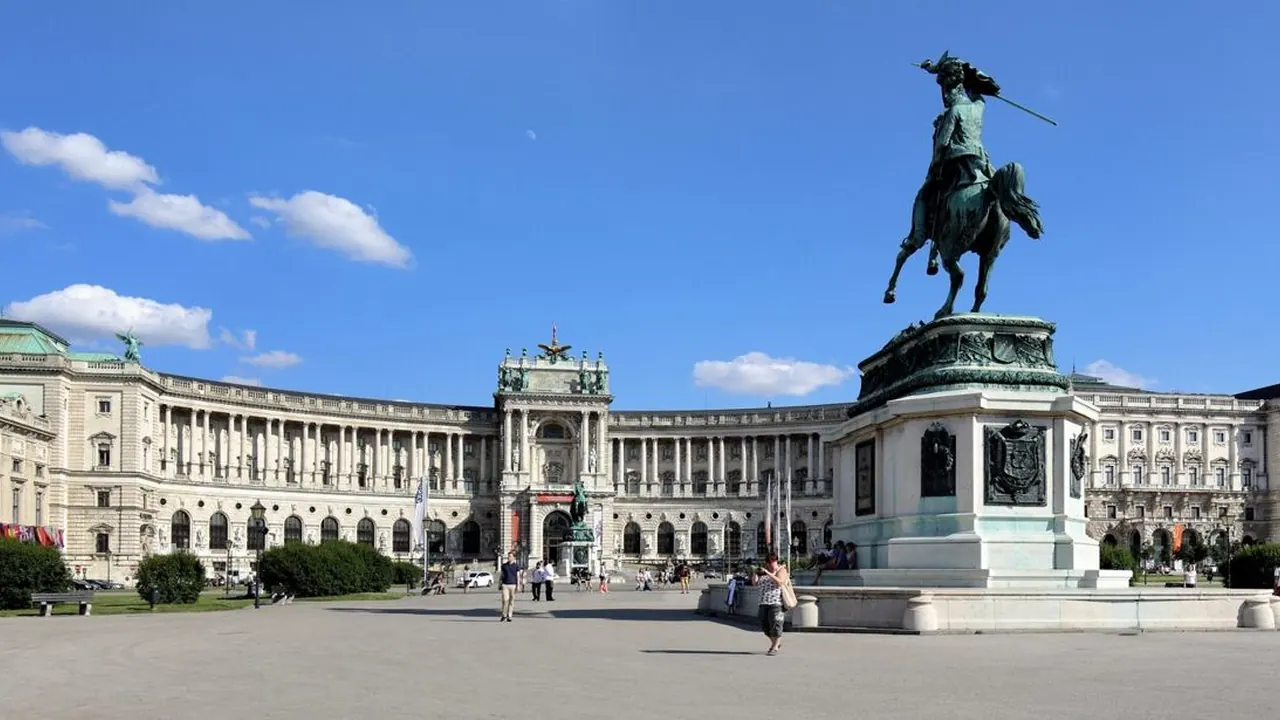
Photos: Leipzig by Krzysztof Golik, CC BY-SA 4.0, cropped; Vienna by C.Stadler/Bwag, CC BY-SA 3.0 AT, cropped.
Leipzig or Vienna?
Our verdict in twelve categories, each scored against the same fixed benchmark cities, and the climate month by month, so you can choose for your trip.
Choose Leipzig for
- nightlife
- prices
- day trips
Leipzig suits travellers who want a cheaper, looser base in the middle of Germany. Rooms cost less, the clubs in old factories run until morning, and the station puts Dresden, Weimar, Wittenberg and Berlin within easy reach. Bach's churches and the story of 1989 give it real substance, and two or three days covers the city itself, which leaves time for the trains.
Choose Vienna for
- culture and sights
- wellness
- food and drink
Vienna is the stronger choice when music, art and imperial grandeur are the point of the trip. Opera most nights, the Golden Hall, Bruegel and Klimt, and palaces that fill a week all put it well ahead of Leipzig. It is also easier with children, easier to get around, and better for slowing down in coffee houses and thermal baths, though you pay more for the stay.
Scoreboard
Twelve categories on one fixed scale from 0 to 100. The shaded stretch is the gap between the two.
Your match
Pick a travel style or drag the sliders, and both match scores follow your weighting.
Wins on nightlife and prices with your weighting.
Wins on culture and sights and wellness with your weighting.
What matters to you?
Category by category
What the scores mean for a trip.
Beaches & swimming
Neither city is a beach destination, and both make a decent summer afternoon of fresh water, but the swimming is different. Leipzig's swimming spots are flooded former mines south of town, like the Cospudener and Markkleeberger See, with sandy shores, clear water and beach bars, reached by tram or by bike.
Vienna swims in its river. There are gravel banks along the Danube Island and old-fashioned lidos such as the Gänsehäufel on the calmer Alte Donau, both a short U-Bahn ride from the centre. For sand, Leipzig's lakes are better. For a quick swim after sightseeing, Vienna's are closer at hand.
Food & drink
Vienna has a cuisine of its own, and Leipzig does not really compete. Schnitzel and Tafelspitz in wood-panelled Beisl taverns, the pastry counters of the grand coffee houses and Heuriger wine taverns in the city's own vineyards make eating part of the sightseeing.
Leipzig's cooking is hearty Saxon fare: dumplings, Leipziger Allerlei, the marzipan Lerche and sour Gose beer. Its old coffee houses echo the Viennese habit on a smaller scale. Where it does well is casual international eating along the Karli and the Plagwitz canals, the kind of range Vienna is thinner on.
Culture & sights
Vienna is on another level. It is an imperial capital whose Hofburg, Schönbrunn, Ringstrasse and UNESCO-listed old town have survived largely intact. Add the Bruegels in the Kunsthistorisches Museum, Klimt at the Belvedere and Schiele at the Leopold, and a week passes easily.
Leipzig's sights tell a more focused story. Bach's Thomaskirche, the Nikolaikirche where the 1989 protests began, the trade-fair arcades, the Stasi museum at the Runde Ecke and the grim Battle of the Nations monument are all worth seeing, but two or three days covers them.
Nightlife
Leipzig is the better night out, especially for clubbing. Its electronic scene grew up in disused factories and squats, weekend nights run past dawn, and the doors are relaxed. The Karli and Connewitz give you bars and late kiosks nearby. It can feel quiet outside term time, though.
Vienna's evenings are gentler: bars under the Gürtel railway arches, deckchairs by the Danube Canal, or wine at a Heuriger. What Leipzig has nothing to match is the winter ball season, when visitors can buy tickets to formal balls in palaces and grand halls.
Nature & outdoors
Vienna has more varied countryside on its doorstep. City hiking trails climb through vineyards to the Kahlenberg, the beech-covered Vienna Woods roll away to the west, and the Donau-Auen national park protects wild floodplain to the east. The Alpine plateaus of the Rax and Schneeberg are about 90 minutes away.
Leipzig is flat but green. The Auwald floodplain forest runs through town, and you can paddle the canals from Plagwitz or try the white-water course at the Markkleeberger See. For real walking, though, you need a two-hour train ride.
Day trips
Both cities are excellent bases, and Leipzig has a slight edge in how many heritage towns lie close by. Dresden and Weimar are about an hour away, Erfurt and Halle less than that, and Wittenberg, Naumburg, Dessau's Bauhaus buildings and Berlin are all easy by train from one station.
Vienna's trips lean more towards landscape and abbeys. There is the Wachau valley with Melk and Dürnstein, Klosterneuburg and Heiligenkreuz, the spa town of Baden and the wine villages around the Neusiedler See. It also offers a second capital in Bratislava, about an hour away by train or by boat.
Good for families
Vienna keeps children busy for longer. Schönbrunn Zoo, the Prater's rides and meadows, and the sharks of Haus des Meeres come first. The Natural History Museum's dinosaurs, the hands-on Technical Museum and the ZOOM children's museum then cover rainy days.
Leipzig's zoo is a real highlight, and Gondwanaland's tropical hall works in any weather. In summer the shallow lakes and the Belantis theme park add more. Beyond those, though, the options for children thin out quickly.
Getting around
Both are easy cities without a car, but Vienna's system is in a different class. Five U-Bahn lines, trams and buses share one ticket, the underground runs all night at weekends, and the vineyard villages and Danube Island are on the network.
Leipzig gets by with a fifteen-minute walk across the old town, trams out to the neighbourhoods and one underground S-Bahn line south to the lakes. Its flat, wide streets make a bike the quickest option, more so than on Vienna's cobbles and tram tracks.
Shopping & style
Vienna offers more and better-made things to buy. Luxury houses line the Kohlmarkt and Graben, Neubau has independent designers, and local crafts such as Augarten porcelain, crystal and Loden coats make gifts you will not find elsewhere.
In Leipzig, the covered arcades are pleasant but mostly hold chain stores. The interesting shopping is in the west: vintage clothes and record shops on Karl-Heine-Strasse, and the galleries of the Spinnerei, an old cotton mill.
Affordability
Leipzig is the cheaper stay, mostly because of the room. A central hotel or apartment costs noticeably less than in Vienna, although meals and drinks are priced at the German national level. Check the trade-fair calendar, as hotel rates climb sharply during the big fairs.
Vienna costs more overall, and hotels rise in the ball and Christmas market seasons. Transport passes, free palace gardens and Heuriger buffets help, and standing places at the State Opera are a famous bargain.
Live music & performing arts
Both are serious music cities, but Vienna is one of the world's great capitals of music. The State Opera stages a different work almost nightly, the Philharmonic plays in the Golden Hall of the Musikverein, and the Burgtheater, Volksoper and Vienna Boys' Choir fill the rest of the week.
Leipzig's offer is remarkable for its size, built around the Gewandhaus Orchestra, the Thomanerchor singing in Bach's own church, and the Bachfest each June. It also has something Vienna lacks: the Wave-Gotik-Treffen at Whitsun, one of the world's largest goth music gatherings.
Wellness & relaxation
Leipzig is restful mostly because it is uncrowded. Long walks under the old oaks of the Auwald, slow afternoons in the parks and a quiet German Sunday make it an easy place to unwind, but it has no bathing culture to plan a trip around.
Vienna is the better place to slow down, because rest is built into the way the city lives. The palace gardens, Schönbrunn's among them, invite unhurried walks, and evenings at a Heuriger on the vineyard slopes are slow by habit. Its thermal baths go well beyond anything Leipzig offers, though even here bathing is an outing rather than part of daily life, as it is in the great bath cities.
When should you go?
Pick your month. The climate figures are measured averages, not a forecast.
Leipzig in July
Vienna in July
Daytime high, °C
Rainfall in the month, mm
Temperature and rainfall are climate normals, averaged over the years shown. Leipzig: 1991-2020 (sunshine 1961-1990, rainfall 1961-1990) normals, Leipzig-Holzhausen (5.7 km from centre). Vienna: 1991-2020 normals, Wien / Hohe Warte (4.7 km from centre).
Leipzig and Vienna share a central European year. Both are at their best from May to September, and both have cold, grey winters when daytime highs sit only a few degrees above freezing. Leipzig's summer peaks at about 25°C in July and August, and those two months are really the only time its mine lakes are warm enough for a swim. June is its wettest month, at about 67mm.
Vienna runs a little warmer and is clearly sunnier through the summer, reaching about 27°C. Its bathing season is also longer. June is already warm enough for the Danube Island and the Alte Donau, and swimming stays pleasant into early September. Its wettest month comes earlier, in May, and over the summer as a whole it gets slightly more rain than Leipzig. For walking the streets, May and September suit both cities, with highs around 20°C and none of the midsummer warmth. From November to February the days are short and dull in both, and the time is better spent in concert halls, museums and coffee houses than outdoors.
Which traveller are you?
For a culture and arts trip, Vienna is the clear choice. The Hofburg, Schönbrunn, the Kunsthistorisches Museum and the Belvedere fill a week, and the State Opera and the Musikverein give you world-class music every evening. Leipzig's Bach heritage is fine, but smaller.
On a trip on a tight budget, Leipzig goes further. Beds near the old town cost less than in Vienna, beer and simple food in the student districts are fair, and the compact centre means you can do without tram tickets on most days.
On a relaxing and wellness trip, choose Vienna. Long coffee house afternoons, Therme Wien's thermal pools, the Art Deco Amalienbad and the springs at nearby Baden offer a kind of rest Leipzig cannot match, since there spa time means saunas and a separate trip out.
Before you go
| Measure | Leipzig | Vienna |
|---|---|---|
| Official language | German | German, Austrian Sign Language |
| Currency | Euro (EUR) | Euro (EUR) |
| Sockets | CF230 V, 50 Hz | CF230 V, 50 Hz |
| Driving side | Right | Right |
| Time zone | UTC+1, UTC+2 in summer | UTC+1, UTC+2 in summer |
| Emergency number | 112 | 112 |
| Elevation | 110 m | 151 m |
| Main airport | Leipzig/Halle Airport (LEJ)13 km from centre20 non-stop destinations | Vienna International Airport (VIE)18 km from centre202 non-stop destinations |
| Public holidays this year | 11 days | 16 days |
By the numbers
| Measure | Leipzig | Vienna |
|---|---|---|
| City population | 615,932 | 2,028,289 |
| People per km² | 2,068 | 4,890 |
| Museums within 10 km | 40 | 152 |
| UNESCO World Heritage sites within 50 km | 1 | 4 |
Where else could you go?
Every comparison below shares a destination with this one, so you can follow Leipzig or Vienna somewhere new.