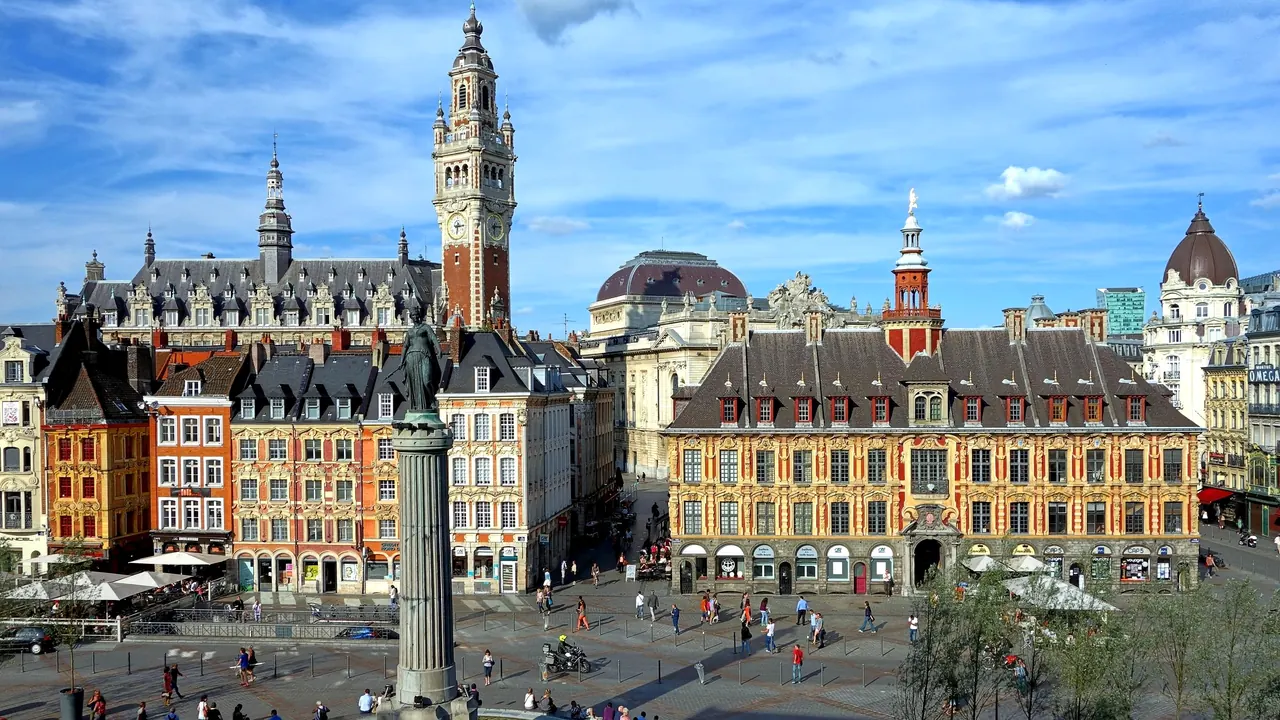
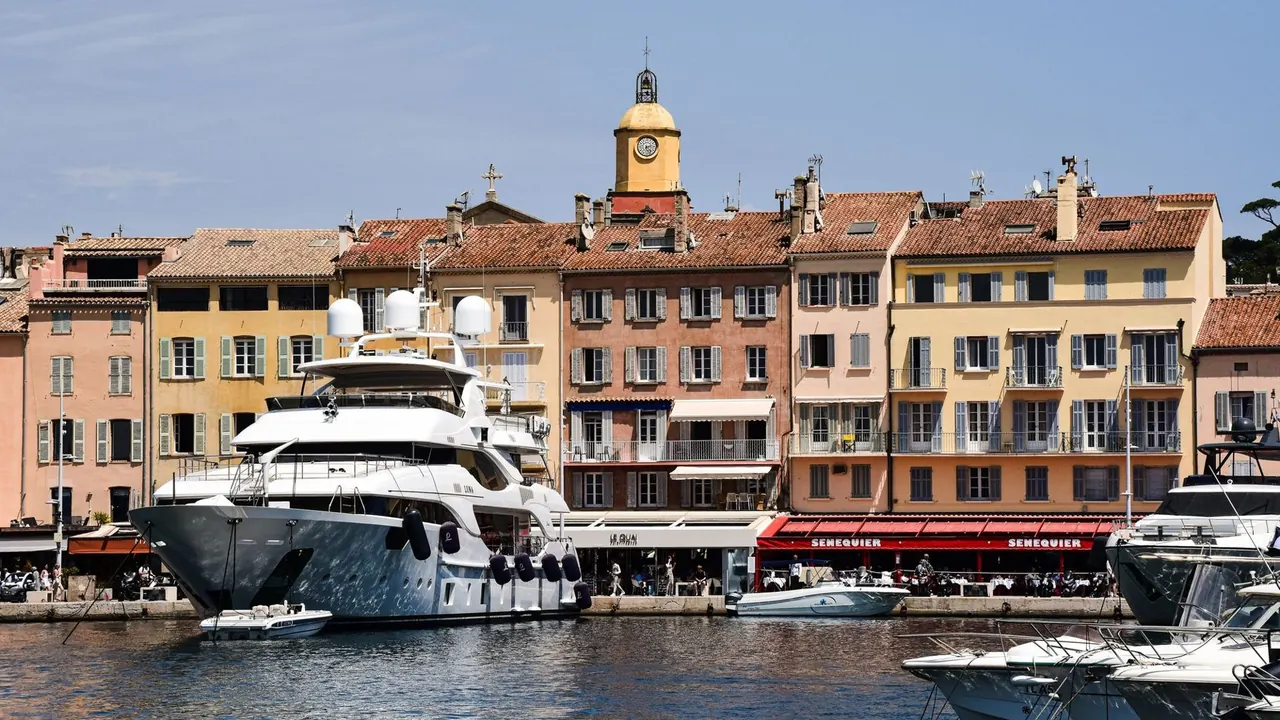
Photos: Lille by Velvet, CC BY-SA 3.0, cropped; Saint-Tropez by AXP Photography, Pexels License.
Lille or Saint-Tropez?
Our verdict in twelve categories, each scored against the same fixed benchmark cities, and the climate month by month, so you can choose for your trip.
Choose Lille for
- getting around
- prices
- live music and the arts
Lille suits a traveller who wants a city to explore rather than a place to lie in the sun. It has a great fine-art museum, Flemish baroque streets, estaminet cooking and serious beer, and its stations make Brussels, Bruges and Paris easy days out. It works in any season, costs far less and needs no car.
Choose Saint-Tropez for
- beaches
- nature and the outdoors
- wellness
Choose Saint-Tropez for a summer of sand, sea and coastal scenery, with Pampelonne, the Sentier du Littoral and the islands of the national park close at hand. It rewards a slow, well-funded stay of swimming, rosé and long lunches. In return you get steep prices, little culture beyond one fine museum, and jammed roads in high season.
Scoreboard
Twelve categories on one fixed scale from 0 to 100. The shaded stretch is the gap between the two.
Your match
Pick a travel style or drag the sliders, and both match scores follow your weighting.
Wins on getting around and prices with your weighting.
Wins on beaches and nature and the outdoors with your weighting.
What matters to you?
Category by category
What the scores mean for a trip.
Beaches & swimming
This is entirely Saint-Tropez's ground. Pampelonne has about 5km of fine sand with beach clubs and public stretches, the coves at Escalet and Gigaro are quieter, and the sea is warm enough for comfortable swimming from June to September.
Lille is inland, so reaching the sea means a train to Malo-les-Bains at Dunkirk or a trip to the dune beaches of the Opal Coast. There the North Sea stays cold and the wind suits sand yachting better than sunbathing. It makes a bracing day out, not a beach vacation.
Food & drink
Lille eats more interestingly, because its regional cooking has real character. Wood-panelled estaminets serve carbonnade flamande and potjevleesch, Maroilles cheese turns up in everything, Belgian and northern French beer is taken seriously, and on Sundays there is the multi-ethnic market at Wazemmes.
Saint-Tropez offers Provençal cooking: grilled fish, aïoli and rosé from the surrounding vineyards, and its hotel dining rooms are genuinely good at the top end. Below that, quayside places lean on the view, honest everyday meals are harder to find and much of the town shuts in winter. The Place des Lices market and a tarte tropézienne are the easy pleasures.
Culture & sights
Lille has much more to see. The Palais des Beaux-Arts, with its Flemish masters and relief maps, would justify a trip on its own. The brick and carved stone of Vieux-Lille, the Vieille Bourse, Vauban's citadel and La Piscine in Roubaix fill two or three days.
Saint-Tropez has one notable museum, the Annonciade, whose pointillist and Fauvist paintings recall Signac's years on the harbour. Add the citadel and the lanes of La Ponche and you have a morning or a day. Here the setting matters more than the heritage.
Nightlife
Both are good for a night out, but in completely different ways. Lille's nights are driven by its students and go on all year. There are cheap, loud bars on Rue Masséna and Rue Solférino, beer cafés and cocktail cellars in Vieux-Lille, and serious clubbing just across the Belgian border.
Saint-Tropez is all glamour and all summer: afternoon parties at the Pampelonne beach clubs, champagne on the harbour and a few famous clubs that stay open until dawn, with table service and a dress code. Outside the season it falls almost silent, which Lille never does.
Nature & outdoors
Saint-Tropez has far more to offer outdoors. The Sentier du Littoral circles the peninsula past pine-backed coves to the capes of Camarat and Taillat. The Massif des Maures has cork-oak forest for hiking and mountain biking, the gulf is good for sailing and snorkelling, and the national park islands of Port-Cros and Porquerolles are within reach. In summer, heat and fire risk close some trails.
Around Lille the land is flat and farmed. The Citadel park, the towpaths along the Deûle and the low Monts de Flandre make pleasant, easy outings, and the cliffs of Cap Blanc-Nez are a long day away.
Day trips
Lille is one of the best bases in northern Europe. Brussels, Ghent, Bruges and Antwerp are short train rides away and Paris is about an hour by TGV. Arras, the cathedral at Amiens, the Louvre-Lens and the First World War battlefields fill further days, all without a car.
Saint-Tropez's outings are smaller and closer to home. You can visit the hilltop villages of Ramatuelle and Gassin, Grimaud's castle, the canals of Port Grimaud by boat, the local wine estates, or spend a day on Porquerolles. These places are charming rather than important, and in summer the roads slow everything down.
Good for families
Lille is the easier city with children, though not by a wide margin. The Citadel park combines a small zoo, playgrounds and flat paths for scooters, the museums and science centre cover wet days, and Pairi Daiza and Nausicaá are within reach. The cobbles of Vieux-Lille are the main irritation.
Saint-Tropez has the better beaches for small children, at Pampelonne and Gigaro, but little else is aimed at them, and the cost, heat and traffic wear families down. Many stay in Sainte-Maxime and come over by boat.
Getting around
Lille is far simpler. The centre is compact, flat and easy to walk, the VAL metro and the tram reach the suburbs, and both stations are a short walk from the old town, so arriving and setting off on day trips takes no planning.
Saint-Tropez is tiny and easy on foot, but awkward beyond it. It has no railway and slow buses, the main beaches are several kilometres out, and the one road along the gulf jams for hours in July and August. Most people rely on a car, scooter or taxi, and the passenger boats from Sainte-Maxime and Port Grimaud are the pleasant way in.
Shopping & style
The two are close, with Saint-Tropez slightly ahead, and they sell quite different things. Saint-Tropez packs big fashion houses, resort wear and jewellery into the lanes behind the port. It also has hand-made Tropézienne sandals and the linen and pottery of the Place des Lices market, though much of it closes in winter.
Lille is the broader, everyday shopping city. It has chains on Rue Neuve, the Euralille mall, and independent designers and delicatessens in Vieux-Lille. Each September the Braderie spreads a flea market over kilometres of streets.
Affordability
The gap here is wide. Lille is comfortable rather than cheap. Rooms are reasonable for most of the year, estaminet meals and beer are fairly priced and the metro is inexpensive. Only the Braderie and the big trade fairs push hotel rates up.
Saint-Tropez is one of the most expensive places on the Mediterranean, from rooms and beach loungers to coffee on the port, and taxis or parking add to the bill. Visitors on a budget usually stay across the gulf, picnic from the market and swim from the public beaches.
Live music & performing arts
Lille has a proper season. The Opéra de Lille on the Place du Théâtre, the Orchestre National de Lille and the Théâtre du Nord perform there, Roubaix and Tourcoing add contemporary dance, and touring bands play the Zénith and the Aéronef.
Saint-Tropez offers open-air jazz and classical concerts in summer on the citadel and in gardens, plus the Bravade each May, a centuries-old costumed procession with muskets. For opera or theatre you have to drive to Toulon or Nice.
Wellness & relaxation
Neither is a spa destination, and the Mediterranean town has a modest edge. Saint-Tropez's luxury hotel spas are polished. In May, June and September its slow lunches, morning walks to the citadel and games of pétanque under the plane trees make it genuinely restful, though high summer is crowded and loud.
Lille relies on hotel and day spas, tea rooms and café terraces in Vieux-Lille, with a real thermal bath a short train ride away at Saint-Amand-les-Eaux. Its pace is easy, but rest is not why people come.
When should you go?
Pick your month. The climate figures are measured averages, not a forecast.
Lille in July
Saint-Tropez in July
Daytime high, °C
Rainfall in the month, mm
Where the figures come from
Saint-Tropez has no rain gauge within 25 km of the centre, so its rainfall comes from a gridded climate dataset read at the city rather than from a gauge further away.
Saint-Tropez's sunshine is measured 62 km from the centre, at Nice.
Temperature and rainfall are climate normals, averaged over the years shown. Lille: 1991-2020 normals, Lille (7.8 km from centre). Saint-Tropez: 1999-2020 (sunshine 1991-2020, rainfall 1991-2020) normals, Le Luc (24.2 km from centre).
Lille is a mild, often grey northern city. Its best months for walking are May to September, when afternoons reach about 24°C at the peak of summer and the evenings are long. Rain is spread fairly evenly through the year, and the short, dull days from November to February make it a city for museums and estaminets rather than long strolls. It never gets warm enough for a beach trip.
Saint-Tropez is the opposite. July and August bring highs of around 32°C and almost no rain, and the sea reaches about 24°C, so June to September is the swimming season, though walking around town at midday is hot work. May and late September are the gentlest months for the coast path. Autumn turns wet, with November the rainiest month at about 155mm. Winter is mild and quiet, and still far sunnier than Lille.
Which traveller are you?
For a beach and sun trip, Saint-Tropez is the only real choice. You get Pampelonne's long stretch of pale sand and the quiet coves towards Cap Taillat beside a warm, clear sea. Lille's nearest beach is a windy North Sea strand an hour away.
On a culture and arts trip, Lille wins comfortably. The Palais des Beaux-Arts, La Piscine in Roubaix, the opera house and the Théâtre du Nord fill several days, and Bruges, Ghent and Amiens are short train rides away. Saint-Tropez's sights take a day.
On a trip with a tight budget, Lille is far easier. Rooms, estaminet meals, beer and the metro are all fairly priced. Saint-Tropez is costly at every turn, and visitors on a budget usually sleep across the gulf and come in for the day.
Before you go
| Measure | Lille | Saint-Tropez |
|---|---|---|
| Official language | French | French |
| Currency | Euro (EUR) | Euro (EUR) |
| Sockets | CE230 V, 50 Hz | CE230 V, 50 Hz |
| Driving side | Right | Right |
| Time zone | UTC+1, UTC+2 in summer | UTC+1, UTC+2 in summer |
| Emergency number | 112 | 112 |
| Elevation | 17 m | 0 m |
| Main airport | Lille Airport (LIL)8 km from centre61 non-stop destinations | Nice-Côte d'Azur Airport (NCE)64 km from centre130 non-stop destinations |
| Public holidays this year | 11 days | 11 days |
By the numbers
| Measure | Lille | Saint-Tropez |
|---|---|---|
| City population | 238,246 | 3,582 |
| People per km² | 6,846 | 320 |
| Museums within 10 km | 23 | 4 |
| UNESCO World Heritage sites within 50 km | 6 | 0 |
| Swim season, months above 21 °C | - | 3 months |
Where else could you go?
Every comparison below shares a destination with this one, so you can follow Lille or Saint-Tropez somewhere new.
- Cannesvs Saint-Tropez
- Antibesvs Saint-Tropez
- Brugesvs Lille
- Ghentvs Lille
- Nicevs Saint-Tropez
- Monacovs Saint-Tropez