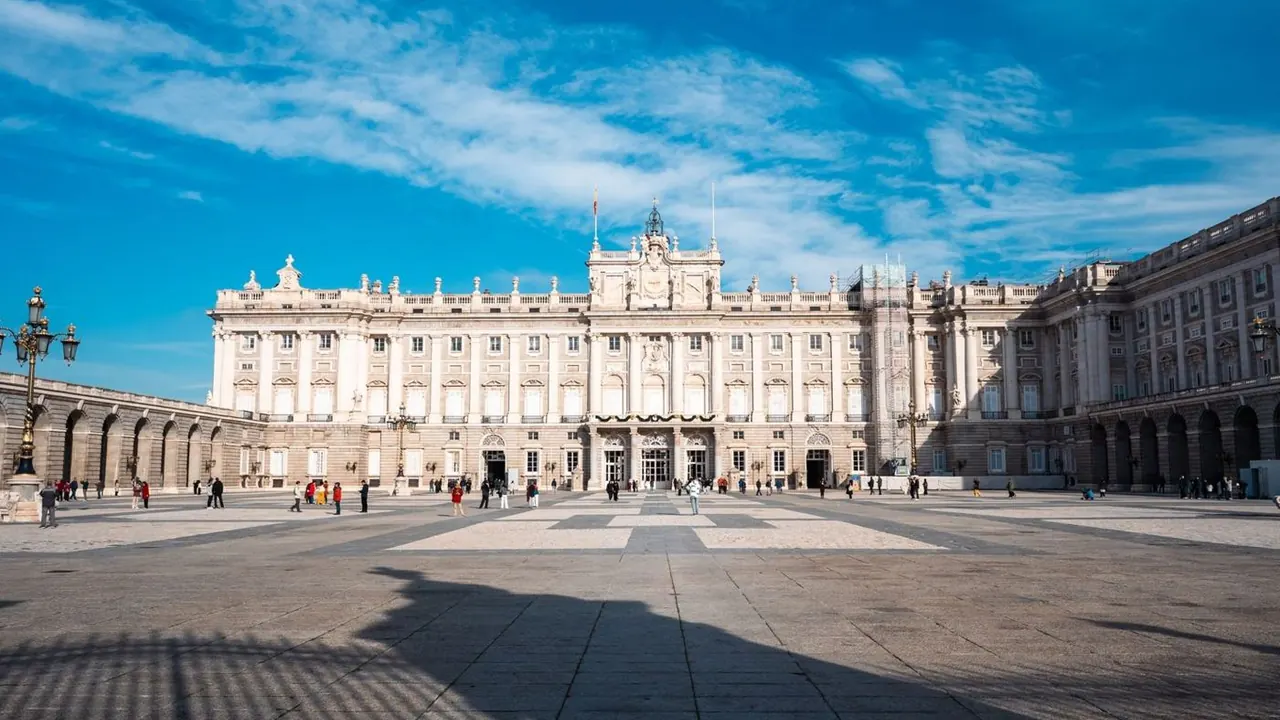
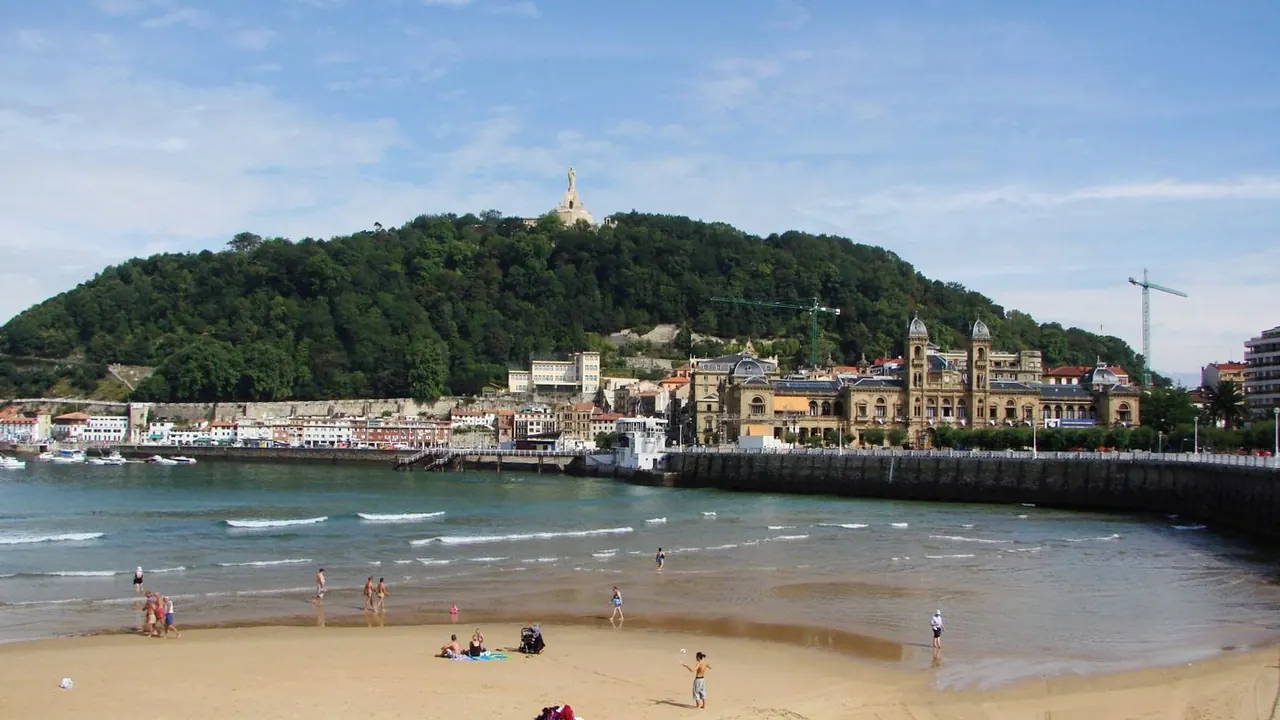
Photos: Madrid by Mert Ocak, Pexels License; San Sebastian by Guérin Nicolas, CC BY-SA 3.0, cropped.
Madrid or San Sebastian?
Our verdict in twelve categories, each scored against the same fixed benchmark cities, and the climate month by month, so you can choose for your trip.
Choose Madrid for
- nightlife
- shopping
- culture and sights
Madrid is the trip for travellers who want a capital at full size. Velázquez and Goya in the Prado, Guernica at the Reina Sofía, opera and flamenco at night, bars that keep going until dawn and fast trains out to Toledo and Segovia all fit into one stay. It is also the easier city on the budget, and it works for most of the year apart from the heat of high summer.
Choose San Sebastian for
- beaches
- wellness
- nature and the outdoors
San Sebastian rewards a slower, smaller trip built around the table and the sea. Pintxo counters in the Parte Vieja, some of Spain's most celebrated restaurants in the hills, La Concha in the middle of town and cliff paths over Ulia and Jaizkibel make it the stronger choice for food lovers, beach days and coastal walkers. In return you accept Atlantic rain and hotel bills that run well above Madrid's.
Scoreboard
Twelve categories on one fixed scale from 0 to 100. The shaded stretch is the gap between the two.
Your match
Pick a travel style or drag the sliders, and both match scores follow your weighting.
Wins on nightlife and shopping with your weighting.
Wins on beaches and wellness with your weighting.
What matters to you?
Category by category
What the scores mean for a trip.
Beaches & swimming
This is the starkest difference between the two. Madrid sits on the central plateau with no coast within a day's reach, so summer cooling-off means municipal pools or the reservoirs under the Sierra de Guadarrama.
San Sebastian has one of Europe's great city beaches in La Concha, a sheltered bay of pale sand a few minutes' walk from the old town, with quieter Ondarreta beside it and Zurriola facing the open Atlantic for surfers. The catch is the Bay of Biscay: the water stays cool and the swimming season is really just high summer.
Food & drink
Both are among Spain's best places to eat, but San Sebastian has the edge. Madrid's strength is breadth. You can work along the tapas counters of Cava Baja, try cocido and calamari sandwiches, and eat the whole country's cooking, from Galician seafood to Basque grills, with plenty of high-end tasting menus too.
San Sebastian is narrower and more intense. The pintxo bars of the Parte Vieja and Gros each have a speciality and serve it with txakoli, there is a remarkable concentration of acclaimed restaurants for a city this small, and the cider houses of Astigarraga open from January. If eating is the point of the trip, this is where to go, provided you are happy with Basque food at nearly every meal.
Culture & sights
Madrid is in another league for art. The Prado, Reina Sofía and Thyssen-Bornemisza line one boulevard and can fill several days, and the Royal Palace, Plaza Mayor and the Goya frescoes in San Antonio de la Florida add a grand Habsburg and Bourbon backdrop.
San Sebastian is better enjoyed as a townscape than as a list of sights: the rebuilt grid of the Parte Vieja, the Basilica of Santa Maria, the Miramar Palace above the bay. The San Telmo Museum and Chillida's Peine del Viento on the rocks at Ondarreta are the highlights, and two or three days see it all.
Nightlife
Madrid is built for going out late. Clubs open around two and run past dawn, and each district has its own crowd: rock and indie in Malasaña, the gay scene in Chueca, terraces in La Latina and Lavapiés, big clubs around Gran Vía and Sol.
San Sebastian's best nights are early and food-led, hopping between pintxo bars in the old town until late. Beyond that there are only a few late bars and clubs, and the city livens up properly mainly in summer and during Semana Grande in August.
Nature & outdoors
San Sebastian has the outdoors on its doorstep. Monte Igueldo, Urgull and Ulia frame the bay, and the coastal path from Ulia to Pasaia and on over Jaizkibel to Hondarribia runs along cliffs and sandstone formations. Surfing, kayaking and paddleboarding are all easy in town.
Madrid's green spaces are city parks such as the Retiro, Casa de Campo and Madrid Río. For real hiking you go an hour north to the Sierra de Guadarrama, which has higher granite peaks, the boulders of La Pedriza and some winter skiing, but it is a separate outing rather than part of the city.
Day trips
Both make excellent bases, and Madrid is the stronger one. High-speed trains reach Toledo and Segovia in about half an hour, and walled Ávila, Salamanca and Cuenca are not much further, so a week can take in a run of historic cities that Madrid itself lacks.
San Sebastian's outings are more varied in kind than in depth. You can choose between the Guggenheim in Bilbao, walled Hondarribia, the French Basque coast at Biarritz and Saint-Jean-de-Luz, and the Rioja Alavesa vineyards, though most of them are reached by bus or road rather than fast train.
Good for families
Both are easy with children, and in both they stay out in the squares late in the evening. What differs is the kind of day out. Madrid offers parks and attractions: rowing boats in the Retiro, the zoo, aquarium and funfair in Casa de Campo, and theme parks further out, all made harder by July and August heat.
San Sebastian's draw is sheltered beaches in the centre, plus the harbour aquarium, the Eureka science museum and the funicular to the old funfair on Igueldo. Rainy spells can wipe out beach days, and after a few days families tend to run out of things to do in town.
Getting around
Neither city needs a car, but they work differently. Madrid's centre walks well from the Royal Palace to the Prado, and its large, air-conditioned metro runs to the airport and to Atocha and Chamartín for the fast trains.
San Sebastian is small enough to cross on foot in under an hour along the bay, with bike lanes on the waterfront, buses for the outer sights and Euskotren to the French border and towards Bilbao.
Shopping & style
Madrid is far the better shopping city. Luxury houses line Calle Serrano in Salamanca, the flagships and department stores cluster on Gran Vía and Preciados, and independent and vintage shops fill Malasaña, Chueca and Conde Duque. On Sunday mornings there is El Rastro.
San Sebastian has pleasant boutiques in the Centro, surf shops in Gros and Basque goods such as espadrilles and berets in the Parte Vieja. The best souvenirs are edible: Idiazabal cheese, txakoli and preserved anchovies from La Bretxa.
Affordability
The real gap between these two is in the room rather than on the plate. A Madrid hotel is priced like one in any large capital and climbs only around big events, so for most of the year the cost of a bed is steady and leaves more of the budget for the city itself.
In San Sebastian the bed is where the money goes. Rooms are few for the demand, and in July, August and festival weeks they reach the levels of Europe's dearest capitals. Food narrows the difference less than you might hope: a careful pintxo evening stays reasonable, but a long one adds up, and the celebrated tables in the hills are a splurge in any season. A visit in spring or autumn closes much of the gap, and the bay, the beaches and the cliff paths are free all year.
Live music & performing arts
Madrid has a stage scene all year round. There is opera at the Teatro Real, the national orchestra at the Auditorio Nacional, zarzuela, long-running musicals on Gran Vía, and flamenco every night in tablaos where the best performers are serious artists. Jazz clubs and indie venues in Malasaña fill in the rest.
San Sebastian's music is concentrated in summer, with Jazzaldia in July, including free concerts on Zurriola beach, and the Quincena Musical in August. Outside those weeks the Kursaal and the Teatro Victoria Eugenia keep a modest programme going.
Wellness & relaxation
San Sebastian is the more restful of the two. It has a real seaside spa tradition in the old bathing pavilion on La Concha, which offers seawater pools and treatments looking onto the bay, and the city's calm pace and evening walks on the promenade help too.
Madrid is loud and late by nature. Relaxation there means one of the Arab-style bathhouses in the old centre, a hotel spa or a slow afternoon in the Retiro or the Botanical Garden.
When should you go?
Pick your month. The climate figures are measured averages, not a forecast.
Madrid in July
San Sebastian in July
Daytime high, °C
Rainfall in the month, mm
Where the figures come from
San Sebastian's station stands 252 m above the city centre, so the centre is likely a little warmer than the figures say.
Temperature and rainfall are climate normals, averaged over the years shown. Madrid: 1991-2020 normals, Madrid (1.7 km from centre). San Sebastian: 1991-2020 normals, San Sebastian / Igueldo (6.1 km from centre).
The two climates are almost opposites. Madrid has hot, dry, very sunny summers, with July reaching around 33°C, which makes long walks between museums hard work in the afternoon. Its winters are cool at about 10°C but mostly dry and fairly bright. May, late September and October are the most comfortable months for walking the streets, though October brings the most rain the city gets, which is still modest.
San Sebastian never gets truly hot and never truly cold. The beach season is really July and August, when the sea reaches its warmest at about 22°C and the days are pleasant rather than scorching. Rain falls in every month, it has far less sunshine than Madrid, and late autumn is the wettest stretch, with November bringing around 203mm. In midsummer it is the cooler escape from Madrid's heat. In spring and autumn, Madrid is the drier and sunnier of the two.
Which traveller are you?
For a beach and sun trip, San Sebastian is the only real option of the two. La Concha and Ondarreta give calm swimming right in town and Zurriola has surf, while Madrid is hours from any sea and offers only pools and reservoirs.
On a culture and arts trip, Madrid is the clear pick. The Prado, Reina Sofía and Thyssen sit within a short walk of each other, the Teatro Real and flamenco tablaos fill the evenings, and Toledo and Segovia are under an hour away by train.
On a trip on a tight budget, Madrid goes further. Hotels sit at ordinary big-city levels, the midday menú del día and tapas keep food modest, and the great museums have free hours, whereas San Sebastian's scarce hotel rooms are among the dearest in Spain.
Before you go
| Measure | Madrid | San Sebastian |
|---|---|---|
| Official language | Spanish | Spanish |
| Currency | Euro (EUR) | Euro (EUR) |
| Sockets | CF230 V, 50 Hz | CF230 V, 50 Hz |
| Driving side | Right | Right |
| Time zone | UTC+1, UTC+2 in summer | UTC+1, UTC+2 in summer |
| Emergency number | 112 | 112 |
| Elevation | 663 m | 6 m |
| Main airport | Adolfo Suárez Madrid–Barajas Airport (MAD)14 km from centre239 non-stop destinations | San Sebastián Airport (EAS)16 km from centre11 non-stop destinations |
| Public holidays this year | 12 days | 13 days |
By the numbers
| Measure | Madrid | San Sebastian |
|---|---|---|
| City population | 3,506,730 | 189,866 |
| People per km² | 5,801 | 3,118 |
| Museums within 10 km | 88 | 14 |
| UNESCO World Heritage sites within 50 km | 4 | 3 |
| Swim season, months above 21 °C | - | 2 months |
Where else could you go?
Every comparison below shares a destination with this one, so you can follow Madrid or San Sebastian somewhere new.