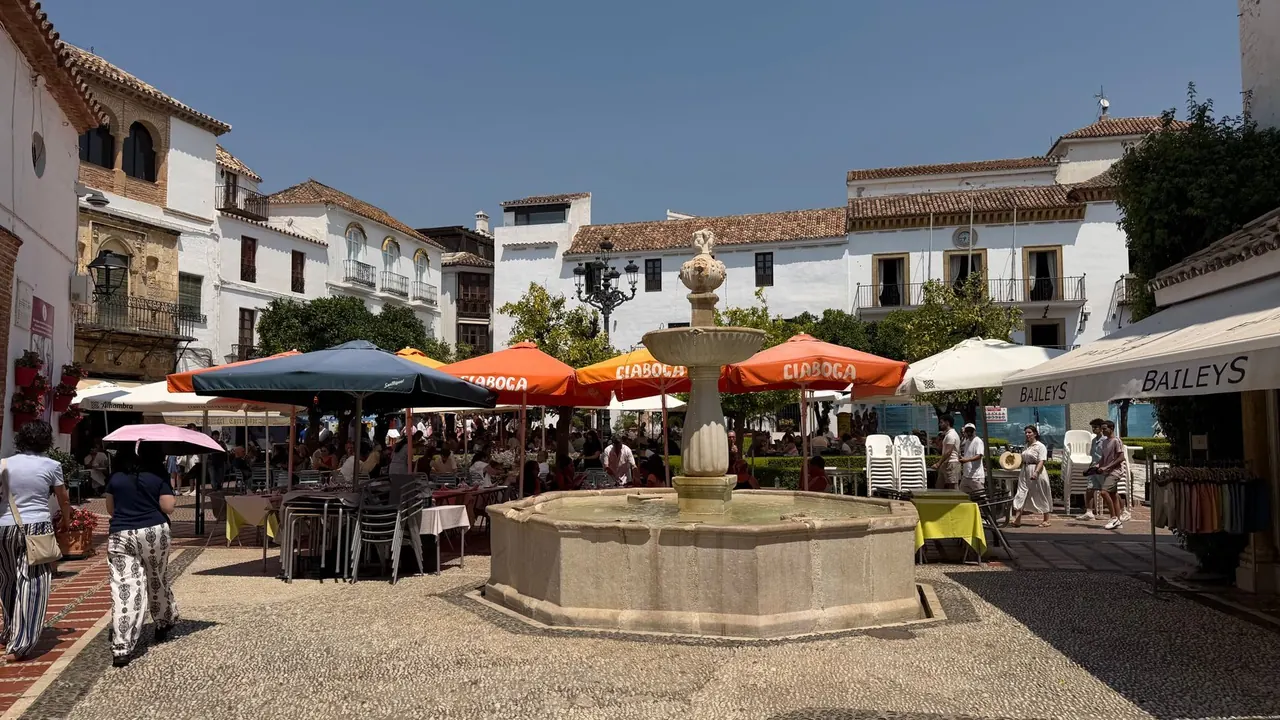
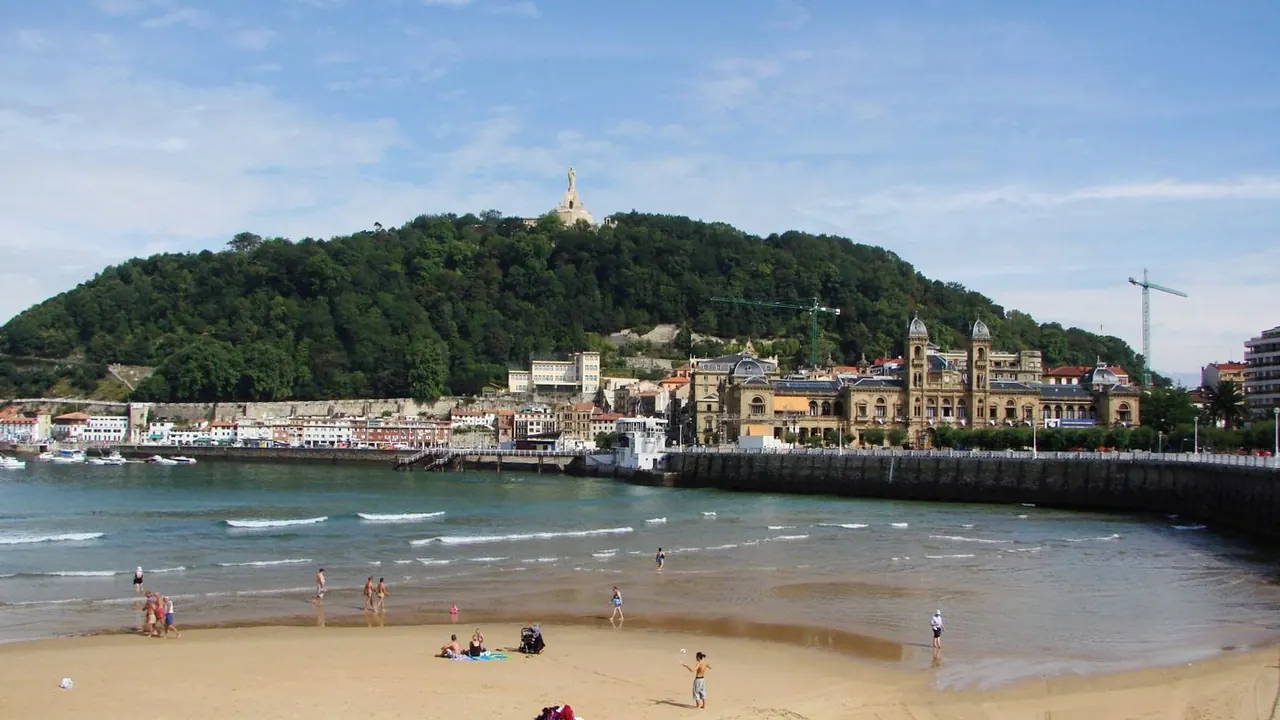
Photos: Marbella by Décio Franchini, Pexels License; San Sebastian by Guérin Nicolas, CC BY-SA 3.0, cropped.
Marbella or San Sebastian?
Our verdict in twelve categories, each scored against the same fixed benchmark cities, and the climate month by month, so you can choose for your trip.
Choose Marbella for
- nightlife
- shopping
- beaches
Marbella suits a sun-first trip: long days on the beach, a dry and reliably sunny summer, beach clubs that turn into late nights around Puerto Banús, and luxury boutiques for the evening stroll. It is also the better winter escape, mild and bright while the north is grey. Plan on hiring a car, because the town is spread thinly along the coast and Ronda, Gibraltar and the white villages are easiest by road.
Choose San Sebastian for
- getting around
- food and drink
- culture and sights
San Sebastian is for people who travel to eat and to walk. The pintxo bars of the Parte Vieja and Gros, its fine-dining restaurants and the cider houses of Astigarraga are far ahead of anything on the Costa del Sol, and everything from La Concha to Zurriola is an easy stroll apart. The old town, San Telmo and the summer jazz and classical festivals give it more depth too. The cost is cooler, wetter weather and a shorter beach season.
Scoreboard
Twelve categories on one fixed scale from 0 to 100. The shaded stretch is the gap between the two.
Your match
Pick a travel style or drag the sliders, and both match scores follow your weighting.
Wins on nightlife and shopping with your weighting.
Wins on getting around and food and drink with your weighting.
What matters to you?
Category by category
What the scores mean for a trip.
Beaches & swimming
Both have a fine town beach, but Marbella has far more beach. There are over two dozen of them along its shore, from La Venus and El Fuerte to the dunes at Cabopino, with chiringuitos, sun loungers and a season that runs from June into October. The sand is greyish rather than white, and a westerly wind can chill the water for a day or two.
San Sebastian's La Concha is the lovelier city beach: a sheltered shell of pale sand, with Ondarreta beside it and Zurriola for surfers. The Bay of Biscay holds it back, though. The season is short, and grey days interrupt even July and August.
Food & drink
This is where San Sebastian pulls furthest ahead. An evening moving between the pintxo counters of the Parte Vieja and Gros with a glass of txakoli is one of the great eating experiences in Spain. Behind it are the La Bretxa and San Martin markets, an exceptional group of celebrated restaurants in the hills and the winter cider houses of Astigarraga. Its one gap is variety, since nearly everything is Basque.
Marbella has that variety, from international dining to tasting menus on the Golden Mile, and sardines grilled over driftwood on the beach are a real pleasure. But the middle ground near the port is tired and overpriced, and good everyday meals take some finding in the old town and the streets inland.
Culture & sights
San Sebastian has more to see, and the city around it hangs together better. There is the baroque Basilica of Santa Maria at the end of the Parte Vieja, the castle on Monte Urgull, the elegant 19th-century streets around Buen Pastor, the San Telmo Museum and Chillida's iron sculptures on the rocks. It rewards two or three days.
Marbella's heritage fits into an afternoon: the Plaza de los Naranjos and its whitewashed lanes, the print museum, the Dalí bronzes on the Avenida del Mar and the Roman villa at Río Verde. For anything more substantial you drive to Málaga or Ronda.
Nightlife
Marbella is the place for a big night out in summer. Beach clubs with DJs along the Golden Mile carry on into evening parties, and Puerto Banús keeps its champagne bars and clubs full until dawn. The style is polished and expensive rather than underground, and from November to March it goes quiet.
San Sebastian's evenings are sociable but end earlier. The pintxo bars of the Parte Vieja are loud and lively from early evening, but after that there are only a few late bars and clubs. The night usually ends where dinner does, except during August's Semana Grande.
Nature & outdoors
Both put serious walking close to your hotel, but the landscapes could hardly be more different. Marbella backs onto the dry limestone of Sierra Blanca, with a hard half-day climb to La Concha peak and views to Morocco, and the fir forests of Sierra de las Nieves inland. Its mild winters make it a year-round walking base, though the coast itself is heavily built up.
San Sebastian is green and wet, with cliff paths from Monte Ulia to Pasaia and over Jaizkibel to Hondarribia, and surf at Zurriola. Pack waterproofs in any month.
Day trips
The real split is between going by car and going by train or bus, and between one region and two countries. Marbella has no railway and its buses are slow, but with a hire car Andalusia opens up: Ronda above its gorge, Málaga, Gibraltar, the white villages of Casares and Mijas and, on a long day, Granada and the Alhambra.
San Sebastian's outings work without a car. Buses run to Bilbao and walled Hondarribia, the Euskotren goes to the French border, and from there Saint-Jean-de-Luz and Biarritz are close. The Rioja Alavesa vineyards are a further option, less than two hours away.
Good for families
For families it is a choice between a beach-and-pool stay and a compact city with the sights close together. Marbella has sheltered, lifeguarded town beaches and resorts built around pools. An animal park, a zoo, water parks and a marine park are spread along the coast and are easiest to reach by car, and July and August are very hot.
San Sebastian keeps things within easy reach. The aquarium with its walk-through tunnel is at the harbour, and short bus rides take you to the Eureka science museum in Miramon and to the funicular up to the old funfair on Igueldo. Rain can rule out the beach for days, though, and after three or four days most families start planning excursions.
Getting around
The gap here is wide. San Sebastian is small and flat. The Parte Vieja, La Concha, Gros and Zurriola are minutes apart on foot, bike lanes run along the waterfront, and the Euskotren goes to the French border and towards Bilbao.
Marbella stretches thinly from San Pedro to Cabopino along the motorway. The old town and the promenade are pleasant on foot, but getting to the port, the hotels and the villages means slow buses, taxis or a hire car.
Shopping & style
If you shop for labels, Marbella is the better choice. In Puerto Banús, international fashion and jewellery boutiques face the yachts, with a department store and malls close by, and the old town adds leather, linen and ceramics. Beyond the big names, though, there is little independent design.
San Sebastian's shopping is smaller and more local: Spanish chains and independent boutiques in the Centro, espadrilles and berets in the Parte Vieja, and surf shops in Gros. The best souvenirs are edible, such as txakoli, Idiazabal cheese and tinned anchovies from the markets.
Affordability
Neither is a cheap Spanish destination, and both raise room prices sharply in summer. In Marbella the expense is in beach clubs, sunbeds in the best spots and dinners around Puerto Banús. Tapas in the old town stay at ordinary Andalusian levels, and staying in a neighbouring town is a common way to save.
In San Sebastian the problem is a shortage of hotel rooms, especially in festival weeks, and its famous restaurants are a real splurge. A pintxo crawl, the free beaches and walks help, and in both cities avoiding the summer peak makes the biggest difference.
Live music & performing arts
San Sebastian has much more live music and theatre. In July, Jazzaldia brings international names to the Kursaal and free concerts to Zurriola, and the Quincena Musical fills August with orchestral music and opera. The Kursaal and the ornate 1912 Teatro Victoria Eugenia have a programme through the rest of the year.
Marbella has little beyond a summer pop and rock festival in an old quarry amphitheatre, flamenco staged for visitors and a modest municipal theatre. For serious classical music or flamenco you have to go to Málaga.
Wellness & relaxation
Neither has a bathing culture you could plan a trip around, but they relax you in different ways. Marbella is a resort-spa destination, with wellness retreats, detox clinics and large hotel spas on the Golden Mile and in the hills, plus a few Arab-style baths. It is restful from October to May and much less so in the summer heat and crowds.
San Sebastian's main draw is the seawater thalassotherapy spa in the historic bathing pavilion on La Concha, a legacy of its days as a royal resort. Its calm, orderly pace and evening walks along the promenade do the rest.
When should you go?
Pick your month. The climate figures are measured averages, not a forecast.
Marbella in July
San Sebastian in July
Daytime high, °C
Rainfall in the month, mm
Where the figures come from
Marbella's temperatures are measured 40 km from the centre, at Malaga / Aeropuerto.
Marbella has no rain gauge within 25 km of the centre, so its rainfall comes from a gridded climate dataset read at the city rather than from a gauge further away.
San Sebastian's station stands 252 m above the city centre, so the centre is likely a little warmer than the figures say.
Temperature and rainfall are climate normals, averaged over the years shown. Marbella: 1991-2020 normals, Malaga / Aeropuerto (39.7 km from centre). San Sebastian: 1991-2020 normals, San Sebastian / Igueldo (6.1 km from centre).
Marbella has the warmer, drier and sunnier year. From June to September the rain almost stops and highs reach 31°C or more in July and August. That is perfect for the beach but heavy going for walking the streets at midday. For the Mediterranean the sea stays fairly cool, but it is warm enough for swimming from June into early October. Spring and autumn are the most comfortable for sightseeing. Even winter brings mild days in the high teens, though November and December are the wettest months.
San Sebastian never gets hot. Summer highs sit around 22°C to 23°C, which is ideal for walking the city and the coastal paths. July and August are the only real beach months, with the sea about as warm as Marbella's. It rains in every month, most heavily in late autumn, with about 203mm in November, and it gets far fewer hours of sunshine. Its season runs from late spring to early autumn. In winter it is cool, grey and damp, the opposite of Marbella's bright winters.
Which traveller are you?
For a beach and sun trip, Marbella is the clear choice. Its beaches run for kilometres towards Puerto Banús and Cabopino, summers are almost rainless and you can swim into early October, while San Sebastian's bay can turn grey even in July.
On a culture and arts trip, San Sebastian gives you more. It is an old royal resort with a rebuilt old town that you take in slowly on foot, and summer evenings can end at a jazz or orchestral concert. Marbella has pretty whitewashed lanes, but its serious art and music are found in other towns.
For a short city break, San Sebastian works better. Its centre is flat and compact, so a long weekend goes on pintxo bars, the promenade and Monte Igueldo rather than taxis. Marbella sprawls along the motorway and suits a longer stay with a car.
Before you go
| Measure | Marbella | San Sebastian |
|---|---|---|
| Official language | Spanish | Spanish |
| Currency | Euro (EUR) | Euro (EUR) |
| Sockets | CF230 V, 50 Hz | CF230 V, 50 Hz |
| Driving side | Right | Right |
| Time zone | UTC+1, UTC+2 in summer | UTC+1, UTC+2 in summer |
| Emergency number | 112 | 112 |
| Elevation | 22 m | 6 m |
| Main airport | Málaga-Costa del Sol Airport (AGP)39 km from centre166 non-stop destinations | San Sebastián Airport (EAS)16 km from centre11 non-stop destinations |
| Public holidays this year | 12 days | 13 days |
By the numbers
| Measure | Marbella | San Sebastian |
|---|---|---|
| City population | 159,786 | 189,866 |
| People per km² | 1,398 | 3,118 |
| Museums within 10 km | 6 | 14 |
| UNESCO World Heritage sites within 50 km | 0 | 3 |
| Swim season, months above 21 °C | 3 months | 2 months |
Where else could you go?
Every comparison below shares a destination with this one, so you can follow Marbella or San Sebastian somewhere new.