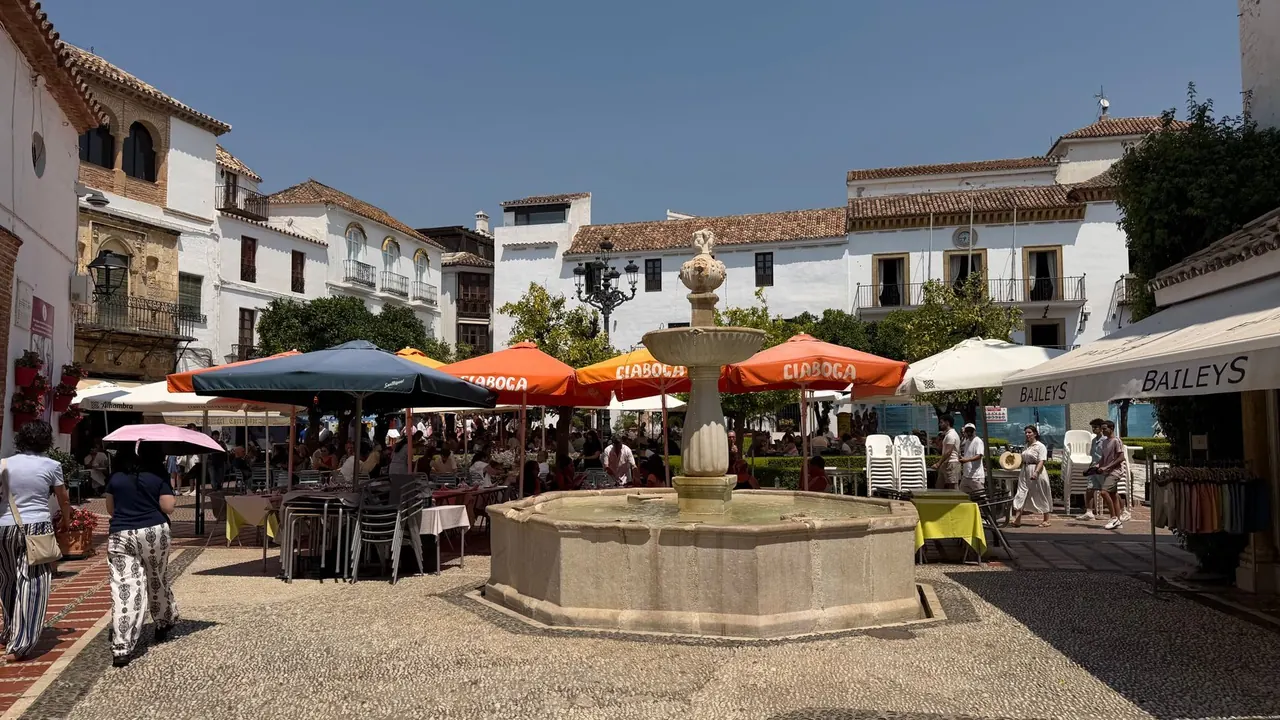
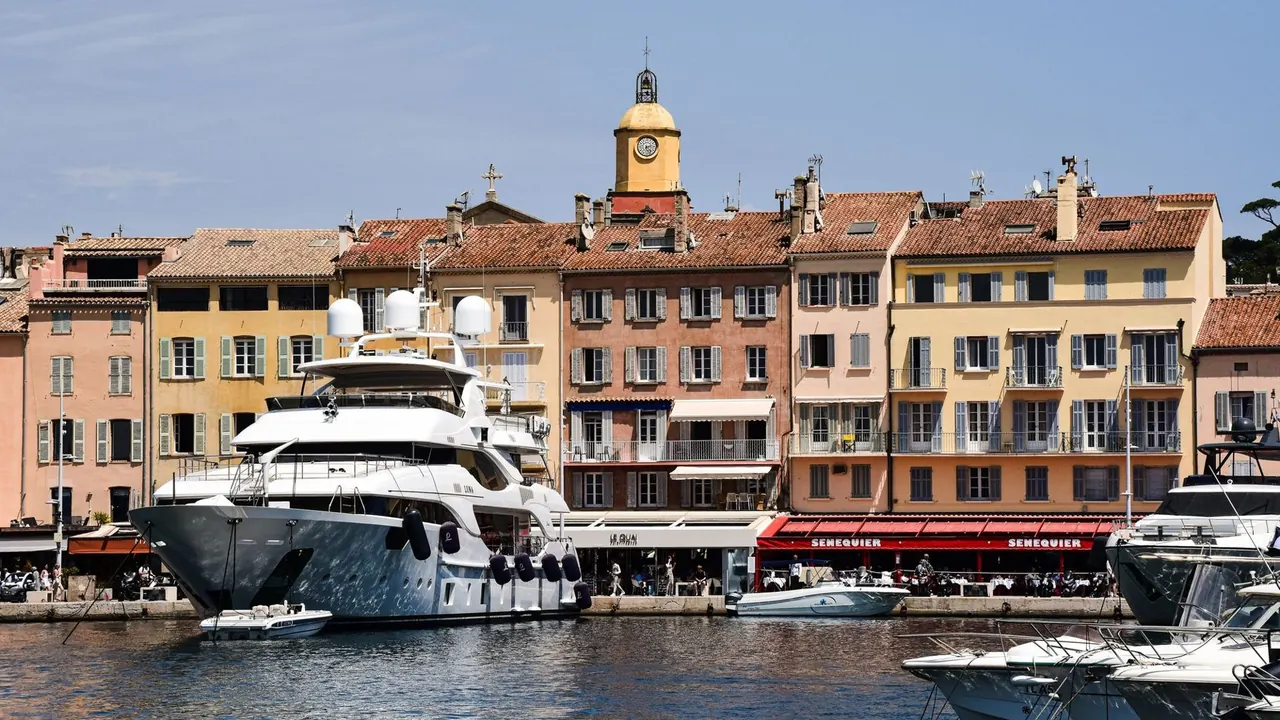
Photos: Marbella by Décio Franchini, Pexels License; Saint-Tropez by AXP Photography, Pexels License.
Marbella or Saint-Tropez?
Our verdict in twelve categories, each scored against the same fixed benchmark cities, and the climate month by month, so you can choose for your trip.
Choose Marbella for
- families
- prices
- day trips
Marbella is the better choice for a longer stay, a family beach vacation or a trip that mixes sand with sightseeing. It has more room to spread out: town beaches you can walk to, an old town where tapas cost what they do elsewhere in Andalusia, and Ronda, Málaga and even Granada within reach for a day. Its mild, sunny winters also make it worth visiting outside summer, which Saint-Tropez rarely is.
Choose Saint-Tropez for
- beaches
- shopping
- culture and sights
Saint-Tropez suits a shorter, more indulgent summer trip built around Pampelonne, the harbour and the boutiques in the lanes behind the port. The beaches are the better of the two, the sea is a little warmer and the Provençal setting of pine-backed coves, vineyards and hilltop villages has a polish that Marbella's built-up coast lacks. You pay heavily for it, and there is far less to do once the season ends.
Scoreboard
Twelve categories on one fixed scale from 0 to 100. The shaded stretch is the gap between the two.
Your match
Pick a travel style or drag the sliders, and both match scores follow your weighting.
Wins on families and prices with your weighting.
Wins on beaches and shopping with your weighting.
What matters to you?
Category by category
What the scores mean for a trip.
Beaches & swimming
Saint-Tropez has the finer beaches. Pampelonne is a long stretch of pale sand with clear water, and the quieter coves at Escalet, Cap Taillat and Gigaro are among the most beautiful swims on this coast. The catch is that none of them is in town, so reaching them means a drive or a scooter ride, while the swimming spots by the old quarter are small.
Marbella has more beaches and more of them close to hand, with La Venus and El Fuerte right below the old town and the dunes at Cabopino further along. The sand is greyer and the sea a little cooler because of the Strait, but the swimming season stretches into early October.
Food & drink
Marbella is the better place to eat well on most days. Sardines grilled on skewers at the chiringuitos, gazpacho and ajoblanco in summer, and a dense spread of tapas bars around the Casco Antiguo give you good everyday food, with acclaimed tasting menus along the Golden Mile at the top end.
Saint-Tropez cooks well at the top, with Provençal fish, aïoli and rosé from the surrounding vineyards, and the Place des Lices market and the tarte tropézienne have real local character. Simple, good-value meals are hard to find, though, and much of the town closes in winter.
Culture & sights
Neither town is a heritage destination, and both can be seen in an afternoon or a day. The difference is in kind. Saint-Tropez has one serious collection, the pointillist and Fauvist paintings in the Musée de l'Annonciade, set in the harbour Signac painted, plus the citadel above it.
Marbella's interest is spread more widely: the whitewashed lanes around the Plaza de los Naranjos, a museum of Spanish prints, Dalí bronzes along the Avenida del Mar, and Roman mosaics at Río Verde.
Nightlife
Both are glamorous summer party towns with table service and money on show, and both go quiet by November. Marbella's scene is the wider of the two. It runs from beach clubs on the Golden Mile to the bars around Puerto Banús on a late Spanish clock, and the old town's terraces and small bars give you a calmer evening option.
Saint-Tropez is more concentrated. Afternoon parties at Pampelonne move on to the harbour yachts and then to a handful of famous clubs with dress codes, and there is little ordinary bar-hopping beyond that.
Nature & outdoors
The outdoors is equally good in both, but in different ways. Marbella's outdoors is mountain country: the climb to La Concha behind the town, the fir forests and gorges of the Sierra de las Nieves, and El Torcal and the Caminito del Rey further inland.
Saint-Tropez is better on and beside the water. You can walk the Sentier du Littoral past coves and capes, snorkel and dive off the rocky points, or take a ferry to the national-park islands of Port-Cros and Porquerolles. The Massif des Maures adds forest trails, though summer fire risk closes some.
Day trips
Marbella is the far stronger base for excursions. Ronda's gorge, Málaga's Alcazaba and Picasso Museum, and Gibraltar are each about an hour or less away, and the Alhambra in Granada is a long but manageable day.
Around Saint-Tropez the outings are pleasant but smaller: the hilltop villages of Ramatuelle and Gassin, the canals of Port Grimaud by boat, wine cellars and a day on Porquerolles. In summer the roads out jam badly.
Good for families
Marbella is much the better choice with children. Its town beaches are sheltered and lifeguarded, the flat promenade suits buggies, many places to stay are built around pools, and an animal park, a zoo, water parks and an aquarium sit along the coast.
Saint-Tropez has gently shelving sand at Pampelonne and Gigaro and a small, safe old town, but almost everything else there is aimed at adults. Its prices and summer traffic make a long family stay hard work.
Getting around
Getting around is awkward in both, since neither has a railway and most visitors end up hiring a car. Marbella copes a little better: coaches reach Málaga airport in about an hour, buses run along the coast and the promenade lets you walk or cycle for kilometres.
Saint-Tropez's centre is tiny and easy on foot, but the main beaches are several kilometres away and the single road around the gulf jams for hours in summer. The passenger boats from Sainte-Maxime are often the easiest way in.
Shopping & style
Both towns sell luxury, but Saint-Tropez does it better. The big fashion houses fill the lanes behind its port, and it has its own craft in the hand-stitched Tropézienne leather sandal, while the Place des Lices market adds linen, baskets and vintage finds.
Marbella's boutiques are concentrated at Puerto Banús, alongside a department store and malls, with ceramics and leather in the old town and weekly markets for everyday goods. Away from the big labels there is little to browse in either.
Affordability
Marbella is expensive for Spain, but Saint-Tropez is in another league. In Marbella you can eat at old-town tapas bars at normal Andalusian prices, ride the cheap coastal buses and find rates falling sharply outside summer.
Saint-Tropez stays costly from rooms to coffee on the port, and taxis or parking add to the bill. Picnicking from the market and staying across the gulf help, but the town is never cheap.
Live music & performing arts
Neither is a place to plan a trip around performances, but Marbella offers more. Its summer festival in a former quarry amphitheatre draws big pop and rock names, flamenco is staged in the old town and Málaga is close for opera and classical music.
Saint-Tropez has open-air classical and jazz concerts on the citadel in summer and the centuries-old Bravade procession each May. Beyond that, serious theatre means a long drive to Toulon or Nice.
Wellness & relaxation
Marbella is the better place to rest and recharge. It has long attracted people who come to rest, and its wellness retreats, detox clinics, resort spas and Andalusian-style bathhouses are open to visitors. Its mild winters also make a calm, sunny off-season stay of golf and promenade walks easy.
Saint-Tropez's spas belong to luxury hotels and are mainly for their guests. The town only becomes truly restful in May, June and September, before or after the crowds.
When should you go?
Pick your month. The climate figures are measured averages, not a forecast.
Marbella in July
Saint-Tropez in July
Daytime high, °C
Rainfall in the month, mm
Where the figures come from
Marbella's temperatures are measured 40 km from the centre, at Malaga / Aeropuerto.
Marbella has no rain gauge within 25 km of the centre, so its rainfall comes from a gridded climate dataset read at the city rather than from a gauge further away.
Saint-Tropez has no rain gauge within 25 km of the centre, so its rainfall comes from a gridded climate dataset read at the city rather than from a gauge further away.
Saint-Tropez's sunshine is measured 62 km from the centre, at Nice.
Temperature and rainfall are climate normals, averaged over the years shown. Marbella: 1991-2020 normals, Malaga / Aeropuerto (39.7 km from centre). Saint-Tropez: 1999-2020 (sunshine 1991-2020, rainfall 1991-2020) normals, Le Luc (24.2 km from centre).
Both towns are at their peak for swimming in July and August, when daytime highs reach the low 30s and almost no rain falls. Saint-Tropez's sea warms faster and further, to about 24°C in August against Marbella's 22°C, but its season is shorter. June and September are the best months for both, warm enough for the beach without the worst of the heat. Spring and autumn are the times for walking, the hill trails behind Marbella or the coast path around the Saint-Tropez peninsula.
Over the year Marbella is the milder and sunnier of the two. In January its afternoons stay around 17°C, while Saint-Tropez drops to about 13°C, cool enough that most visitors stay away. The rain comes at different times. On the Var coast the autumn storms set in early, and November is the wettest month at about 155mm, so October is already a gamble. In Marbella the wet months come later, peaking in December, and October usually stays pleasant enough for a last swim.
Which traveller are you?
On a family trip with children, choose Marbella. Spanish life makes room for children, who are welcome at the table late into the evening, and the cable car above Benalmádena is an easy outing. Saint-Tropez is built for adults.
For a trip on a tight budget, Marbella is the one to pick. Its inland neighbourhoods are as cheap to eat in as any Andalusian town. In Saint-Tropez even a sandwich on the quay is priced for the yachts.
For a beach and sun trip, Saint-Tropez is worth the cost. Its sand is backed by pine, vineyards and headlands rather than apartment blocks, and long rosé lunches on the sand are part of the day. Marbella's coast is the plainer of the two.
Before you go
| Measure | Marbella | Saint-Tropez |
|---|---|---|
| Official language | Spanish | French |
| Currency | Euro (EUR) | Euro (EUR) |
| Sockets | CF230 V, 50 Hz | CE230 V, 50 Hz |
| Driving side | Right | Right |
| Time zone | UTC+1, UTC+2 in summer | UTC+1, UTC+2 in summer |
| Emergency number | 112 | 112 |
| Elevation | 22 m | 0 m |
| Main airport | Málaga-Costa del Sol Airport (AGP)39 km from centre166 non-stop destinations | Nice-Côte d'Azur Airport (NCE)64 km from centre130 non-stop destinations |
| Public holidays this year | 12 days | 11 days |
By the numbers
| Measure | Marbella | Saint-Tropez |
|---|---|---|
| City population | 159,786 | 3,582 |
| People per km² | 1,398 | 320 |
| Museums within 10 km | 6 | 4 |
| UNESCO World Heritage sites within 50 km | 0 | 0 |
| Swim season, months above 21 °C | 3 months | 3 months |
Where else could you go?
Every comparison below shares a destination with this one, so you can follow Marbella or Saint-Tropez somewhere new.