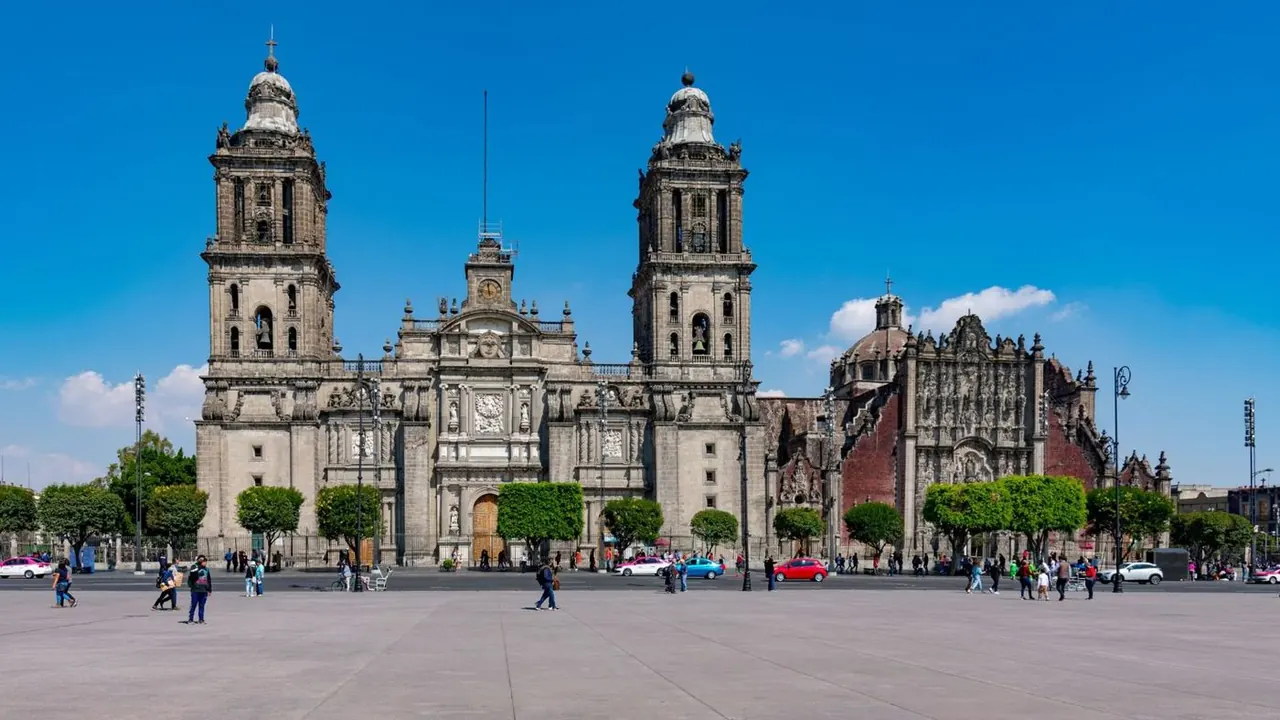
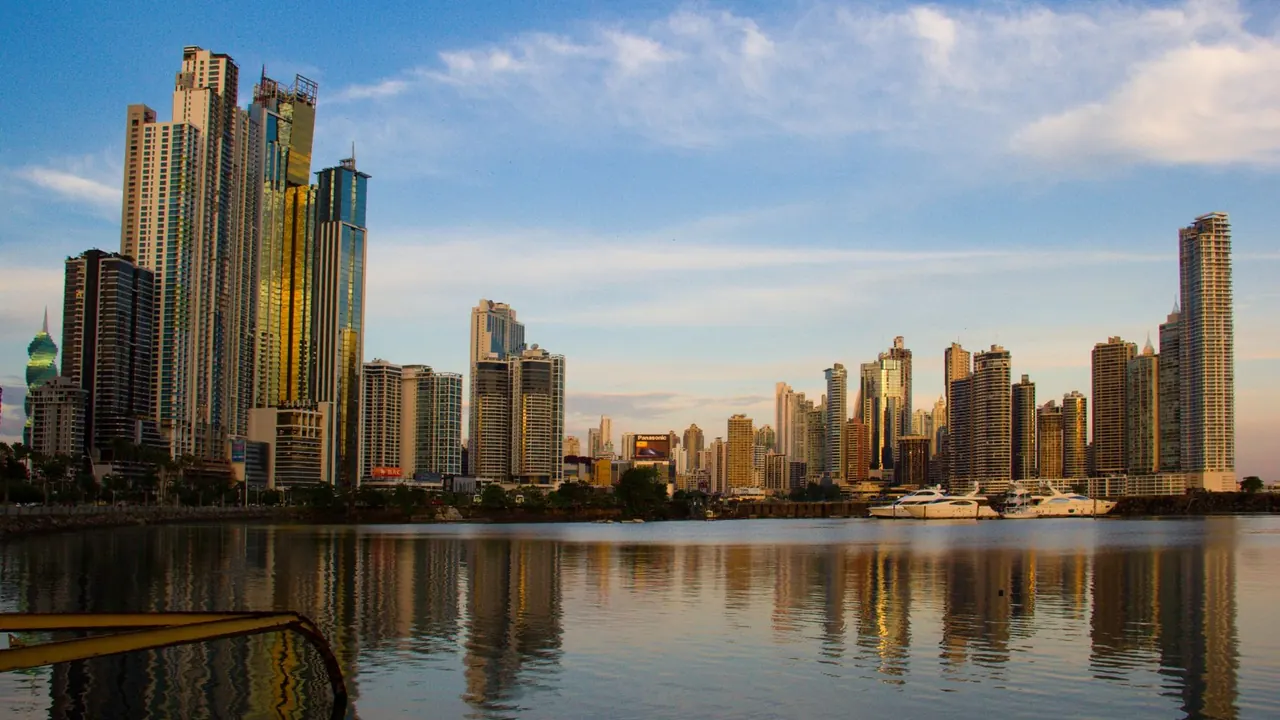
Photos: Mexico City by Oscar Dominguez, Pexels License; Panama City by Ayaita, CC BY-SA 3.0, cropped.
Mexico City or Panama City?
Our verdict in twelve categories, each scored against the same fixed benchmark cities, and the climate month by month, so you can choose for your trip.
Choose Mexico City for
- live music and the arts
- food and drink
- culture and sights
Mexico City suits travellers who want the city itself to be the trip. It has a food scene that runs from late-night taco stands to tasting menus, the Anthropology Museum and the Aztec ruins under the Zócalo, long nights in Roma and Condesa, and Teotihuacan and Puebla close enough for a day. Everyday costs are lower and the climate is mild, so it rewards a week or more of steady exploring. The one thing it cannot give you is a beach.
Choose Panama City for
- beaches
- nature and the outdoors
Panama City works better as a shorter stay that mixes a city with nature and the sea. Rainforest starts inside the city limits, ships rise through the Canal locks a few metres away, and Casco Viejo's colonial streets fill a pleasant day or two. The Pacific is warm all year, and the Caribbean forts and islands are within reach. Choose it as a base or a stopover that leads on to forest and coast, not for depth of museums, food or stage.
Scoreboard
Twelve categories on one fixed scale from 0 to 100. The shaded stretch is the gap between the two.
Your match
Pick a travel style or drag the sliders, and both match scores follow your weighting.
Wins on live music and the arts and food and drink with your weighting.
Wins on beaches and nature and the outdoors with your weighting.
What matters to you?
Category by category
What the scores mean for a trip.
Beaches & swimming
You can't swim off either city's own shoreline, but from Panama City the sea is at least close. Taboga's small, calm beach is a short ferry ride out, the Pacific sand at Coronado is about an hour or more by road, and the clearer Caribbean water near Portobelo is under two hours away. The water is warm all year.
Mexico City sits high on its plateau with Acapulco several hours away by road, so a beach means a separate leg of the journey. In town, swimming means a hotel pool.
Food & drink
The gap here is wide. Mexico City is one of the world's great places to eat. Its range runs from al pastor at late-night taco stands and blue-corn quesadillas at Medellín or La Merced markets up to the tasting menus of Roma, Condesa and Polanco, with mezcal bars and old pulquerías alongside.
Panama City's cooking is narrower and centred on the sea: cups of ceviche at the Mercado de Mariscos, whole fried fish with patacones, sancocho in neighbourhood fondas and chef-led cooking in Casco Viejo. Its strongest card is coffee, above all the highland Geisha.
Culture & sights
Mexico City has layers that take a week to get through. There is the Zócalo with the cathedral and Rivera's murals in the National Palace, the Aztec Templo Mayor beside them, the Anthropology Museum with the Sun Stone, and Frida Kahlo's house in Coyoacán.
Panama City's history is compact. It has the balconied colonial streets of Casco Viejo and the ruins of Panamá Viejo, both UNESCO-listed, plus the Biomuseo, and two or three days covers it. What Mexico City has no answer to is the Canal at Miraflores, a working piece of engineering that you watch rather than visit as a monument.
Nightlife
Both cities stay out late, but Mexico City has more nightlife and more kinds of it. In Roma and Condesa you walk between mezcalerías, cocktail bars and small dance floors, the Centro's cantinas keep an older tradition going, and salsa halls and the Zona Rosa's large LGBTQ scene add more.
Panama City's evenings start on Casco Viejo's rooftops, looking across the bay at the lit-up towers, then move on to reggaeton and salsa clubs around Calle Uruguay. The crowd is dressier, a mix of locals, expats and business visitors, and you get between places by taxi rather than on foot.
Nature & outdoors
Here Panama City pulls well ahead. The rainforest begins inside the city at Parque Natural Metropolitano, Soberanía and the Pipeline Road draw birdwatchers about forty minutes out, and boats from Gamboa pass monkeys on Gatún Lake beside the Canal shipping.
In Mexico City, the outdoors means parks and high ground: Chapultepec, Xochimilco's canals, the pine forest of Desierto de los Leones, and the volcanoes and Nevado de Toluca about two hours away. Traffic on the way out and the dry-season air take some of the pleasure away.
Day trips
Mexico City has more first-rate outings within a day's reach. Teotihuacan's pyramids are about an hour away, and further out are tiled Puebla with the great pyramid at Cholula, Taxco's silver-town hillsides and the slower pace of Tepoztlán and Cuernavaca.
From Panama City, the best day out is to the Caribbean forts at Portobelo and San Lorenzo. A partial Canal transit, the Taboga ferry or a dugout trip to an Emberá village are the other options. Its most rewarding trips, to the San Blas and Pearl Islands, really need a night away.
Good for families
Chapultepec could fill several days with children on its own, with the zoo, the boating lakes and the hands-on science of the Papalote museum all in one park. Add a trajinera on Xochimilco with mariachis drifting past and a loud night of lucha libre, and Mexico City gives families plenty to choose from. The catch is its size and altitude, so plan each day around one neighbourhood.
Panama City has fewer big attractions for children, but several stick in the memory: ships squeezing through the locks at Miraflores, the Biomuseo's hands-on displays, quadricycles on the Amador Causeway and boat trips past monkeys. The heat, humidity and wet-season downpours tire young ones faster than Mexico City's mild highland days, and in a city built for cars you will take taxis most of the time.
Getting around
Mexico City is the easier of the two to get around without a car, though neither is effortless. The Centro, Roma and Condesa, Polanco and Coyoacán each make a good day on foot, and the metro, with its colour-coded lines and a picture symbol for every station, ties them together for very little money, helped by the Metrobús lanes and shared bikes. The drawbacks are the city's sheer size, crowded rush-hour carriages where you need to watch for pickpockets, and slow roads, so ride-hailing cars fill the gaps, especially after dark.
In Panama City you rely on taxis far more. You can walk all of Casco Viejo in a morning, and the Cinta Costera path takes walkers and cyclists on to the banking towers. Beyond that, the city is a strip of highways where the heat and broken pavements soon wear you out. Its tidy metro follows the city's spine and passes by most of what visitors come to see, so cheap taxis and ride-hailing do most of the work. For Gamboa or the coast, a hired car or driver saves a lot of trouble, while in Mexico City a car is more of a burden than a help.
Shopping & style
Mexico City is far better for browsing. La Ciudadela gathers crafts from across the country, the Lagunilla flea market and San Ángel's Saturday bazaar make a long morning, and Masaryk and the Roma designers cover fashion.
In Panama City, shopping mostly means vast air-conditioned malls full of international brands and electronics. The real find is the mola, the layered textile sewn by Guna women, sold alongside Emberá baskets and highland coffee by vendors in Casco Viejo.
Affordability
Your money goes further in Mexico City. Market lunches, street tacos, metro rides and museum entry all cost little, and only Roma, Condesa and Polanco charge European-style prices.
Panama City is cheap at the fondas, at the fish market and in taxis, but rooms in Casco Viejo and the banking district, imported drinks and guided trips to the rainforest or islands raise the cost of a stay faster.
Live music & performing arts
Mexico City has a full programme all year. Bellas Artes stages opera, the symphony and the Ballet Folklórico, the university orchestra plays at Sala Nezahualcóyotl, mariachis play every night in Plaza Garibaldi and lucha libre fills Arena México.
Panama City's Teatro Nacional is a lovely small theatre, but its season is short. The January jazz festival is the event to plan a trip around. The rest of the year, live music means salsa and típico in bars, which you are more likely to find by chance than book ahead.
Wellness & relaxation
The temazcal, a steam bath ritual with pre-Hispanic roots, gives Mexico City a wellness tradition of its own, and some spas offer it alongside the good hotel and day spas of Polanco, Roma and Condesa. The city is noisy, but Coyoacán's shaded plazas give you quieter hours, and Cuernavaca and Tepoztlán are close enough to the south for a proper retreat.
Panama City has no bathing tradition to match, so relaxing means a hotel pool deck in Punta Pacífica or an early walk through Casco Viejo before the heat builds. To really slow down, visitors leave for the cooler highland valleys or a lodge on the islands.
When should you go?
Pick your month. The climate figures are measured averages, not a forecast.
Mexico City in July
Panama City in July
Daytime high, °C
Rainfall in the month, mm
Where the figures come from
Panama City has no rain gauge within 25 km of the centre, so its rainfall comes from a gridded climate dataset read at the city rather than from a gauge further away.
Temperature and rainfall are climate normals, averaged over the years shown. Mexico City: 1991-2020 normals, Mexico Central, D. F. (7.9 km from centre). Panama City: 1991-2020 normals, Tocumen (20.4 km from centre).
Mexico City's altitude keeps it mild all year, with warm days in the mid-twenties and never the kind of heat that makes walking hard. November to April is the dry, sunny season, and April is the warmest month at about 28°C. From June to September heavy afternoon rain sets in, reaching around 186mm in August, and it eases off through October.
Panama City is hot in every month, with highs up to 33°C, and the sea stays warm enough to swim all year at up to 29°C. February to April are the driest months and the best for both beach days and forest trails. Rain builds from May, and October to December are much the wettest, with November around 438mm, so expect daily downpours then.
Which traveller are you?
On a culture and arts trip, Mexico City is the clear choice. The Anthropology Museum, the Templo Mayor, Rivera's murals in the National Palace, the Ballet Folklórico at Bellas Artes and the pyramids of Teotihuacan would fill a week that Panama City could not match.
For an outdoors trip, pick Panama City. Sloths and toucans live in the park inside the city, the Pipeline Road is famous among birdwatchers, and boats from Gamboa pass howler monkeys on Gatún Lake, while Mexico City's volcanoes and forests sit beyond hours of traffic.
On a beach and sun trip, Panama City is the only real option. The sea is warm all year, Taboga's small beach is a short ferry ride away and Coronado and the Caribbean coast are close. From Mexico City the coast is a separate journey.
Before you go
| Measure | Mexico City | Panama City |
|---|---|---|
| Official language | Spanish, Nahuatl, Yucatec Maya | Spanish |
| Currency | Mexican Peso (MXN) | Balboa (PAB) |
| Sockets | AB127 V, 60 Hz | AB110 V, 60 Hz |
| Driving side | Right | Right |
| Time zone | UTC-6 | UTC-5 |
| Emergency number | 911 | 911 |
| Elevation | 2,240 m | 20 m |
| Main airport | Mexico City Benito Juárez International Airport (MEX)7 km from centre109 non-stop destinations | Tocumen International Airport (PTY)20 km from centre92 non-stop destinations |
| Public holidays this year | 9 days | 14 days |
By the numbers
| Measure | Mexico City | Panama City |
|---|---|---|
| City population | 9,209,944 | 1,540,000 |
| People per km² | 6,202 | 5,600 |
| Museums within 10 km | 108 | 10 |
| UNESCO World Heritage sites within 50 km | 6 | 2 |
| Swim season, months above 21 °C | - | 12 months |
Where else could you go?
Every comparison below shares a destination with this one, so you can follow Mexico City or Panama City somewhere new.